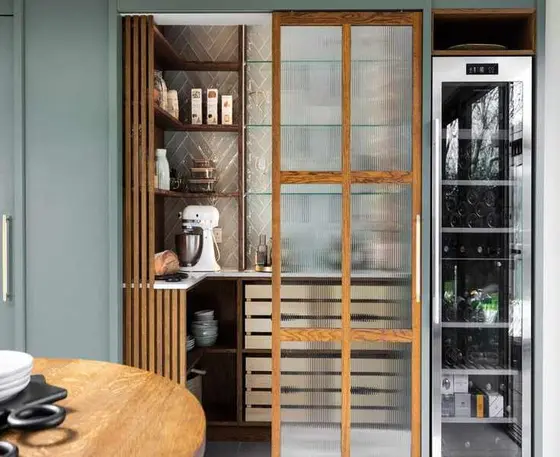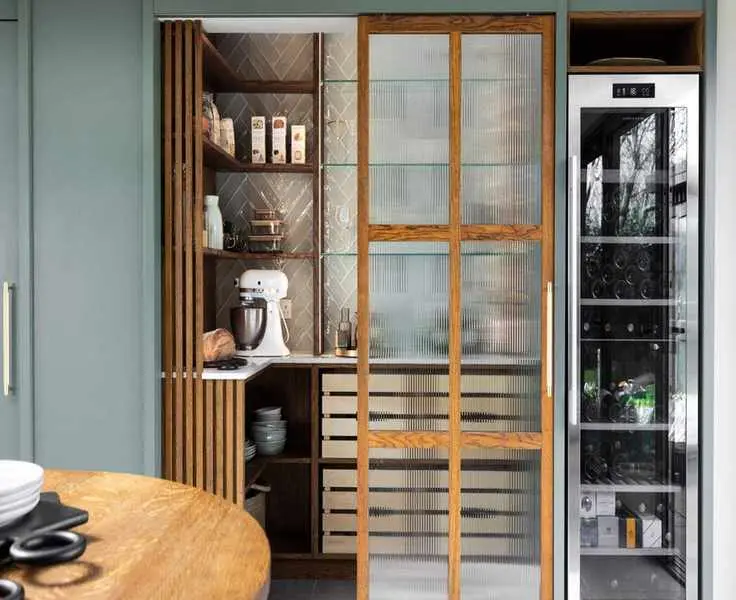
A well-organized pantry can bring joy, but understanding what to remove is essential for maintaining a functional space. Keeping expired items not only wastes space but can also lead to health risks and increased food waste.
To help you streamline your pantry, we consulted expert organizers to identify eight items you should never keep. Some of these might just surprise you!
By eliminating these items, you can simplify pantry organization and make it easier to navigate your supplies.
1. Expired Products
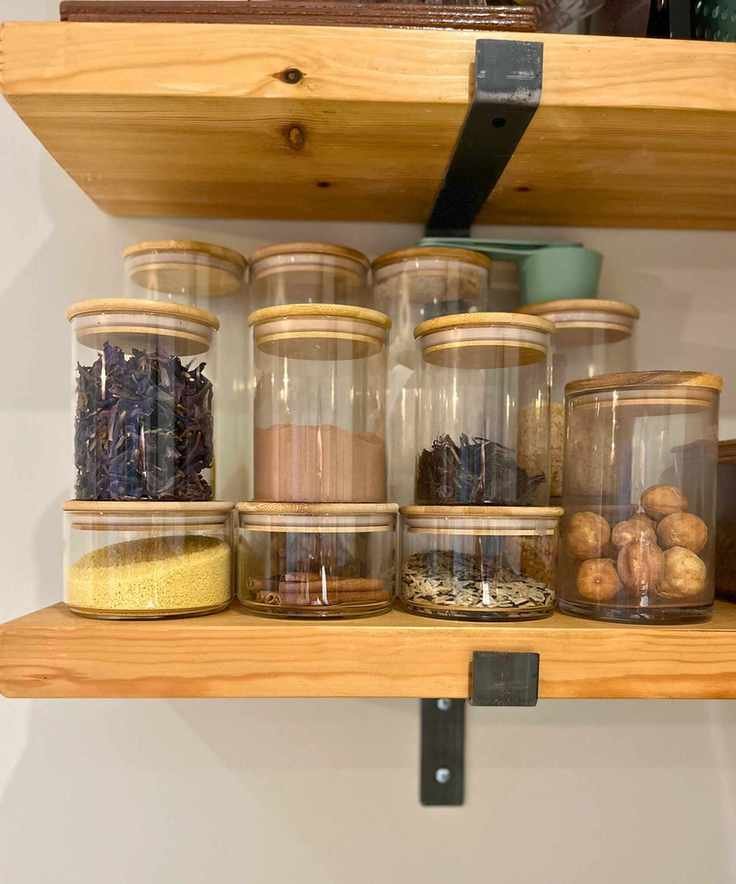
Even if you feel on top of your pantry inventory, the varying shelf lives of food can make it hard to keep track. 'Expired food not only takes up valuable space but can also pose health risks,' warns professional organizer Meaghan Kessman.
Think of cleaning out your pantry as a kind of audit—check the expiration dates on everything. 'If it’s past its prime, it’s time to toss it out. For future organization, group items by category and adopt the ‘first in, first out’ food storage rule.' To enhance efficiency, consider using an OXO plastic shelf riser, available at Target; place older items on top and newer ones beneath. You can apply the same principle when organizing your refrigerator.
When inspecting food items, be vigilant for signs of spoilage, such as bulging cans, discoloration, or unpleasant odors. If you notice anything unusual, discard it regardless of the expiration date.
2. Food You'll Never Use

While many pantry staples remain safe to eat past their expiration dates, that doesn't mean you should keep items you'll never use. If you can't envision yourself using a particular ingredient, it's best to let it go. A six-month period is a good cut-off point.
Professional organizer Lauren Saltman, founder of Living. Simplified., suggests, 'If items are still within their dates and packaging is intact, consider donating them to a local food bank instead of discarding them.' Such a gesture allows someone else to enjoy them.
Apply the same criteria to kitchen appliances stored in your pantry. If you haven't used them recently and likely won't, it's time to part ways.
3. Opened Packets and Unsealed Boxes
We all have moments of opening a cereal box or snack bag and tossing it back in the pantry without sealing it up. This practice can attract pests and lead to spoilage sooner than expected.
'Leaving dried goods unsealed—like pasta, rice, and grains—lets moisture in, which diminishes their quality over time,' says professional organizer Heather Aiello, founder of The Organized You.
'The same applies to baking essentials such as flour and yeast. While they can last around eight months to a year at room temperature, they lose effectiveness over time, resulting in disappointing baking results. If you're unsure about their viability, add some water; if it doesn’t bubble, it's time to replace it.'
We recommend transferring dried goods into sealed glass jars upon opening or using Farberware plastic bag clips, available at Wayfair, to keep items fresh.
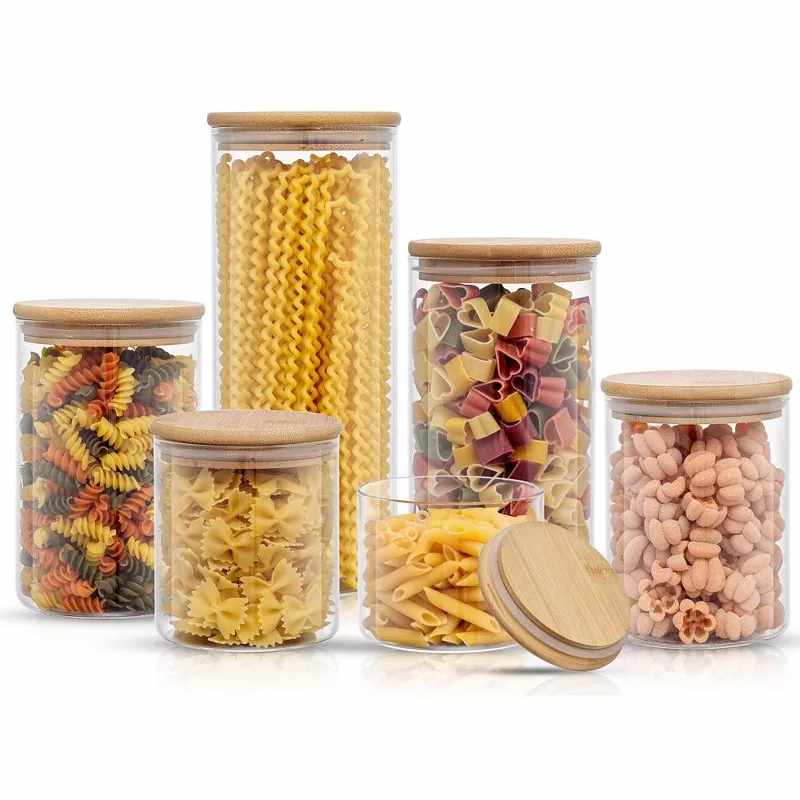
These jars blend style with practical storage solutions. Their airtight bamboo lids (complete with BPA-free silicone seals) ensure freshness, while the durable glass construction is dishwasher-safe—less hassle for you! The set includes six sizes: 5.5 oz (3.53” tall), 21.5 oz (4.54” tall), 28.5 oz (5.34” tall), 31.5 oz (6.27” tall), 39.5 oz (7.75” tall), and 54 oz (10” tall).
4. Duplicate or Bulk Purchases

A neatly organized and uncluttered pantry with easy visibility
Your pantry can serve as a great storage area for back-stock items, but knowing how to manage bulk purchases is crucial for tracking what you have. If you’ve bought too much and items are nearing expiration, consider donating them rather than letting them spoil. Tina Priestly, home refresh expert and CEO of Ready, Set, REFRESH, advises:
‘If you come across multiple partially-used items, combine them into airtight containers and label them with expiration dates. This is an effective way to minimize pantry clutter and simplify future organization.’
Michelle Urban, a professional home organizer and founder of The Organized House, adds, ‘Consider mounting a Ubrands Contempo magnetic dry erase board, available at Target on your fridge or maintain a digital spreadsheet of your inventory. This will transform your shopping habits and help you keep track of supplies. Update it when you deplete items or after a bulk purchase to know exactly what you have, preventing unnecessary buying and ensuring you never run low on essentials.’
5. Herbs and Spices That Have Lost Their Aroma
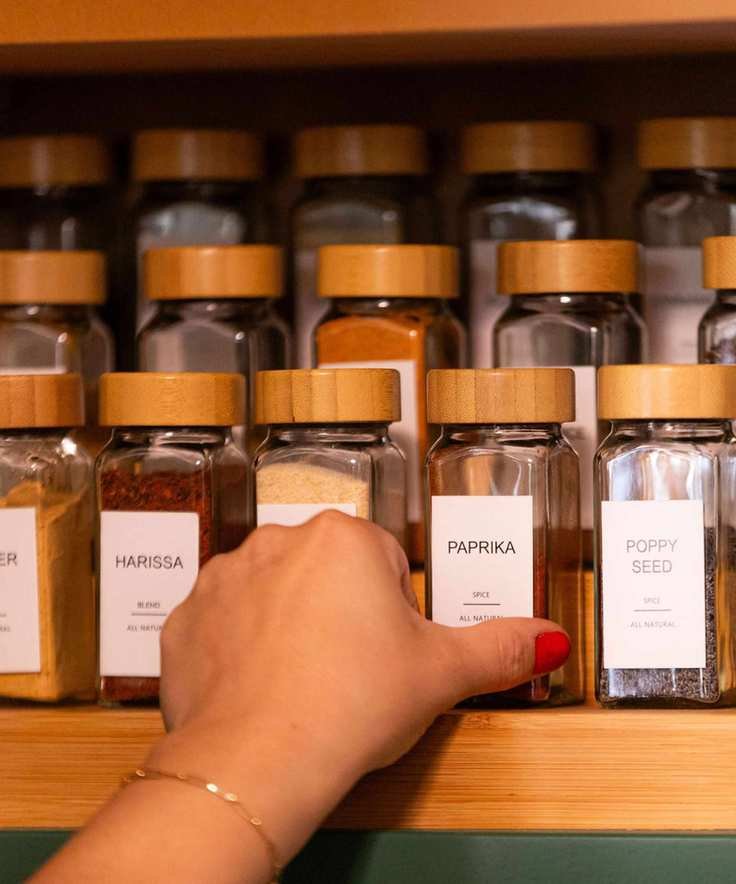
Herbs and spices stored in airtight containers retain their smell the longest
If you can’t recall the last time you used a spice, it’s likely lost its potency. A quick sniff test is all it takes—if it lacks a strong scent, it’s time to toss it, advises Meaghan.
'Proper organization of your spices can help them last longer. Label each jar with the date it was opened and store them in a dark place away from heat. Transfer them into clear glass jars and utilize a drawer organizer or spice rack for easy access.
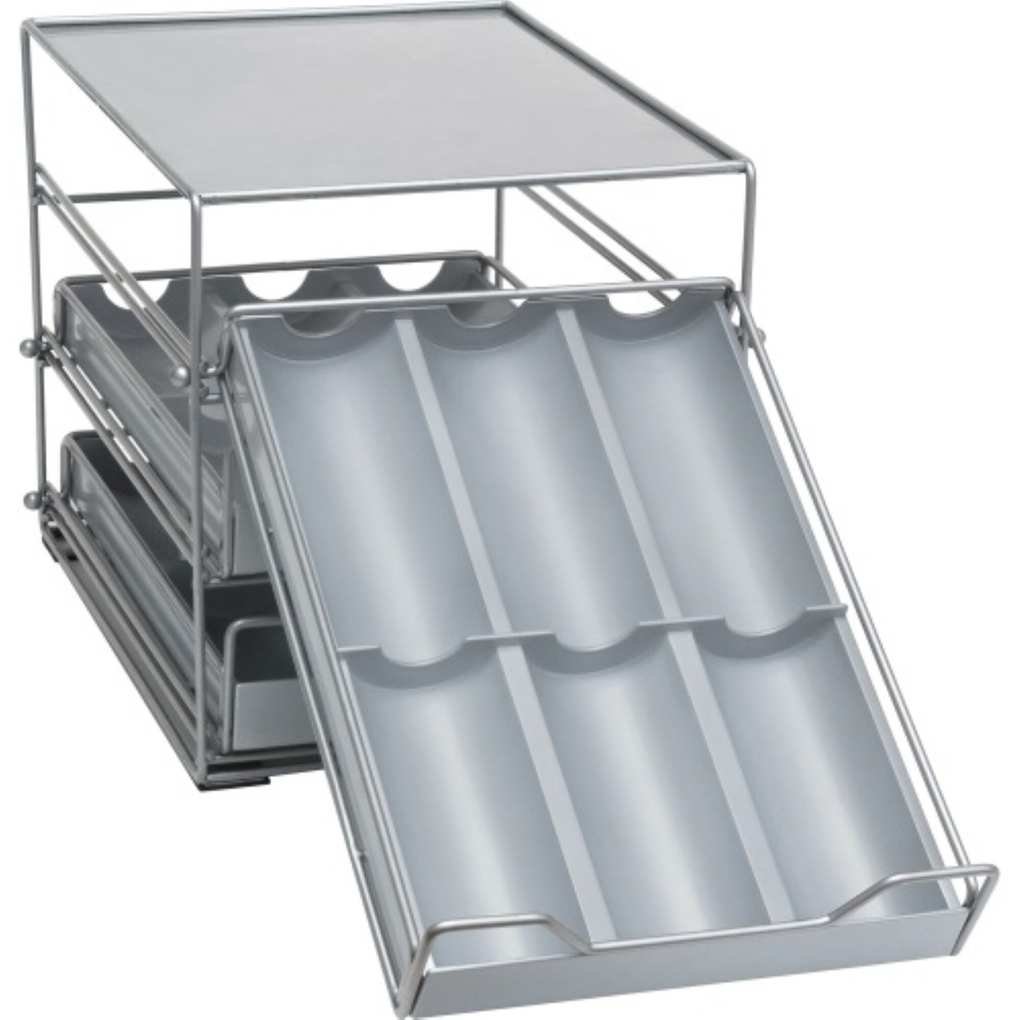
This cleverly-designed spice rack features three pull-out shelves that can tilt down for easy access. There's slots for up to 18 jars (measuring 4.25") as well as extra surface space on top. It's freestanding and comes fully assembled, so you can pop it straight into your kitchen cabinet for easy organization.
6. Ineffective Organizers
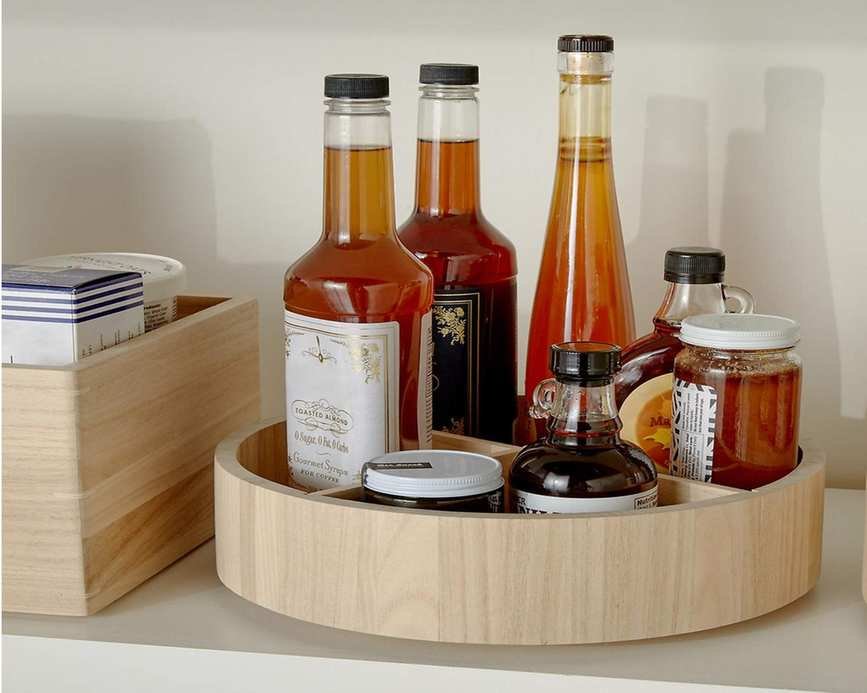
Turntables are a brilliantly effective pantry organizer and worth keeping as you can see and access what you needed without having to remove everything in front
While pantry organizers are meant to simplify your life, if they aren’t serving their purpose, it’s time for a reassessment.
'Too often, we purchase storage solutions that aren’t necessary or don’t meet our needs. Take the time to evaluate which bins, baskets, risers, and turntables enhance your pantry organization, and remove the rest. You don’t have to discard them; see if they can be repurposed elsewhere, such as organizing under the kitchen sink,' suggests Lauren.
7. Worn or Discolored Containers
Food storage containers also have a lifespan. If it’s been a while since you’ve checked your collection, now is the time. Generally, they should last around five years, but if they appear worn, you need to let them go—not just for aesthetic reasons but also for health considerations.
Home organization expert Julie Peak, founder of The Precise Place, notes, 'When organizing Tupperware, keep an eye out for stains, warping, or cracks. If you see any, do not store or reheat food in them, as harmful chemicals may leach into your food.'
'Consider switching to a smaller set of glass jars or BPA-free containers [we recommend the stackable Rubbermaid Brilliance Food Storage Containers, available at Amazon, which have 4.7 stars and high customer ratings] for a safer, more environmentally-friendly option that also saves on shelf space.'
8. Trash
From discarded wrappers and bits of foil to crumbs and stale coffee grounds, trash accumulates quickly in pantries. While we regularly clean our kitchens, it’s vital to pest-proof your pantry by cleaning it just as often. 'I find it helpful to have a trash and recycling bin nearby for immediate disposal, or you can schedule regular clean-outs weekly,' suggests Meaghan.
Any items that aren't full trash but don't belong in the pantry (like take-out menus, old dish towels, or reusable bags) should be relocated to their rightful places.
By clearing out these eight items, you’ll significantly enhance both the functionality and appearance of your pantry. Understanding why your pantry becomes cluttered and taking the necessary steps to address it is key to maintaining a neat and organized space.