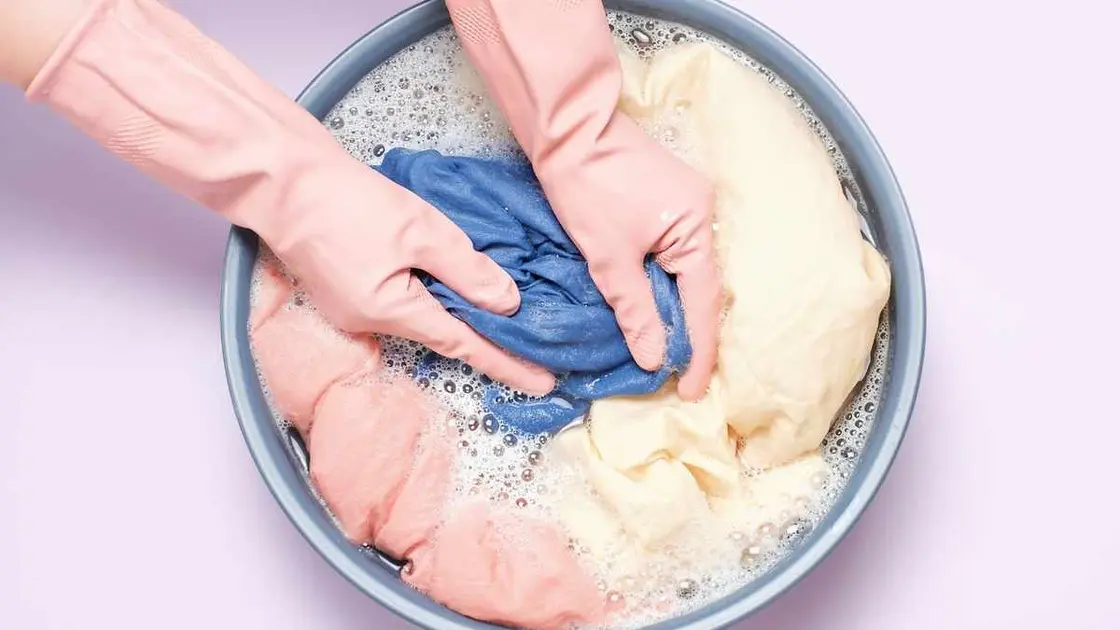
Handwashing is a gentle and effective method for cleaning delicate garments, but it's easy to make mistakes that could harm your clothes.
Experts highlight frequent handwashing errors and offer tips on how to prevent them.
By understanding how to properly handwash garments and recognizing common pitfalls, you'll ensure your items remain in pristine condition.
1. Neglecting to pre-treat

Ignoring stains before washing complicates their removal.
Steve Evans, owner of Memphis Maids, advises against scrubbing immediately, especially on stained areas. Scrubbing can damage the fabric and waste your efforts. Instead, treat any stains with a stain remover or laundry detergent before soaking.
Apply a gentle stain remover or diluted detergent to affected spots and let it sit for a few minutes before washing.
Explore our guide on essential stain removal techniques.
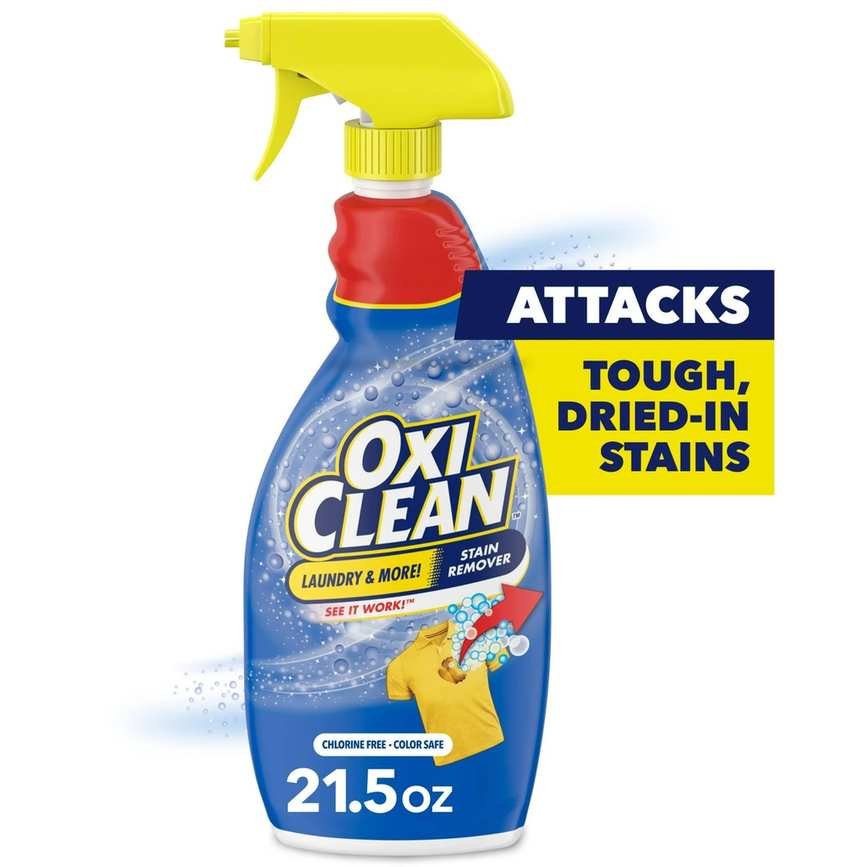 Chlorine-free
Oxiclean Laundry Spot Stain Remover Spray
This stain remover is chlorine-free and safe for most fabrics, effectively tackling stains like wine, coffee, and grass without heavy scrubbing, making it ideal for delicate materials.
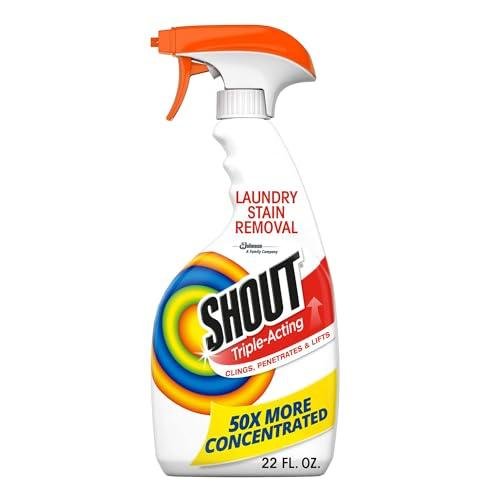 Triple-acting
Shout Active Enzyme Laundry Stain Remover
This effective spray's formula penetrates and lifts various everyday stains, allowing for soaking and cleaning even a week later. It's safe for all colorfast items and works well in any water temperature.
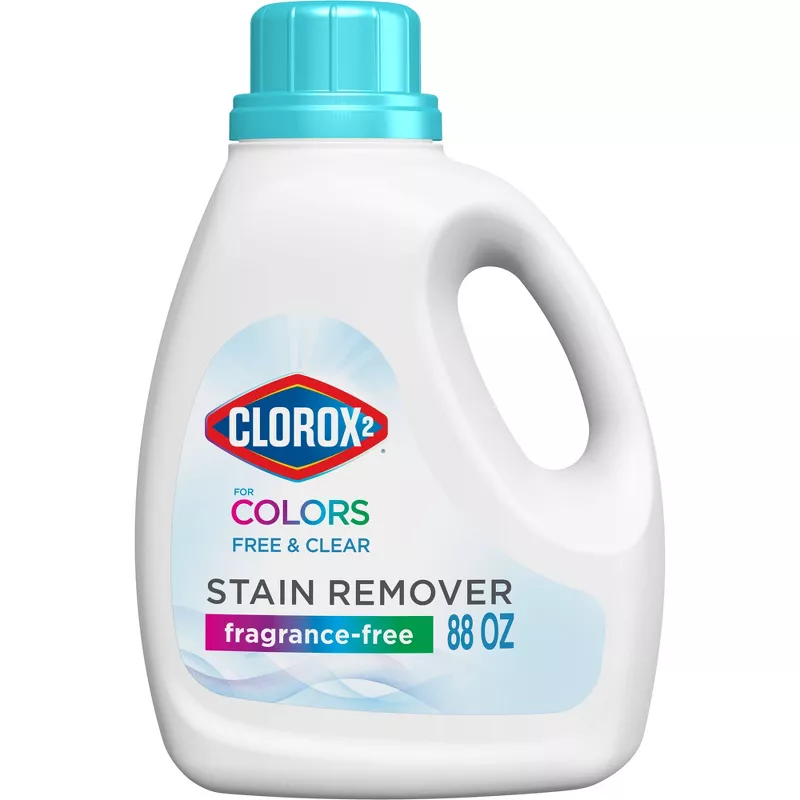 Fragrance-free
Clorox 2 Free & Clear Stain Remover for Colors
Designed to tackle stubborn stains and brighten colors, this powerful formula is free of dyes, bleach, and ammonia, making it a safe choice for your family's clothing.
2. Skipping the soak

Soaking loosens dirt and oils, facilitating easier washing.
Karina Toner, operations manager at Spekless Cleaning, states that skipping the soak can leave stains or odors embedded in the fabric. A quick wash without soaking may not effectively eliminate all grime or smells.
Allow items to soak in soapy water for 10-15 minutes before gently agitating. For stubborn areas, use a soft brush or your fingers to scrub lightly.
Toner recommends the Muchfun Durable Honeycomb Mesh Laundry Bags from Amazon, noting that this mesh bag is perfect for soaking, allowing detergent to work effectively on stains without risking damage during scrubbing.
A collapsible wash bowl is handy for soaking laundry without taking up much space. Use it when needed, then collapse for easy storage.
3. Using hot water

Hot water may shrink or warp delicate fabrics.
Toner warns that hot water can harm delicate materials like silk, lace, or wool, causing colors to fade or bleed.
Always opt for cold or lukewarm water for delicate items. Cold water is gentler and helps maintain fabric integrity and color.
Toner uses Woolite Delicates Laundry Detergent, available from Amazon, which is specially formulated for cold water and delicate fabrics.
Check out these seven items you should never wash in hot water.
This space-saving drying rack folds away when not in use, allowing for gentle air drying of your handwashed delicates.
4. Over-scrubbing
While handwashing, it's easy to think that vigorous scrubbing speeds up stain removal, but it can actually damage delicate fibers and wear out fabrics. Excessive scrubbing may cause pilling, fading, or tearing.
Instead, gently massage the fabric using your fingertips or a soft brush for tougher materials. For stains, allow the item to soak longer to loosen dirt without rough scrubbing. Applying a gentle stain remover can also assist in lifting marks.
Always handle fabrics with care to keep them looking great and lasting longer.
You can use these soft silicone cleaning brushes to gently scrub your handwash items.
5. Using excessive detergent

It's tempting to use a lot of detergent, but this can leave residues behind.
Toner explains that too much detergent may leave clothes feeling stiff, dull, or even irritate skin. It also necessitates extra rinsing, which can strain fabric fibers.
Use only a small amount of detergent, about a teaspoon for a small basin. For especially delicate items, rinse thoroughly with fresh water.
Toner recommends Eucalan No Rinse Delicate Wash from Amazon, which has a high customer satisfaction rating. This no-rinse formula simplifies handwashing by reducing the need for extensive rinsing, minimizing wear on fabrics.
6. Using a small wash basin
A cramped washing area can lead to overcrowding, making clothes harder to clean.
Evans points out that your bowl should be spacious enough to accommodate your items, allowing you to turn, wring, and scrub them properly. For larger items like towels or covers, a standard sink may not suffice—you might need to use your bathtub.
Check out our three-step method for washing wool.
7. Rushing the rinse
When in a hurry, it's common to rinse fabrics briefly, but failing to remove detergent can lead to stiffness, discoloration, and skin irritation. Rushing this step may leave a soapy residue on fibers, resulting in a rough feel instead of clean softness.
Use cool water for rinsing and gently move the fabric to ensure complete soap removal. Refresh rinse water as needed until clear and free of suds. For delicate fabrics, gently press out excess water between rinses to keep them soft.
Taking your time during this stage leaves your clothes feeling fresh and residue-free.
8. Wringing out clothes
Twisting garments to eliminate water can distort delicate fabrics.
Evans mentions that wringing out items like wool or silk is a common error when handwashing. This action can weaken or damage the fibers.
Instead, place your items in a towel, roll it up, and gently squeeze. Repeat this a few times before hanging them to dry.
The BOGI Store Microfiber Quick Dry Towel from Amazon is great for its absorbency and works well for workouts or post-shower drying.
9. Incorrect drying methods

Hanging wet garments can stretch them, while direct heat can cause shrinkage.
Toner warns that improper drying techniques can lead to mildew, shrinkage, or damage. Hanging certain fabrics may stretch them, while drying in direct sunlight can lead to color fading.
Instead, lay delicate items flat to dry on a rack or clean towel indoors, away from direct sunlight. Reshape structured items while damp. Alternatively, consider a rack like this Amazon Basics Foldable Clothes Drying Rack, which offers gentle drying for delicate fabrics without risking stretching or exposure to sunlight.
Common Questions
Is it okay to handwash wool?
Yes, wool can be handwashed, but it requires special attention to avoid shrinking. Use cool water and a wool-safe detergent, and refrain from agitating or twisting the fabric. Gently press out excess water, then lay the item flat to dry to maintain its shape.
Can I handwash items labeled 'dry clean only'?
Although 'dry clean only' labels suggest professional care is best, some fabrics like silk or linen can be handwashed with caution. Use mild detergent and cool water, avoiding wringing or scrubbing. For expensive or complex fabrics, it's safer to go to a dry cleaner.
How often should I handwash delicate items?
Handwash delicate items after two to three wears to prevent oil and odor buildup, or sooner if visibly dirty. Regular cleaning keeps delicate fabrics looking good without straining the fibers. Quick, frequent washes also simplify stain removal without excessive scrubbing.
So there you have it—nine handwashing blunders and how to avoid them. Handwashing requires care and patience, but using the right techniques will keep your clothes looking fresh and well-maintained.
Next, explore these habits of laundry pros.