
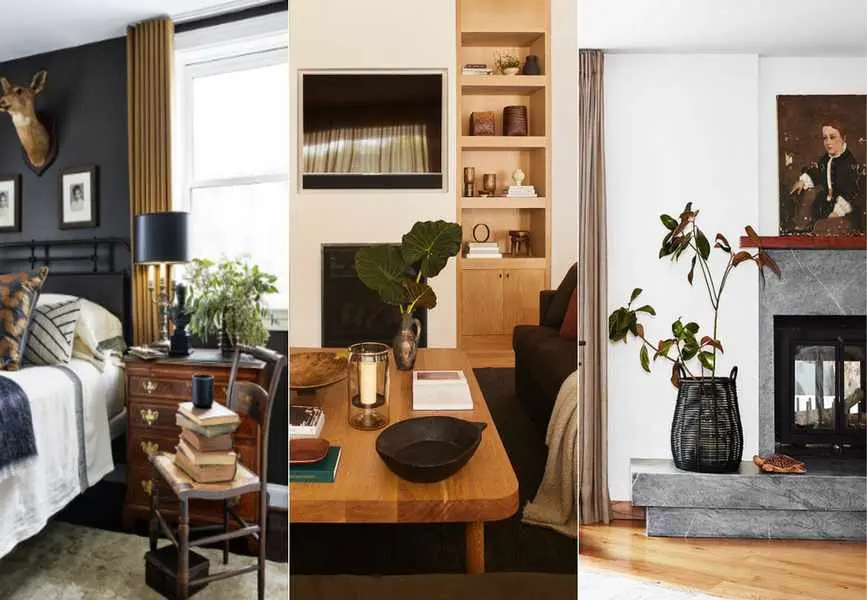
Interior design goes beyond aesthetics; it profoundly influences our mental well-being. Elements like color, layout, and materials shape our daily experiences, making it essential to prioritize comfort and happiness when designing a space.
We consulted nine talented interior designers who focus on enhancing their clients' moods through innovative design. Here's how they create uplifting environments that inspire joy every day.
Designing with Well-Being at the Forefront
Fostering well-being throughout your home requires thoughtful consideration in every room. Here are some key strategies designers use to craft joyful spaces.
1. Comfort is Key
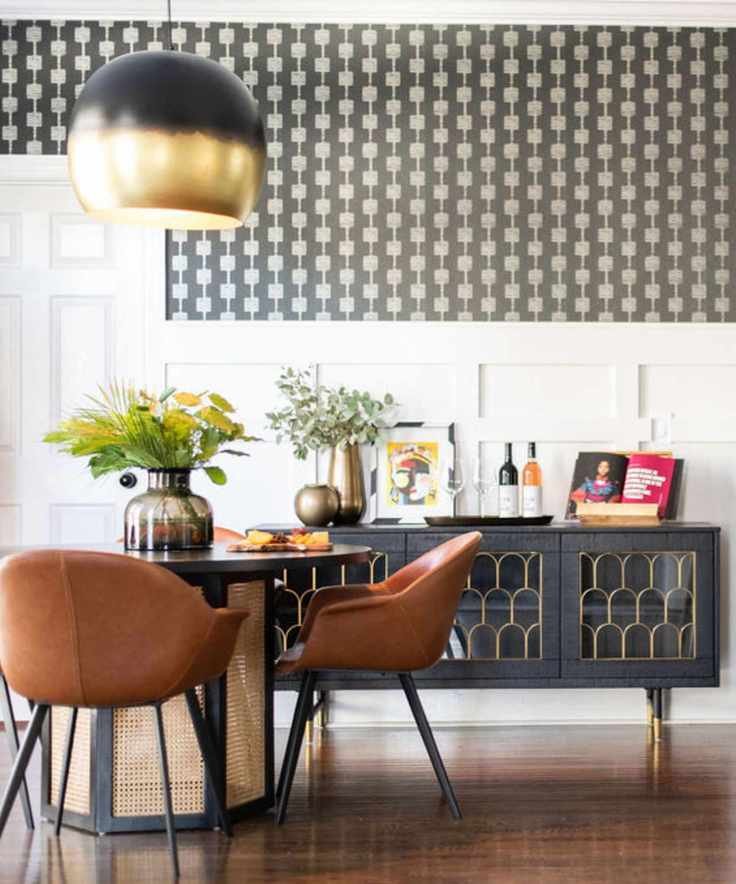
Marie Cloud, the principal designer at Indigo Pruitt Design Studio, emphasizes that designs promoting happiness are timeless. She incorporates natural light and organic materials, and opts for calming color palettes to create spaces that are both beautiful and nurturing. Ergonomic furniture and personalized touches make each room a unique reflection of its inhabitants.
Marie advocates for an ambiance that engages all five senses, blending light, texture, and scent to enhance emotional well-being.

Marie Cloud is the Owner and Principal Designer of Indigo Pruitt Design Studio, a full-service firm in Charlotte, North Carolina.
2. Consider Daily Routines
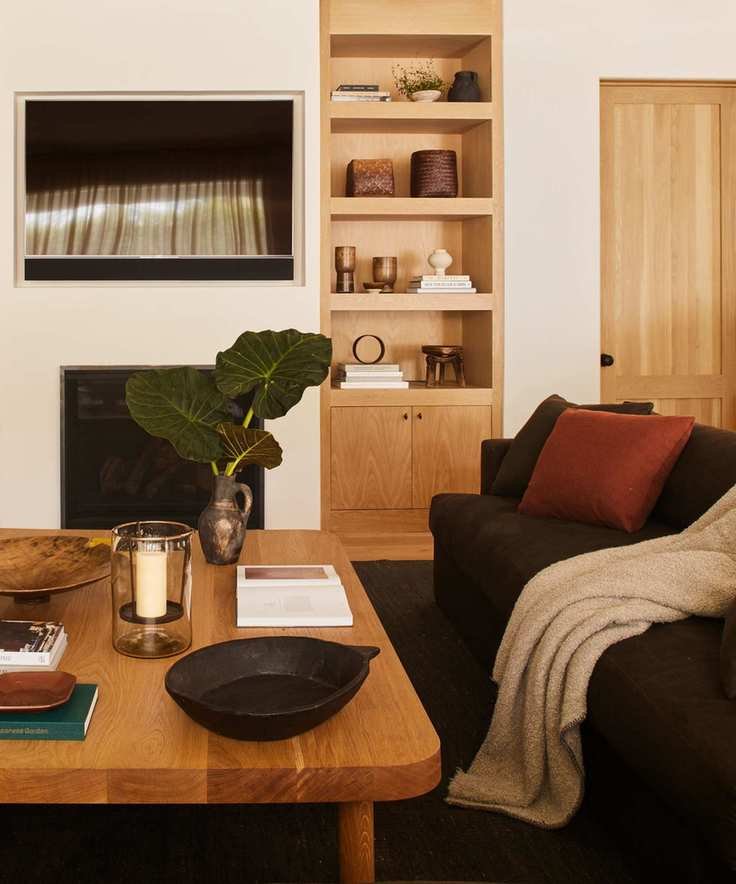
Creating spaces that accommodate everyday activities is crucial for happiness at home. Lexie Sokolow from STUDIO LIFE / STYLE suggests starting each project with a walk-through to understand clients' lifestyles, habits, and rituals.
By gathering insights on space usage and aesthetics, they ensure the design is both stunning and practical, integrating cherished personal items with new elements to create a cohesive narrative.
3. Embrace Nature
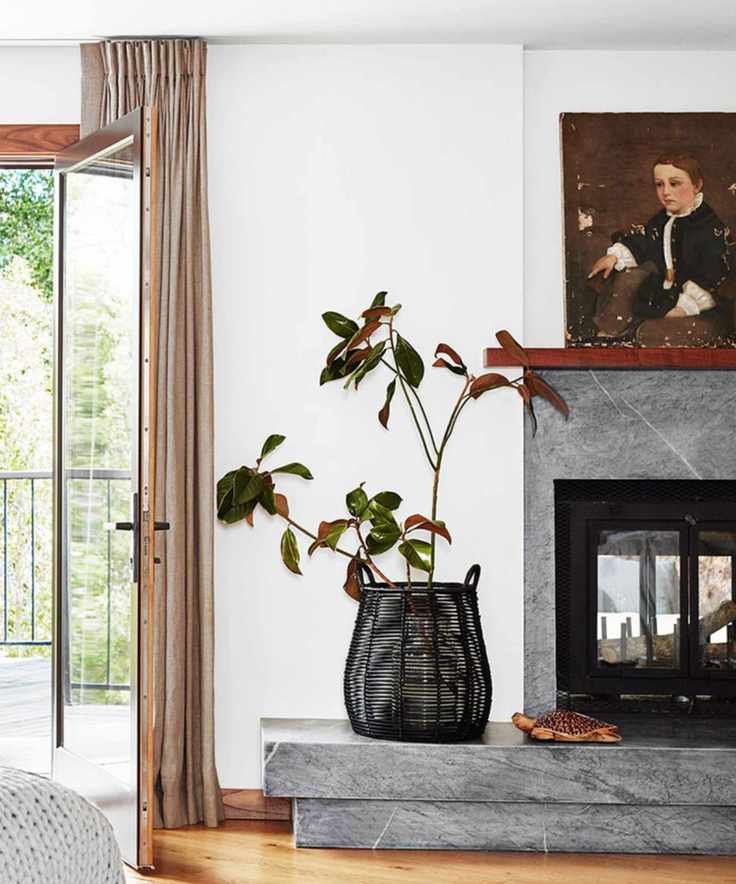
Bringing the outdoors inside can uplift spirits. Lisa Staprans, founder of Staprans Design, designs spaces that connect with nature, featuring expansive views and natural materials. She highlights the importance of soft textures and earthy hues to create serene retreats that promote relaxation.
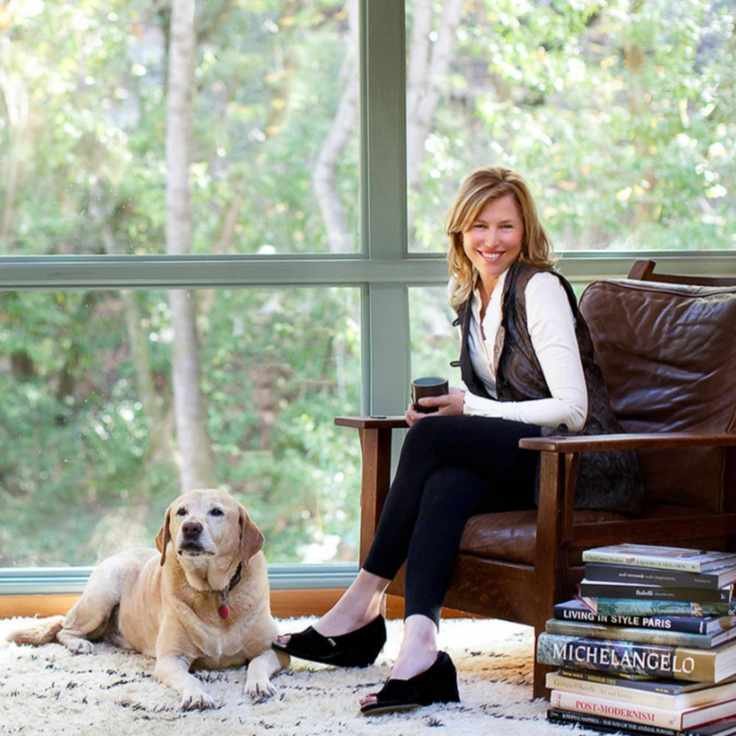
Lisa Staprans is the founder of Staprans Design, a Bay Area-based design firm.
4. Understand the Purpose
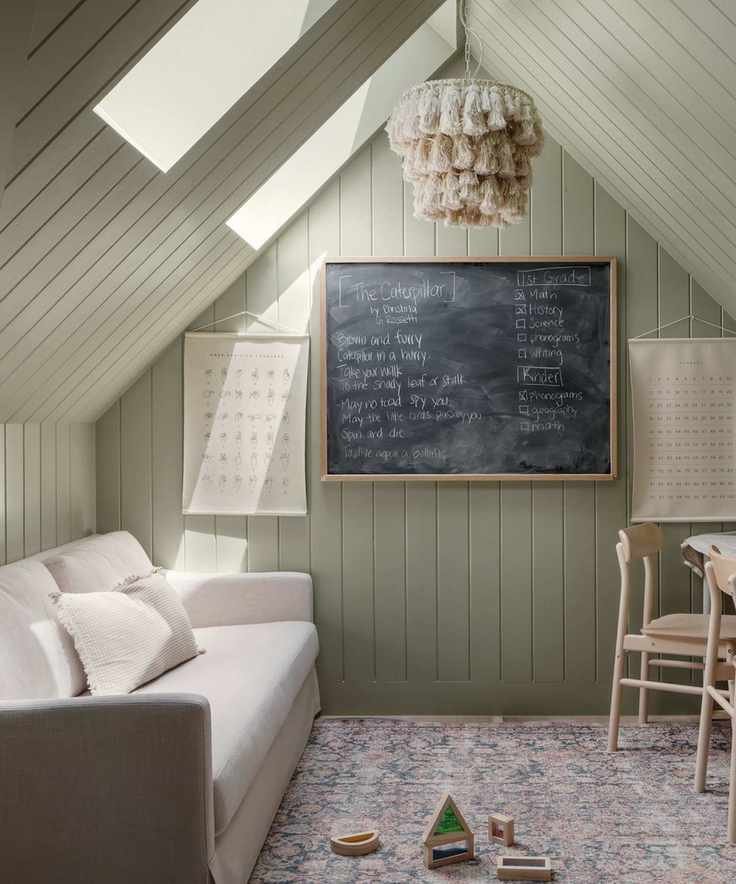
Lauren Williamson of Cedar & Oak emphasizes the significance of understanding why we design homes to enhance well-being. A home should foster connection and provide comfort amidst chaos. Thoughtful design choices, from entryways to functional spaces, create a warm environment for families.
Lauren encourages designing practical areas, like mudrooms that withstand wear while remaining inviting, ensuring that every space serves a purpose.

Lauren Williamson is the Creative Director of Cedar & Oak, a full-service design studio in Central Texas.
5. Prioritize Thoughtful Lighting
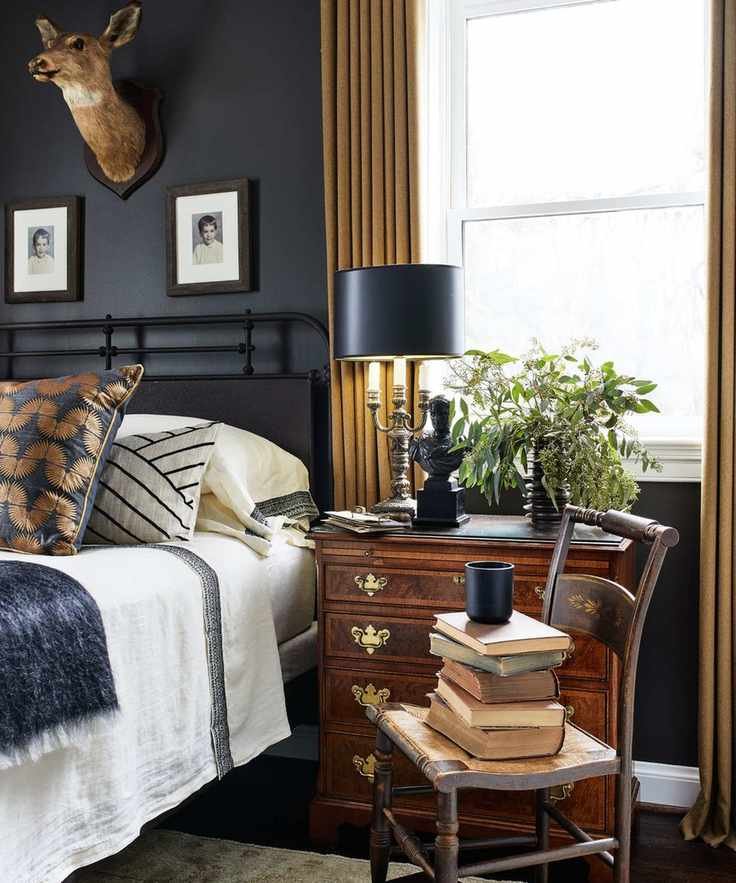
Paul Corrie of Paul Corrie Interiors states that well-planned lighting greatly influences mood. He recommends utilizing diverse light sources to accommodate different needs throughout the day, ensuring a blend of ambiance and functionality.
The right lighting can transform a space, enhancing comfort and emotional response, making it vital for every room.

Paul Corrie is an interior designer and the founder of Paul Corrie Interiors, a boutique design firm in Washington, D.C.
6. Use Organic Colors and Textures
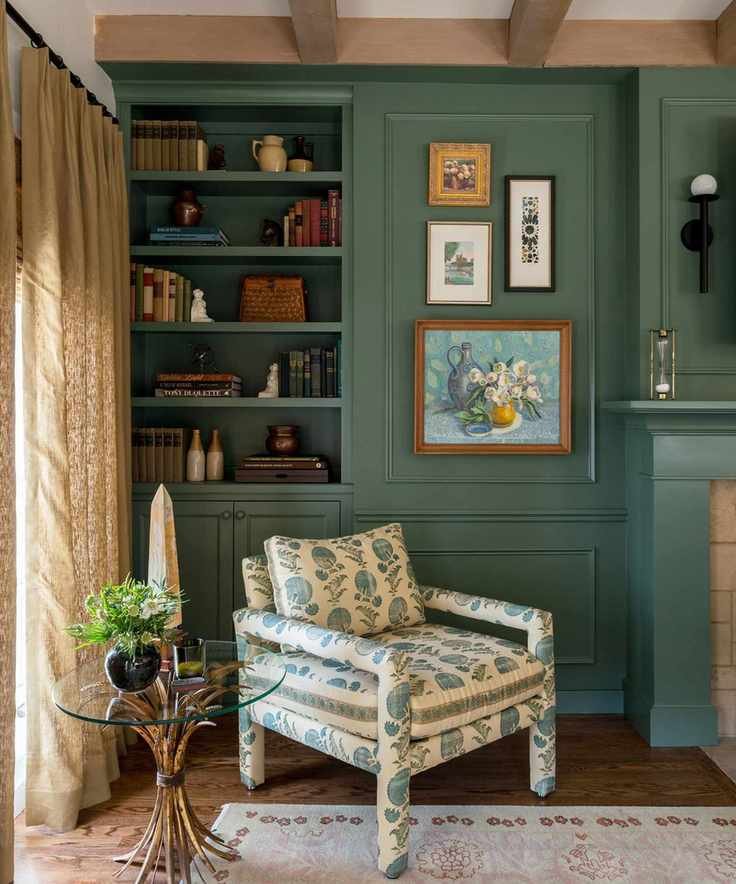
Lauren Lothrop Caron from Studio Laloc highlights the importance of color and texture for emotional comfort. She prioritizes warm, natural colors and soft materials to create inviting spaces that resonate with clients.
Incorporating timeless furniture and organic patterns fosters a welcoming environment, enhancing overall well-being.

Lauren Lothrop Caron is the founder of Studio Laloc, an interior design and architecture studio in New York City and Seattle.
7. Align Space with Intentions
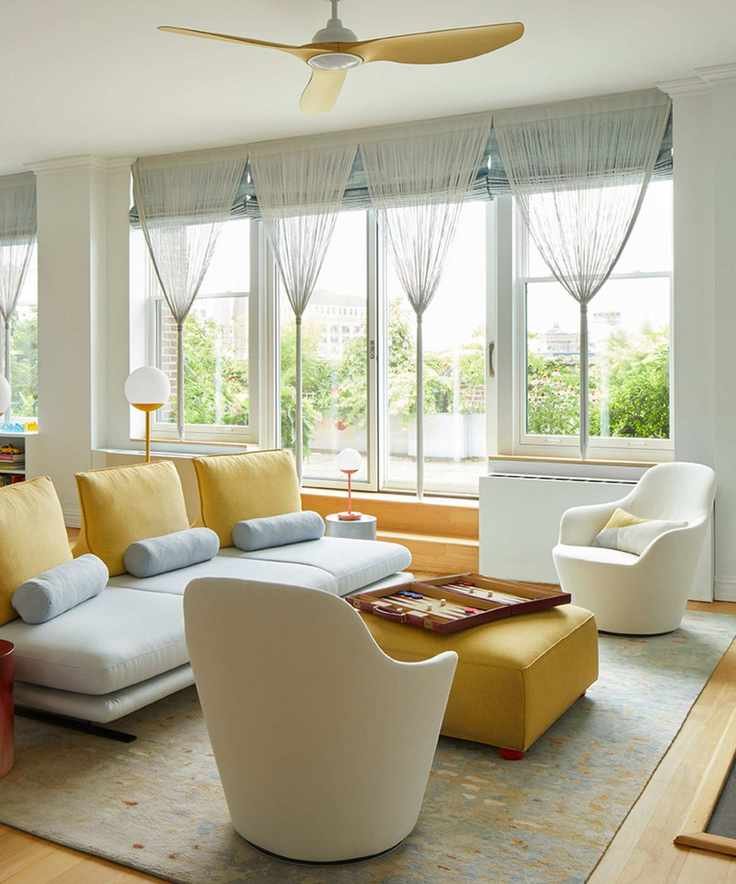
Tobi Wright of InsideWright believes that design should reflect clients' aspirations. For instance, by channeling a beach atmosphere through colors and shapes, she creates spaces that resonate with desired lifestyles.
This thoughtful alignment can lead to deeper satisfaction, helping clients realize their dreams.

Tobi Wright is the Principal Designer of InsideWright, a design studio in New York City.
8. Highlight Personal Touches
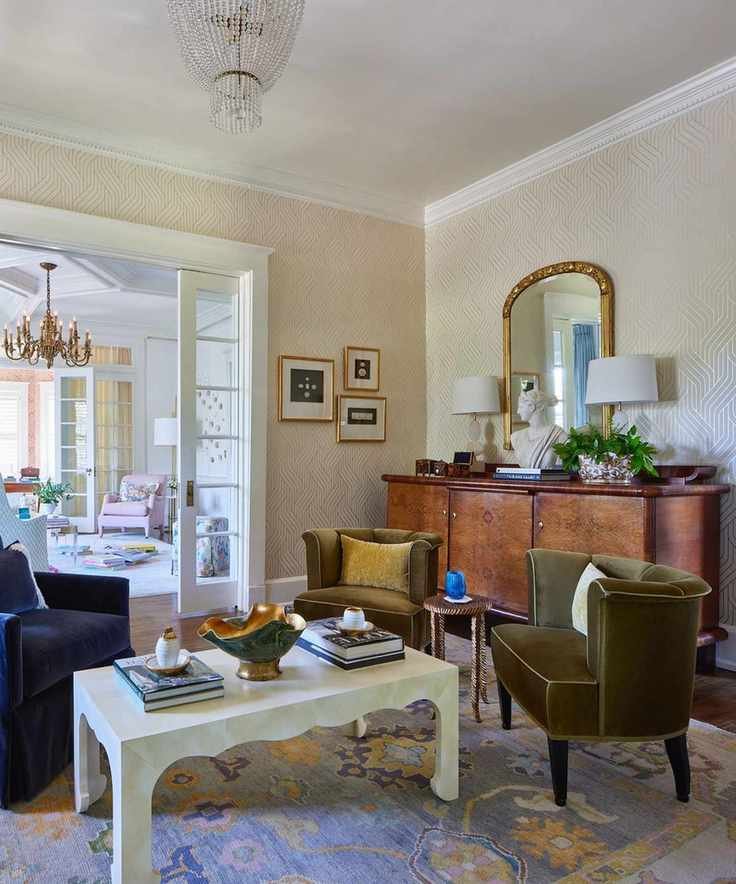
Surrounding yourself with meaningful items can elevate your home. Lauren Robbins, lead designer at Lauren Robbins Interiors, suggests incorporating personal treasures and art to evoke joy and connection.
These elements not only beautify a space but also create a sense of belonging.
Lauren Robbins is the Founder and Lead Designer of Lauren Robbins Interiors, a residential design studio in Georgia.
9. Use Wallpaper to Make a Statement
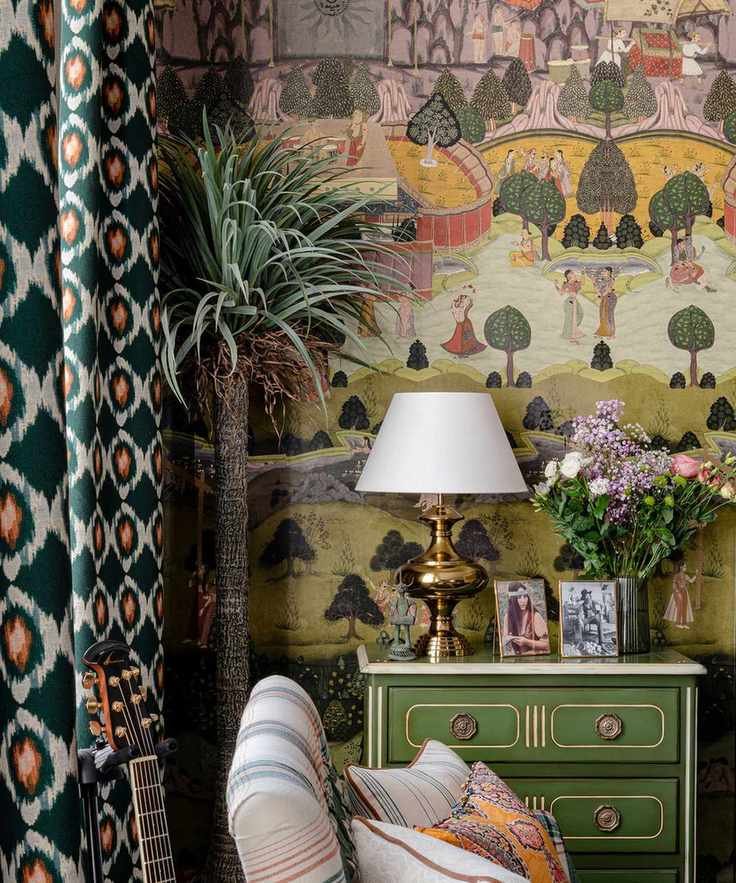
Thoughtfully chosen wallpaper can enhance a room's atmosphere. Tanya Stone, founder of Tanya Stone Interiors, uses wallpaper to add character and vibrancy, transforming spaces with minimal clutter.
Its ability to evoke emotions and add charm makes wallpaper a powerful design tool.
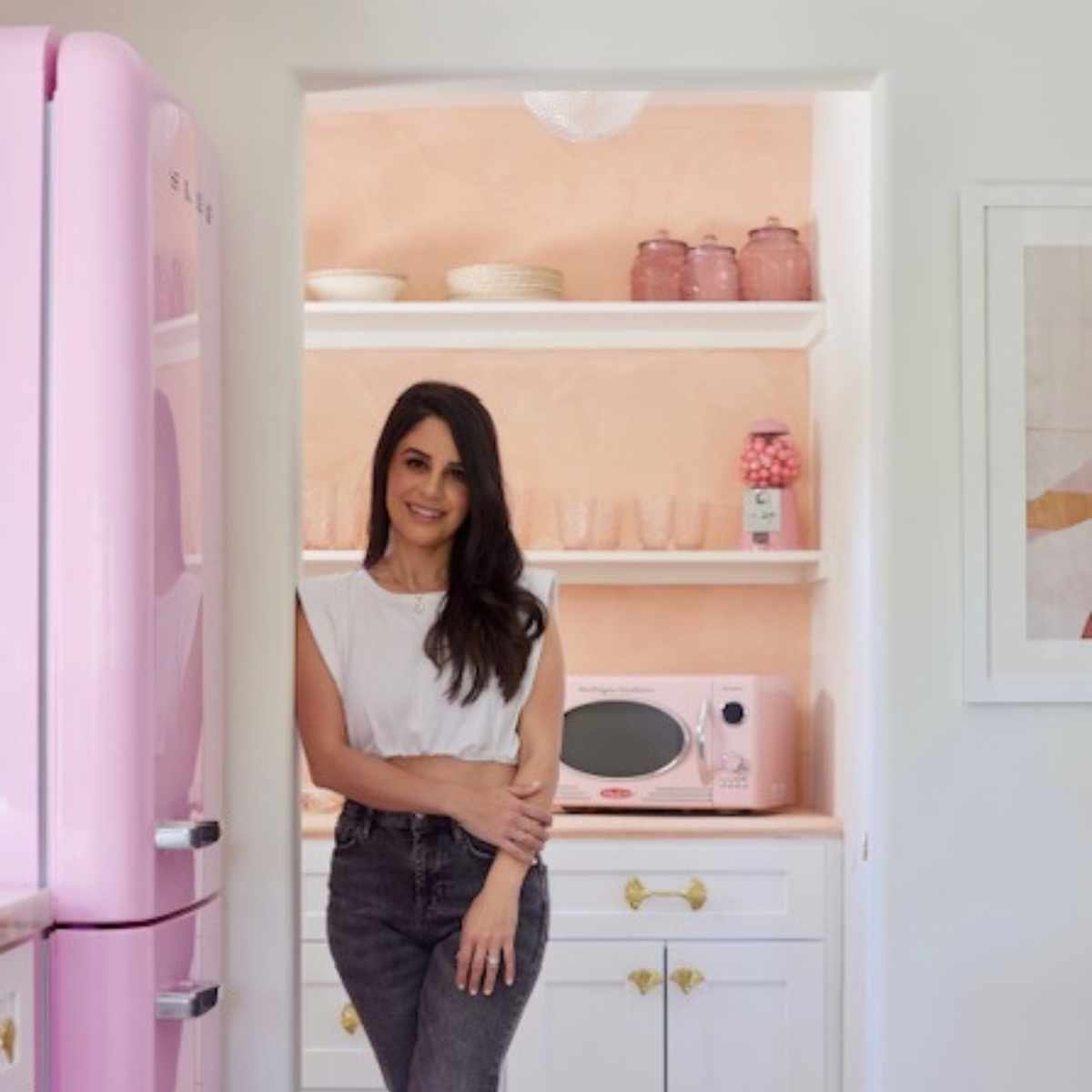
Tanya Stone is the founder and principal designer of Tanya Stone Interiors, a firm specializing in residential and commercial design.
When renovating or refreshing your space, remember that your home should foster joy and comfort. By keeping your routines and personality at the forefront, you'll create an inviting haven you'll cherish.



