
If you have a snake plant in your indoor garden, knowing the right watering schedule is essential. Understanding how to properly water it ensures these striking plants stay healthy in your home.
Commonly called mother-in-law's tongue or sansevieria, snake plants thrive in sub-tropical regions. They prefer bright spaces but can tolerate low-light conditions. Their low care requirements make them ideal for beginners and busy individuals.
Even though they don't need frequent watering, it's important to be cautious. Overwatering can harm these plants, so establishing a proper routine is crucial for their longevity.
Snake plants are incredibly easy to care for
Watering Frequency for a Snake Plant
According to gardening expert John Negus, 'Since this plant stores water in its leaves, you don't have to keep the soil consistently wet. Water when the soil feels dry to the touch during the growing season; in winter, limit watering to about once a month.'
Houseplant guru Vladan Nikolic suggests using a chopstick to check soil moisture. 'Insert it gently to the pot's bottom. If it comes out clean and dry, it's time to water. If it has soil attached, wait a few more days before checking again.'
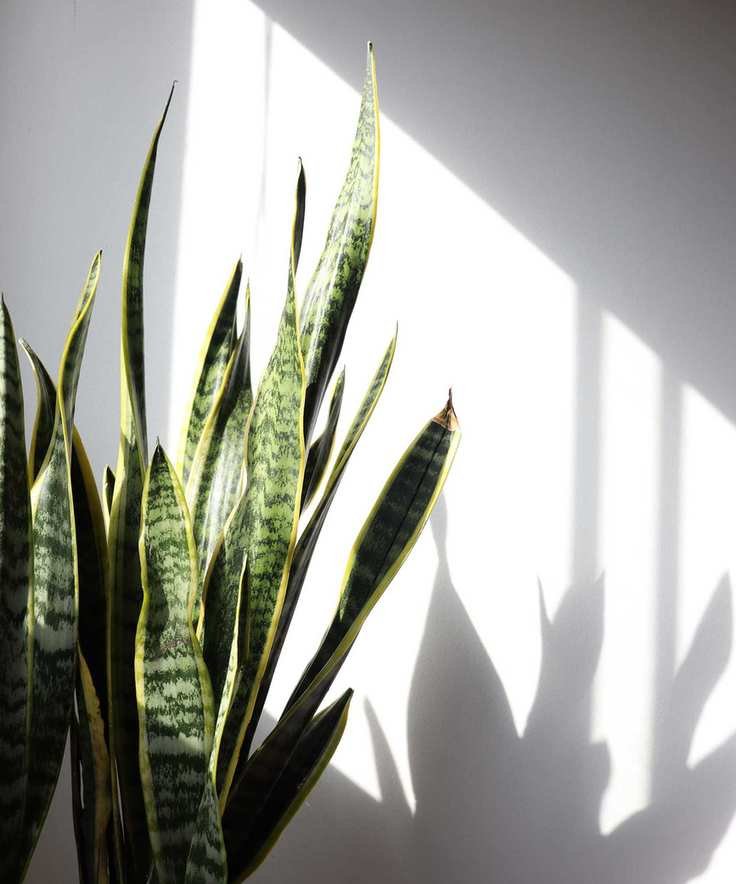
'Avoid overwatering, as it can lead to root rot,' warns John. Signs of overwatering include yellow leaves or curling foliage. Conversely, if the leaf tips appear brown and crispy, it's time for a drink.
After dividing my snake plant, I now have two that thrive on an east-facing windowsill. I typically water them about once a month, possibly more in peak summer. They don't mind occasional neglect; I've enjoyed them for six years! They're truly among the easiest houseplants to care for.

Water the soil, avoiding leaves to prevent rot
Effective Techniques for Watering a Snake Plant
Before watering, ensure your snake plant is in a pot with drainage holes to avoid soggy soil. The type of pot can influence watering needs, as Vladan explains. 'Terracotta pots absorb moisture, requiring more frequent watering, while glazed ceramic and plastic pots retain moisture, meaning less frequent watering is needed.'
Using a well-draining cactus and succulent mix (available on Amazon) is also recommended.
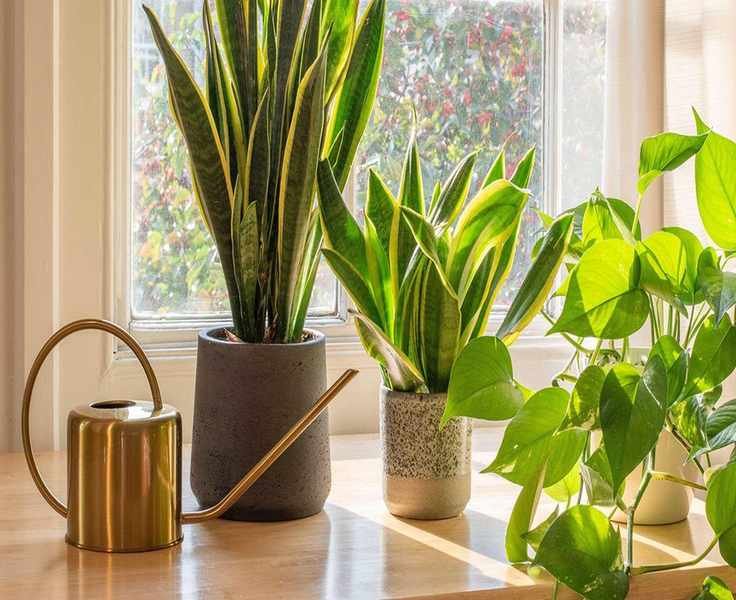
When watering, an indoor watering can, such as this copper-colored option from Amazon, works well with tepid water. Rainwater is preferable if available, as tap water often contains chemicals that can harm the plant. Water directly onto the soil and allow it to drain from the pot's base without wetting the leaves or letting water pool in the center.
Alternatively, you can place the pot in a tray of water for about ten minutes, allowing moisture to rise through the drainage holes into the soil.
In terms of humidity, John suggests average household humidity is adequate, but this plant can endure dry air and drafts. Like other succulents, avoid misting, as it can promote rot and mold.



