
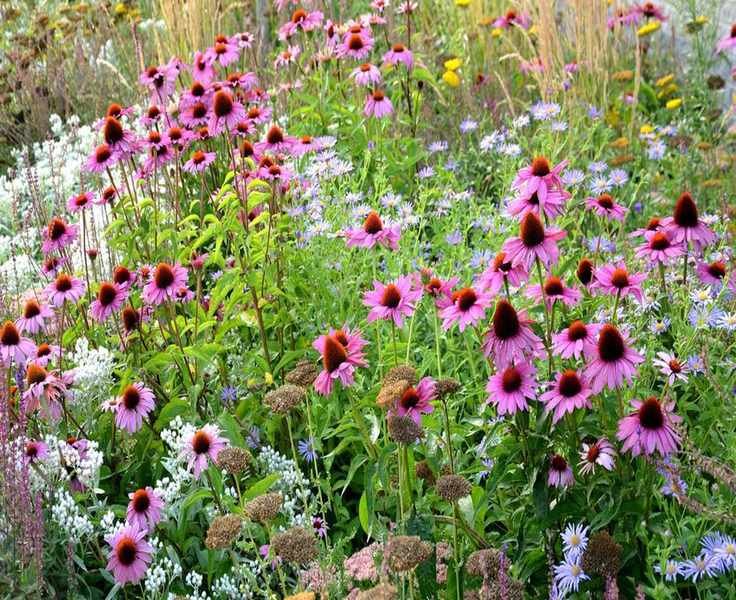
Selecting the right perennials to pair is crucial for a vibrant garden. When designing a border or flower bed, I visualize plants not individually but as harmonious pairs contributing to a larger arrangement. This approach simplifies the planning process.
Consider not just aesthetics but also practicality. The right location matters, and your chosen perennials must thrive together, whether in sun or shade. Pay attention to their mature height and spread to prevent overcrowding.
Choose plants that harmonize in color and seasonality, ensuring they bloom together and are compatible in growing zones. For a professional finish reminiscent of landscape gardens, follow our expert insights for selecting top-performing perennials.
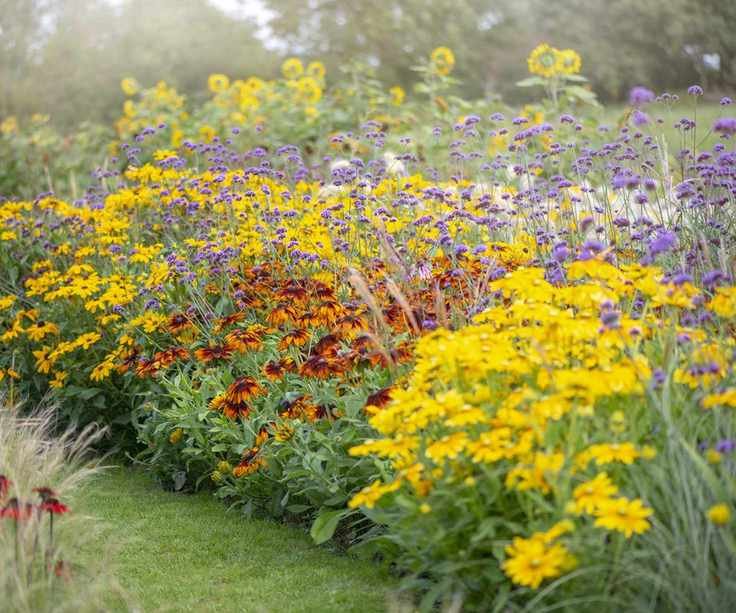
Transform your borders with harmonious perennials like verbena, coneflower, and black-eyed Susan.
8 Ideal Perennial Pairings for Your Garden
Incorporating long-blooming perennials is key to achieving low-maintenance, attractive borders. With so many options available, where do you begin?
A helpful strategy is to select two complementary varieties and plant them in groups of three or five. This densification obscures soil, giving your garden a professionally curated appearance.
1. Brighten Shady Areas with White Blossoms
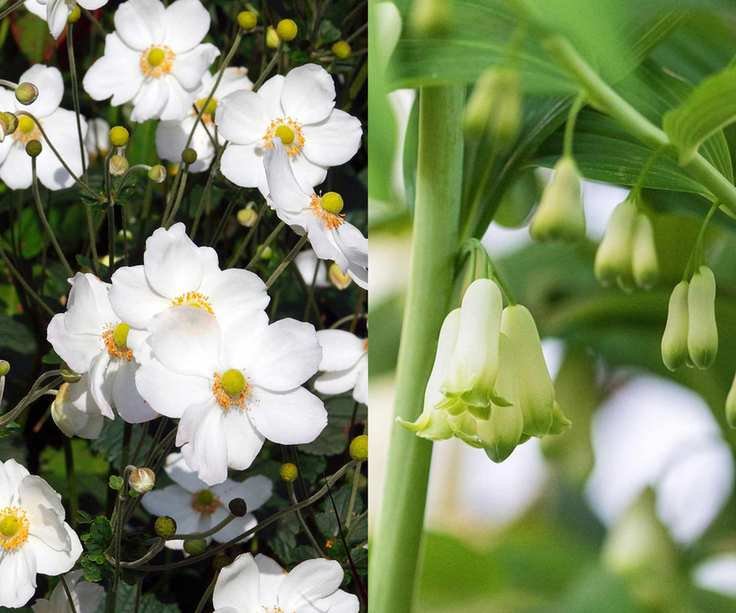
Enhance shady spots with Japanese anemone 'Honorine Jobert' and Solomon's seal for white blooms.
I often mix shade-loving perennials in my urban garden to illuminate darker spots. My top choice is the elegant Anemone 'Honorine Jobert' (hardiness zones 4-7), known for its stunning white flowers that emerge on tall stems, bringing brightness to shaded areas. It spreads nicely, intermingling with other plants. Learn how to propagate Japanese anemones for a more abundant display.
Another great companion for these anemones is Solomon's seal (hardiness zones 3-9), known for its arching leaves and creamy-white, bell-shaped blooms. This drought-tolerant plant thrives in both damp and dry shade.
2. Create a Pollinator-Friendly Duo
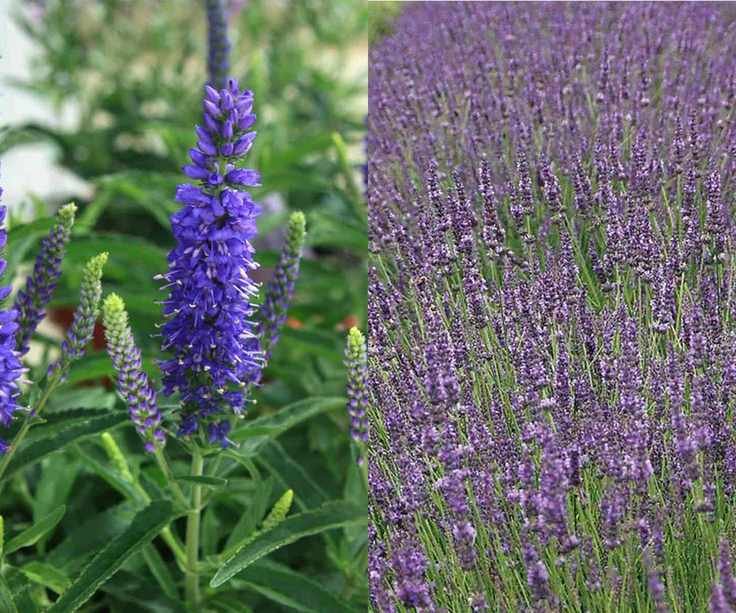
Pair Veronica 'Dark Blue Moody Blues' with Lavender 'Phenomenal' to attract pollinators.
I enjoy using deep blue-purple plants to attract pollinators. A winning combination is Lavender and Veronica, which share a visual connection through their purple flower spikes. 'Dark Blue Moody Blues'™ Veronica (hardiness zones 6a-9b) offers rich purple hues, while 'Phenomenal Lavender' (hardiness zones 5a-9b) adds lightness and fragrance with its silver foliage.
3. Pair Cool Foliage Plants for Hot Areas
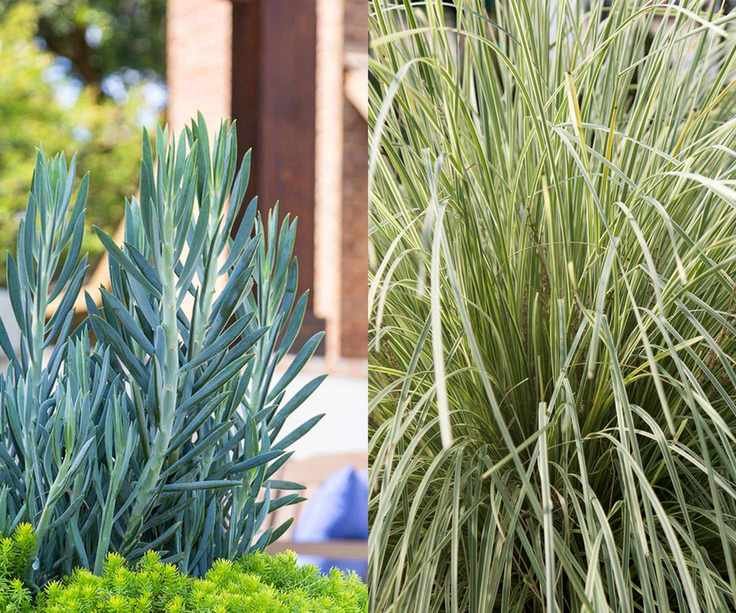
Foliage plants like Senecio 'Skyscraper' and Lomandra 'Platinum Beauty' add unique detail to gardens.
Every perennial garden benefits from low-maintenance foliage plants that provide year-round interest. The striking combinations of Senecio and Lomandra shine in hot, dry conditions. 'Skyscraper'® Senecio (hardiness zone 10a-11b) features icy blue hues, while 'Platinum Beauty'™ Lomandra (hardiness zone 9a-10b) boasts white-edged leaves. Together, they create a beautiful contrast in containers.
4. Embrace Colorful Cottage Garden Favorites
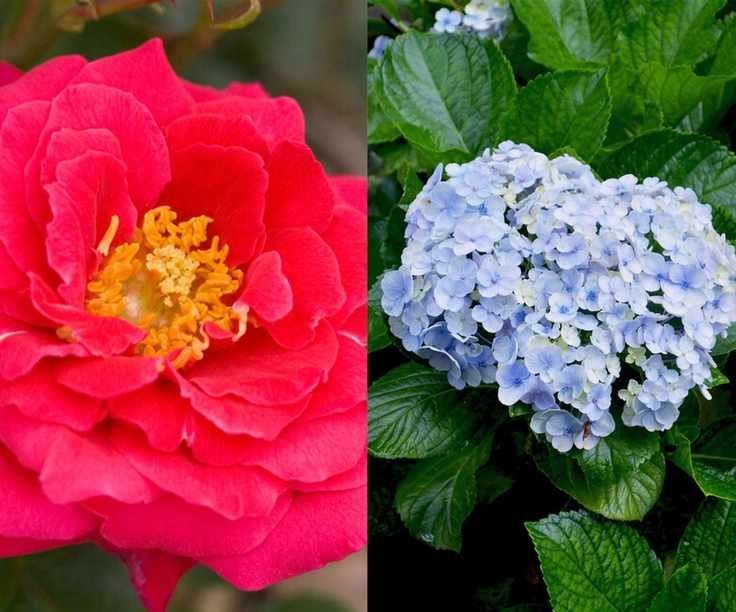
Combine Rose Easy Elegance 'My Girl' with 'Endless Summer' hydrangea for vibrant blooms.
Cottage gardens appear loose but require intentional plant choices, as noted by designer Ryan McEnaney. His suggested pairing of 'Endless Summer' hydrangeas and 'My Girl' roses (hardiness zone 4-9) provides a colorful foundation for any garden. The reblooming hydrangea offers color from summer to fall, complemented by the pink blooms of 'My Girl' roses.
5. Combine Bold Foliage Plants
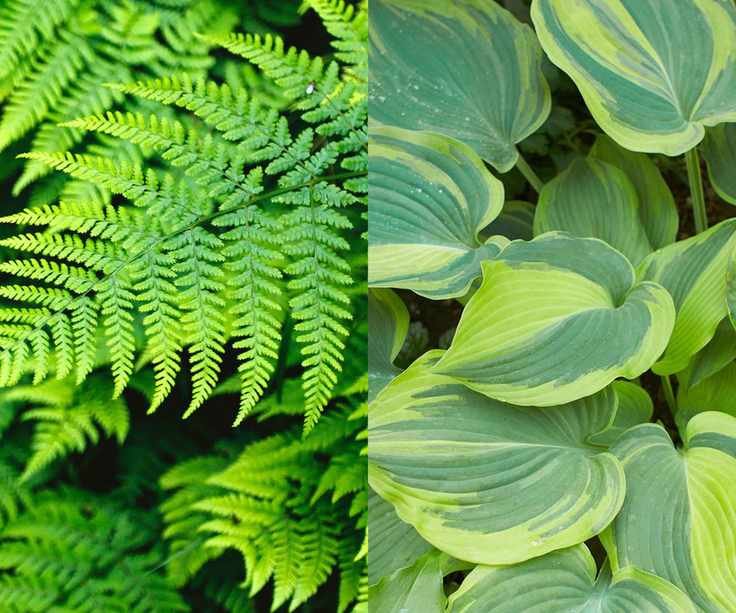
Hostas and ferns create a stunning contrast with their unique leaf shapes.
A favorite pairing of mine is hostas and ferns, which add drama to gardens with their striking foliage. Hostas (hardiness zone 3-9) bring heart-shaped leaves and delicate flowers, while ferns provide graceful fronds. I particularly enjoy the combination of variegated hostas with Japanese hakone grass 'All Gold'.
6. Explore Complementary Colors
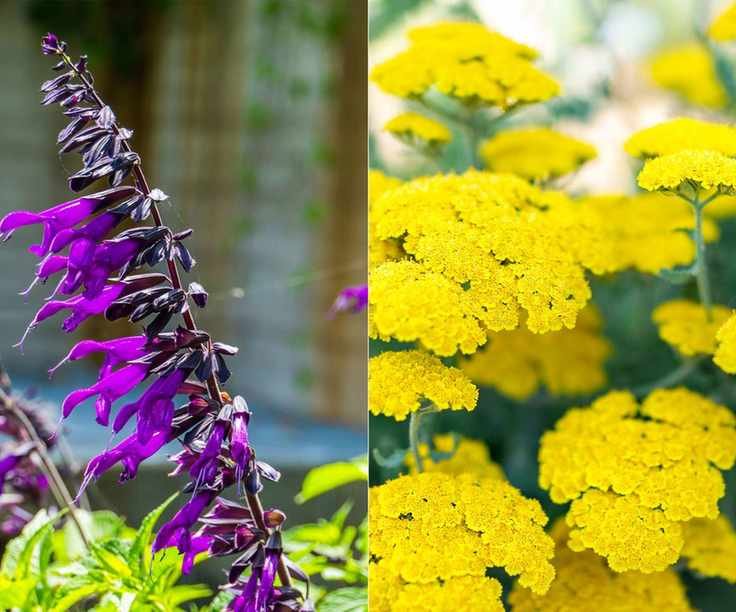
Yellow and violet create a striking contrast in the garden.
Initially hesitant about yellow flowers, I've grown fond of them, particularly the 'Moonshine' yarrow (hardiness zone 4a-8b). Its bright yellow blooms add vibrancy to my garden. Pairing it with deep purple Salvia 'Amistad' (hardiness zones 8a-11b) creates a dynamic color contrast, while both plants thrive with little care.
7. Cultivate a Cutting Garden
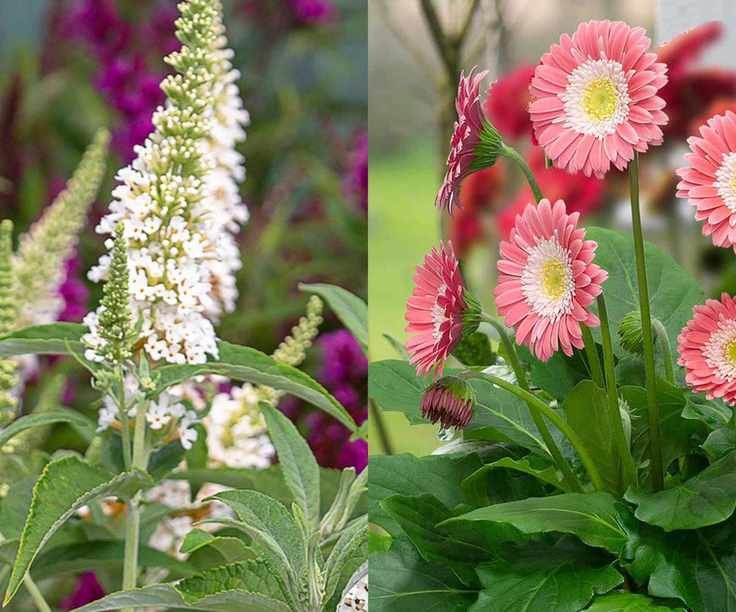
This lovely pastel combination of white buddleia and pink gerbera is perfect for bouquets.
Growing your own cutting garden is a delightful way to fill vases with fresh blooms. Repeat-blooming perennials like Buddleia and Gerbera daisies are ideal for this purpose. 'Butterfly Towers™ White Buddleia' (hardiness zone 5a-10b) provides height, while 'Pink Gerbera Daisy Garden Jewels™' (hardiness zone 5a-10b) adds ground-level charm.
8. Opt for Tall, Drought-Tolerant Partners
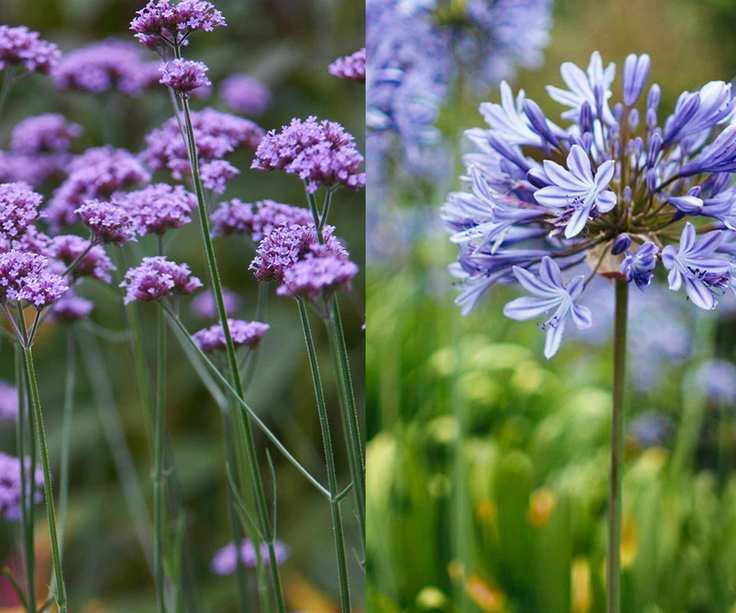
Pair Verbena bonariensis with Agapanthus for striking dry garden displays.
Agapanthus (hardiness zones 8a-11b) offers striking blooms that enhance dry gardens. They thrive in sunny spots with well-drained soil and are available in various blue shades. Pair them with Verbena bonariensis for height and movement in your garden, as they can grow up to 6 feet tall.
FAQs
Can you pair perennials in containers?
Absolutely! Pairing perennials in container gardens is an excellent option, especially since they withstand colder temperatures better than annuals. This flexibility allows for creative combinations, including plants that might not thrive in your garden's native soil.
Many of our perennial pairing ideas also work well in containers, making it simple to create stunning displays.
If you're eager to start your perennial container garden, check out our expert tips for beginners or explore the best container plants for shade and full sun flowers.



