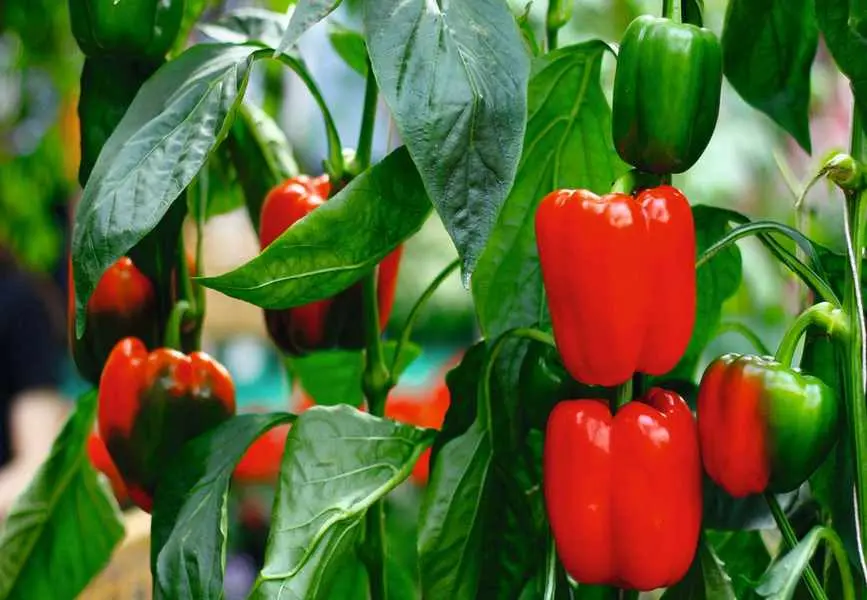
Bell peppers are a favorite among home gardeners, offering versatility in the kitchen, from fresh salads to cooked dishes. Each plant can yield five to ten peppers, making regular fertilization essential during their growth.
These plants thrive in warm conditions and nutrient-rich soil, requiring ample feeding for optimal growth. Providing the right nutrients leads to a plentiful harvest of peppers in vibrant colors like green, yellow, orange, and red.
When you cultivate bell peppers, fertilization is not a one-time task. Key feeding times and shifting nutrient needs throughout the season are vital for success. This guide details when and how to fertilize bell peppers to maximize your harvest.
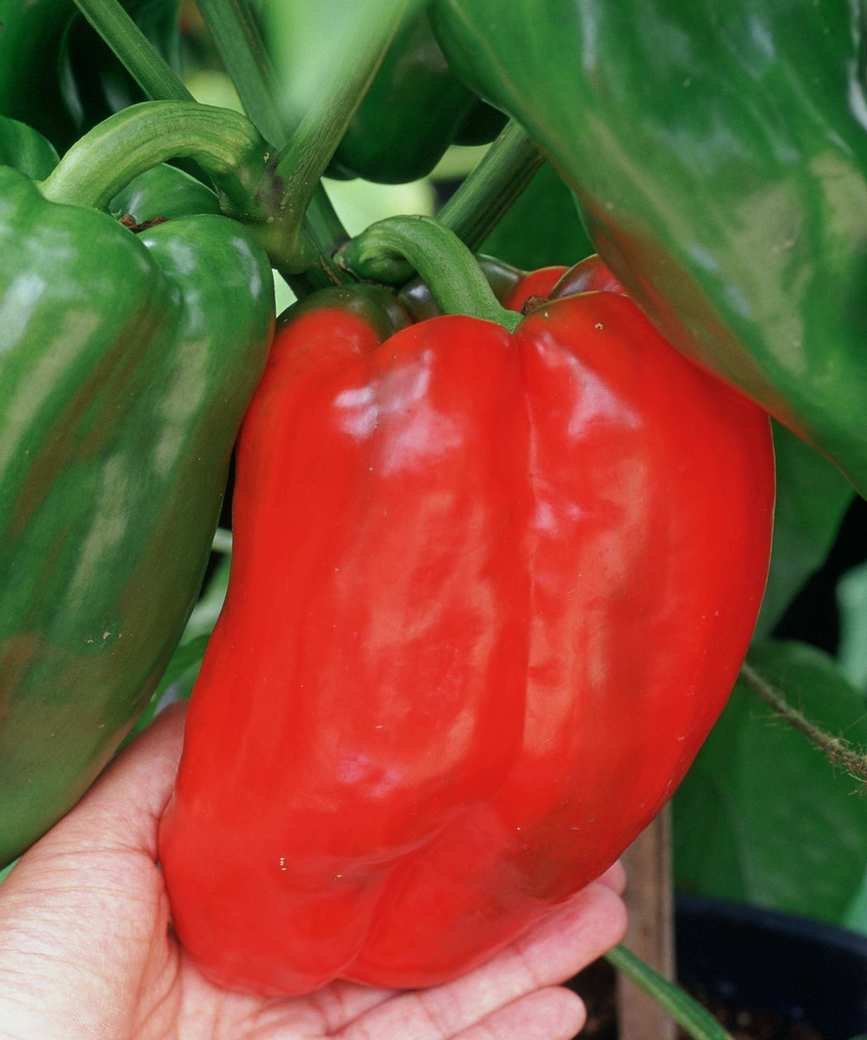
Timing and Techniques for Fertilizing Bell Peppers
As heavy feeders, bell peppers, similar to chili peppers, benefit from consistent fertilization throughout the growing season for optimal results.
Before planting, conducting a soil test is crucial. Understanding your soil's nutrient profile helps prevent deficiencies and ensures your plants receive the correct amounts of nutrients.
A simple soil test kit can help analyze 13 nutrients in about a week.
Optimal Times to Fertilize Bell Peppers
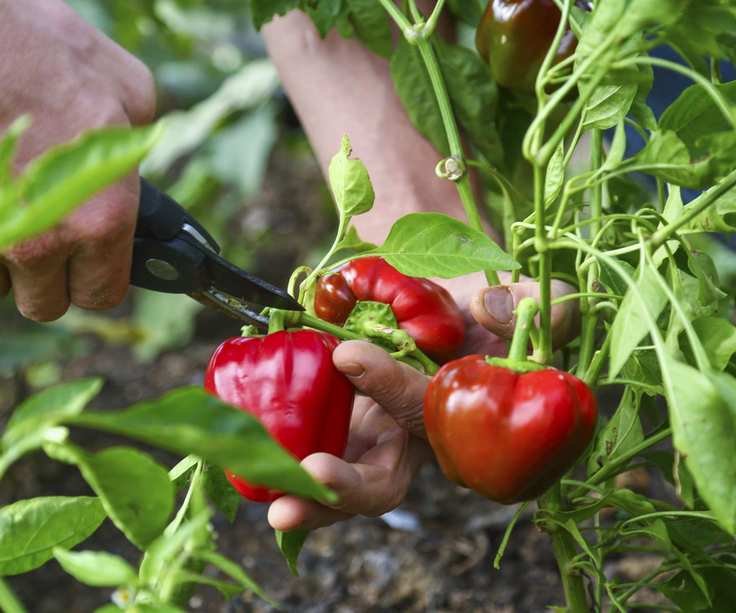
The first chance to fertilize bell peppers is when transplanting seedlings. If you start seeds indoors in trays or pots, they will require transfer to larger containers before planting.
At this stage, you can enhance the potting mix by incorporating slow-release fertilizer. Just ensure your mix doesn't already contain any nutrients.
For bell peppers, the ideal soil includes organic matter such as compost or well-aged manure before planting, providing essential nutrients and moisture retention.
Once seedlings are transplanted into the garden, key fertilizer timings include post-transplanting, pre-flowering, and during fruit set. Robin Phelps, a knowledgeable grower, advises, 'Feed after transplanting and again at key growth phases, as these require extra nutrients for foliage and fruit development.'
It's crucial to fertilize a few weeks post-planting and continue feeding as flowering begins. This consistent approach supplies the necessary nutrients for fruit growth while helping to prevent issues like blossom end rot.

Robin Phelps is a gardening coach with a passion for nurturing plants and preserving nature's bounty. With over 20 years of experience, Robin began her gardening journey in a small apartment and now cultivates on 3 acres.
Effective Fertilization Methods for Bell Peppers
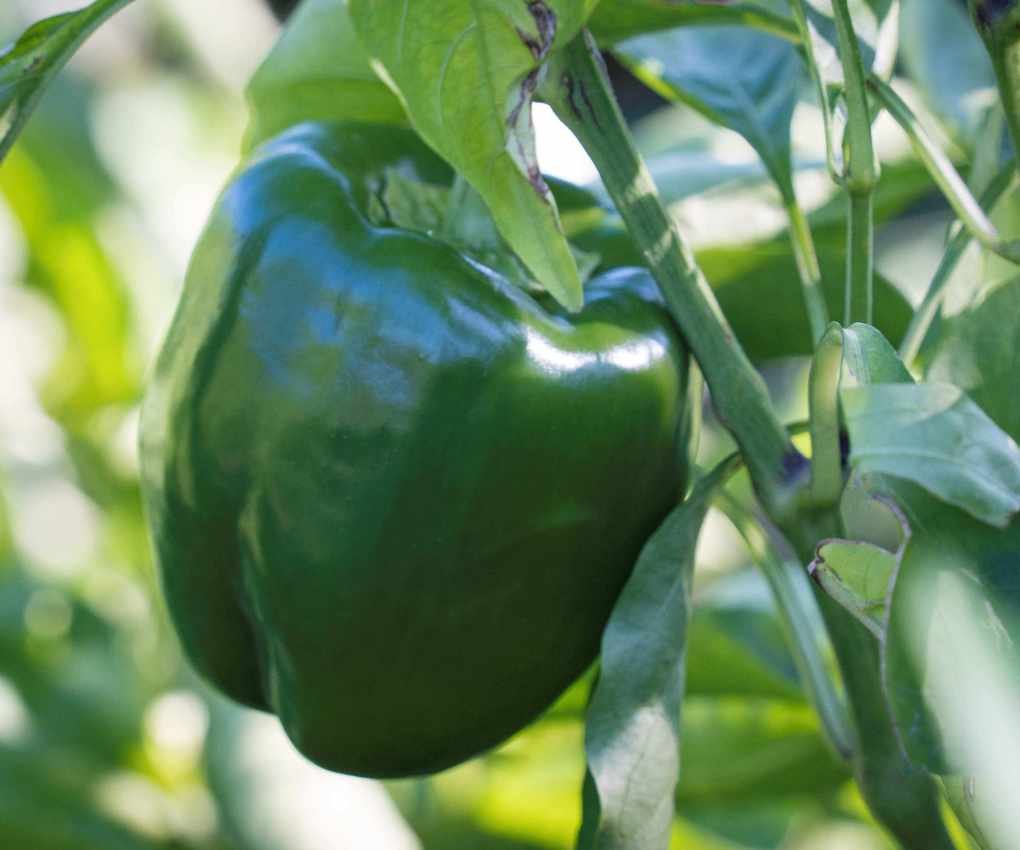
Understanding when to fertilize bell peppers is just the beginning; knowing which fertilizers to use is equally important.
Before applying any fertilizer, familiarize yourself with the nutrient ratios on the product labels. Most fertilizers display their nitrogen (N), phosphorus (P), and potassium (K) content as three numbers, like 10-10-10 for balanced feeds.
Choose products that match the nutrient needs of your plants, and always follow application rates to prevent over-fertilization. Remember, if your soil has compost or organic matter, you'll need less fertilizer throughout the season.
For newly transplanted bell peppers, use a balanced fertilizer with an NPK ratio of 10-10-10, 5-5-5, or similar. Granular fertilizers are preferable at this stage as they release nutrients gradually, benefiting the plants over time.
As flowering begins, the nutrient needs change. Switch to fertilizers with lower nitrogen and higher phosphorus and potassium ratios to promote fruit development. Robin suggests reducing nitrogen slightly to enhance the sweetness and size of the fruit.
Experts recommend fertilizers like 5-10-10 or 8-16-16 during this phase. Robin also suggests a 4-8-12 alternative. Fast-acting liquid fertilizers, often designed for tomatoes, are ideal during flowering to help develop and ripen peppers.
Avoid high-nitrogen fertilizers once flowering starts, as they can promote excessive leafy growth instead of fruit production, leading to weak plants with minimal fruit yield.
Recommended Products for Fertilizing Bell Peppers
Tomato and Vegetable Fertilizer
This organic plant food is perfect for use right after bell peppers are transplanted.
5-10-10 Fertilizer
Use this fertilizer once bell pepper plants begin to flower to support fruit development.
Tomato Booster Fertilizer
This fertilizer is also suitable for bell peppers and can be applied during flowering and fruiting stages.
Common Questions
Is Miracle-Gro suitable for bell peppers?
What's the best homemade fertilizer for pepper plants?
You can create effective homemade fertilizers for peppers. Options include making your own compost, or preparing comfrey fertilizer, which is rich in phosphorus and potassium to support fruit development and contains calcium to help prevent blossom end rot.
Robin Phelps recommends using Epsom salts as a fertilizer. Mix two tablespoons of Epsom salt into a gallon of water for a foliar spray, and apply every 2-3 weeks to enhance fruit size and prevent developmental deficiencies.
As gardeners aim for thriving plants and excellent fruit, companion planting is a highly effective strategy.
Companion planting harnesses the natural advantages that different vegetables, herbs, and flowers offer each other, including pest deterrence and attracting beneficial insects to enhance yields.
Some of the best companions for bell peppers include onions and marigolds, known for repelling pests, while basil is often said to boost the growth of pepper plants.