
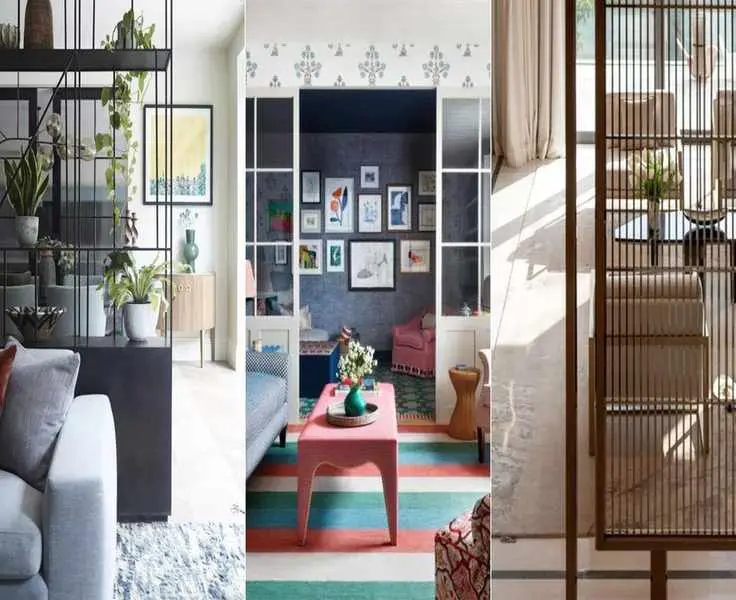
In contemporary homes, living spaces often blend together, necessitating the use of dividers to create functional zones within a single area.
With modern properties and renovations frequently featuring open-plan layouts, combining the kitchen, dining area, and living room into one large space is common. The challenge lies in how to effectively separate these areas without making the space feel cluttered or disjointed. Enter dividers.
As open-plan living becomes increasingly popular, the question arises: how can we elegantly and creatively partition a room while maintaining a cohesive look?
1. Employ a Traditional Screen
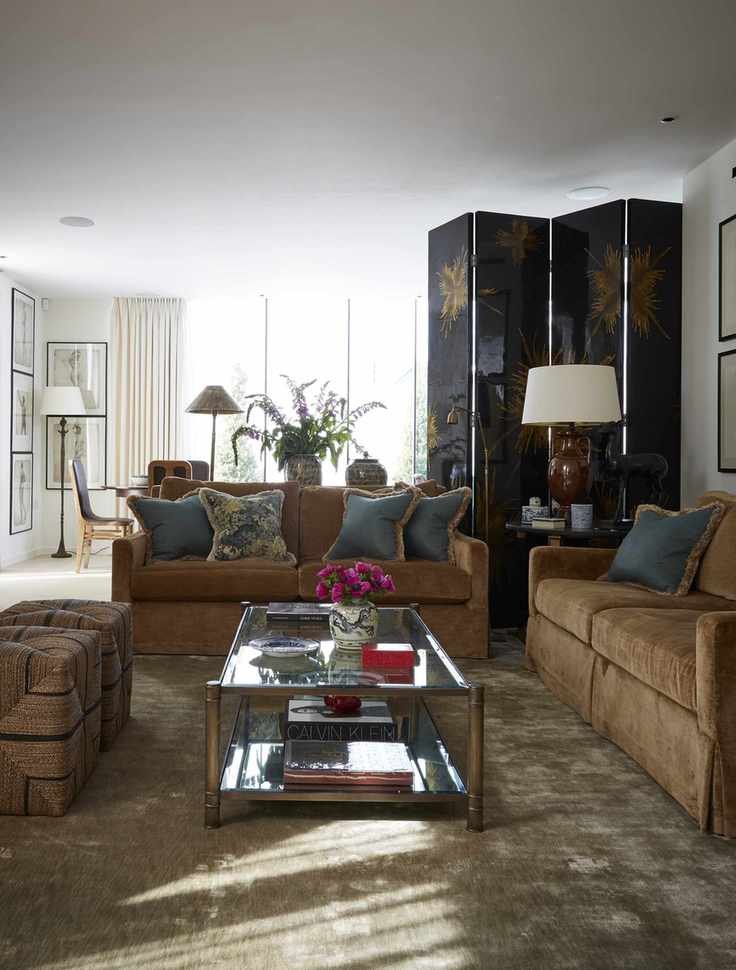
Classic designs often stand the test of time. Decorative screens have long been a staple in interior design, offering both style and functionality. These intricately designed pieces, whether made from bamboo, cane, or embellished with vibrant patterns, are not only aesthetically pleasing but also versatile. They can be easily repositioned to suit different layouts.
Dane, a principal designer, notes that 'Room dividers can serve as a chic accent to enhance a simple corner or act as a practical solution for spatial organization in any setting.'
These screens are perfect for concealing clutter, stretching across long spaces, or folding into smaller configurations to segment a cozy nook. The variety in styles and designs makes them a beloved choice, combining practicality with timeless appeal, often cherished as heirlooms.
2. Opt for Functional Shelving

Modern shelving units can elegantly divide a living area while adding functionality. Free-standing shelves come in a plethora of stylish designs, allowing you to craft distinct zones within your living space. They can be adorned with books, artwork, and greenery to create a chic, minimalist aesthetic.
Depending on your vision, shelving can be compact or expansive, providing ample options for separation. Some units are designed for flexibility, enabling you to create complete or partial divisions based on your preferences.
'Use open shelving to delineate large living spaces—it allows light and air to circulate while suggesting division without obstructing views. Be creative and style the shelves to complement your design,' advises Irene Gunter, a design principal.
3. Get Creative with Furniture
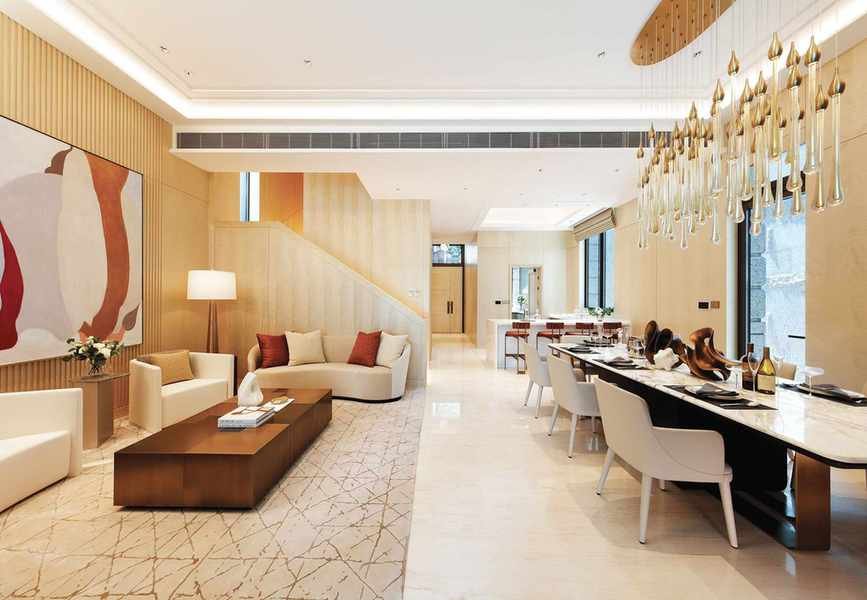
Elisabeth Rogoff, a design principal, emphasizes that the secret to effective room division is to make each area a natural extension of the next while giving each one a unique character. This approach fosters a sense of continuity and curiosity as you transition from space to space.
In open-plan designs, furniture arrangements can create separation while maintaining stylistic cohesion through consistent color and tone choices.
4. Utilize a Console Table
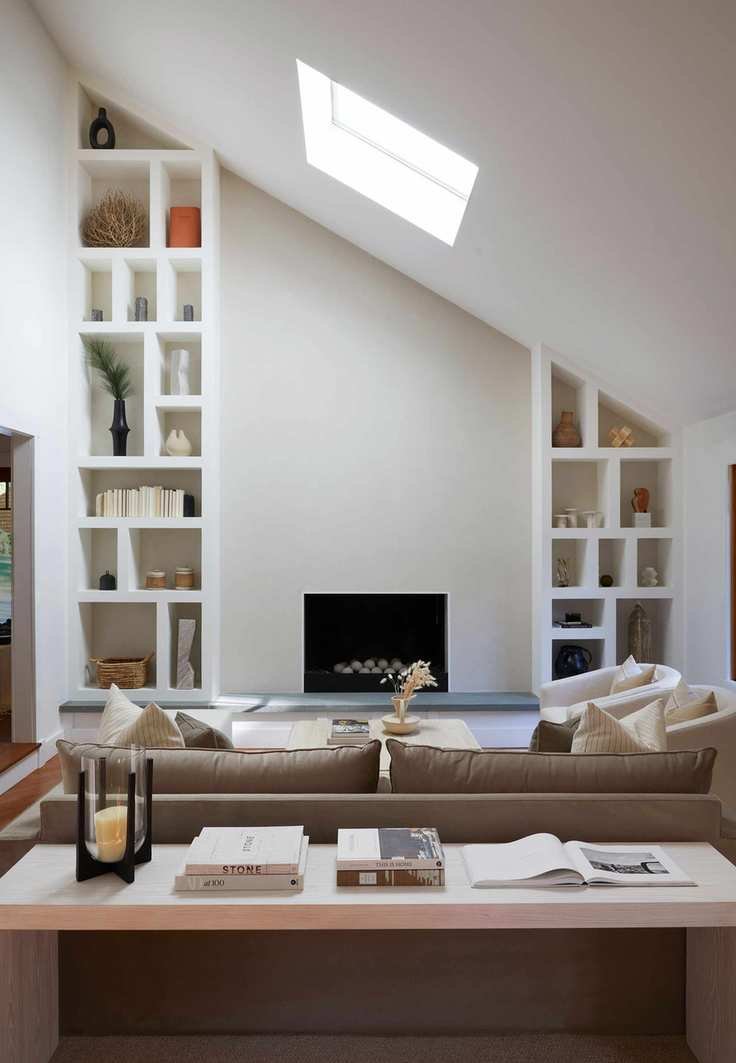
How you position your furnishings can subtly yet effectively delineate areas within your living room. Console tables are particularly useful for defining spaces, such as separating a relaxation zone from an office or dining area. Their inherent design naturally lends itself to creating division.
Designer Eliza McNabb from Hyphen & Co suggests, 'Leverage furniture to mark boundaries! A console table behind a sofa clearly indicates distinct areas. Additionally, decorative lighting can enhance this separation, helping to define different spaces.'
5. Create Multiple Seating Areas
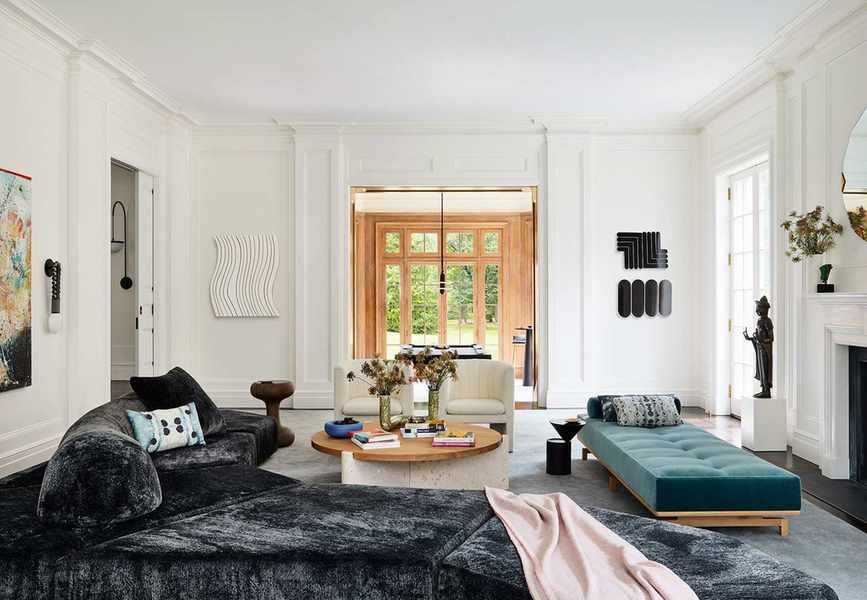
Seating choices can also influence how a living room is divided. By selecting various types of seating, you can establish multiple zones that feel cohesive yet distinct.
Lucy Harris emphasizes that 'Chairs are like jewelry—choose interesting shapes that contrast with the sofa.' In larger spaces, she prefers to create several seating arrangements, often using one sofa or sectional in the main area. 'Multiple seating options make a room feel more spacious, and I like to create a more impressive seating area for visual balance,' she adds.
6. Invest in Statement Steel-Framed Doorways
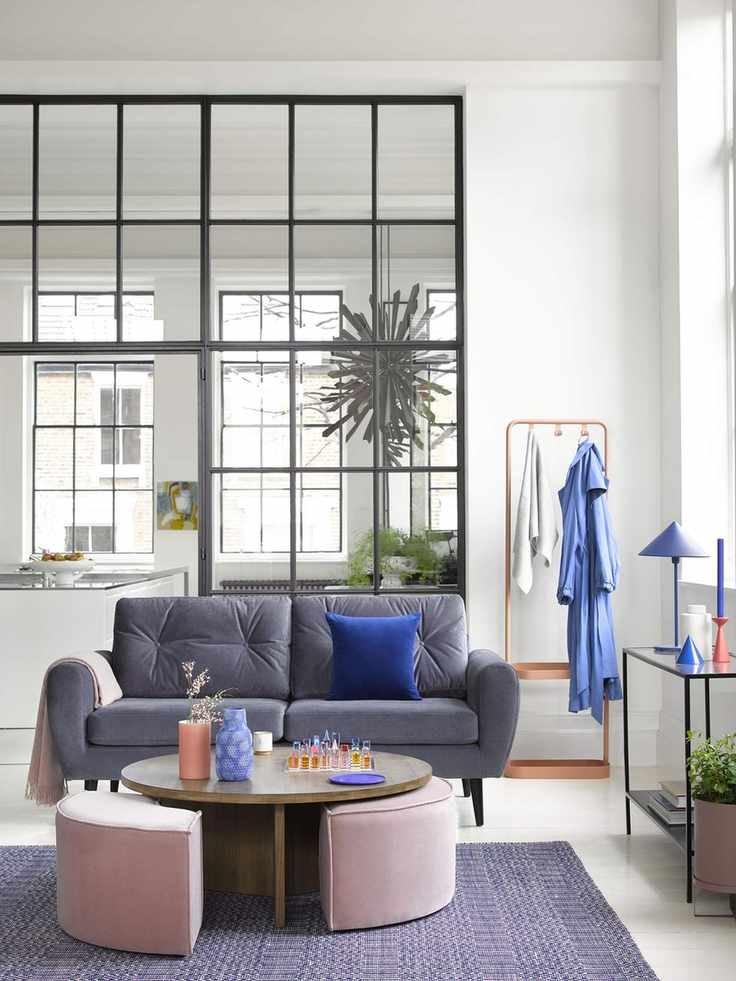
Having a spacious living room is a delight, but figuring out how to stylishly divide it can be challenging. While it provides plenty of space for entertaining, making it feel inviting and cohesive can be tricky.
Utilize doors and windows, such as Critall-style designs, to create divisions within large rooms. These contemporary glass frames maintain airflow and light while offering a chic aesthetic. You can use them to fully or partially segment your space for an elegant look.
7. Embrace Modern Slatted Screens
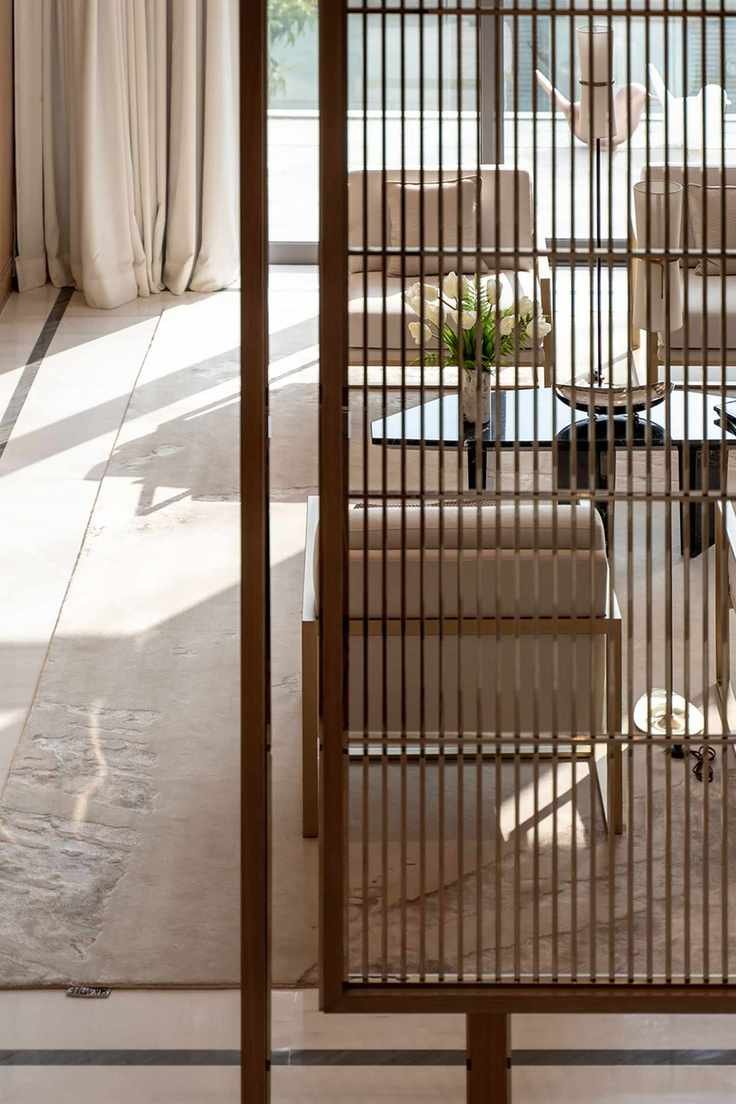
Design continues to evolve, combining classic elements with modern twists. Slatted screens or perforated metal dividers made from natural materials present a fresh and stylish way to section off spaces.
This contemporary approach to room division, like the beautiful wooden screens in a Hong Kong home, provides a blend of traditional design with modern flair.
8. Utilize Color to Define Areas
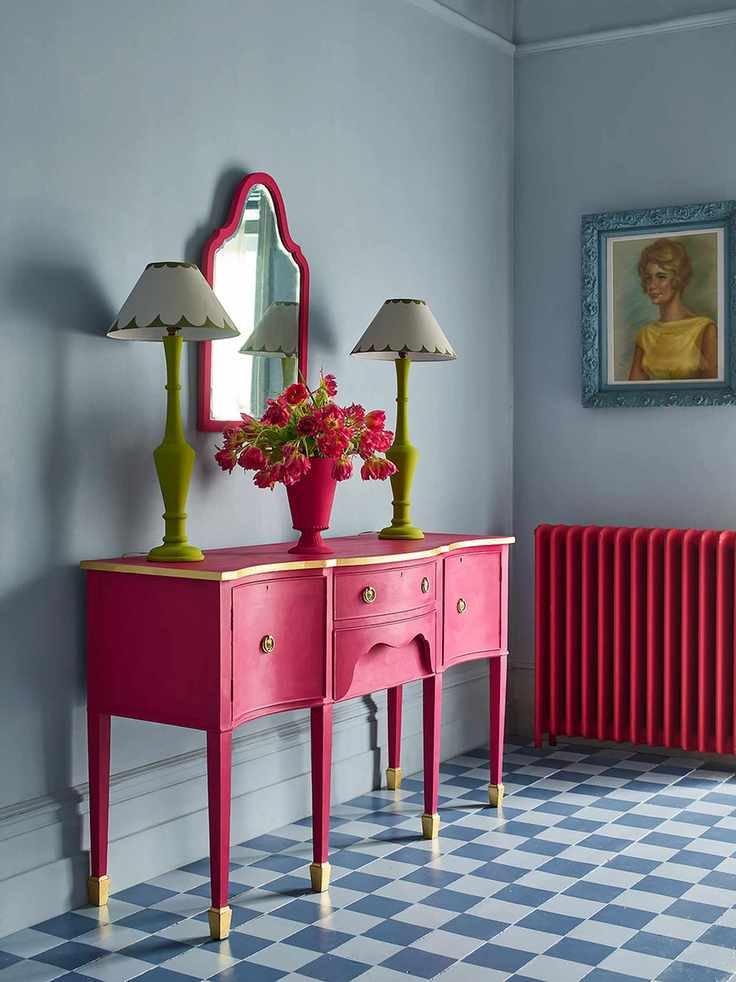
'Zoning is invaluable for our homes, enhancing flexibility,' states paint expert Annie Sloan. With many rooms now serving dual purposes—like studies in bedrooms or living areas with play zones—using paint to delineate areas is an effective solution.
Consider painting furniture, walls, or even floors to create visual separations that are both affordable and impactful.
9. Hang Contrasting Curtains
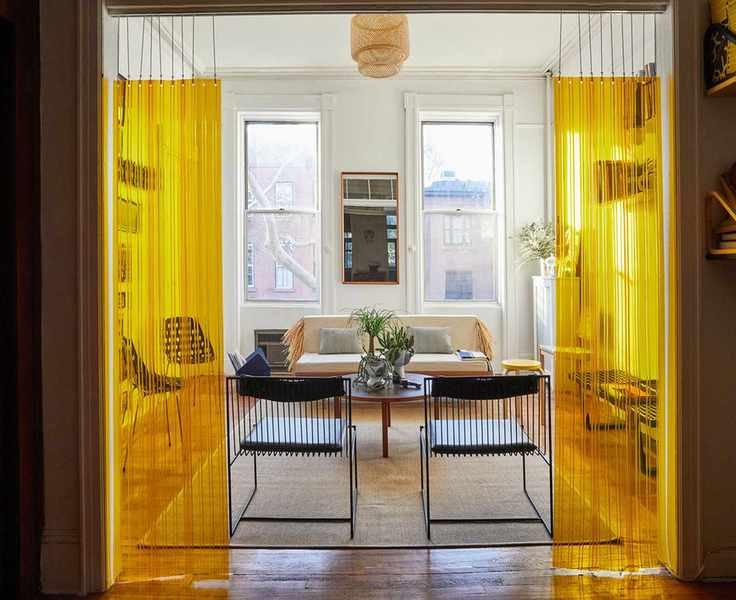
Think outside the box with curtains as dividers. Depending on the fabric, they can provide a sense of coziness or a lighter division between spaces.
In a Brooklyn apartment, interior designer C.S. Valentin sought a unique solution for separating work and living areas. 'I wanted something unconventional to delineate the office from the living room, leading me to explore various curtain options that brought in color, ultimately choosing industrial PVC strip curtains,' he explains.
How Can I Effectively Divide My Living Room?
There are countless creative ways to partition a room. Whether you choose subtle methods like area rugs or more elaborate solutions like glass partitions, the options are vast.
Consider different furniture types, seating arrangements, or decorative elements like ornate screens or bold paint choices to define distinct zones. Whatever you choose, ensure the divisions are clear while maintaining a cohesive design palette throughout your space. Most importantly, enjoy the process and trust your design instincts.



