
For the past three years, I've been struggling with pesky droplets of moisture forming on my windows. That was until I stumbled upon the clever dish soap window condensation hack.
After incorporating this method into my routine for over two months, I can confidently say it's a lifesaver. Cleaning professionals also endorse it as an innovative solution. They provided valuable tips, and I've compiled a step-by-step guide, along with potential advantages and drawbacks.
If you want a quick and efficient way to eliminate window condensation, I highly recommend giving this trick a try.
What is the dish soap window condensation hack?
This technique involves applying dish soap onto the glass with a cloth and buffing it across the entire area affected by condensation. It's an effective way to prevent moisture from accumulating on your windows.
According to Joy Ramos, a cleaning expert from Bear Brothers Cleaning, "The soap's surface-active agent reduces the surface tension of water, preventing it from forming droplets. Instead, moisture creates an invisible layer that keeps the glass clear."
When using dish soap to clean windows, it's crucial to choose the right product.
Muffetta Krueger, founder of Muffetta's Housekeeping, advises, "Select a basic dish soap without dyes or harsh ingredients to prevent any residue." For instance, the Palmolive dish soap from Amazon is fragrance-free and made from 100% biodegradable ingredients.
You can also opt for natural Castile soap for various cleaning tasks. It's a non-toxic essential made from natural oils, gentle on skin and hair, and safe around children and pets.
When applying the dish soap hack to your windows, be careful not to overuse the product, as this can lead to streaks or bubbles, which are common mistakes in window cleaning. "I mix one teaspoon of dish soap per quart of water," Joy recommends.
Next, simply spray the mixture onto your cloth or sponge, buff the windows, and then wipe again with a dry cloth to remove any excess liquid and avoid streaks. This will create a water-repelling layer as it dries.
Muffetta adds, "The soap film will wear off over time, so remember to reapply every few weeks or as needed, especially in colder months."
How to do it
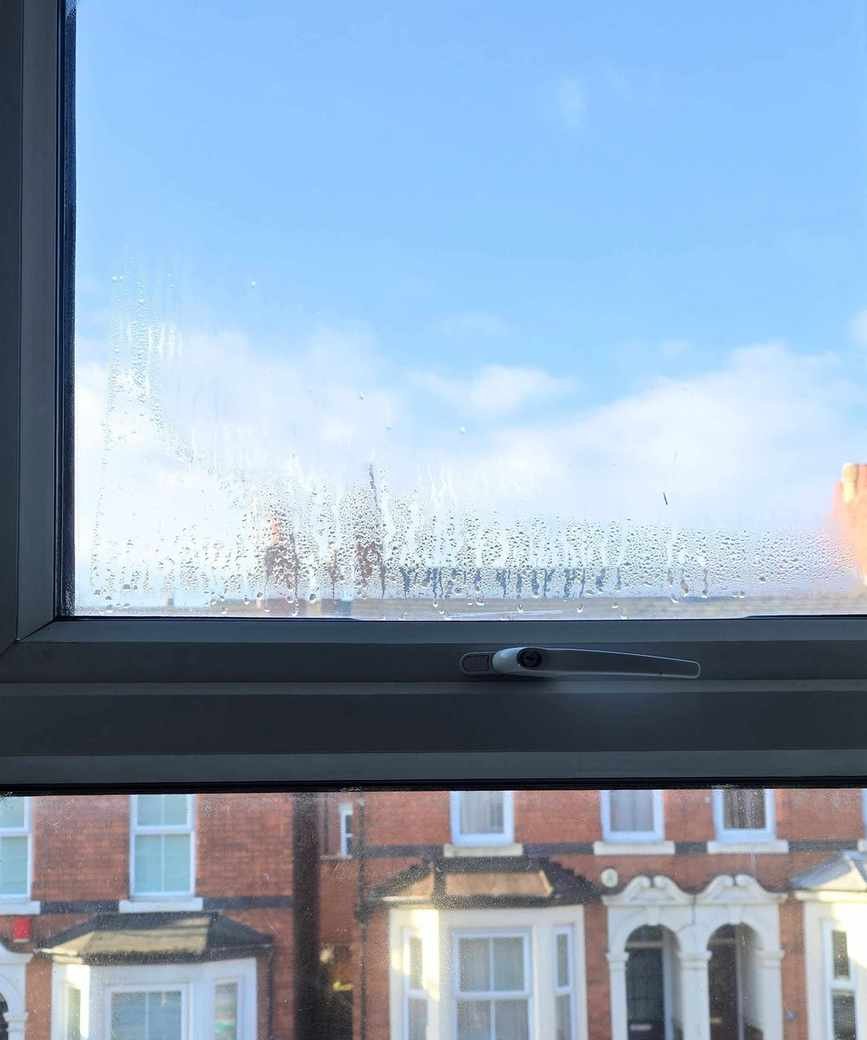
- Step 1: Wipe off any existing condensation from your windows. I prefer using Homexcel microfiber cleaning cloths from Amazon, as they're lint-free and scratch-free (plus, they look stylish).
- Step 2: Create your dish soap cleaning solution. Joy Ramos suggests combining one teaspoon of dish soap with one quart of water in a spray bottle. I use a glass spray bottle similar to the glass spray bottles from Walmart, which are reusable and easy to clean.
- Step 3: Spray the solution onto your microfiber cleaning cloth. I prefer this method to avoid excess liquid on the window.
- Step 4: Use the cloth to buff the mixture onto the window in gentle circular motions.
- Step 5: Buff the window with a clean, dry cloth to eliminate any visible streaks.
- Step 6: Allow it to dry.
Step 7: Monitor your windows. The soap film will fade over time, so be sure to reapply as needed, particularly during colder months.
Pros and cons
The pros: I appreciate that this hack doesn't require purchasing additional products. All you need is dish soap, cleaning cloths, and a spray bottle. It's incredibly efficient – I can complete the process in under five minutes.
Unlike heavy chemical solutions, the diluted soap and water mixture has a pleasant scent that freshens my room, making it an effortless way to enhance my home's fragrance.
Additionally, it has reduced my need to run dehumidifiers like the bestselling Tabyik dehumidifier from Amazon every day. This is a more energy-efficient alternative.
The cons: While the soap film does leave a slightly smeary appearance on the glass, I don't mind this since I only experience condensation at night in my bedroom. However, if you apply this in more visible areas like the living room or kitchen, it could be a concern.
Another point to consider is that while this method prevents condensation on your windows, it doesn't address humidity in your home. If you don't tackle the root cause of the condensation, it may appear elsewhere in the room, increasing the risk of mold.
Consider creating moisture channels and using simple dehumidifying methods, such as placing moisture-absorbing bags from Walmart near windows or 'shock ventilating' daily to mitigate condensation.
My verdict
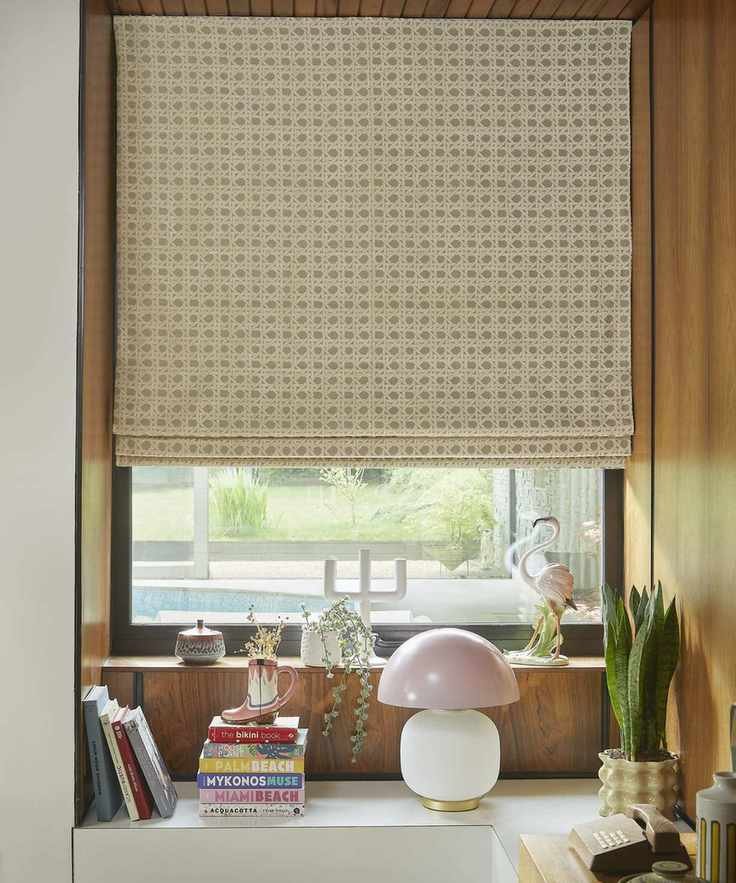
I rate the dish soap window condensation hack an 8/10. After using it for two months, I find this method highly effective. It only takes me under five minutes per window and has significantly reduced the time I spend removing black mold from my window frames.
In this time, I've had to reapply the soap layer twice, but I've been testing this during winter. This may be less frequent in warmer months when condensation is less likely and ventilation is easier to manage.
While this technique effectively prevents those annoying droplets, it doesn't achieve a perfect 10/10 from me, as it needs to be combined with other strategies to fully address moisture in the room.
Joy Ramos suggests, "I open windows to enhance airflow and reduce overall humidity levels."
I do this during the day and also run my trusted dehumidifier near the window. If you notice any water forming between soap applications, you can also consider using window vacuums to further reduce condensation.
What to shop
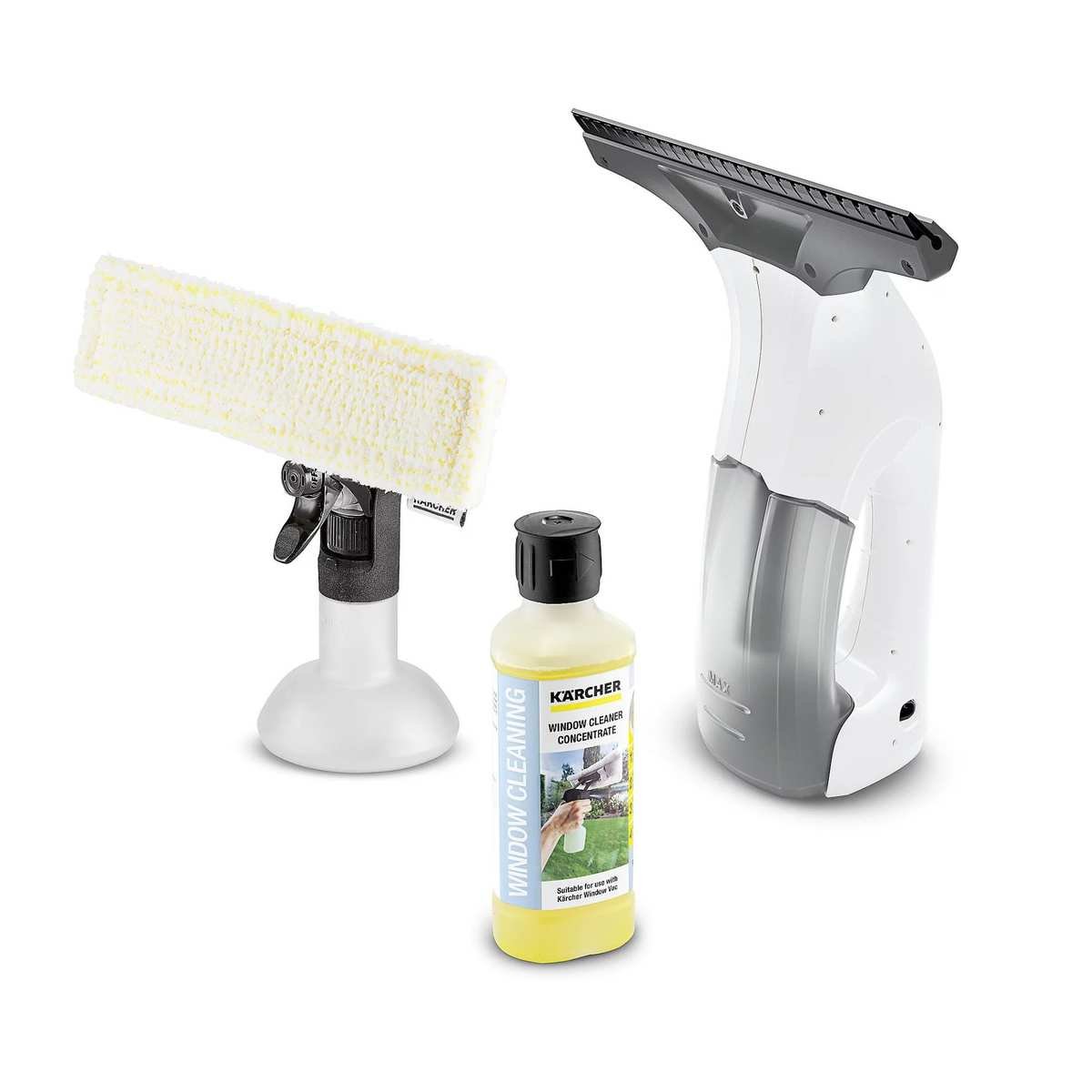 4.6-star rated
Karcher Wv 1 Plus Window Vacuum
This compact, cordless vacuum is easy to move and store. If you're new to window vacs, it's worth knowing the essentials before making a purchase.
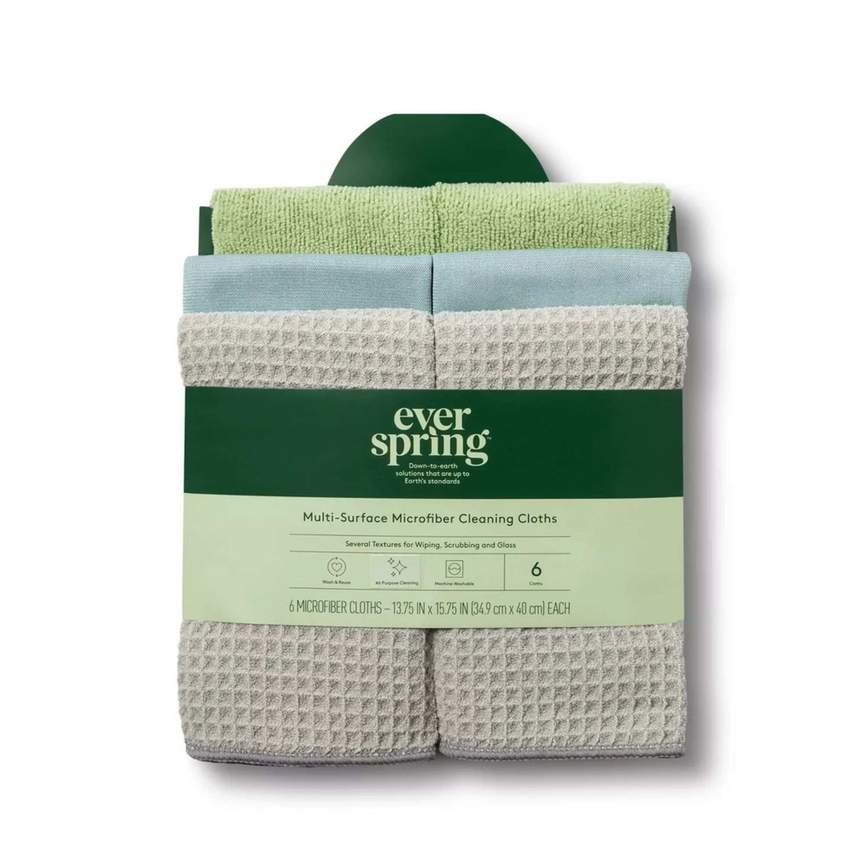 Three cloth types
Everspring Multi-Surface Microfiber Cleaning Cloths
These chic, neutral-colored cloths are soft, absorbent, and washable, with a convenient hanging loop for easy storage and drying.
 Concentrated formula
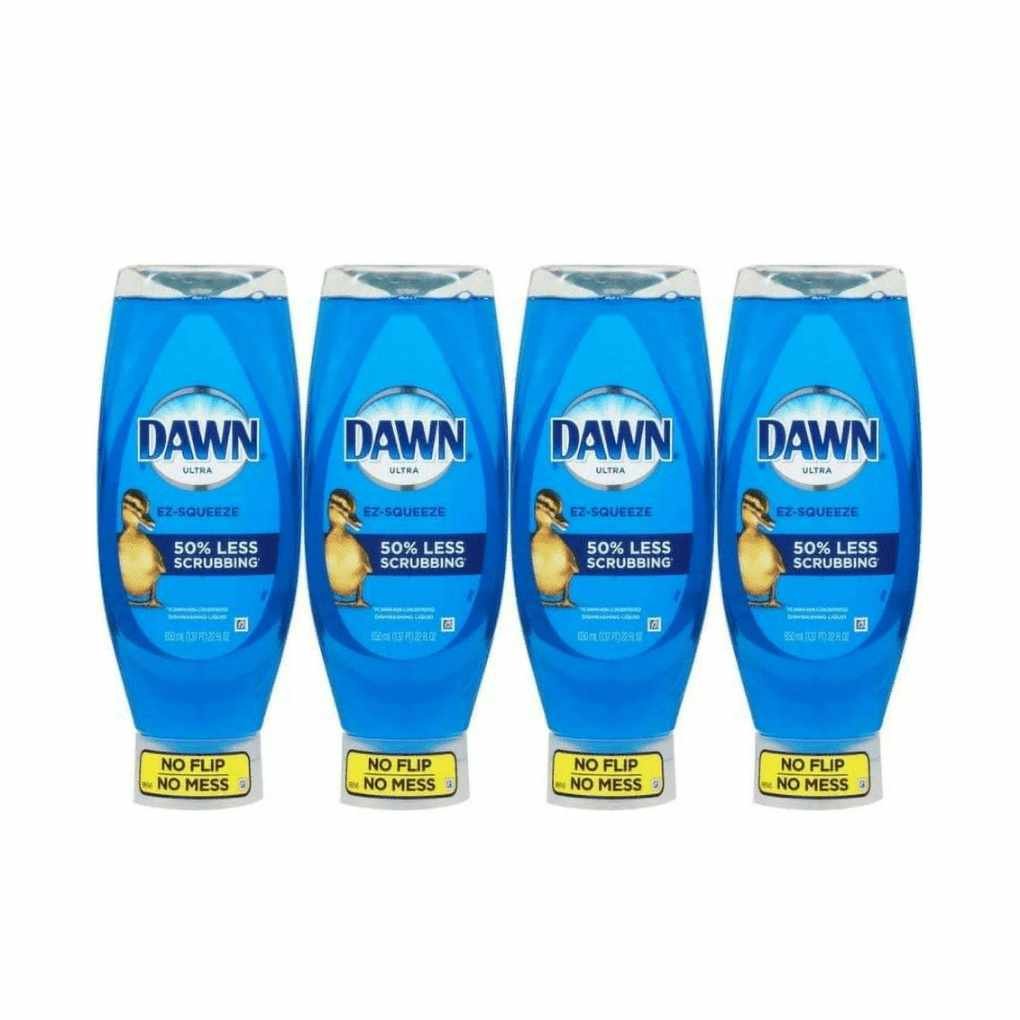
Dawn Ultra Ez-Squeeze Dish Soap
When I ask cleaning experts for soap recommendations, Dawn's formula consistently tops the list. I appreciate that these bottles allow for easy squeezing onto sponges, cloths, and into bottles, making them perfect for the dish soap window condensation hack.
This dish soap hack has significantly reduced the time I spend dealing with condensation. Now I'm free to concentrate on my spring cleaning checklist.
If you're looking for a solution to dirt instead of condensation, consider trying the 'Pink & Blink window cleaning hack', which is excellent for tackling winter grime.