
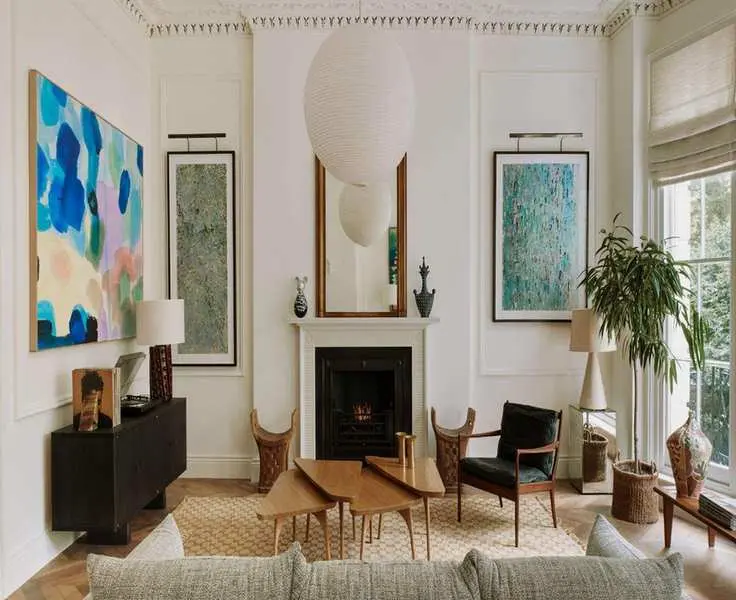
As new trends emerge in interior design, transitional living rooms have gained popularity. This classic blend of vintage and modern elements suits various properties and never seems to go out of style.
If you’re aiming to achieve a transitional style in your living room, keep reading for expert tips that balance contemporary trends with timeless elegance.
Understanding Transitional Living Rooms
Design experts define transitional living rooms as a seamless combination of traditional and modern styles. You might mix English country decor with mid-century modern pieces or incorporate neutral Scandi-style furnishings against a classic backdrop.
Ultimately, these inviting spaces are stylish and comfortable, making them ideal for busy families and solo dwellers alike.
"A transitional living room blends timeless elegance with modern flair, ensuring comfort while maintaining a contemporary vibe," remarks a designer. "It’s where sleek minimalism meets classic warmth."
Transitional vs. Traditional Living Rooms
While transitional living rooms may share some characteristics with traditional ones, notable differences exist. Traditional spaces often feel warm and enveloping, focusing on symmetry and rich colors. Transitional spaces can embrace these features but also incorporate modern touches like contemporary lighting and geometric patterns, resulting in a fresh yet classic aesthetic.
9 Creative Transitional Living Room Ideas
One significant benefit of transitional living rooms is their capacity to feel timeless yet unique. In your home, this means curating a communal space that marries styles you love.
Consider pairing an antique rug with a 1960s sideboard and modern artwork, or opt for a classic sofa upholstered in a stylish fabric, enhanced by an array of patterned cushions.
"Transitional design encourages breaking away from rigid color schemes or sticking strictly to one style," shares an interior designer. "It’s about celebrating unexpected contrasts—classic designs paired with bold patterns."
Another advantage of this adaptable style is that it allows for experimentation with new trends over time.
While this ‘anything goes’ mentality may seem straightforward, following some design rules can help. Let’s explore essential tips for achieving a perfect transitional living room blend.
1. Restore Original Features
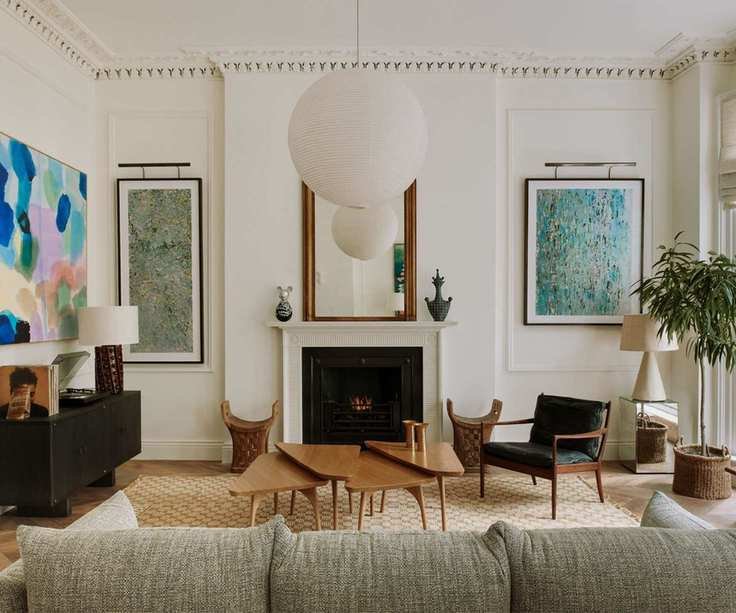
Successfully merging vintage elements with modern style often starts with the architectural details of the room.
In historic homes, restoring original features can serve as a foundation for your design project. Consider reinstating fireplaces or intricate plasterwork that aligns with the age of your property, whether they are original or replicas.
"For this Grade II listed townhouse, we preserved the intricate cornice and added Georgian moldings to frame the walls," explains an interior designer from a London studio.
"We reinstated the Georgian fireplace, which had been removed during past renovations. The marble hearth adds a contemporary touch, grounding the room in the present while layering in antique and modern furnishings."
2. Play with Color
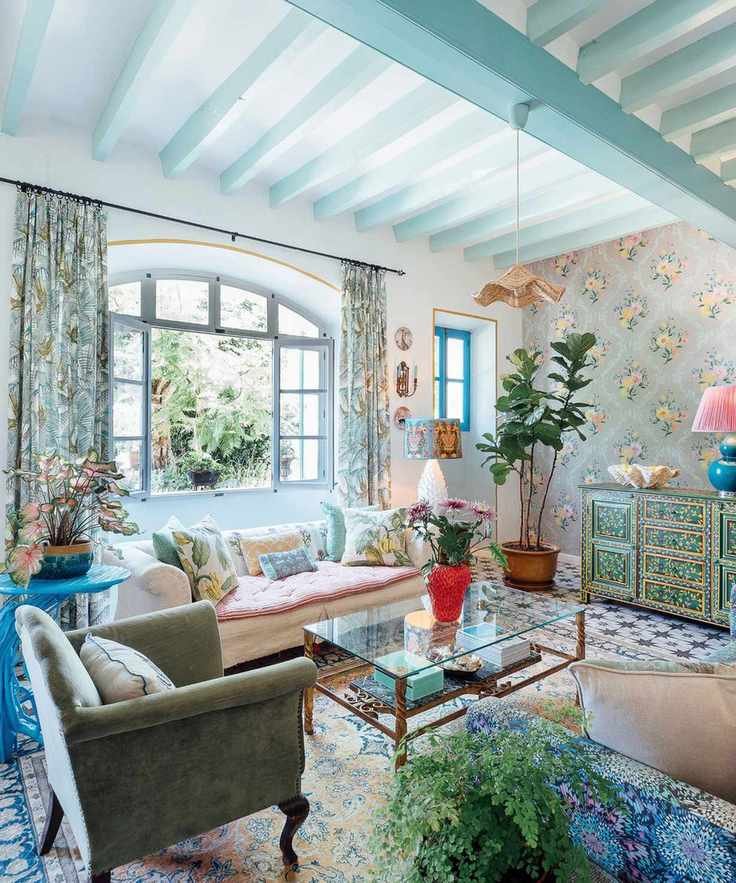
A blend of vintage and modern decor can create a unique and enduring living space. For one designer, a playful color palette is vital in achieving this balance.
"Injecting personality into a room through color is essential," they state. "Color is a universal tool in design—it instantly brings joy and can complement a variety of styles."
This colorful living room showcases bold hues, including soft aqua beams, cobalt blue accents, and a vibrant hand-painted sideboard.
3. Incorporate Curves
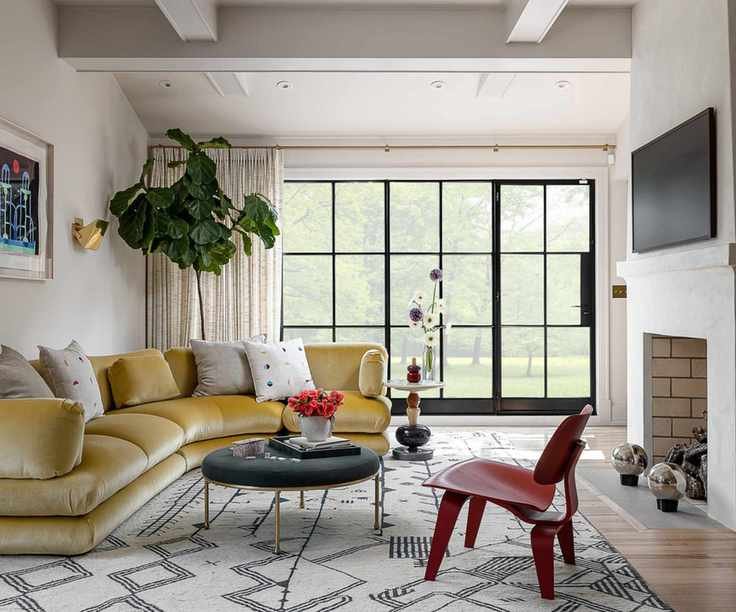
To soften spaces that lean too modern, especially in new builds, consider introducing curvaceous furniture.
In a 1920s Tudor revival home, a designer has created an inviting living area within a sleek 1980s extension, featuring a contemporary fireplace. The ochre couch adds warmth and family-friendly appeal.
"We wanted a comfy sofa for family movie nights," explains the designer. "Crittall glass doors are modern yet reminiscent of the 1920s, adding an intriguing touch."
4. Prioritize Key Elements

Layering colors and patterns can create a classic transitional vibe, but if you’re unsure how to mix prints, focus on the primary elements first.
Before diving into decorative details, determine your main pieces, such as paint, wallpaper, and fabrics for sofas and window treatments.
"We suggest assessing the key components together before exploring smaller details like chairs and cushions," advises a London-based designer.
5. Add Texture

If bold colors and patterns aren’t your preference, how can you infuse character into a classic transitional living area?
Consider incorporating cozy fabrics, especially in neutral spaces. Textures like wool, linen, and suede can add depth to a neutral palette.
"By anchoring the room in neutral tones while mixing textures, this design harmonizes modern pieces with classic features," an experienced designer explains.
6. Mix Timber Varieties
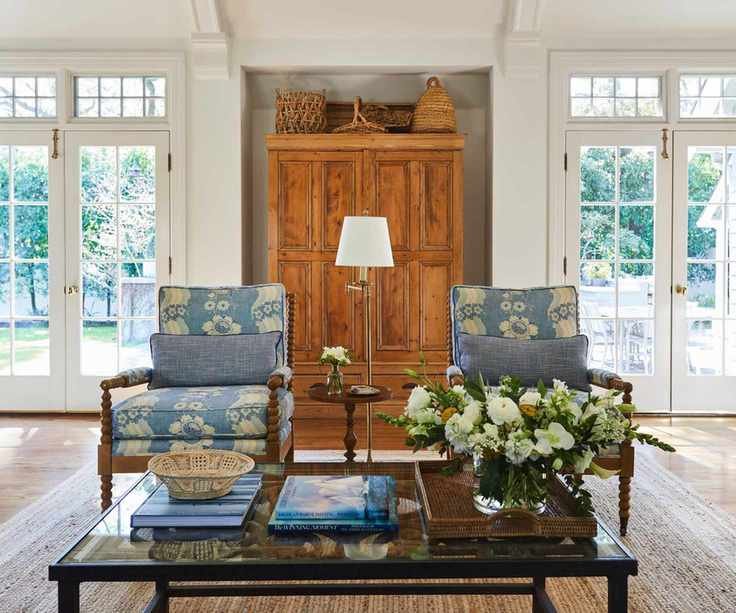
Wood furniture and flooring complement both modern and traditional styles. How can you best incorporate the elegance of timber into transitional spaces?
"Combining different wood types and finishes creates a lived-in feel," advises a California designer. "Here, rustic timber furniture contrasts with white-painted beams, enhancing the space's openness and freshness."
7. Prioritize Seating Comfort
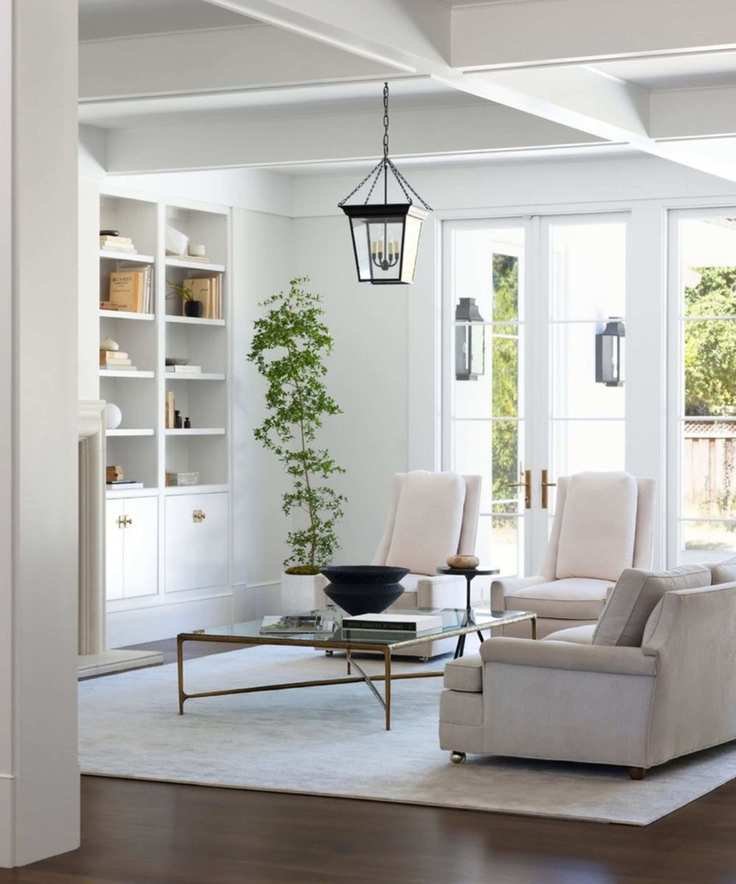
Comfort is key in transitional living rooms, making the choice of seating crucial.
"We selected a spacious 10ft sofa and two armless chairs from the 1960s, admired for their unique character and proportions," shares a designer from a San Francisco studio. "These were reupholstered in durable fabric for high traffic areas."
The earthy tones of the fabric enhance the timeless look while harmonizing with the room’s sleek, modern tables.
8. Invest in Timeless Pieces
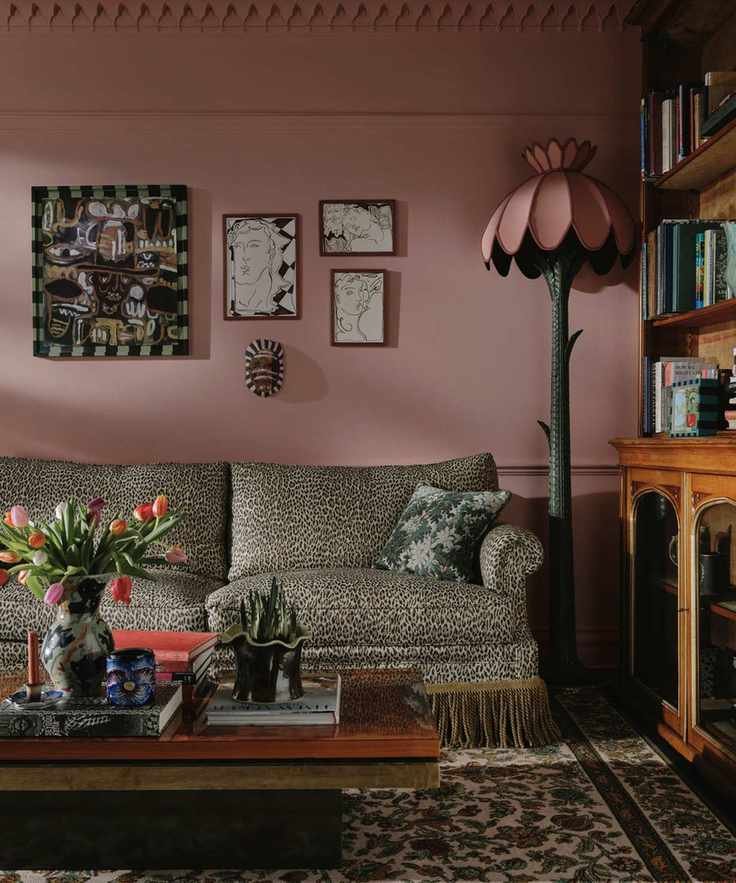
Investing in what designers call “Future Heirlooms” can elevate transitional living rooms, according to a decorating consultant. These are beautifully crafted items made by artisans skilled in traditional methods that promise longevity.
In true style, the brand modernizes classic pieces, like the Artemis Blush rug and a handcrafted Wilton sofa covered in eye-catching fabrics.
9. Honor Architectural Features
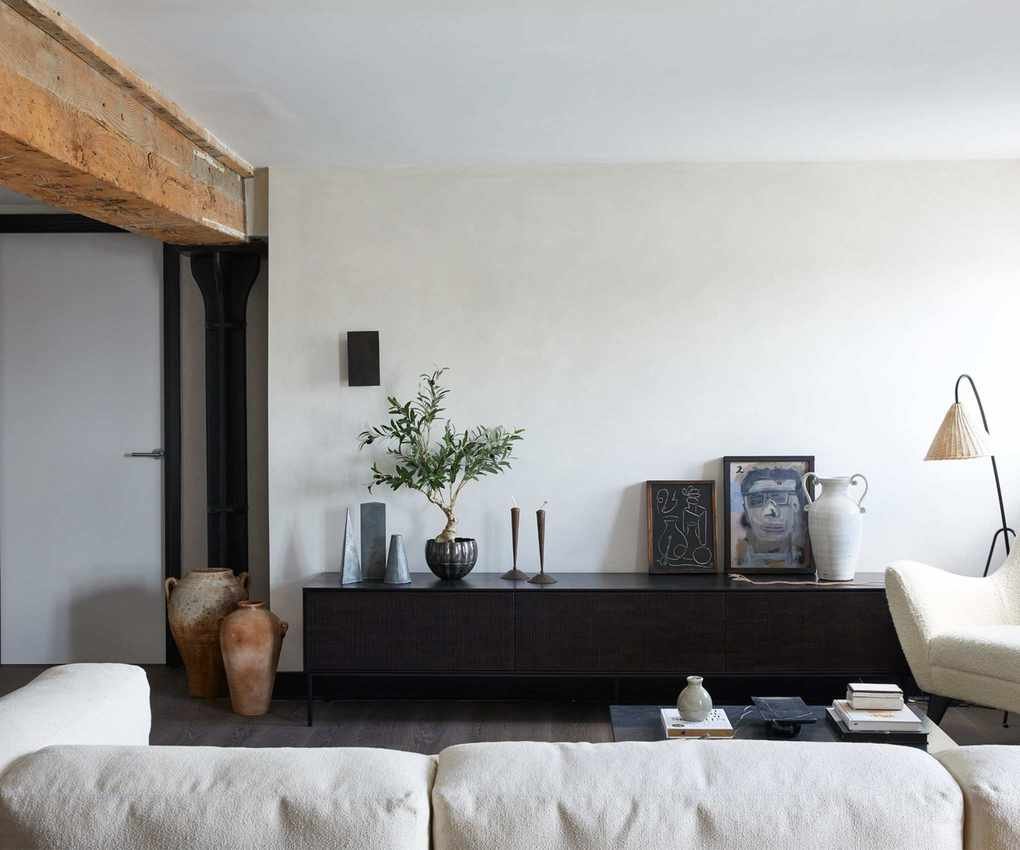
Respecting a property’s architectural elements is vital, particularly in transitional living rooms. In a Grade II-listed warehouse conversion, a designer skillfully balances cultural patterns with modern antiques.
"The apartment retains original beams and columns that guide the design process," the designer notes. "This rustic charm, paired with modern touches, creates a space rich in character and style."
Transitional living room ideas always yield timeless spaces. The blend of old and new styles ensures a rich, layered atmosphere. You can embrace trends you love, but starting with a transitional approach will create a home that stands the test of time.



