
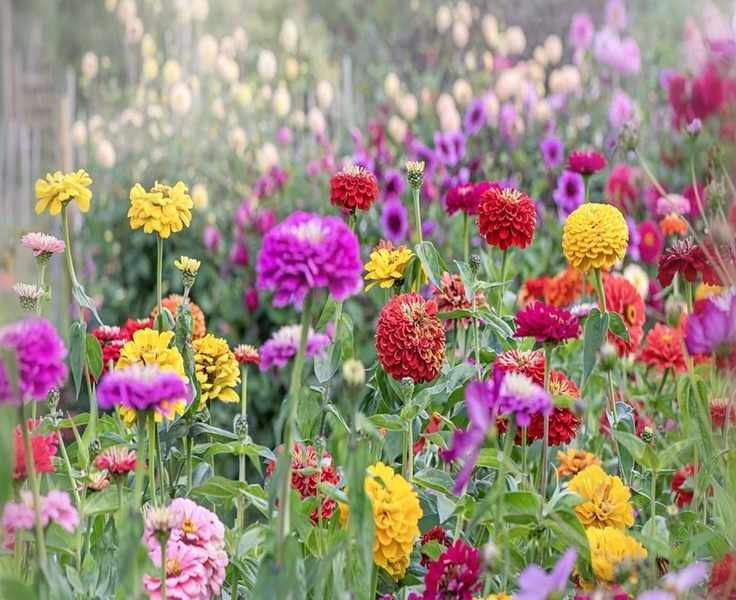
If your summer garden dreams are filled with bright, cheerful zinnias, you're not alone. These annuals come in every shade from electric citrus to soft blush, and they're a top pick for cut flowers and pollinator patches. But not every plant makes a good neighbor for zinnias. Some are aggressive feeders that hog nutrients, others sprawl and block sunlight, and a few even release chemicals that can harm zinnias' growth.
We talked to horticulturists and plant experts to uncover the worst companions for zinnias — and which flowers and herbs make better alternatives. Whether you're planning a border, a container garden, or a cutting patch, these tips will help you avoid common pairing pitfalls and keep your zinnias blooming all season long.
9 plants that should never share a bed with zinnias
Here are the plants to keep far away from your zinnias, along with smarter swaps.
1. Impatiens
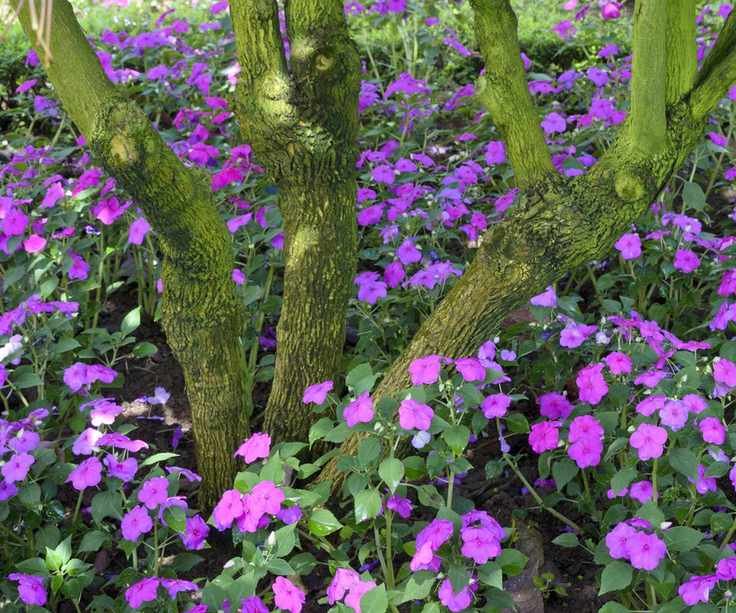
Impatiens — especially Impatiens walleriana — are beloved for their easy-going nature and bright flowers. But they have totally different light needs than zinnias, says Costa Farms horticulturist Justin Hancock. 'Zinnias want a spot in all-day sun to thrive and bloom well; impatiens want protection from the blazing summer sun.' Pairing them means one will suffer. Instead, try SunPatiens hybrids, which love full sun and have a similar look. Find SunPatiens at Walmart — the Compact Blush Pink variety is a stunner.
2. Black walnut
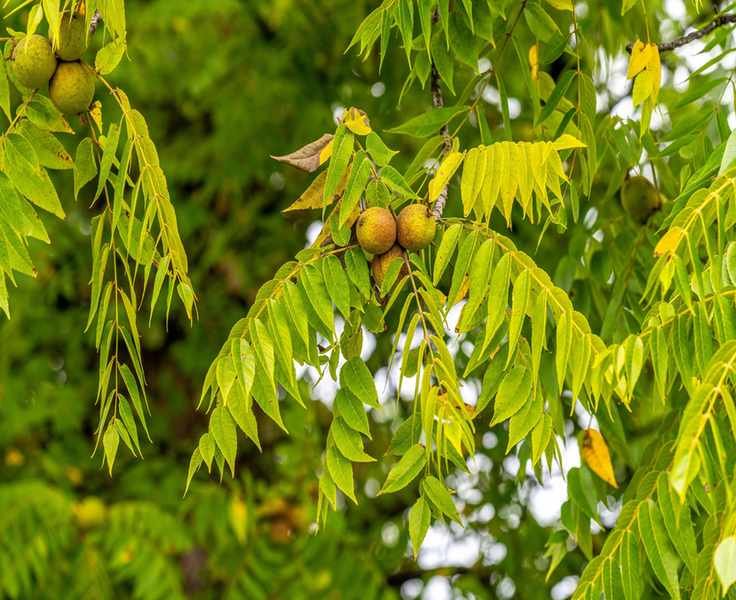
Black walnut trees (Juglans nigra) are majestic, but they release juglone, a natural toxin that inhibits the growth of many plants — including zinnias. 'If you have a black walnut tree don't be tempted to underplant with zinnia,' warns Justin. The chemical seeps from the roots and can linger in the soil. A better tree companion is panicle hydrangea (Hydrangea paniculata), which casts less shade and is friendlier to neighbors. Shop panicle hydrangeas at Nature Hills, including the popular Little Lime.
3. Spotted dead-nettle
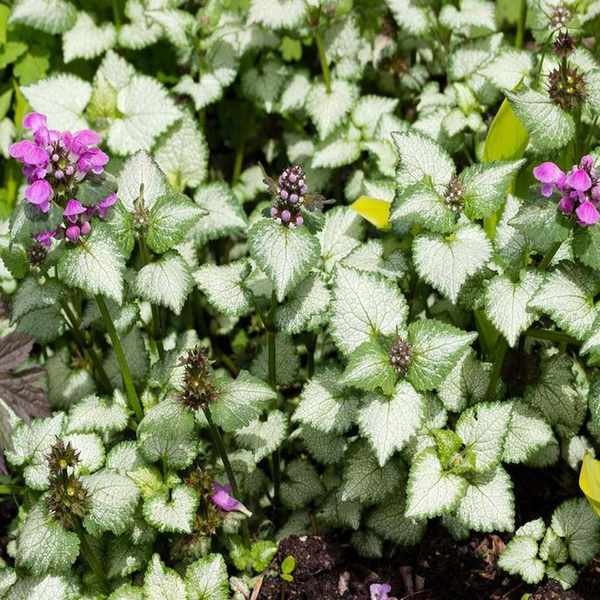
Low-growing ground covers like spotted dead-nettle (Lamium maculatum) might seem like a pretty underplanting for tall zinnias, but they create a humidity trap. Zinnias are prone to powdery mildew, and dense ground covers restrict air circulation around the stems, making disease more likely. A far better option is feathery dill — it repels aphids, attracts beneficial insects, and lets air flow freely. Plus, dill thrives in the same sunny, well-drained conditions as zinnias.
4. Lavender
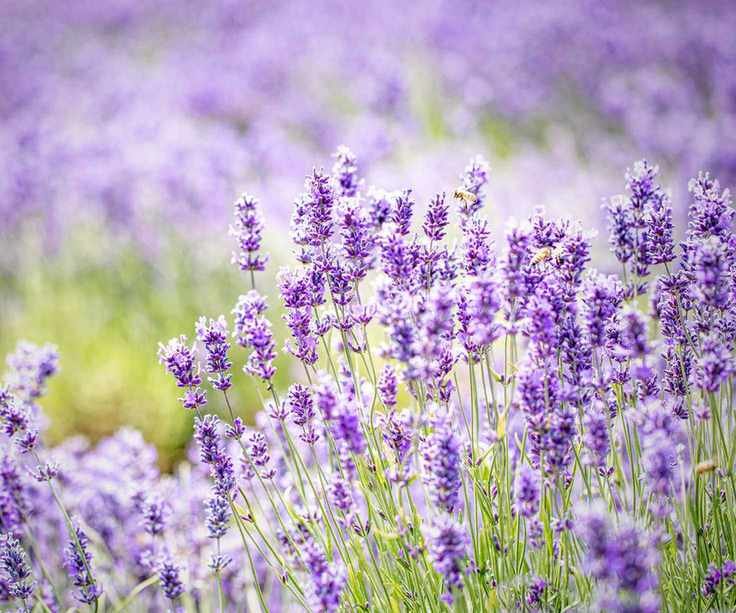
Lavender and zinnias look like a dreamy cottage-garden duo, but they have opposite soil preferences. 'Lavender naturally prefers dry, lean soil, while zinnias enjoy richer, more consistently moist soil,' says Carrie Spoonemore, co-founder of Park Seed's app From Seed to Spoon. If you're set on a lavender-like look, try short-stalked catmint (Nepeta subsessilis), which tolerates moisture and part shade. Catmint plants are available at Nature Hills.
5. Mint
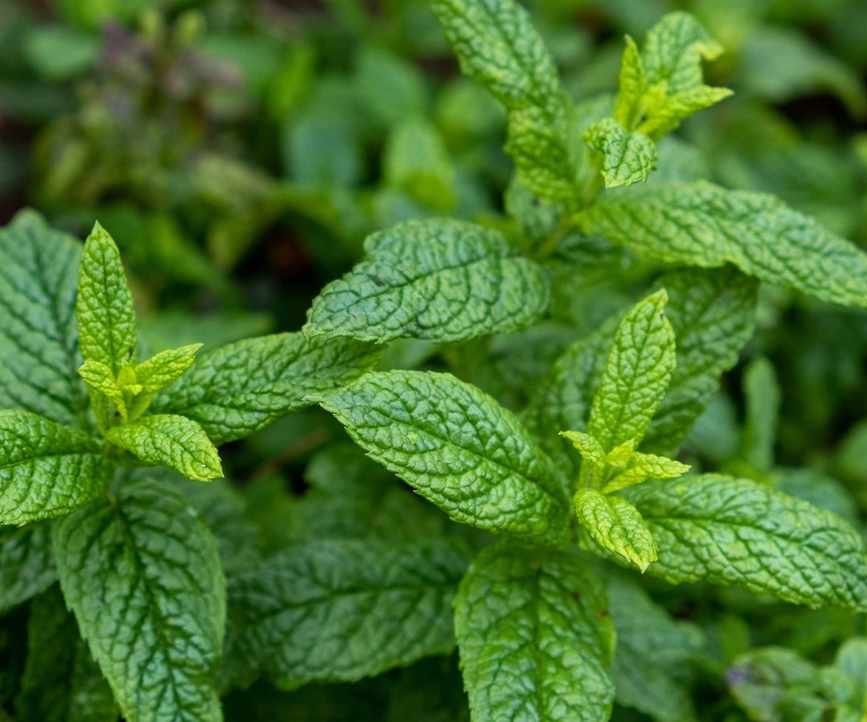
Mint (Mentha spicata) is a thug in the garden — it spreads aggressively by runners and will quickly outcompete zinnias for water and nutrients. 'Common mint grows aggressively and can compete for nutrients and space, especially in shared containers or tight beds,' notes Carrie Spoonemore. Instead, plant nasturtiums, basil, or parsley, which are well-behaved and enjoy the same sunny, moist conditions.
6. Cucumber
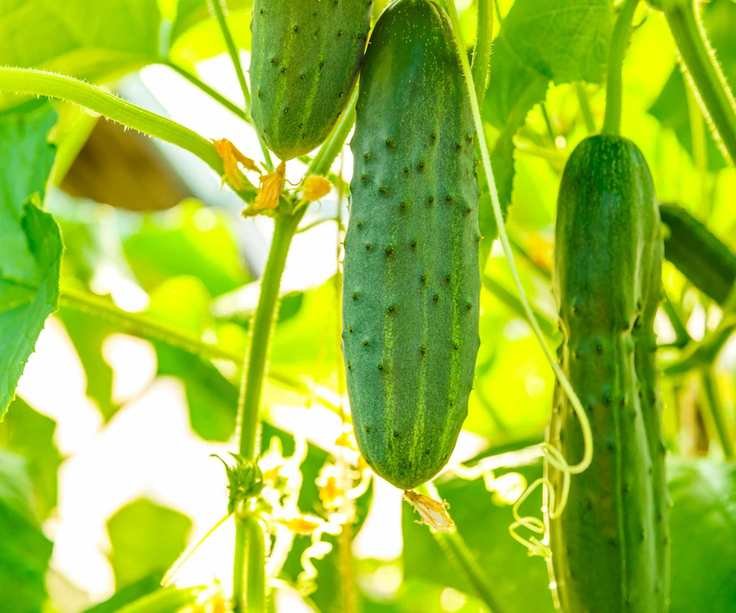
Zinnias and cucumbers share similar nutrient and water needs, but cucumbers are heavy feeders that will deplete the soil, leaving zinnias hungry. Plus, cucumbers attract cucumber beetles and are prone to powdery mildew — both of which can spread to zinnias, warns plant expert Katie Sunderlage of Holland Group. A better veggie companion is zucchini or squash. They also need full sun and regular water, but they're less greedy, leaving enough nutrients for zinnias to bloom.
7. Sunflower
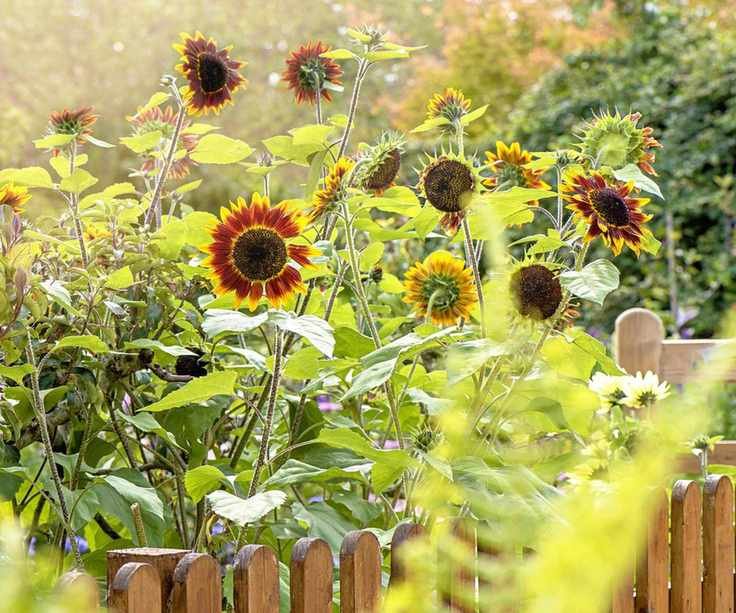
It's tempting to pair zinnias and sunflowers in a cutting garden, but it's a mistake. 'Both require full day sun to bloom well and as sunflowers continue to grow, they will shade out any zinnias growing near them,' explains Katie Sunderlage. The lack of light can prevent zinnias from germinating and flowering. A much better tall companion is cosmos — it has fine, airy foliage that won't block the sun, and it blooms at the same time, creating a dreamy pollinator-friendly display.
8. Morning glory
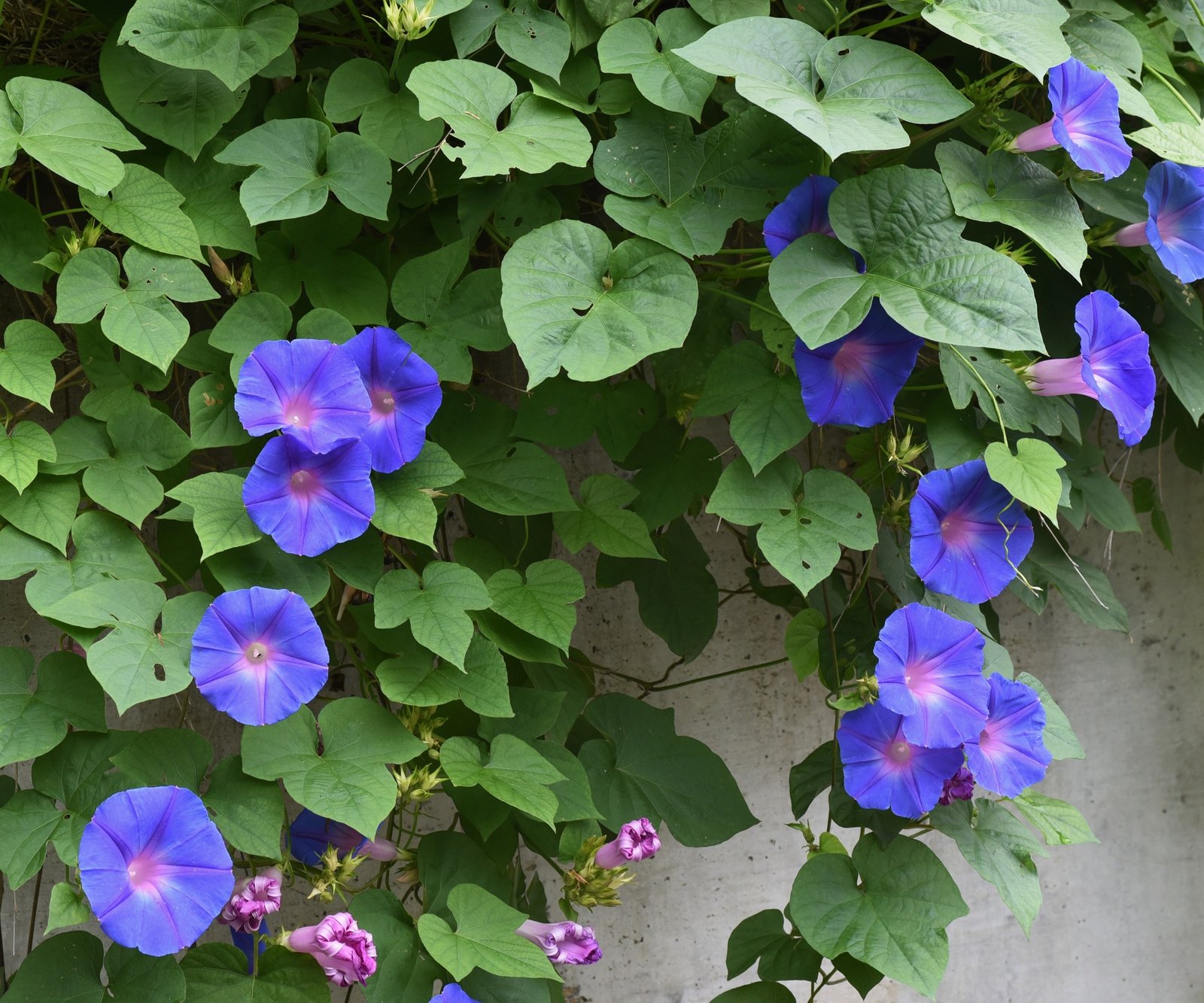
Morning glory (Ipomoea tricolor) is a vigorous vine that can quickly swamp zinnias, climbing up their stems and blocking light. It reaches up to 6 feet tall and its tendrils can entangle and stress upright plants. Instead, plant petunias — they're low-growing, come in every color, and won't compete for space or nutrients. Burpee Seeds has a wide range of petunia seeds, including the showstopping Splash Dance Calypso Cherry.
9. Tomato
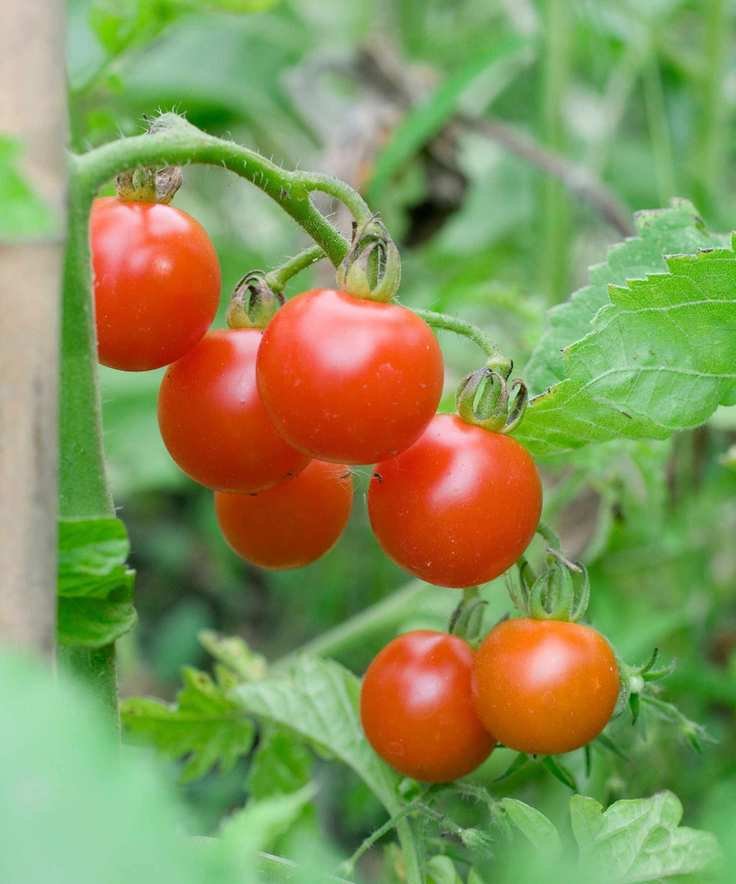
Tomatoes and zinnias both need lots of phosphorus and potassium — so they end up competing for the same nutrients. Tomatoes also grow fast and sprawl, shading out zinnias and reducing air circulation, which invites powdery mildew. Plus, tomatoes attract whiteflies and aphids that can move to zinnias' tender growth. Keep them far apart in the garden.
Want more companion planting wisdom? Check out these common companion planting mistakes and the best flowers to plant in a vegetable garden to deter pests.



