

Flower bulbs are the ultimate choice for adding beauty with minimal effort. Many varieties are virtually foolproof, making them perfect for novice gardeners.
From early spring bulbs like snowdrops and crocus to vibrant summer blooms such as rain lilies and gladioli, there’s a wide selection of low-maintenance flowers you can plant in the fall or spring.
As long as the soil isn’t too wet, most bulbs will bloom for at least one season, if not several. A popular trend is naturalizing bulbs in lawns, where they can multiply annually, enhancing your garden and attracting local pollinators. Here are nine fail-safe bulbs for guaranteed stunning blooms.
Botanical Tulips

“Not all tulips are perennial, which can disappoint new gardeners,” explains horticulture expert Peggy Anne Montgomery. “However, four types are indeed perennial: Darwin hybrid, Waterlily or Kaufmanniana, Fosteriana (Emperor tulips), and my favorite, Species tulips, which are all stunning additions to your garden.”
Species tulips like Tulipa sylvestris, the woodland tulip, are particularly easy to grow. This heirloom, popularized by Thomas Jefferson, thrives in various conditions and boasts a delightful fragrance. They grow about 5-10 inches tall (12.7-25.4cm) and are great for naturalizing in large groups.
Peggy notes, “Don’t underestimate their small size; these tough plants withstand spring winds and storms beautifully.”
You can find multipacks of species tulip bulbs on Amazon.

Peggy Anne Montgomery has over 30 years of experience in garden marketing and communications. Currently, she represents Dutch Royal Anthos, a trade organization for Dutch bulb growers in the US and Canada.
Alliums
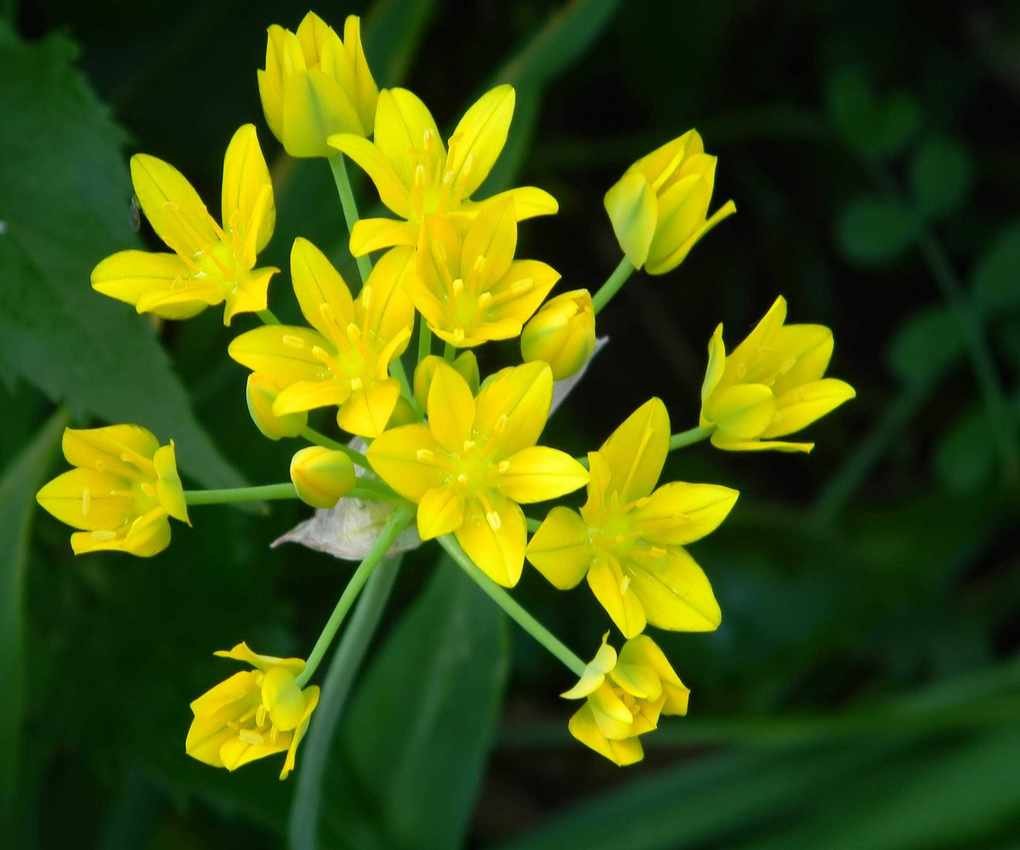
Alliums are loved by gardeners for their striking appearance and versatility. They work well in borders or pots and are generally easy to cultivate. However, some varieties are more reliable than others.
“Most alliums are perennial if properly planted and winter hardy,” says Peggy. “However, tall varieties can see a decline in blooms over time. The smaller types tend to be more reliable, such as the yellow Allium Moly and the delicate Allium Cowanii.”
“Their only downside is that the foliage appears early and may brown before blooming,” Peggy adds. “To solve this, I often pair them with Japanese painted ferns or hostas for year-round interest.”
Early Crocus

Nothing signals spring like a vibrant carpet of crocus. These tiny bulbs thrive in clusters, making a stunning display in window boxes or planters. While there are various types, some are easier to grow than others.
“Crocus tommasinianus and some species can be tricky with soil, but larger varieties like Crocus chrysanthus are simple to cultivate,” Peggy notes. “They bloom earlier than Dutch hybrids and tend to naturalize well.”
Mix them with daffodils and narcissi for a colorful and dynamic garden display.
Poet’s Daffodil

Renowned for their resilience, poet's daffodils feature tall, slender stems with pale blooms and a delicately ringed center. Narcissus poeticus appears later than other daffodils and is perfect for naturalizing.
Happy in full sun or partial shade, these hardy blooms thrive almost anywhere. “They only dislike wet conditions,” Peggy explains. “They're truly perennial and multiply reliably, rarely affected by pests or diseases.”
You can find poet's daffodil bulbs on Amazon.
Canna Lily

“Canna lilies are one of my favorite summer bulbs due to their fast growth and low maintenance,” says plant expert Katie Sunderlage. “They work beautifully as a backdrop in flower beds or as standout specimens in pots.”
These plants thrive in USDA zones 7-11 and can be grown as annuals in cooler areas. They flourish in full sun and tolerate moist conditions, quickly forming rhizomes that can be divided for new plants.
Their large, decorative leaves come in various colors, adding a stunning visual element to your garden.

Katie Sunderlage is the Operations Manager at Holland Group, overseeing customer service and purchasing. She's been in the green industry since 2005, earning a degree in Horticulture in 2008.
Crinum
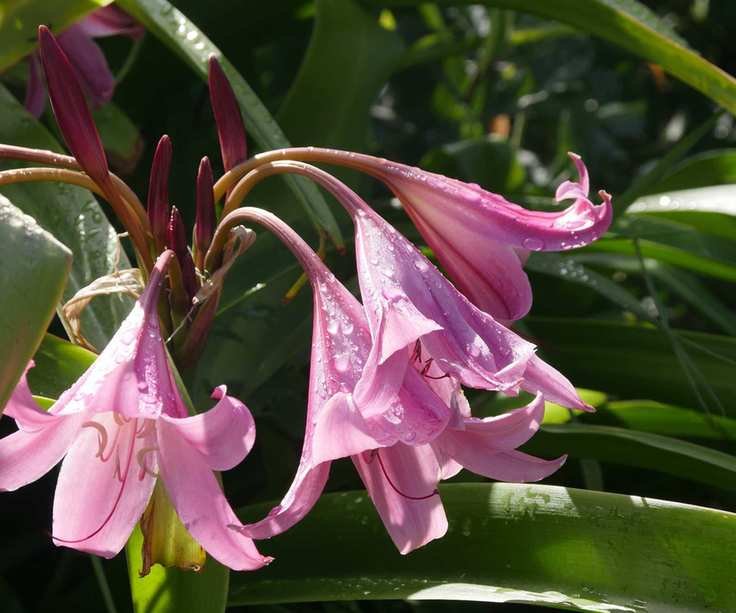
Crinum lilies, or swamp lilies, are known for their large bulbs and impressive blooms with minimal effort. Native to South America and South Africa, they thrive in various conditions as long as they aren’t waterlogged.
“These reliable flowers form the backbone of summer gardens,” says bulb expert Chris Wiesinger. “With mulch, many can survive freezing temperatures.”
From August to mid-fall, their trumpet-shaped flowers bloom in various colors. Chris recommends ‘Mrs. James Hendry’ for fragrance and ‘Ellen Bosanquet’ for vibrant pink flowers.
Plant these large bulbs with most of the bulb just below the surface, and don’t hesitate to trim any browning foliage.

Chris Wiesinger founded The Southern Bulb Company in 2004, aiming to provide bulbs that thrive in warm climates. He has a passion for heirloom bulbs and is the author of The Bulb Hunter.
Rain Lilies
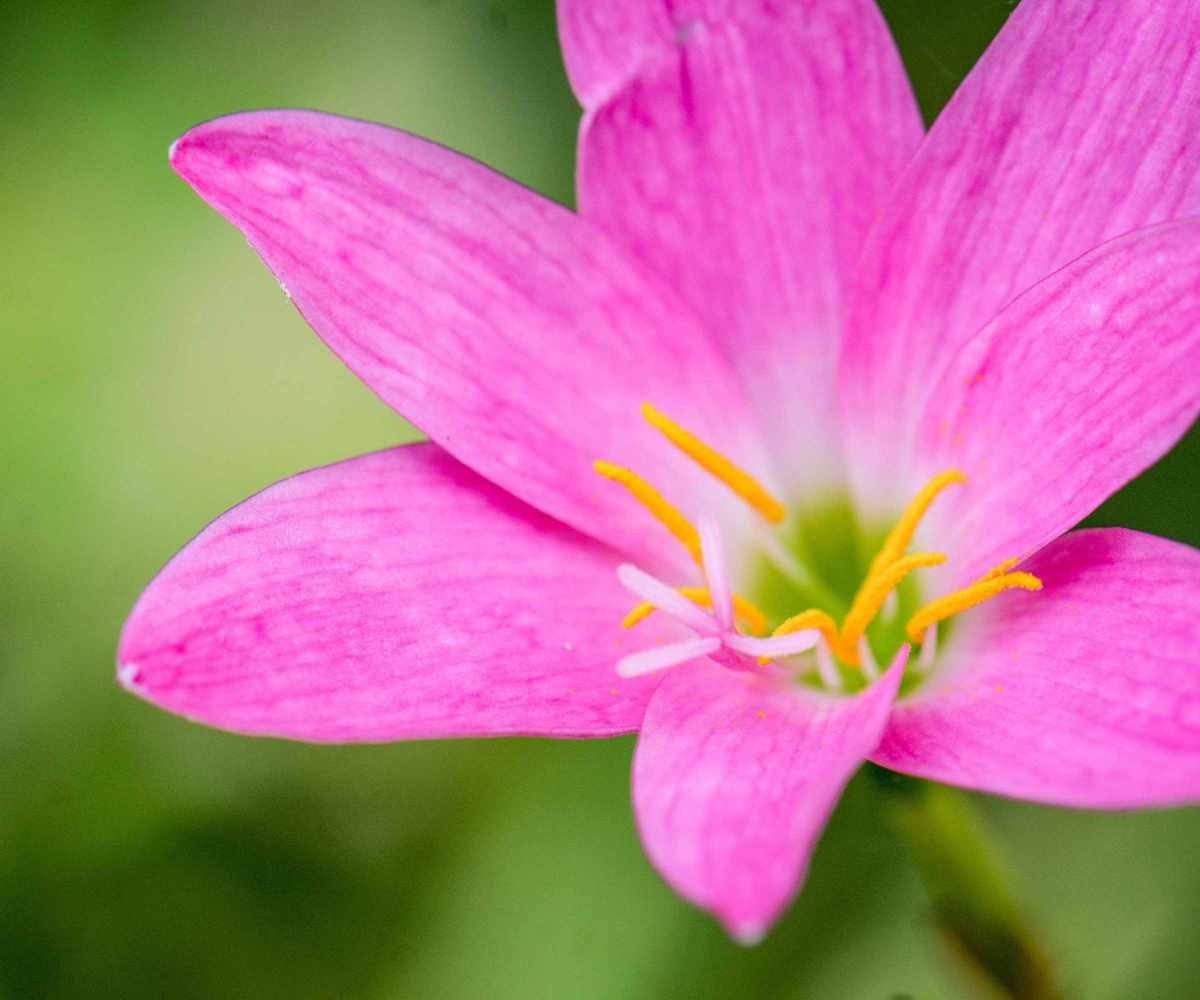
Rain lilies bloom in response to rainfall, bringing charm to gardens with minimal care. These easy-to-grow bulbs thrive in USDA zones 7-10 and require well-draining soil and plenty of sunlight.
“They’re like old friends, appearing when you least expect them,” Chris says. “Perfect for borders or pots, they come back every year.”
Plant them about an inch or two deep, and they’ll create beautiful displays along garden edges or in pots, brightening up your outdoor space.
Grape Hyacinth

Grape hyacinths, or muscari, are among the easiest bulbs to grow. In early spring, they produce clusters of vibrant blue and white flowers that naturalize effortlessly.
These bulbs thrive in neglected spots beneath trees and shrubs, offering early color before the leaves fully develop.
Standout varieties include the striking two-toned Muscari latifolium and the pure Muscari Aucheri 'White Grape'. You can also find Delft Blue Grape Hyacinth mix at Walmart.
Gladioli
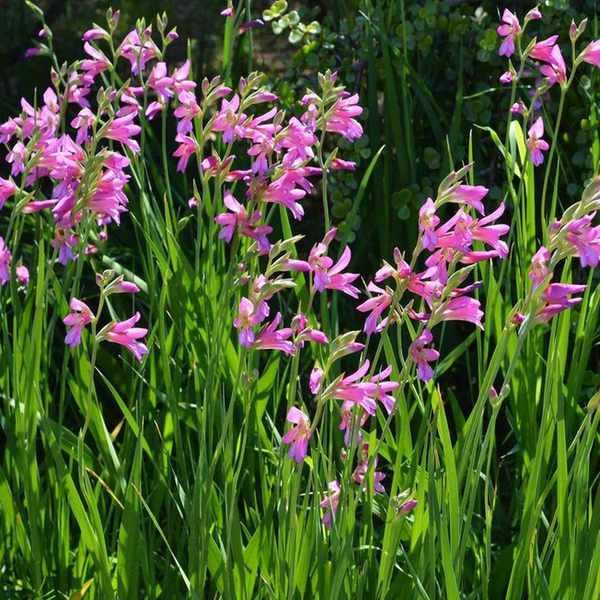
For stunning summer blooms, gladioli are a fantastic choice. These bulbs may look unimpressive when purchased, but they consistently produce tall flower spikes year after year.
Available in a wide range of colors and forms, smaller varieties like Gladioli byzantinus are especially easy to grow. They don’t require staking and can withstand strong winds.
“Gladioli thrive in various climates and can be planted every two weeks in spring for extended blooming,” Katie explains. “They prefer full sun and well-drained soil.”
Once you discover how simple it is to grow bulbs, consider expanding your gardening horizons with unique varieties. You might also find our guides on bulb planting depth and what bulbs to avoid in pots helpful.



