

Bulbs offer an easy way to introduce a stunning array of seasonal flowers to your garden. With various shapes and colors, they promise interest year after year.
Choosing the right spot is crucial, but equally important is determining the appropriate planting depth for your bulbs. If planted too shallow, they risk exposure to cold and may be disturbed. Conversely, planting them too deep can delay blooming or prevent flowers altogether.
Generally, bulbs should be planted at a depth of two to three times their height. However, the specifics depend on the bulb size. Let's explore the ideal planting depths for some popular garden bulbs to ensure a vibrant display.

Swathes of bulbs create a striking visual impact
Essential Tools for Planting Bulbs
Planting bulbs is a quick way to add seasonal color to your garden, whether in flower beds or pots. All you need are basic garden tools, like a trowel. Bulbs can be planted in spring or fall. A bulb planter simplifies the process, especially when planting numerous bulbs. An example is this Bulb Planter with Depth Mark, available at Amazon.
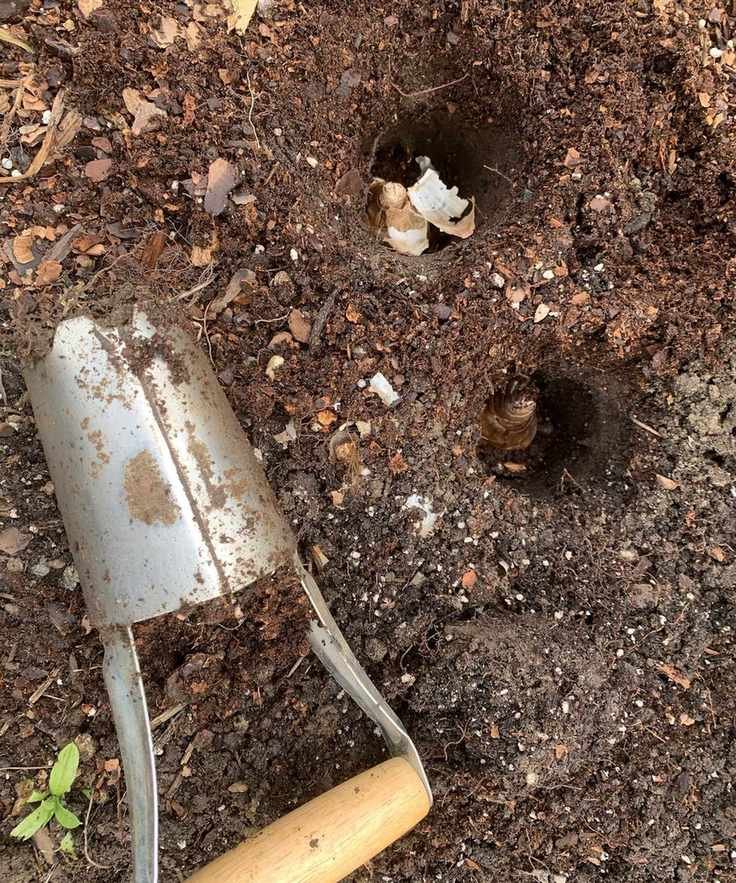
A bulb planter can streamline the planting process
Depth for Tulip Bulbs
Tulips are beloved spring bulbs, known for their diverse colors and forms. Tulip bulbs should be planted in October or November, ideally selecting bulbs with a circumference of about 4 inches, as smaller bulbs yield smaller flowers.
When planting tulips, ensure they are placed 6-8 inches deep and spaced at least 4 inches apart, with the pointed end facing up.
Explore various tulips at Dutch Grown

Tulip bulbs need to be planted 6-8 inches deep
Depth for Daffodil Bulbs
Daffodils are classic fall-planted bulbs, blooming from late winter. Different narcissus varieties flower at various times. The pointed shape of daffodil bulbs affects planting depth.
For standard daffodils, plant them at least 5-7 inches deep, about twice their height. Miniature varieties, however, need to be planted shallower due to their smaller size.
Browse daffodil options at Nature Hills
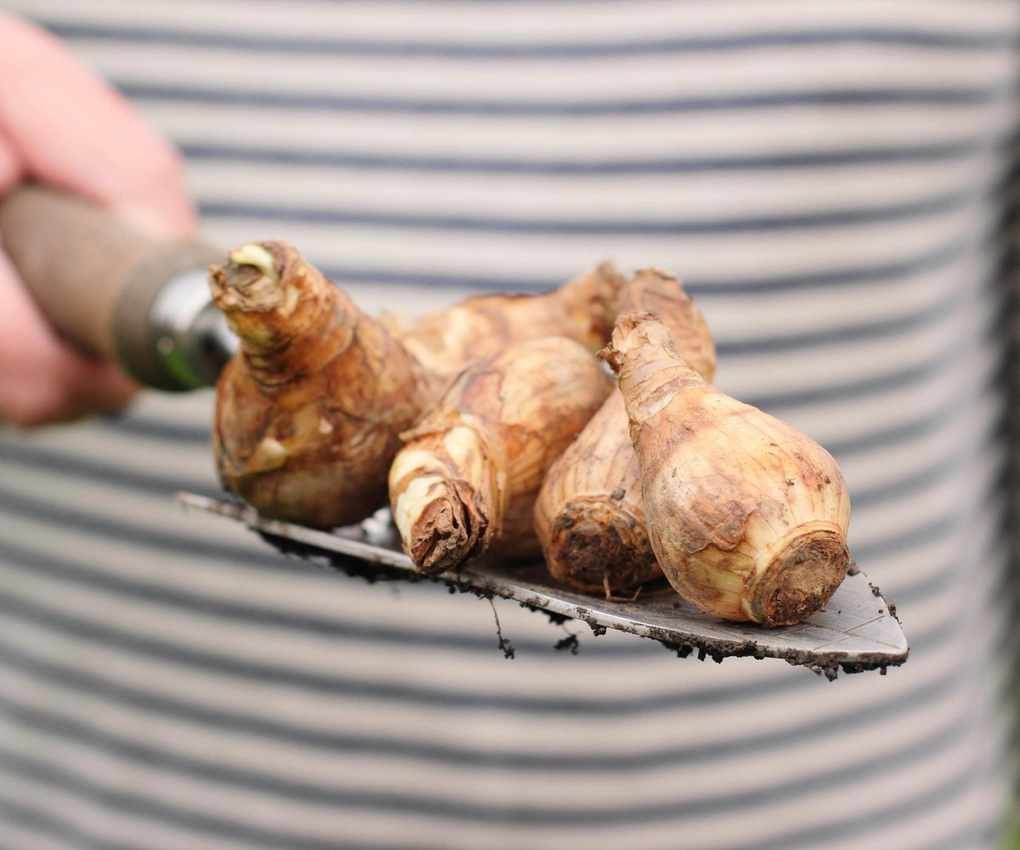
Daffodil bulbs vary in size
Depth for Gladiolus Bulbs
Gladioli, known for their tall blooms, come in various colors to enhance any garden. These plants grow from corms, which are often sold alongside traditional bulbs. A corm stores the nutrients needed to survive the winter.
Choose large, firm corms for the best results; larger corms generally produce more blooms and flower earlier. Plant gladioli in spring after the frost has passed. For large corms, a depth of 6 inches is ideal, while smaller ones should be planted around 3 inches deep.
Check out gladiolus selections at Burpee

Gladioli are planted in spring from corms
Depth for Iris Bulbs
Irises are popular perennial bulbs for fall planting. Bulbs like 'Iris reticulata' need to be planted about 3 inches deep, while Dutch irises should be placed around 6 inches deep.
Planting at the correct depth ensures they bloom year after year, allowing them to remain undisturbed during dormancy while receiving the cold needed for flowering. Smaller types are often grouped together or naturalized in grassy areas, while Dutch irises are excellent for cut flowers.

Irises can be closely planted in containers
Depth for Hyacinth Bulbs
Hyacinths are fall-planted bulbs that produce vibrant colors and scents in spring. These round bulbs should be positioned with the pointed end up. A depth of 6-8 inches is recommended, with a spacing of at least 3 inches between each bulb.
Handle hyacinth bulbs carefully as they can irritate skin. They can also be forced indoors with a different planting method; simply leave the top inch of the bulb above the compost.
Find hyacinth bulbs at Nature Hills

Handle hyacinth bulbs with care
Depth for Allium Bulbs
Alliums vary greatly in size, with some reaching over a meter tall. The planting depth corresponds with the bulb's size; larger bulbs should be planted deeper. Typically, alliums need to be planted in early to mid-fall.
Smaller and medium-sized alliums, such as the popular 'Purple Sensation', should go 4-6 inches deep, while larger varieties require at least 6 inches.
Explore allium options at Dutch Grown
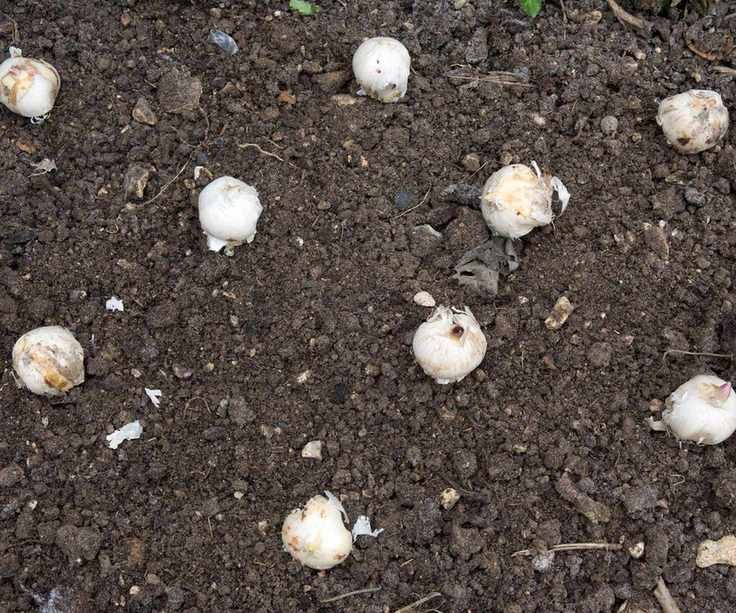
Alliums come in various bulb sizes
Depth for Lily Bulbs
Lily bulbs are planted in spring or fall for stunning summer blooms. They thrive when planted in clumps, ideally around 8 inches deep. Drainage is key, so many gardeners utilize a layer of grit beneath the bulbs.
Always plant them with the basal plate down and the pointy end facing up. Deep planting helps stabilize the plants as they grow, reducing the need for staking.

Lily bulbs benefit from a good drainage layer
Depth for Crocus Bulbs
Crocuses, another spring favorite, also grow from corms. Plant them in the fall before the ground freezes, at a depth of around 4 inches and 3 inches apart in well-draining soil.
Since squirrels are attracted to their bulbs, planting them deeper can help deter these pests. Alternatively, use chicken wire for added protection, or repel them with natural methods like coffee grounds or garlic.
Check out crocus varieties at Nature Hills

Crocuses should be planted about four inches deep
FAQs
Can bulbs be planted too deep?
Planting bulbs too deep can cause delayed flowering or even no blooms, as they may rot in the soil. Such bulbs often produce only foliage.
What if I don't plant bulbs deep enough?
Shallow planting can lead to premature shoots that may be damaged by cold. Additionally, bulbs planted too close to the surface are more likely to be eaten by squirrels or other pests.
Naturalizing bulbs in a lawn has become a popular trend. Many varieties can be planted in fall, including crocuses, snowdrops, daffodils, alliums, and fritillaries, creating a stunning annual display.



