
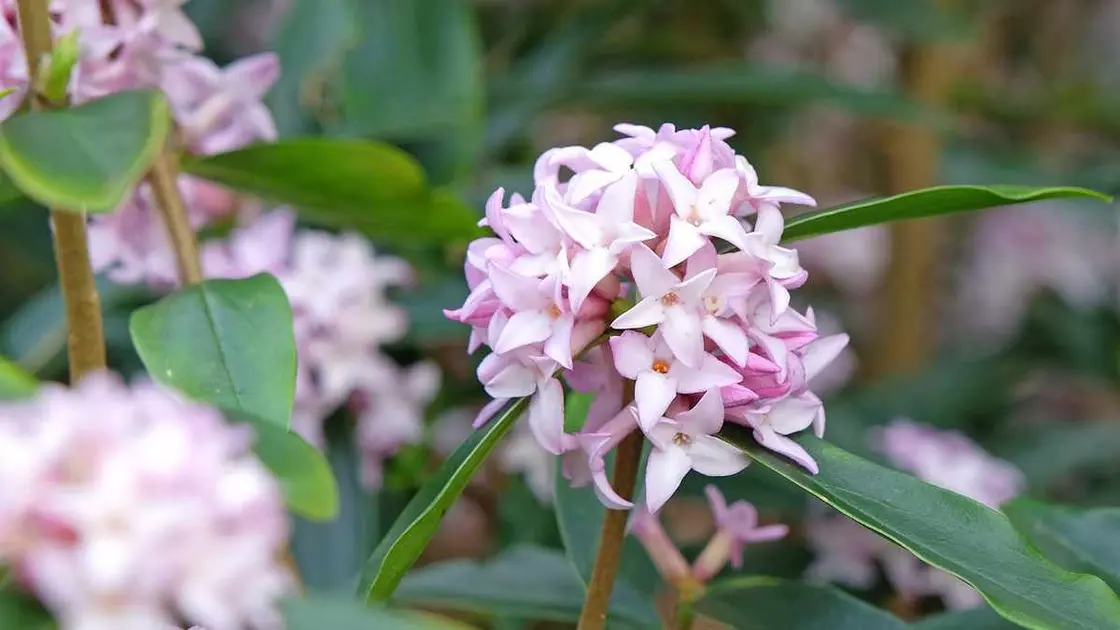
Pruning is crucial for maintaining a healthy garden, but knowing how to do it right is key. Some plants, especially Mediterranean herbs, thrive with minimal pruning and are classified as shrubs that should never be hard pruned. Overzealous trimming at the wrong time can leave your plants at risk and may lead to their decline.
During my time as a professional gardener in both the UK and Italy, I learned that proper timing and technique in pruning is essential, whether for topiary, herb gardens, or hedges.
In this article, a garden expert provides insights on which popular plants should never be hard pruned and offers tips on the correct way to prune shrubs. With a bit of foresight, you can help your shrubs thrive for years while keeping pests at bay.
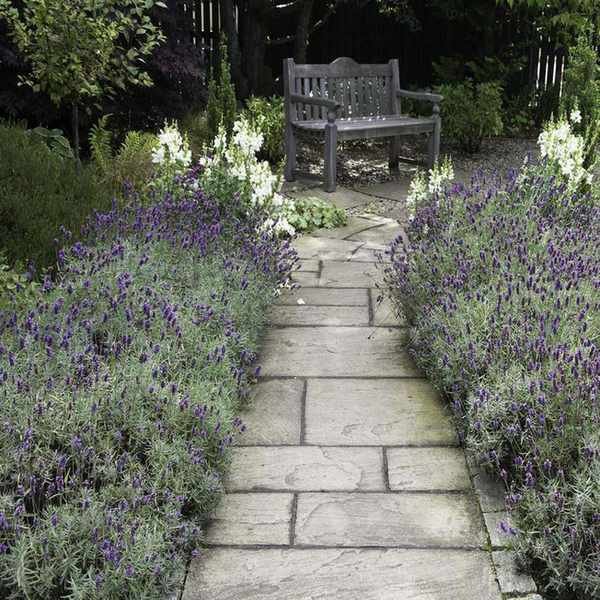
5 Shrubs to Avoid Hard Pruning
One frequent pruning error is cutting back too aggressively. Many shrubs can suffer serious damage if you remove all their green growth and cut into woody stems. While tidying the yard is tempting, careful planning for pruning is vital. Here are five shrubs to avoid hard pruning, as they respond better to a gentler approach.
1. Daphne
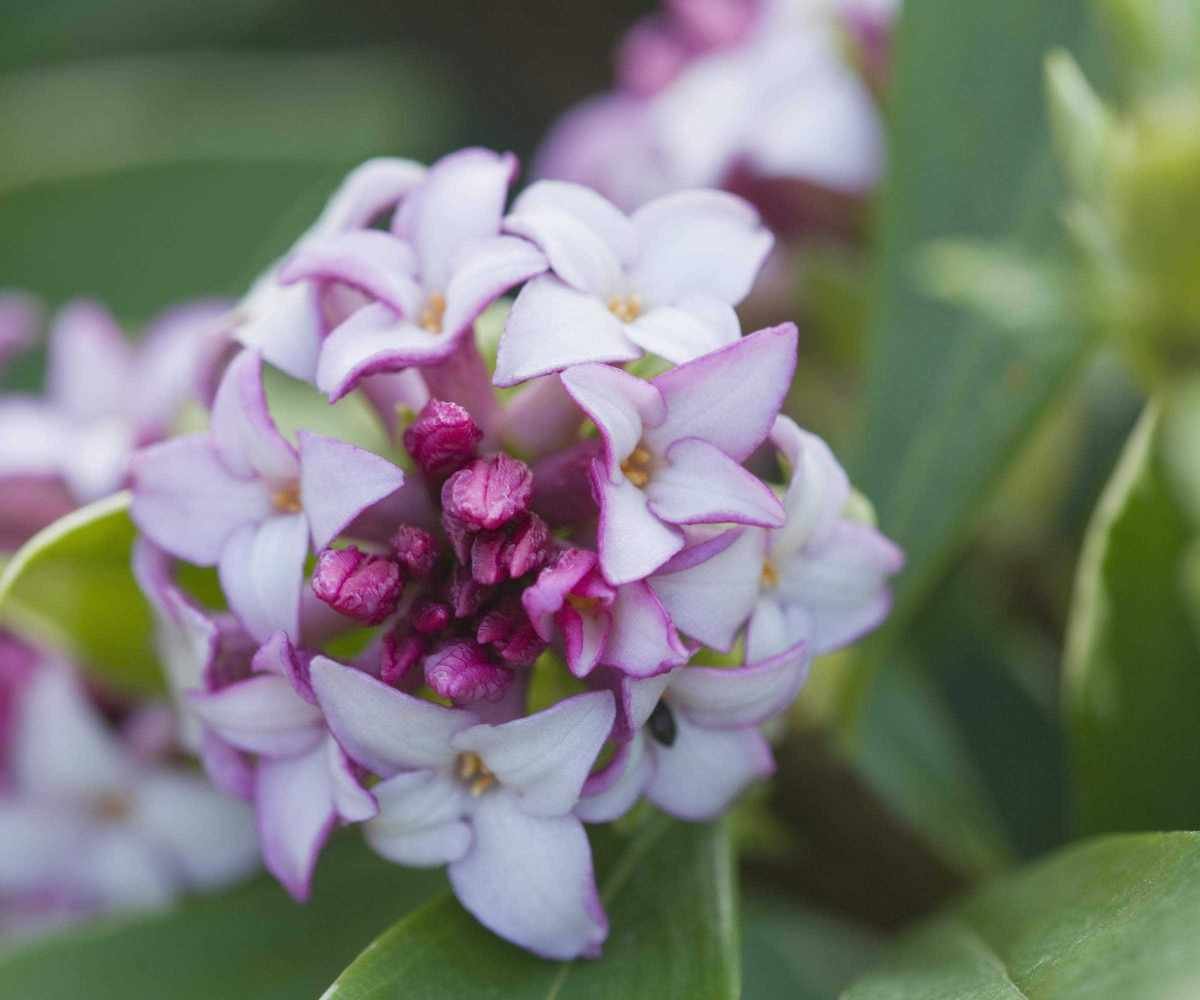
Daphne is a slow-growing shrub, typically adding about two to six inches in height each year. 'Pruning can lead to dieback,' explains a gardening expert. Therefore, it's best to refrain from trimming daphnes entirely, allowing them to grow naturally.
If you need to trim, spring is the best time, right after they finish flowering in March or April. Start by assessing the shrub to remove any dead or damaged stems, which will be easy to spot due to their lack of leaves and different bark color. Then, trim only a small amount of growth—generally no more than an inch.
Keep in mind that daphne plants are toxic, with sap that can irritate the skin. It's wise to wear long gardening gloves, available from Amazon to protect your hands during pruning.
2. Lavender
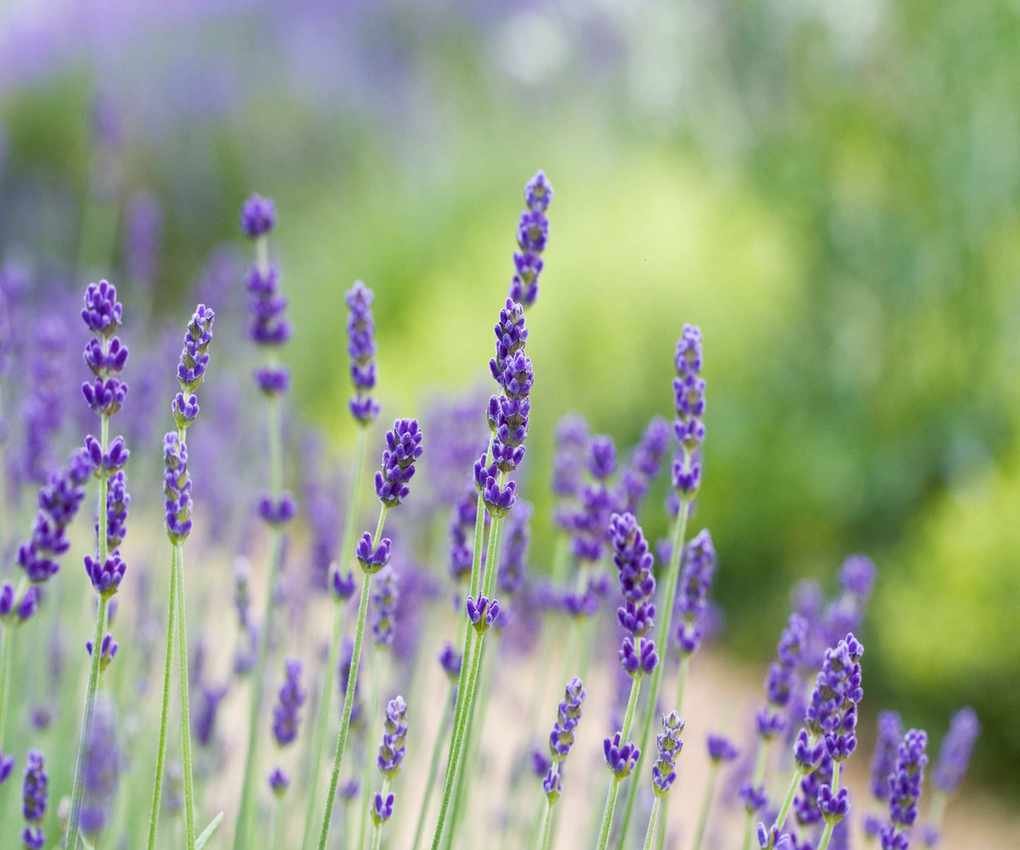
Lavender doesn't respond well to hard pruning. It's generally recommended to cut back about one-third of the plant each year, focusing only on green growth and avoiding old wood.
This regular, gentle trimming keeps your aromatic herbs from becoming woody. Most lavender pruning happens in summer after flowering, typically around August or early September, depending on your US hardiness zone.
If you need to revive woody lavender, a hard prune in spring might be necessary, but it carries risks. Consider taking cuttings as a backup, as older plants may not survive a severe cut.
3. Rosemary
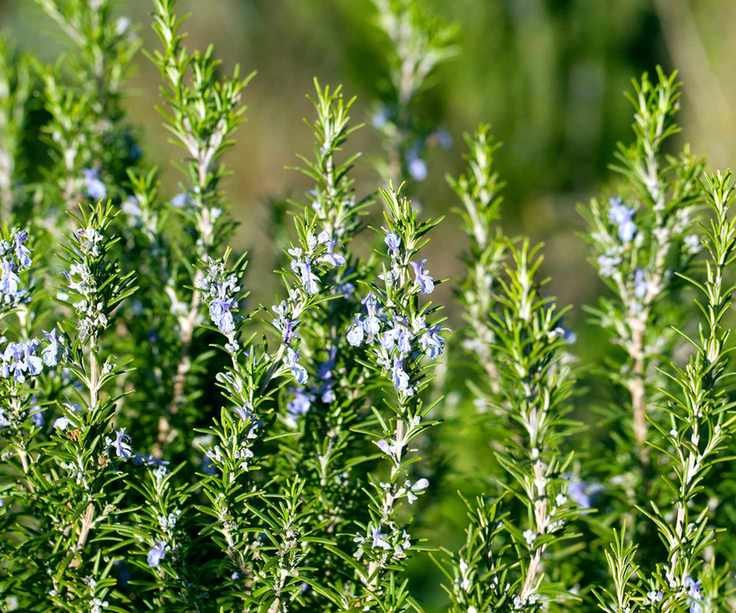
Pruning rosemary is best done after flowering in late spring or early summer. Similar to lavender, stick to the one-third pruning rule and avoid cutting into old wood, as this can stress the herb and lead to dieback.
Adding rosemary pruning to your late spring gardening checklist is smart. Just trim a little each year to prevent your plants from becoming overly leggy.
For pruning herbs, using small-handled shears can speed up the process and help maintain a natural shape. Try using Fiskars extendable pruners, available from Amazon.
4. Cistus
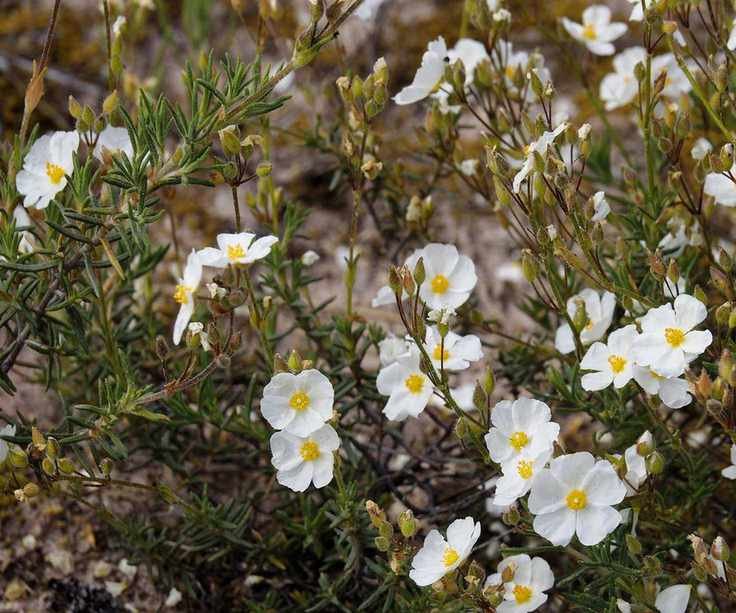
Cistus, or rock roses, are ideal for Mediterranean garden designs. These sun-loving plants feature lovely blooms and silver-green foliage, thriving particularly well in US hardiness zone 9.
These shrubs should not be hard pruned. While young cistus can be lightly trimmed in spring to promote bushiness, established specimens don't handle heavy pruning well. Limit your pruning to removing dead or damaged branches.
Additionally, deadheading in summer can help mature shrubs focus energy on growth rather than seed production. A strong garden waste sack, like this 48-gallon model available from QVC, is handy for collecting spent blooms.
5. Witch Hazel
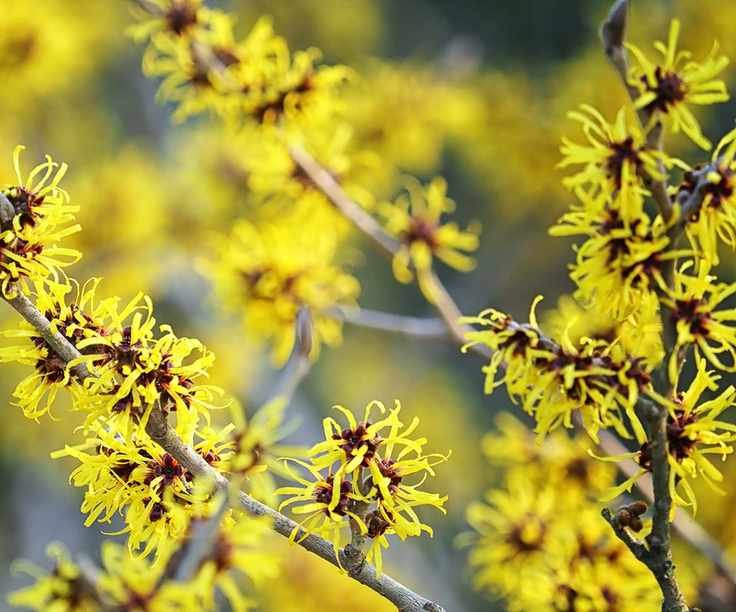
Witch hazel is another plant that can suffer from hard pruning. These are typically slow-growing and may be grown as small trees or shrubs, especially in shady areas.
It's best to remove only dead or damaged branches as needed, using tools like this Fiskars pruning saw, available from Amazon. Make clean cuts to healthy joints to avoid jagged edges that could invite pests.
Allow witch hazel to grow naturally for an attractive, multi-stemmed structure. If you do need to prune, such as to remove a crossing branch, do so after flowering in spring.
FAQs
Can I Hard Prune Evergreen Bushes?
When considering how to trim evergreen bushes, proceed with caution, as many are sensitive to hard pruning. Some types, like yew, may handle it well, while others, particularly conifers, often don't and may experience dieback. Research each species before starting.
Always disinfect and clean your gardening tools after each use to prevent disease transmission. Use warm, soapy water, and then quickly sharpen blades for an effective cut.
Besides these five shrubs, many trees, including native redbud, also struggle with hard pruning. For additional tips, check out our guide on pruning redbud trees.



