
Managing sensitive skin means being vigilant about everything, from fabric choices to cleaning products. Even a hint of fragrance can trigger discomfort.
This raises the question of how to wash clothes without compromising on the clean scent and softness of your laundry.
We consulted laundry specialists and dermatologists to gather their insights on achieving excellent results while ensuring your skin stays irritation-free.
Washing Clothes with Sensitive Skin
Skin issues like dryness and dermatitis can stem from harsh ingredients found in many popular laundry products. Therefore, it's crucial to avoid common laundry pitfalls and wash your garments in a manner that minimizes adverse reactions.
1. Select Suitable Detergents

One key laundry strategy for those with sensitive skin is to choose a high-quality sensitive detergent.
According to Dr. Alain Michon, a clinical dermatologist, it's best to select a detergent made explicitly for sensitive skin that's free from fragrances and dyes. These irritants can exacerbate skin issues. Even if you can tolerate scented products, sensitivities may develop over time. Fragrance-free options can keep clothes smelling fresh without the added irritants.
He adds, 'Terms like hypoallergenic suggest reduced chances of allergic reactions by excluding common irritants. Check ingredient lists to ensure they contain no fragrances or dyes.'
Expert recommendation: Arm & Hammer Sensitive Skin Free & Clear.
'This detergent is certified by the Mayo Clinic as safe for common skin allergens, free from dyes, perfumes, and parabens,' asserts Dr. Michon.
2. Use the Right Amount of Detergent
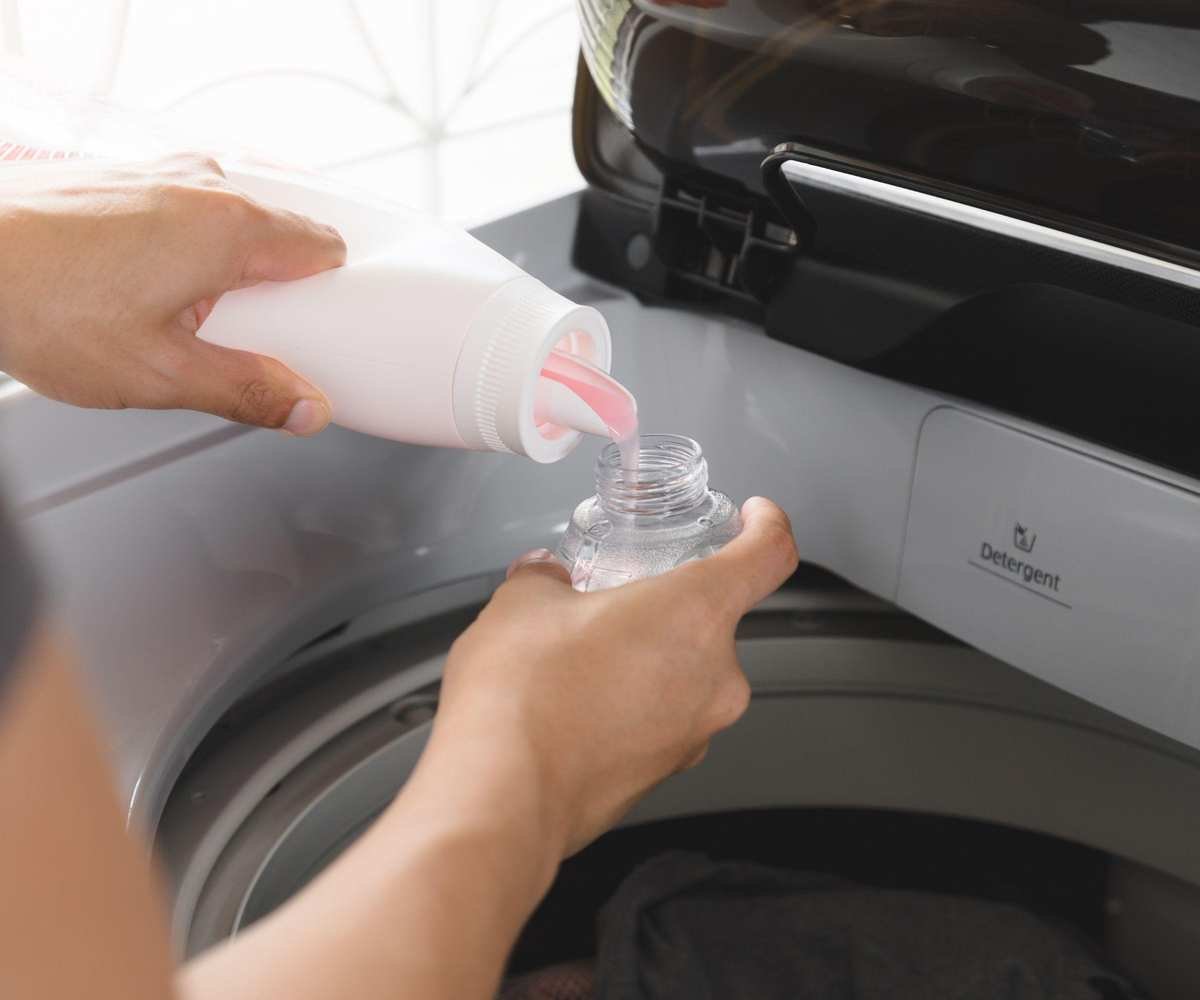
Reducing detergent usage benefits everyone, especially those with sensitive skin.
Dr. Michon advises, 'Detergent usually rinses out, but overuse can lead to skin irritation due to surfactants. Adhere to the recommended amounts based on load size and washer type.'
He suggests running an extra rinse cycle to eliminate detergent residue. If you're doing a small load, opt for liquid or powder detergents instead of pods for better control over the amount used.
If excess detergent remains, try adding white vinegar during washing. A cup in the detergent drawer can help remove stubborn residues.
3. Wear Gloves for Wet Laundry

Sorting laundry might seem basic, but damp fabrics can irritate sensitive skin. Stacey Tapping, owner of a beauty studio, advises wearing gloves when handling wet laundry for added protection.
Opt for 100% cotton gloves, as rubber or latex can provoke irritation.
4. Maintain Your Washer and Dryer

Residue buildup in your washer or dryer can compromise your detergent's effectiveness. Regularly clean your washing machine and dryer, especially if they're shared with others using scented products.
Cleaning with vinegar effectively eliminates mold and soap residue without harsh chemicals.
5. Opt for Natural Stain Removers

When stains occur, many reach for commercial stain removers, which can be risky for sensitive skin.
Instead, turn to natural options like baking soda. Combine baking soda with warm water or vinegar to form a paste and let it sit on the stain before washing. Arm & Hammer Baking Soda is a reliable choice for household cleaning.
6. Skip Softeners and Dryer Sheets

Detergents aren't the only culprits for skin irritations; softeners and dryer sheets can also be problematic. What can you use instead? Wool dryer balls are an excellent alternative, according to Dr. Hannah Kopelman.
'Fabric softeners often contain numerous fragrances and chemicals that can irritate sensitive skin. I usually recommend avoiding them and opting for wool dryer balls, which naturally soften clothes without harsh ingredients.'
7. Wash Separately from Others

Whether to separate laundry is a long-standing debate, but for sensitive skin, it's essential.
Will Cotter, cleaning expert, states, 'Keep synthetic fabrics separate from natural fibers like cotton. Synthetics can create friction, while natural fibers are gentler. This is particularly true for bath towels, which can trap more detergent and irritate sensitive skin.'
If household members don't share your skin concerns, washing sensitive items separately is advisable to prevent cross-contamination.
8. Invest in a Good Washer

Cleaning expert Will Cotter suggests upgrading your washing machine if possible. 'A quality machine with multiple rinse settings and gentle cycles is ideal,' he says.
'Avoid overloading it; cramming too many items in prevents proper washing and rinsing. Aim to fill it about three-quarters full.'
9. Wash with Cold Water

Cold water washing is another excellent practice for sensitive skin.
Will Cotter explains, 'While hot water can kill bacteria, it also sets stains and can damage delicate fabrics. Cold water is gentler and less likely to cause irritation. Using the gentle cycle minimizes agitation, reducing wear on fabrics.'
While you might expect fresh and clean clothes, if you have sensitive skin, it's wise to wash new garments upon bringing them home. They may contain chemicals or bacteria from manufacturing that can be eliminated with a quick wash. Don't forget to check for and remove irritating tags to prevent scratching.