
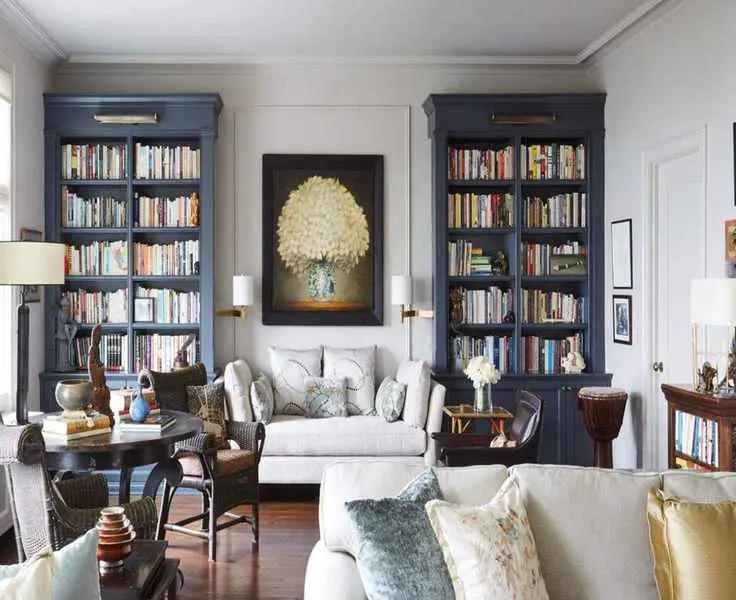
Congratulations on finding your forever home! This is the place where you'll nurture your family, cultivate your garden, and enhance your living space over the years.
However, as time passes, your home may require adjustments to suit your changing needs. Whether you're already experiencing the need for modifications or proactively planning for the future, making informed decisions now can help ensure your home remains welcoming and accessible. Here are key areas to consider, based on insights from home improvement specialists and architects.
Adapting Your Home for a Comfortable Future
A common concern is transforming a beloved home into a space that feels institutional. Fortunately, there are ways to implement changes that keep your home both stylish and functional for years to come:
1. Reassess Entry Points

Entry points are crucial; steps can pose significant challenges as you age. Diana Melichar, owner of Melichar Architects and a certified Aging-In-Place specialist, emphasizes the importance of evaluating these access points. She notes that even a single step can make a home unsuitable for anyone with mobility challenges.
Whenever possible, redesign entryways so that you can access your front door from a level surface outside or install a ramp at the garage door. If leveling isn’t an option for the front entrance, a side ramp may be necessary.
2. Widen Doorways and Hallways
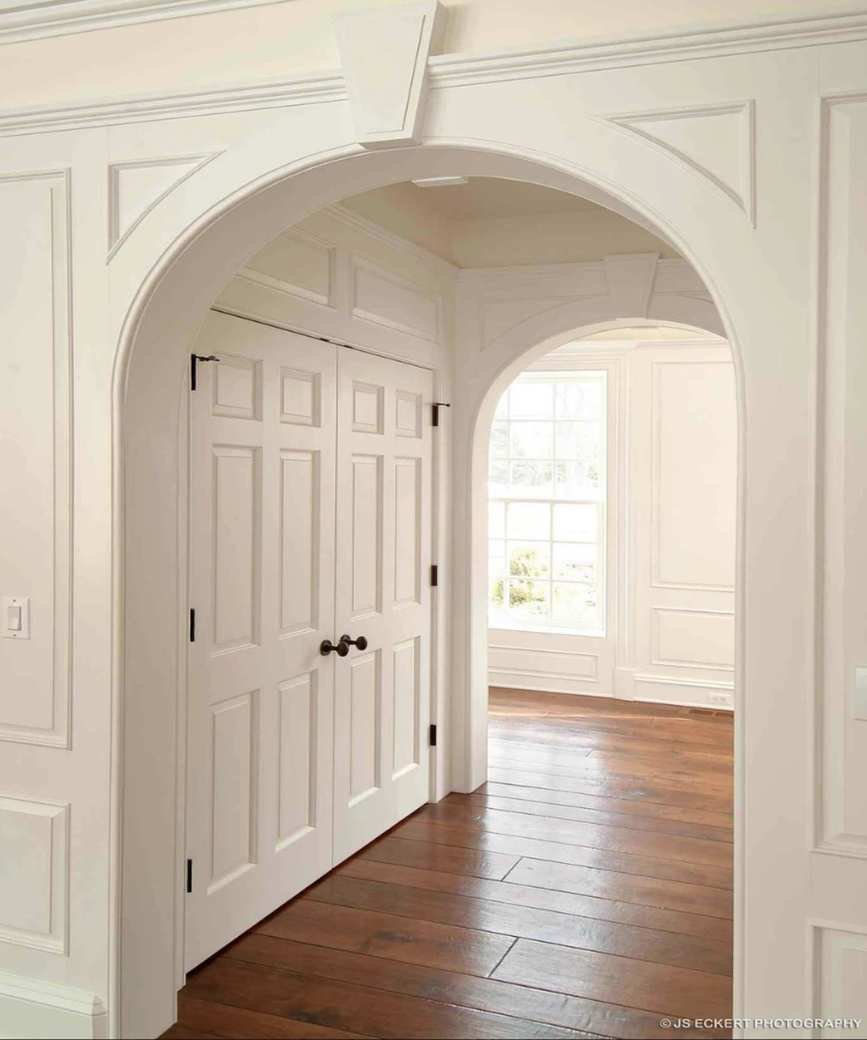
Wider doorways and hallways are essential if you're using or planning to use mobility aids like wheelchairs or walkers. Melichar recommends doors that are a minimum of 2'-10” wide, providing enough clearance when open for wheelchair access.
Hallways benefit from being at least 3’-6” wide, which is more accommodating than narrower options. Widening hallways can be a significant project, and if a hallway is too restrictive, consider redesigning that section of your home to create an open-plan layout.
It’s also crucial to ensure there’s enough space to turn a wheelchair around comfortably, with a minimum 5’-0” circle for maneuverability.
3. Remove Trip Hazards
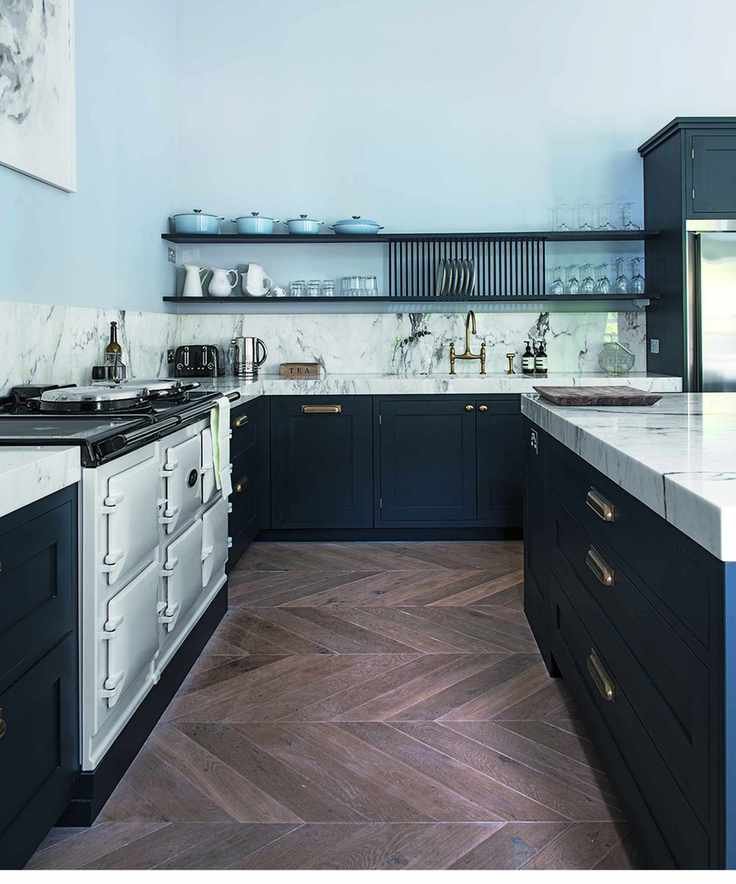
Making simple adjustments can significantly improve safety at home, particularly for older adults, without extensive renovations.
Start by evaluating your flooring. Areas like kitchens and bathrooms can become slippery due to spills, which may not be ideal for seniors. Instead of slippery ceramic tiles, opt for luxury vinyl flooring, or if tiles are already in place, consider adding non-slip mats in wet areas.
In living rooms and bedrooms, use rugs that are secured to avoid shifting. Additionally, installing bathtub and shower stickers can prevent falls, a risk that can lead to severe injuries.
4. Upgrade from a Tub to a Shower
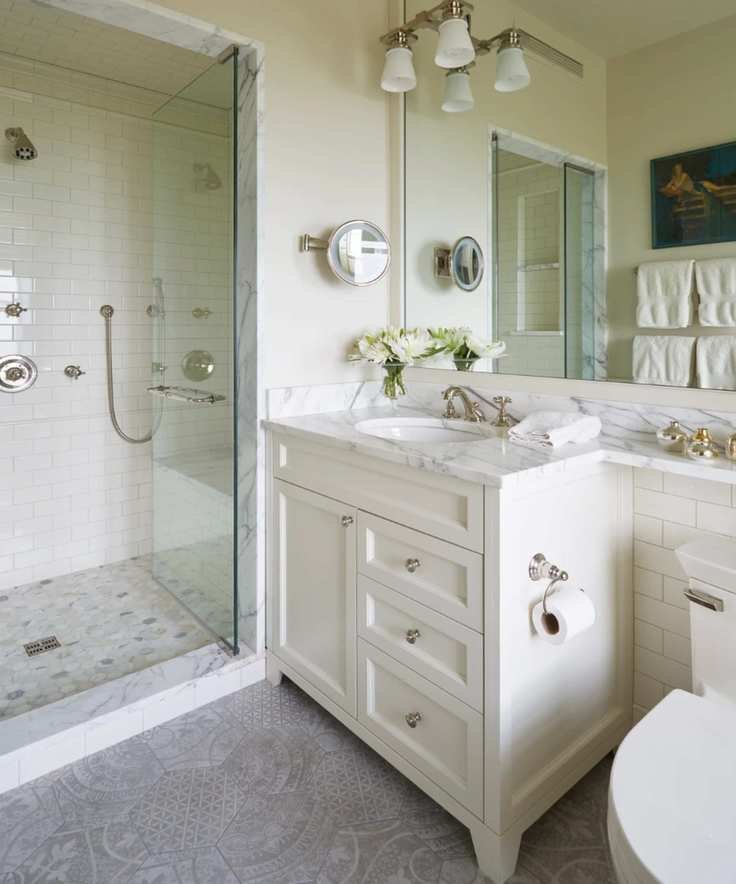
While soaking in a tub can be relaxing, as we age, getting in and out of a bathtub can become increasingly difficult. Melichar recommends replacing traditional bathtubs with zero-clearance showers.
She points out that lifting oneself out of a tub can be arduous, especially for those with back or joint issues. Installing a handheld showerhead can also enhance accessibility for those using a shower chair.
If your budget allows, consider a walk-in shower for a luxurious feel without the hassle of climbing in and out of a tub.
5. Utilize Smart Technology
Smart home devices can significantly assist those facing hearing or vision challenges. For instance, a smart smoke detector can connect to an app that alerts family members if a smoke alarm goes off, ensuring assistance even if the homeowner cannot hear the alarm.
6. Enhance Lighting
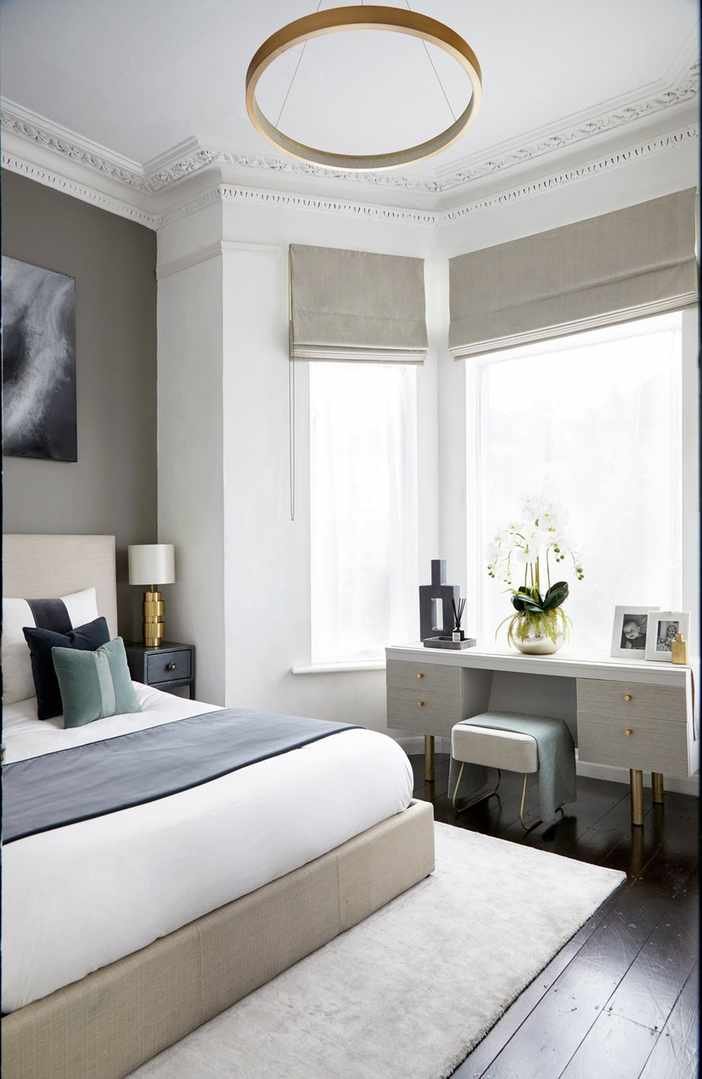
As we age, our vision can decline, making adequate lighting essential. While investing in reading lamps is a good starting point, consider improving brightness in stairways, hallways, and transitional areas.
Melichar suggests adding lights under stair treads and kitchen cabinets for additional illumination. Using contrasting colored spotlighting can also enhance visibility, as certain colors can be harder to distinguish for those experiencing age-related vision changes.
7. Prepare for Extreme Weather
As extreme weather events become more frequent, the impact on homes can be particularly challenging for older adults. Damage from storms or flooding can pose physical and emotional difficulties.
To mitigate these risks, Jill Kolling, Vice President & Chief Sustainability Officer at James Hardie, recommends investing in weather-resistant materials. For instance, replacing wood siding with fiber cement siding can bolster your home’s resistance to UV damage, high winds, and moisture-related issues.
According to Kolling, fiber cement siding is not only durable but also low maintenance, making it a smart long-term investment.
8. Convert Wood Fireplaces to Gas
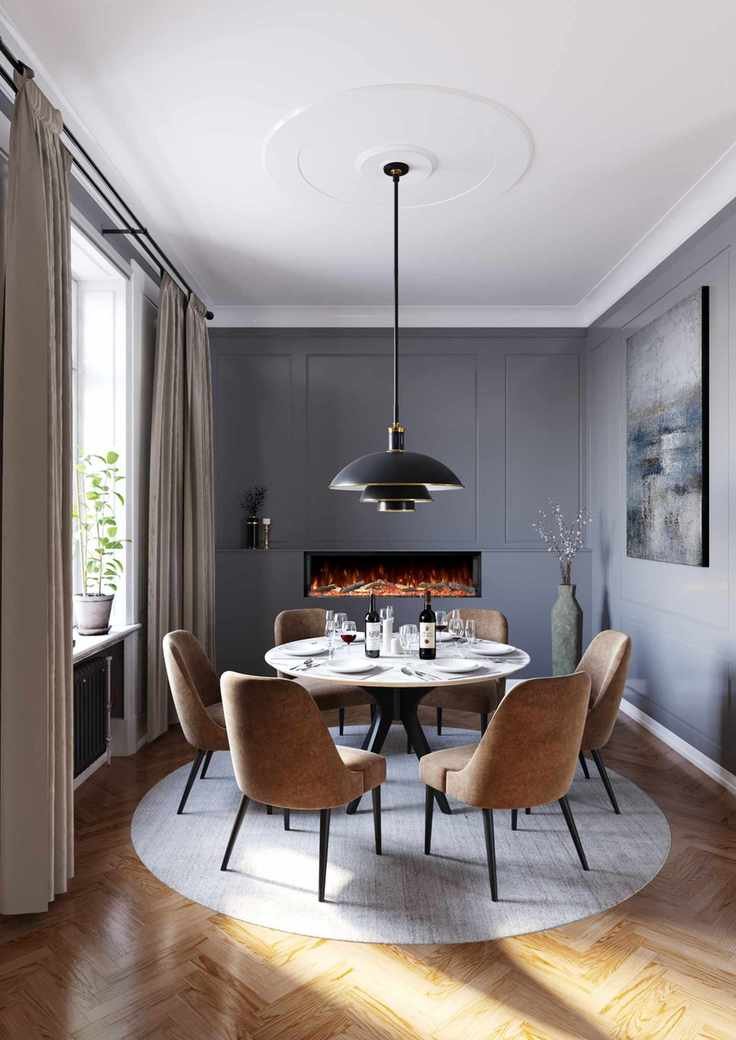
A traditional wood-burning fireplace can be a delightful feature, but the maintenance involved can become burdensome as we age.
To simplify, consider converting your fireplace to gas. Mike Swanson, a fireplace expert at Heat & Glo, explains that if you have a standard masonry wood-burning fireplace, you have several conversion options:
- Install a direct vent gas insert
- Install unvented gas logs or a vent-free insert
- Install vented gas logs
A heating expert can help determine the best option for your home.
9. Embrace Multi-Functional Design Changes
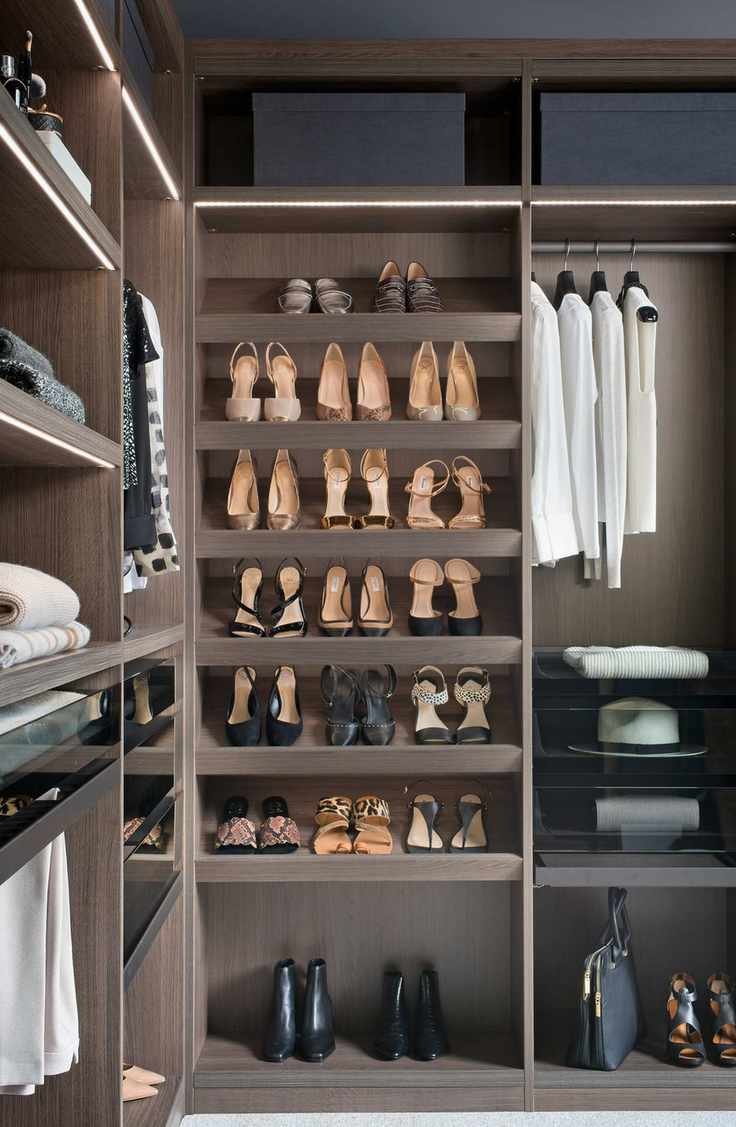
Consider making gradual changes to your home as your needs evolve. You may not want to install mobility aids until necessary, but you can prepare your space for future adjustments.
Melichar suggests planning for features such as an elevator chair by stacking walk-in closets on each floor, which can be converted for elevator use later.
Temporary cabinetry can also be designed to be swapped out for more accessible options down the line. For example, a bathroom cabinet can initially serve as storage, but the lower section can be removed later to accommodate a wheelchair user.
Engaging a qualified architect for these adaptations can ensure that modifications are both functional and aesthetically pleasing. Although hiring an architect may come at a higher cost, their expertise can help maintain the beauty of your home while implementing essential changes. Look for architects with a CAPS (Certified Aging-in-Place Specialist) certification for the best results.



