
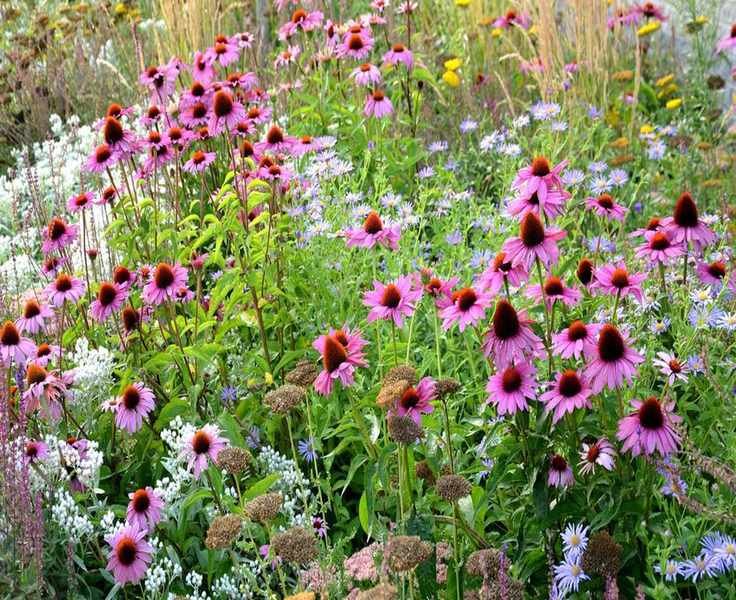
Springtime can be tough for those with allergies, especially as tree pollen levels rise in April. To create a more enjoyable garden, consider incorporating low-pollen plant alternatives.
Choosing plants that produce less pollen and are pollinated by insects can significantly alleviate allergy symptoms. Plants that release heavier pollen types are ideal, as they disperse less into the atmosphere.
With these low-pollen swaps, you can cultivate a stunning garden that minimizes allergy triggers. You can enjoy a beautiful, low-allergy garden throughout the spring and summer months.
Replace High-Pollen Plants with Low-Pollen Options
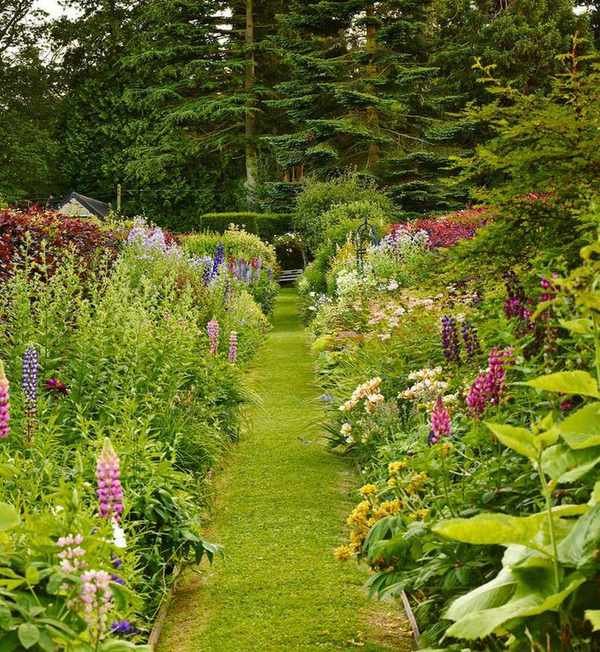
A vibrant garden doesn't have to come with high pollen counts. There are plenty of low-pollen flowers that offer stunning visuals without the allergy concerns. Avoid blooms such as asters, daisies, and sunflowers, which can aggravate allergy sufferers due to their high pollen production.
Instead, consider planting peonies, roses, snapdragons, or fuchsia, which are less likely to trigger allergies. Flowering shrubs like hydrangeas and tulips also provide beauty with minimal pollen release.
Double-flowered roses are particularly beneficial since they produce less pollen than their single counterparts. For a lovely addition with less pollen, check out the Pink Double Knock Out shrub rose at Nature Hills, which boasts vibrant blooms.
Choose Insect-Pollinated Over Wind-Pollinated Plants
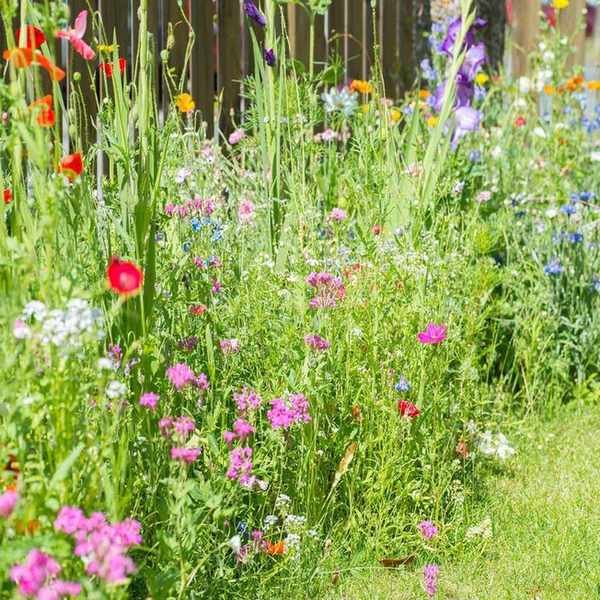
Wind-pollinated plants are the main culprits for high pollen counts, releasing large amounts into the air. Trees like oaks and birches are notorious for this, as are ornamental grasses and ragweed.
To create a low-pollen landscape, opt for insect-pollinated plants that rely on bees and butterflies. These plants often feature colorful flowers that draw in pollinators while producing heavier, less airborne pollen.
As Dominique Kline from The Hope Farm notes, gardens can be beautiful and allergy-friendly. Native azaleas, magnolias, and camellias are excellent options that produce heavier pollen, reducing airborne allergens.
Consider adding zinnias, coneflowers, or alliums to attract pollinators while keeping pollen levels low.
Opt for Female Trees Instead of Male Trees
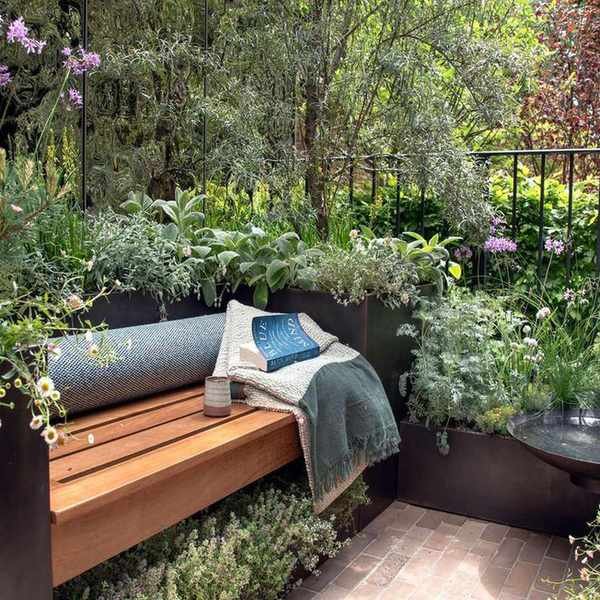
When selecting trees, the gender can play a significant role in pollen production. Female trees do not release pollen but rather receive it, making them ideal for allergy sufferers.
While male trees are often preferred for their cleanliness, they are the main pollen producers. Dominique Kline suggests that female trees can help reduce pollen while still offering fruit and flowers.
Fruit trees, such as the Liberty apple tree at Fast Growing Trees, are great choices as they are low in pollen and provide edible rewards.
Replace Ornamental Grasses with Flowering Perennials
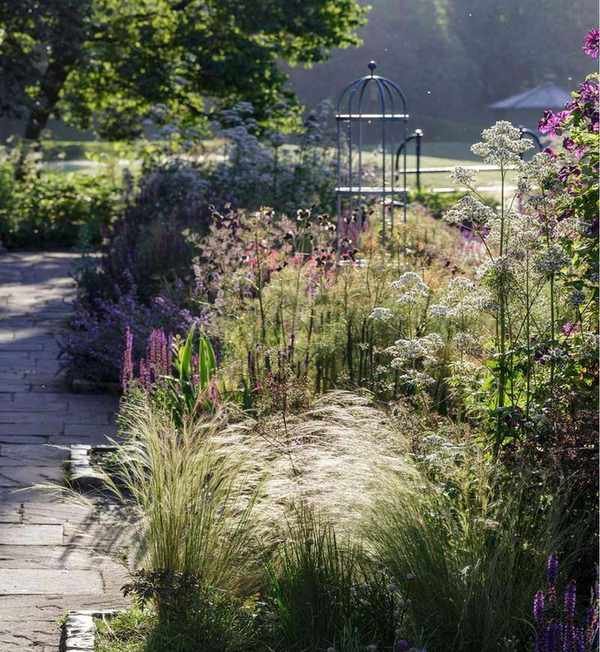
Ornamental grasses can release substantial amounts of lightweight pollen. Instead, consider flowering perennials that provide similar aesthetics without the pollen issues.
For instance, Joe Pye Weed offers tall blooms and is a native plant that attracts pollinators while minimizing airborne pollen. The Gateway Joe-Pye Weed plant at Nature Hills is a wonderful addition for height and drama in your garden.
Another lovely native option is Veronicastrum, known for its graceful lilac flowers that attract beneficial insects.
Consider Alternatives to Traditional Lawns
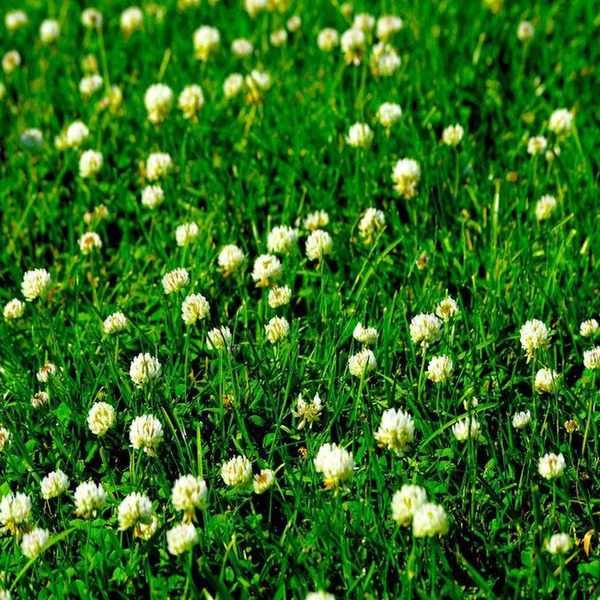
Traditional lawns are significant pollen producers, especially during peak seasons. Common grasses like fescues and bluegrass release large amounts of pollen into the air.
While regular maintenance can help, a more effective solution might be to replace conventional grass with alternative types. A clover lawn is a low-pollen, eco-friendly option that also attracts pollinators.
For a natural alternative, consider growing a creeping thyme lawn, which is visually appealing and fragrant. You can find creeping thyme seeds at True Leaf Market.
Explore Low-Pollen Plant Options
For allergy-friendly gardening, consider these options:
- Sarah Bernhardt Peony: Known for its large pink, double blooms that are fragrant and visually striking.
- Zinnia Seeds Mix: Offers a colorful display with multiple varieties that are insect-pollinated.
- Rozanne Hardy Geranium: This cultivar blooms from late spring to frost without self-seeding.
Be mindful of pollen release times when gardening if you have allergies. For more tips, check out this guide on how to garden with hayfever to enjoy your outdoor space without the allergic reactions.



