We often struggle to find enough storage in our homes, no matter their size. However, professional organizers caution against using certain popular storage locations that could jeopardize our belongings.
While it's tempting to cram items into any available space, some home storage solutions can lead to significant damage, sometimes irreparably.
Fortunately, experts offer alternative organizing tips to help maintain a neat and safe environment for your possessions.
6 Locations to Avoid for Home Storage
Different items require specific storage conditions. A spot that works for one type of item might be detrimental to another.
Here are the areas professionals advise against using for certain items, along with reasons why it's a poor choice.
1. Basements and Garages

While it may seem controversial, storing some items in basements and garages is risky, according to a home organization expert. Kristin Macrae warns, 'Never store uncontained paper or items in cardboard boxes down there. Moisture and pests can wreak havoc on these materials.'
She suggests using seal-tight, weather-resistant bins to safeguard your belongings and assist in organizing these areas more effectively.
Basements and garages can also accumulate dust and attract pests, making storage less reliable.
Large Plastic Storage Bin | $69.99 for 2 at Walmart
These transparent, stackable containers are ideal for winter clothes or seasonal decorations.
2. Crawl Spaces
'Crawl spaces are worse than garages,' says Raychel Klein, a professional organizer. She strongly advises against using these areas for storage:
'Out of sight means out of mind. Plus, these spaces are exposed to temperature extremes and moisture that can damage your items, even if they're in weatherproof containers. It's best to avoid them entirely.'

Raychel Klein founded her home organization business in 2020 to help people break free from clutter.
3. Attics

Attics are another common storage area that can harm delicate items. Kim Jones, a home organization expert, states:
'Attics can become very hot, particularly in humid regions. Many people store photographs, artwork, and sentimental items there, but heat and moisture can cause irreversible damage.'
4. Bedrooms

While bedroom storage is necessary for clothing and essentials, these spaces shouldn't be used for general household items, notes Kim Jones:
'Keep bedrooms serene and free from distractions. Storing bills and paperwork here will disrupt your peace, as they'll be the last things you see at night and the first in the morning.'
Keeping unrelated items out of the bedroom promotes better feng shui, enhancing your overall rest and relaxation.
5. Under the Sink
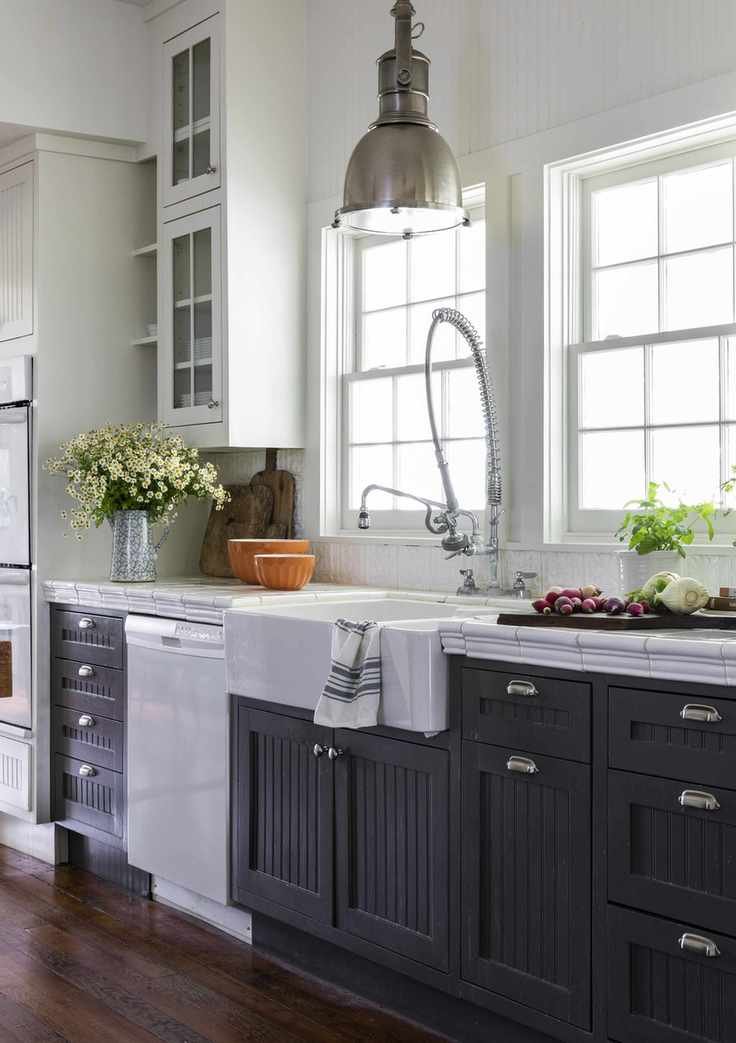
Storing cleaning supplies under the sink can expose them to damp conditions, causing items to degrade faster. Millie Hurst, a section editor, explains:
'Instead, choose another cabinet away from food to store these products in a drier environment.'

Millie Hurst provides practical home advice based on years of experience in journalism.
6. Kitchen Counters

Raychel Klein advises against using kitchen countertops for storage:
'I encourage my clients to keep these surfaces clear. Leaving items there leads to clutter over time. Use collapsible dish racks or portable mixers that can be stored in a drawer.'
FAQs
What are the Best Places for Home Storage?
Optimal storage locations are in the rooms where you use the items. Built-ins and cabinets can help keep necessary items organized nearby, like storing cookbooks in the kitchen or linens in an upstairs closet. Seasonal items can be safely stored in attics or basements if properly contained.
What to Do if You Have No Storage?
If storage is limited, consider decluttering to create space for essentials. Dispose of items in poor condition, donate, or sell them, allowing you to invest in multifunctional furniture or storage solutions to prevent future shortages.
While experts recommend avoiding these storage locations, Raychel Klein also suggests rethinking what you store where:
'Adopt the mindset of not keeping items unrelated to the space. Group similar items together to make tracking your belongings easier. It's common to find kitchen tools lost in the basement while shoes end up in the office.'