

A stunning houseplant that's also easy to maintain? That's the charm of the string of hearts.
April marks the beginning of its active growth phase, so it's time to pay attention to soil moisture and increase watering frequency. This month is perfect for fertilizing, pruning, and propagating your string of hearts to ensure it flourishes in the upcoming warm months.
While caring for a string of hearts is fairly simple, these tasks are vital for promoting healthy foliage and growth. Here's what you need to do this April.
1. Increase Watering Frequency
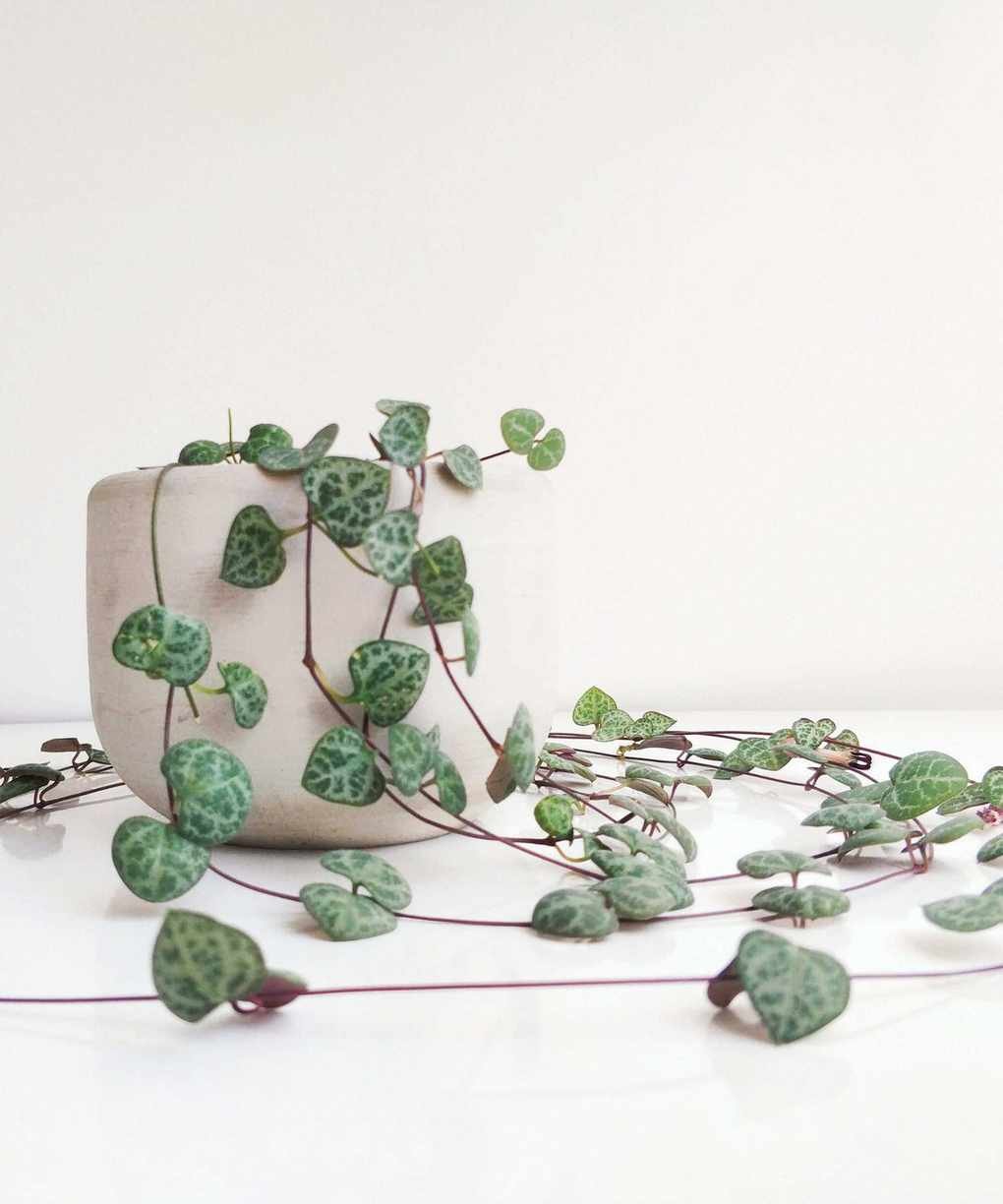
With warmer spring temperatures, your string of hearts will enter a new growth phase, making it thirstier than during its winter dormancy. Tenielle Jordison, a gardening expert, advises, "Your string of hearts will need more hydration now; they don't like to be dry for too long." It's best to water every 7-10 days during spring and summer.
2. Keep an Eye on Soil Moisture
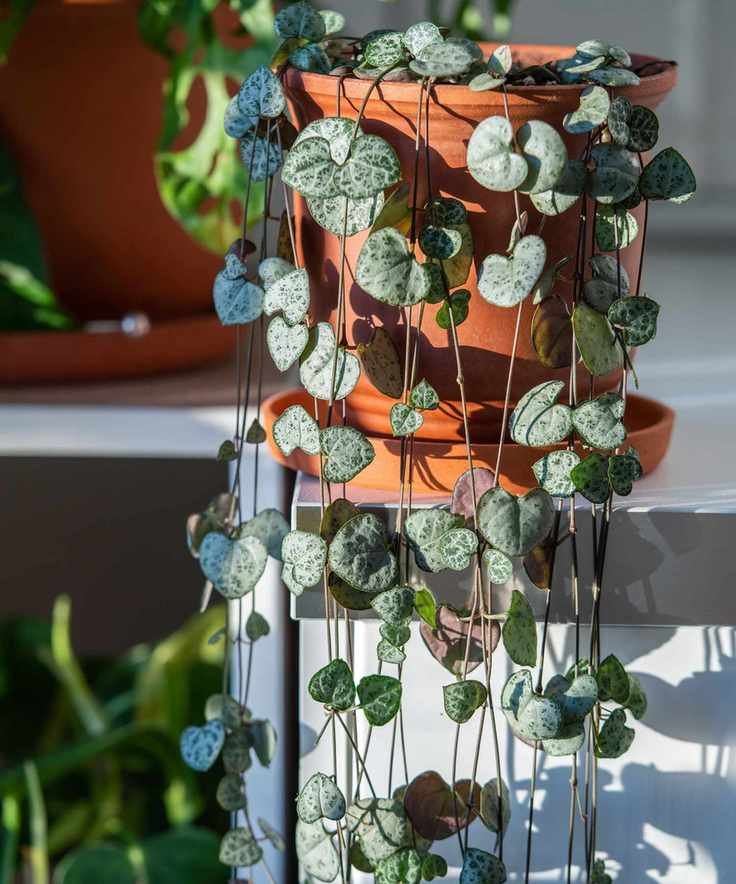
While regular watering is crucial, string of hearts can suffer from overly wet soil. These semi-succulent plants, native to South Africa, need to dry out completely before the next watering. Overwatering can lead to root rot, but waiting too long can cause shriveling and leaf drop. A soil moisture meter is a great investment for monitoring this balance, often available for under $20.
3. Start Fertilizing
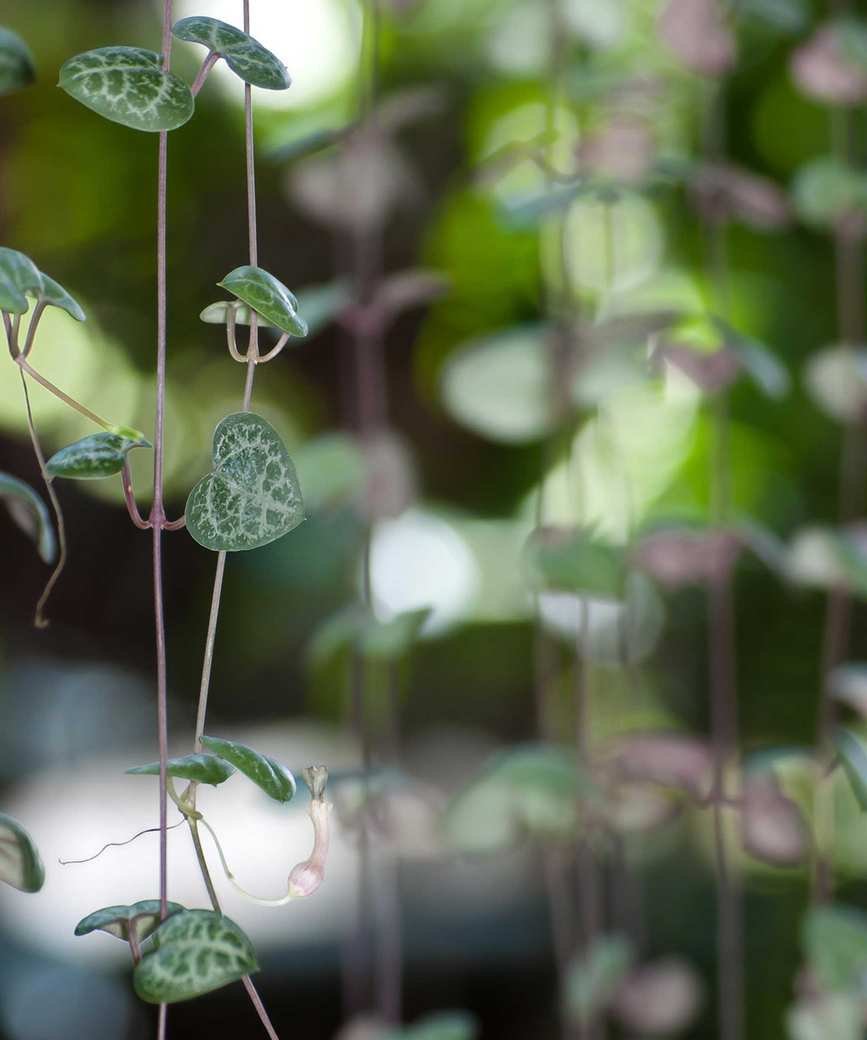
April is an excellent time to begin fertilizing your string of hearts. As nutrients in the soil deplete over time, using a balanced houseplant fertilizer can replenish them. A good option is Miracle Gro indoor liquid plant food. It's recommended to dilute it to half-strength and feed your plant monthly during spring and summer to avoid root burn.
4. Prune Your Plant
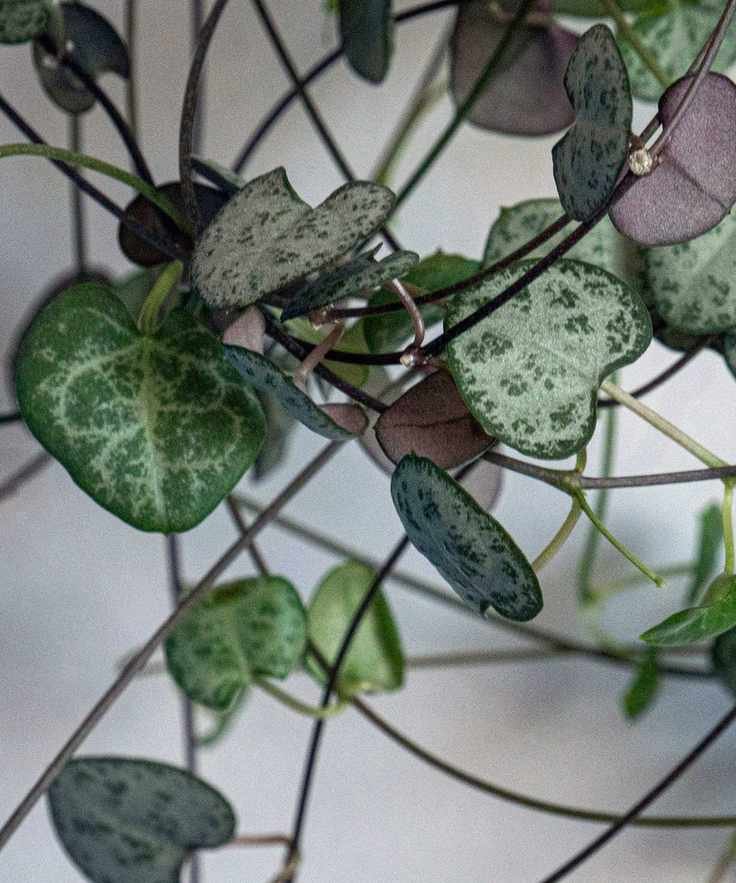
As spring unfolds, pruning your string of hearts is essential. Trim off any excessively long strands to encourage a bushier appearance and stimulate growth. Cut just below a leaf node using sharp snips; pruning shears are great for this task.
5. Propagate with Ease
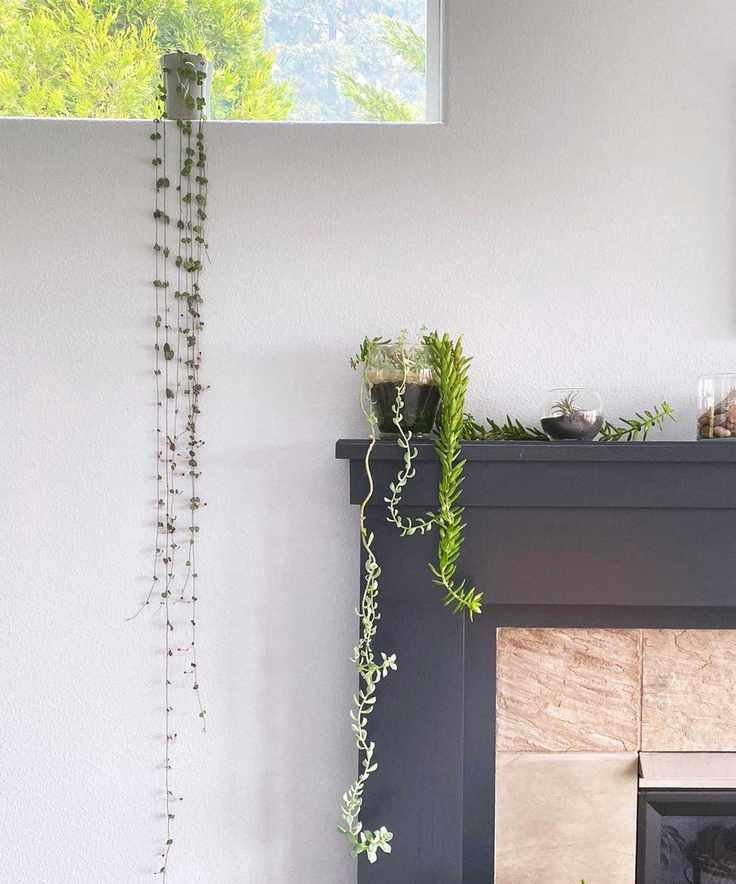
Propagating your string of hearts is straightforward. After pruning, take the cuttings, remove the lower leaves, and place the ends back into the soil. They typically root within 2-4 weeks, provided they receive enough light, warmth, and moisture. This not only makes your plant look fuller but also allows you to create new plants from the cuttings.
Recommended Products
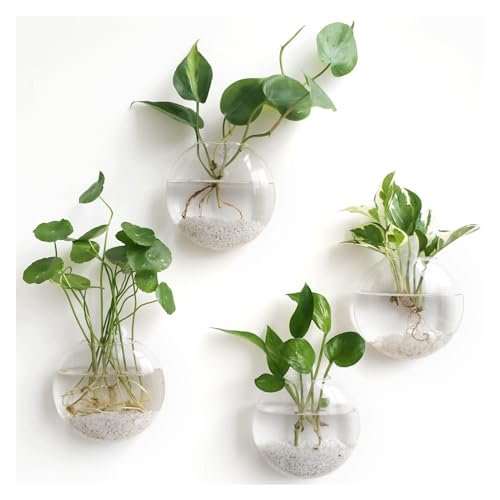 Stylish Propagation Station
These sleek, wall-mounted containers allow you to observe root growth after propagating your plants.
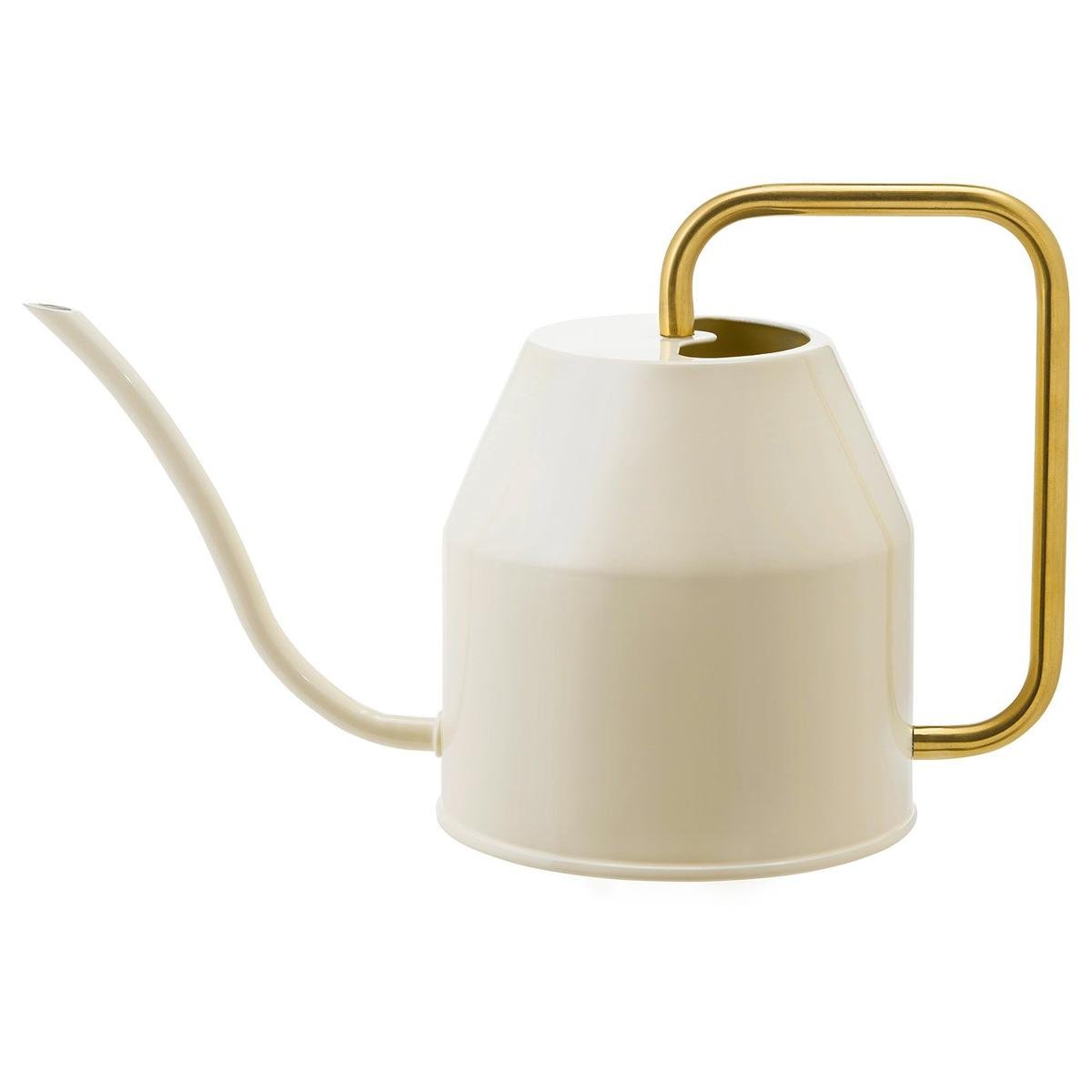 Chic Watering Can
A quality watering can is a must-have for indoor gardening, and this one is both stylish and durable.
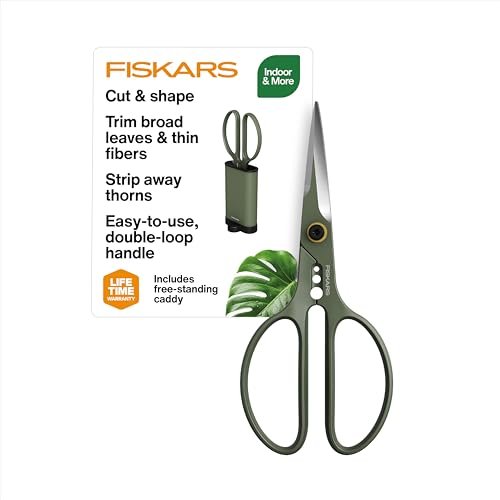 Essential Pruning Tool
These indoor gardening scissors are perfect for precise cuts and even come with a built-in stem stripper.
Looking to expand your houseplant assortment? Check out our guide to the best indoor plants and discover the top indoor succulents.



