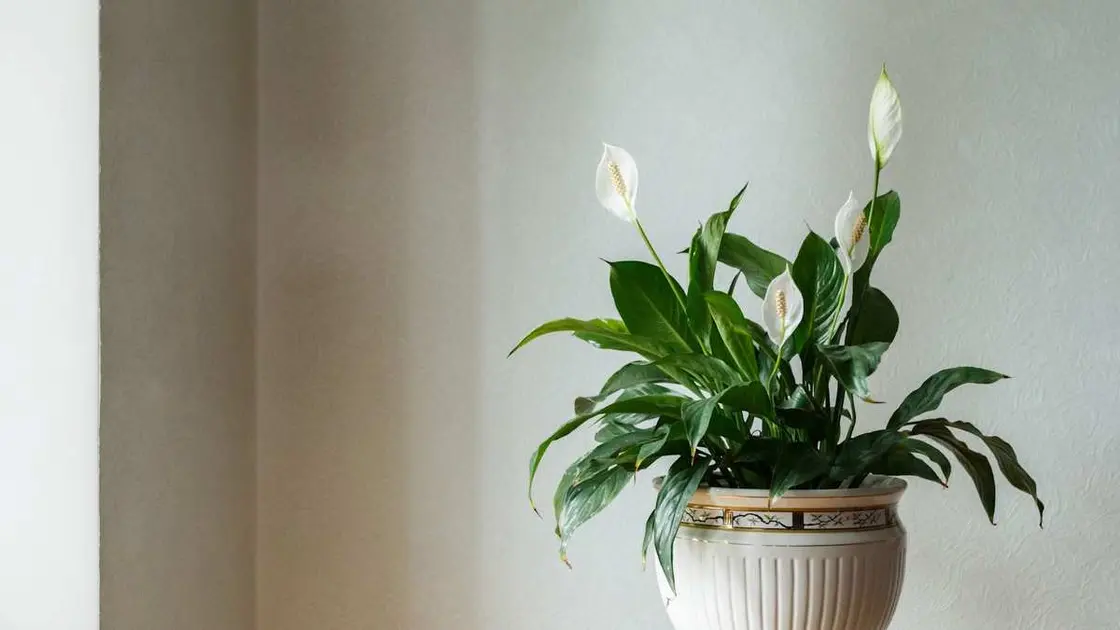
Peace lilies, or Spathiphyllum, are popular houseplants admired for their air-purifying abilities and striking blooms.
Although caring for peace lilies is usually straightforward, several factors can affect their health. Brown leaves can indicate underlying issues that require attention to keep your plant thriving.
Here are five common reasons for browning leaves and effective solutions to address them.
What Causes Brown Leaves on My Peace Lily?
If your peace lily's leaves are browning, a few potential factors might be at play. Here are five frequent causes along with expert recommendations.
1. Watering Issues
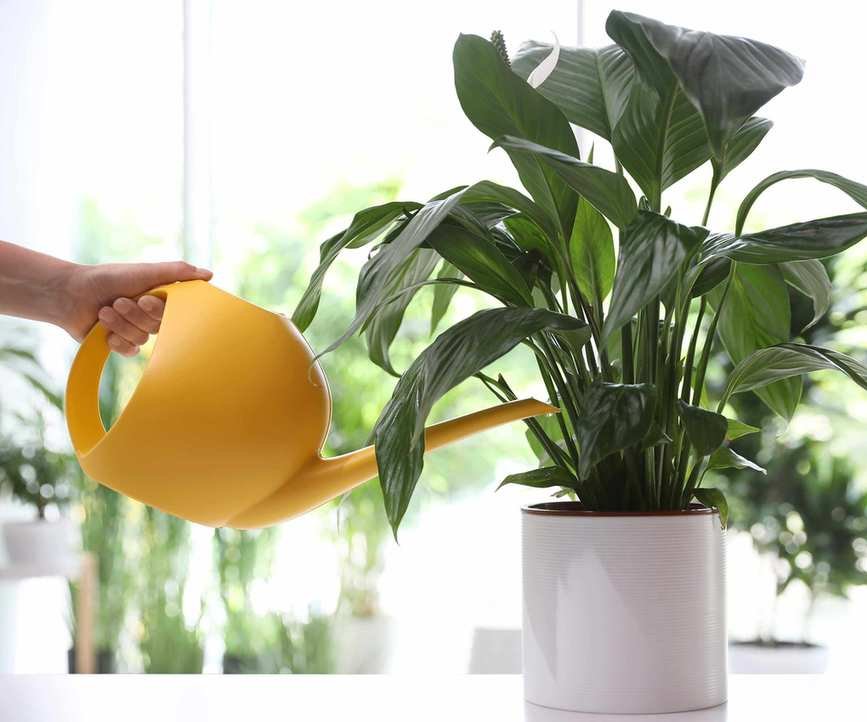
Both overwatering and underwatering can lead to brown leaves. These plants thrive in consistently moist yet well-drained soil. Avoid soggy conditions that can suffocate roots and promote fungus growth, potentially causing root rot if not remedied.
Water the plant when the top inch of soil feels dry. Even with proper watering, poor drainage can lead to waterlogged roots. Consider using a drainage-friendly pot to prevent this issue.
2. Temperature Fluctuations
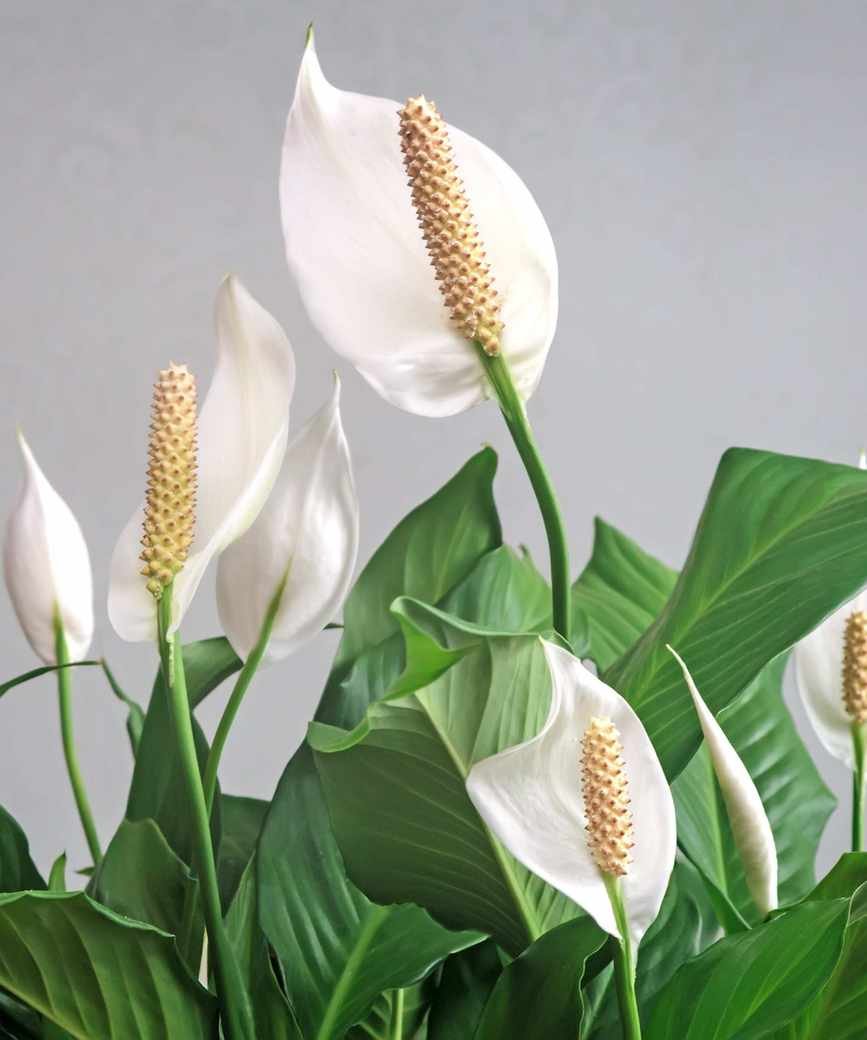
Sharp changes in temperature can stress your peace lily, leading to browning leaves. These plants prefer temperatures between 65°F to 75°F. Keep them away from drafts and heating vents.
Avoid placing your plant in areas where temperatures drop below 60°F, as this can negatively affect its health.
3. Humidity Levels
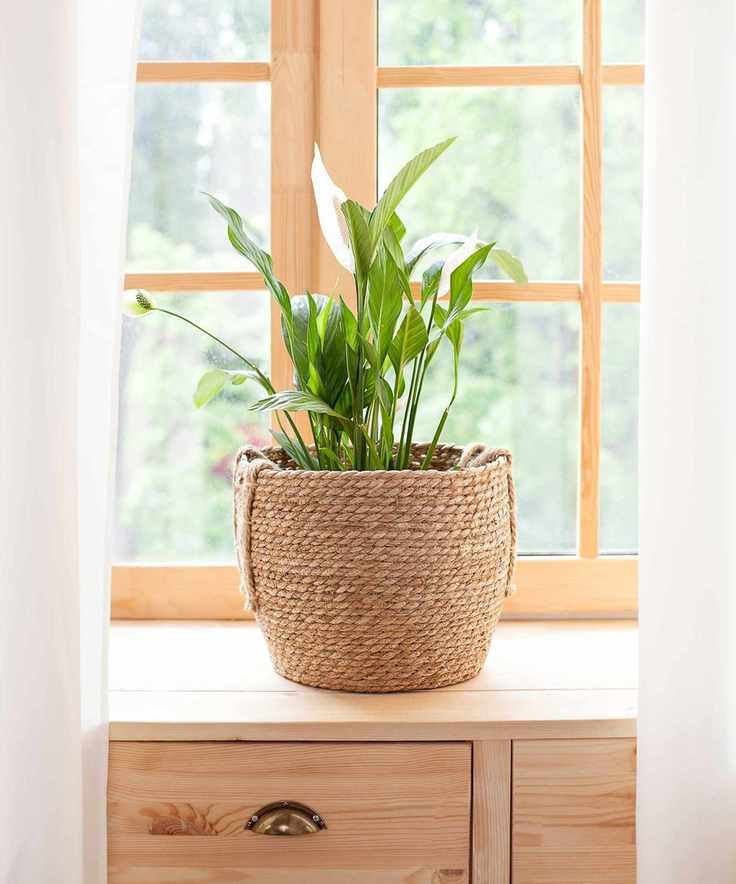
Native to tropical environments, peace lilies flourish in high humidity. Indoor air can be quite dry, particularly in winter, which can stress the plant and lead to browning leaves.
To boost humidity, consider using a humidifier, mist the leaves weekly, or place your plant on a tray with water and pebbles while ensuring the pot doesn't sit in standing water.
4. Fertilization Issues
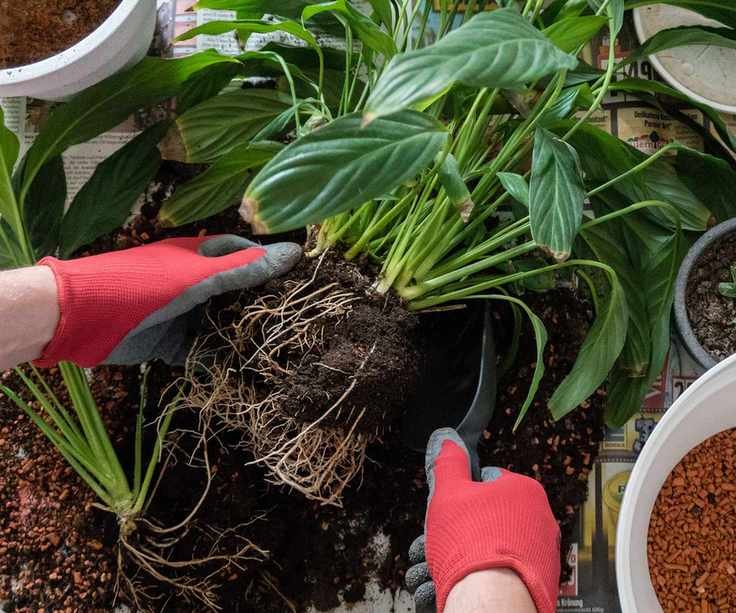
Excess fertilizer can lead to brown leaves as high sodium levels can hinder water absorption in the roots, causing dryness. To remedy this, consider repotting your peace lily in fresh soil and cutting back on fertilizer.
Use an all-purpose, water-soluble fertilizer at half strength every two months, and pause during winter when growth slows.
5. Light Exposure
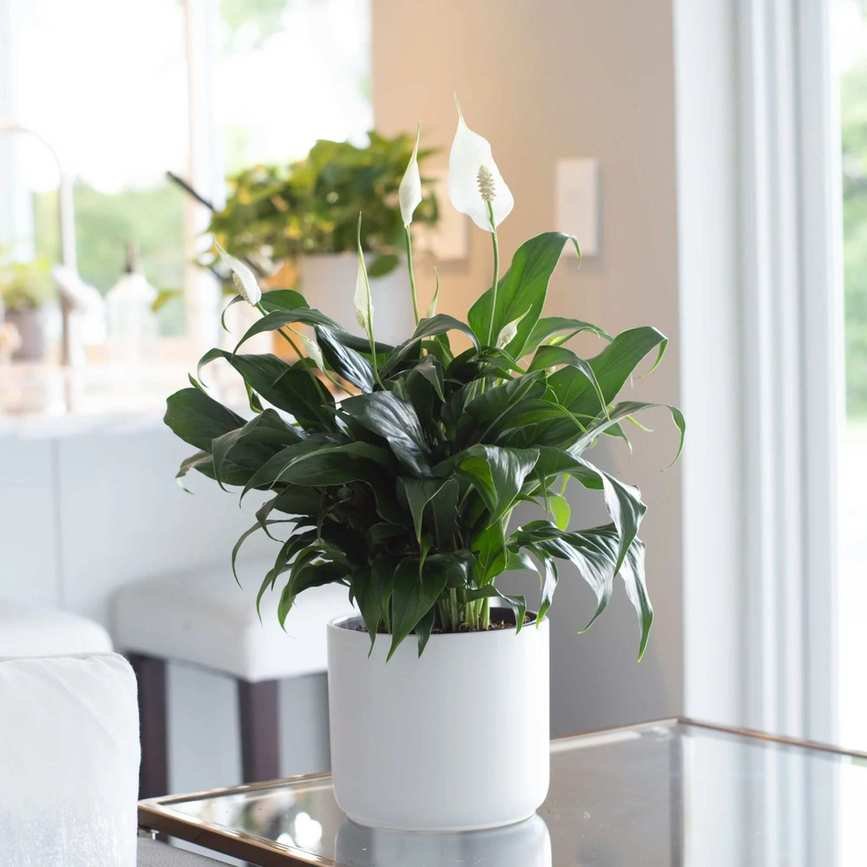
Direct sunlight can cause leaves to brown. Peace lilies thrive in bright, indirect light. If you notice browning due to excessive light, move your plant to a better spot.
Consider pruning away the damaged leaves to enhance the plant's overall appearance, allowing it to focus energy on new growth.
FAQs
How Can I Save an Overwatered Plant?
Don't worry if you've overwatered your peace lily—there are steps to help it recover:
1. Stop watering: Cease all watering immediately to avoid worsening the situation.
2. Improve drainage: If water isn't draining properly, consider repotting into a container with better drainage.
3. Enhance airflow: Move the plant to an area with better air circulation to help it dry out.
4. Mist the leaves: While the soil dries, mist the leaves to promote recovery.
5. Resume watering: Only water once the soil is completely dry.
Identify the cause of browning leaves and adjust your care accordingly. Ensure proper watering, humidity, fertilization, and light exposure. Peace lilies can also be sensitive to tap water chemicals, leading to brown tips. Let tap water sit for a day or use distilled water to mitigate this issue.