
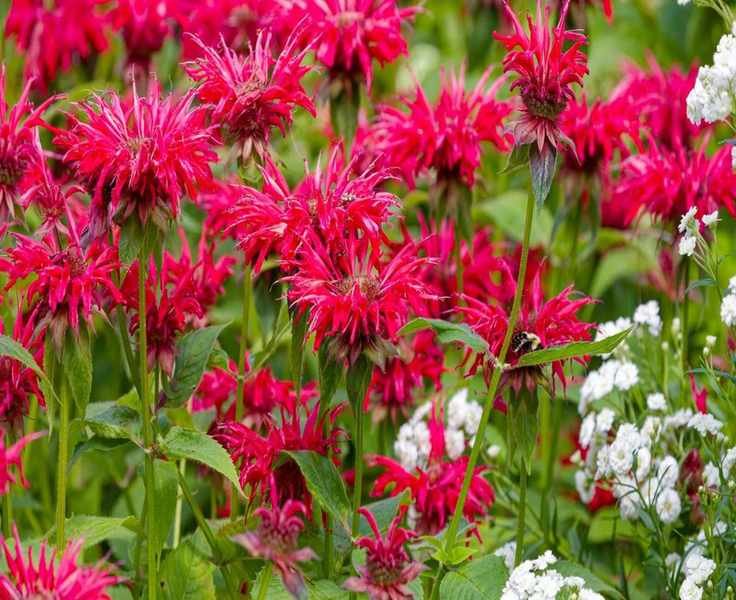
Bee balm is a fantastic perennial for attracting butterflies, bees, and hummingbirds to your garden. Proper maintenance includes timely pruning, but when is the ideal moment to do it?
There are advantages to cutting back bee balm multiple times throughout the year. Trimming before blooming can enhance the plant's shape and promote an abundance of its striking, fireworks-like flowers that are loved by both gardeners and pollinators.
When you cultivate bee balm, your trimming decisions often come down to personal preference. Let's explore the best approaches, particularly if your plants face disease challenges.
When to Prune Bee Balm
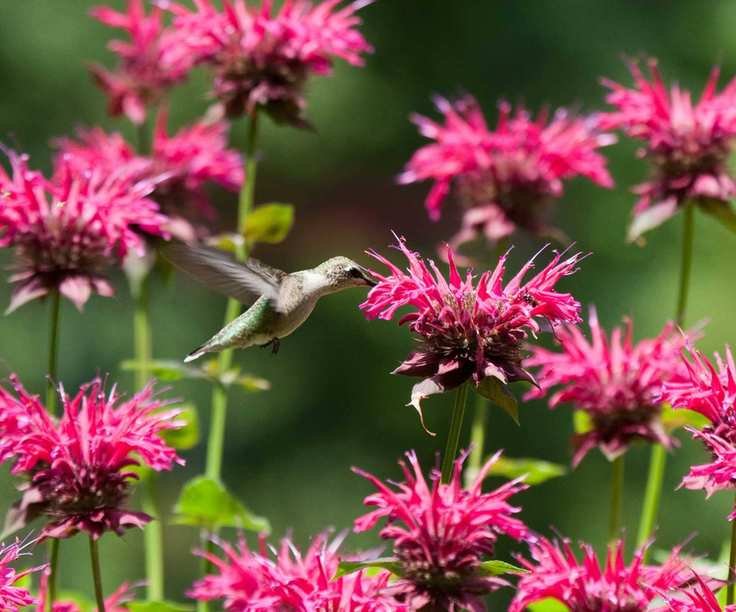
Bee balm is perfect for pollinator enthusiasts, making it ideal for a wildlife garden. With various monarda options available, it's easy to find one that fits your garden style.
'As the name implies, bee balm attracts many pollinators and is a must-have for any pollinator garden,' comments a horticulture expert. 'It appeals to not just bees, but also butterflies and hummingbirds, featuring a spectrum of colors—from vibrant reds and pinks to soft purples and whites.'
Regardless of the monarda variety you choose for your outdoor space, knowing when to prune bee balm can lead to more blooms, neater plants, and reduced fungal problems.
Here are the key times to trim bee balm along with useful pruning tips.
Spring Pruning for Bee Balm
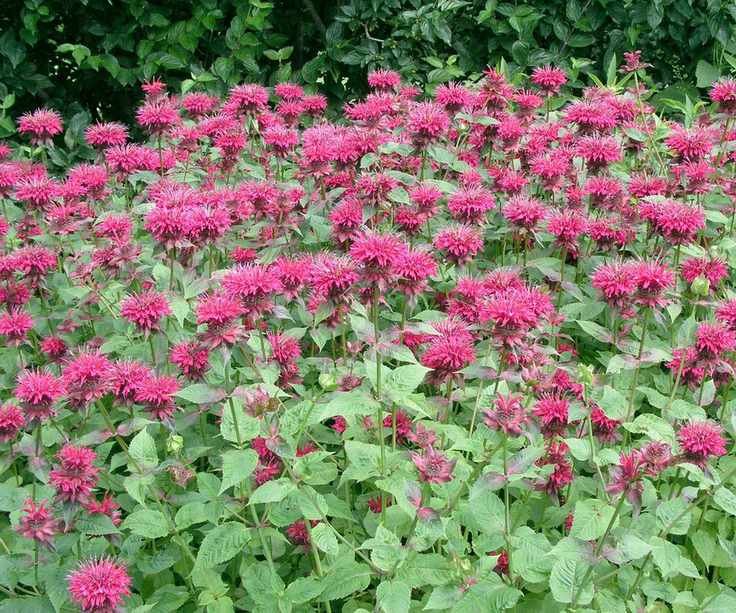
As temperatures rise in spring, bee balm starts to grow. Pruning in spring encourages bushier growth and a more remarkable flower display.
There are two main methods for this task, with one being more aggressive. The first involves pinching back the tips of stems when they reach about 12 inches.
Combining this with thinning can enhance air circulation and light penetration, crucial for preventing powdery mildew, a common fungal issue that manifests as a white coating on leaves.
The second method is known as the 'Chelsea Chop', named after the RHS Chelsea Flower Show in late May. This entails cutting back the plant by one-third to one-half.
While it may seem drastic, bee balm bounces back quickly, resulting in more compact plants, less flopping, and a beautiful bloom display. You can even chop half of the plants and leave the rest uncut for staggered blooms throughout the season.
Post-Bloom Bee Balm Care
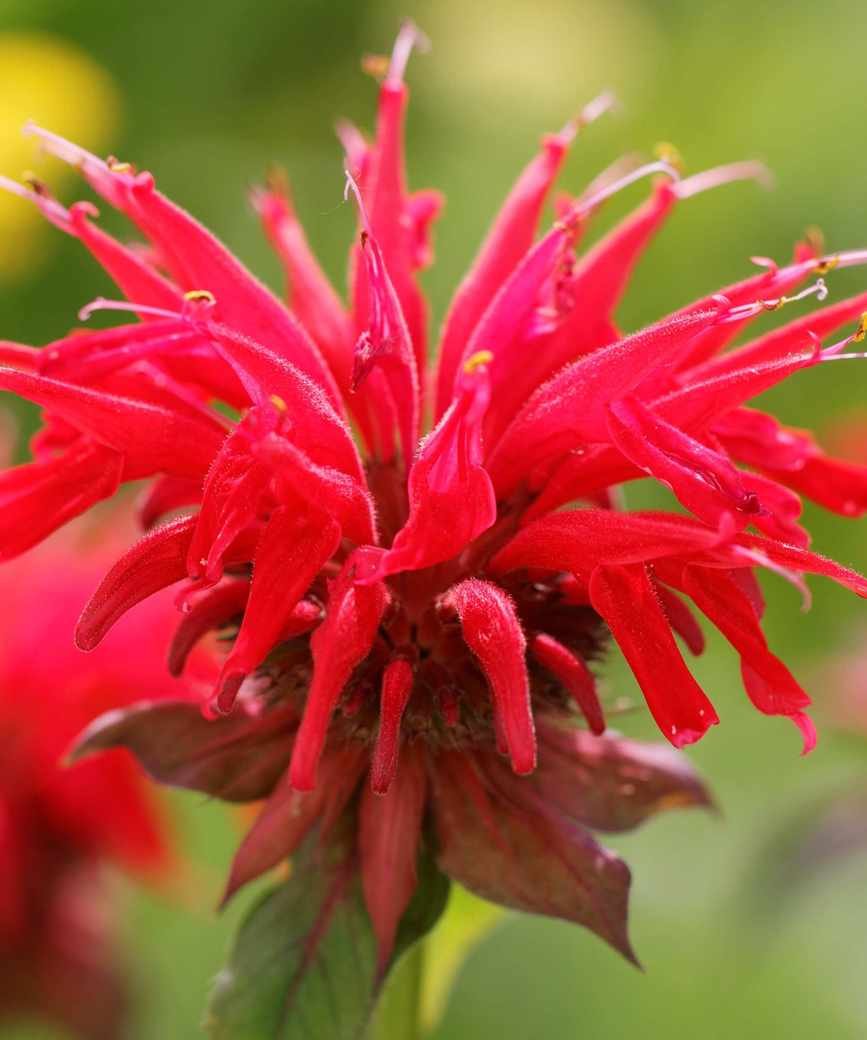
Throughout the blooming season, regularly deadheading bee balm keeps it tidy and prolongs flowering. This practice also combats powdery mildew and controls self-seeding, a trait common in bee balm.
Once the plant dies back in late fall, you can choose to cut back either in fall or wait for spring. Your choice may hinge on your gardening style, but some factors might push you toward a fall cut.
Trimming bee balm in fall tidies up your garden and flower beds before winter, limiting self-seeding.
Fall pruning is advisable if your bee balm has shown signs of powdery mildew. In this case, cut the stems back to the ground and dispose of any debris, as mildew spores can survive on both live and dead plant material. Always discard diseased material—never compost it.
Leaving healthy stems and seedheads through winter can benefit wildlife, as birds feed on the dried seedheads while insects find shelter in the plant's crown. This also helps protect the crown from harsh winter conditions.
If you opt to leave your bee balm standing, trim any remaining stems to the ground in late winter or early spring, using clean and sharp garden shears before new growth begins.
Regardless of whether you prune in fall or spring, applying a two-inch layer of mulch around the base after cutting will help retain soil moisture, suppress weeds, and enrich the soil as it decomposes.
Frequently Asked Questions
Can I Trim Bee Balm in Summer?
Incorporating regular deadheading into your summer gardening routine is recommended. However, it's best to wait until after the plant finishes blooming to trim.
What if My Bee Balm Shows Powdery Mildew?
If your bee balm exhibits powdery mildew, remove any affected leaves and stems or trim the entire plant to the ground. As earlier mentioned, dispose of any infected material and thoroughly disinfect your pruning tools.
While we've discussed powdery mildew extensively, there are strategies to prevent it.
Ensuring that your bee balm plants have adequate spacing promotes good air circulation, which is vital. Newer varieties are also being bred for better resistance to powdery mildew.
Proper watering techniques also help prevent fungal issues; watering early in the day prevents foliage from staying wet for long periods.
Choosing the right planting location, spacing, and pruning to enhance air flow all contribute to managing powdery mildew.

This compact bee balm variety is highly resistant to powdery mildew and produces an abundance of vibrant pink blooms.
These shears, crafted from top-quality knife steel with a sturdy oak handle, are perfect for executing the 'Chelsea Chop' effectively.
Made from Japanese stainless steel, these pruning shears effortlessly trim branches up to one inch in diameter, ideal for cutting back bee balm during fall or spring.



