
In a typical year, May would see the UK buzzing with excitement for the Chelsea Flower Show. While this year's event is postponed until September, we can still embrace a cherished gardening tradition right now.
According to renowned gardener Monty Don, it's the perfect time for the Chelsea Chop—a pruning technique traditionally performed around the third week of May to honor this beloved flower festival.
Explore: Ideas for Flower Beds – stunning ways to design and showcase your blooms and shrubs
Understanding the Chelsea Chop
The Chelsea Chop is a valuable pruning technique that extends the bloom time of late-flowering herbaceous perennials. This method results in smaller yet additional flowers, adding vibrant color to gardens and bringing the essence of the show right to our homes. But what exactly does the Chelsea Chop entail? Is it truly as simple as it sounds? Here, we uncover all the details.
Which Plants Benefit from the Chelsea Chop?
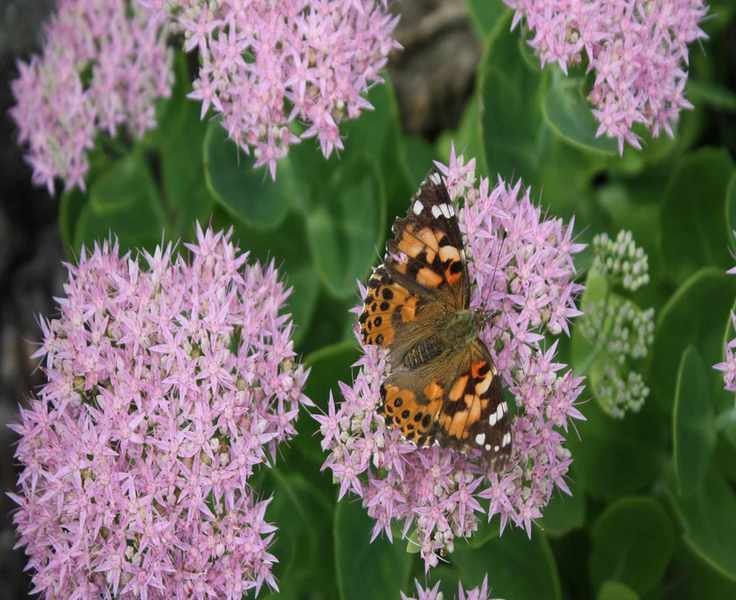
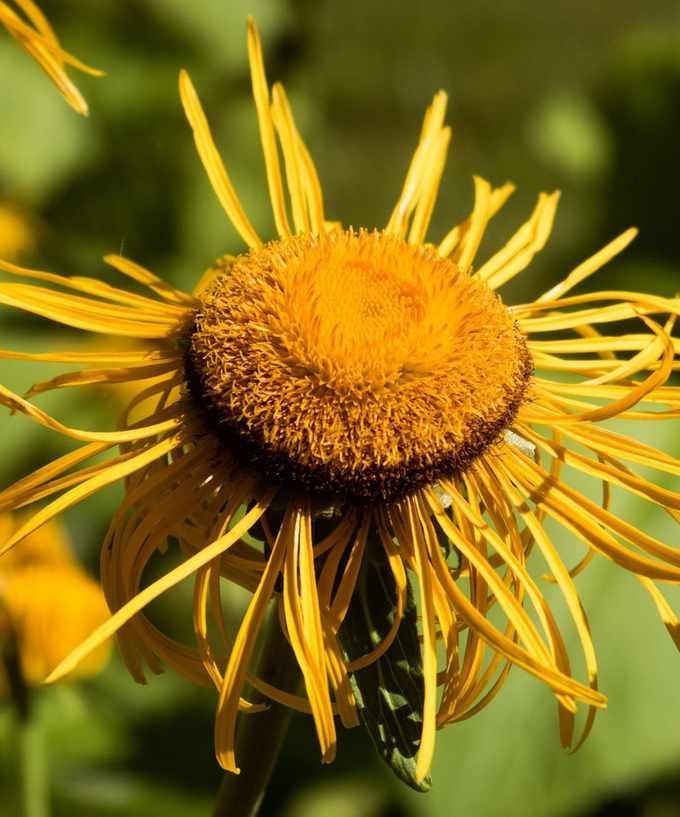
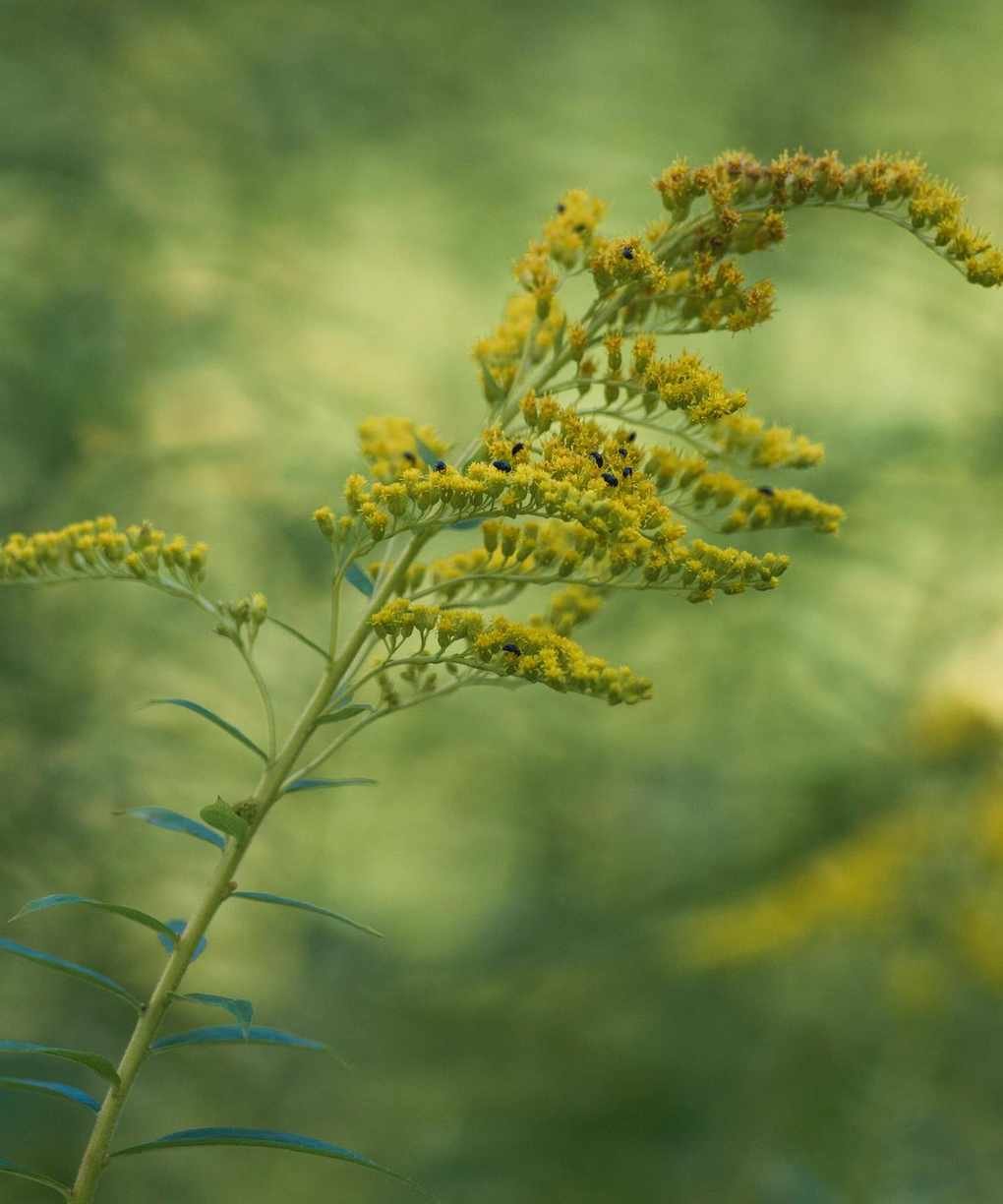
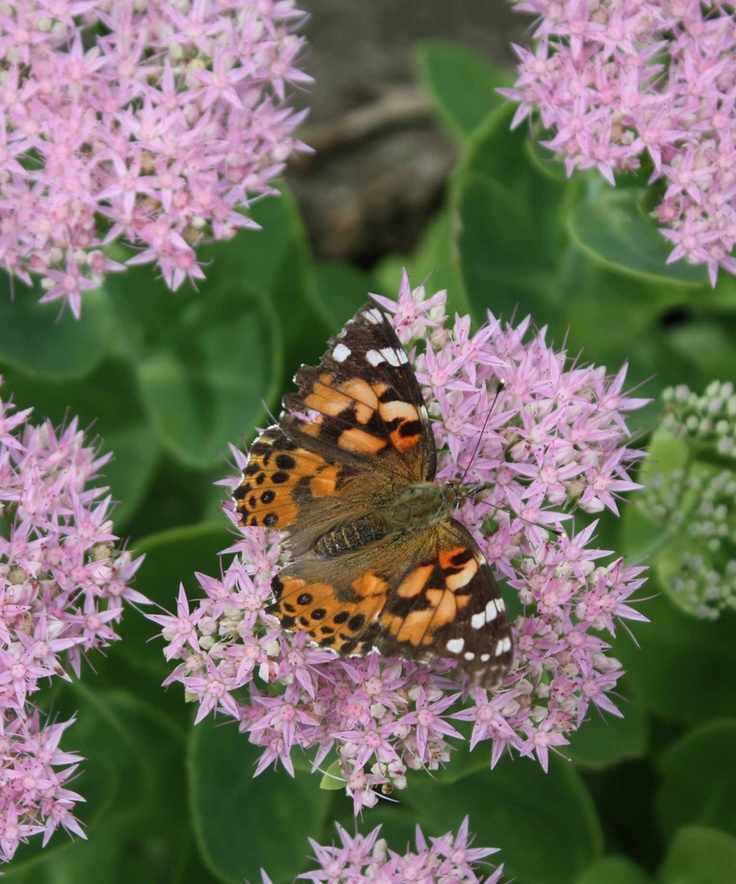
Monty Don's blog is filled with clever gardening tips for every season. In his May post, he highlights late-blooming herbaceous plants ideal for the Chelsea Chop, including heleniums, sedums, lysimachia, and solidago, commonly known as Golden Rod.
How to Achieve Extra Flowers with the Chelsea Chop
This pruning technique involves trimming back clumps of perennials by about one-third to one-half. This slows their flowering, leading to blooms appearing later in the summer. After cutting, you'll have various clumps, which is where Monty's advice shines.
He suggests, 'If you have multiple clumps, cut one of them back to about halfway up the existing growth. For a single large clump, reduce just one-third in this manner,' Monty recommends.
He further explains, 'The pruned section will generate side shoots that yield extra flowers, blooming a few weeks after the unpruned parts, thereby extending the display into autumn.'
Additional Advantages of the Chelsea Chop
If Monty advocates for the Chelsea Chop, we're certainly eager to try it. The Chelsea Flower Show organizers and the UK's leading gardening charity also emphasize the advantages of using this method before the month's end.
Not only does it yield more flowers, but it also keeps plants shorter and sturdier, reducing the need for staking. When combined with proper feeding and watering, this technique keeps your flower beds and borders looking neat throughout summer.
We now have our weekend gardening plans laid out. Thanks for inspiring us once again, Monty.



