Using mulch is a fantastic method for keeping your vegetable garden thriving. Healthy soil leads to robust plants, and mulching plays a crucial role in achieving this.
Over my years as a gardener, I've worked in various vegetable gardens, each with unique designs and purposes. Some focused on producing fruits, vegetables, herbs, and flowers for local restaurants, while others aimed to educate the public with beautiful displays, selling produce and flowers to visitors.
No matter the garden's focus, mulch was always a common denominator. Each space received annual mulching to enhance soil health and maintain productivity, particularly in gardens adhering to no-dig principles.

Top 5 Organic Mulches for Your Vegetable Garden
There are various mulch types available, with organic and inorganic options. Organic mulches consist of decomposed plant material, while inorganic ones include plastic and rubber. Organic matter enriches soil types and enhances fertility. Incorporating organic mulches into your garden maintenance routine is essential, and here are some top choices.
1. Compost
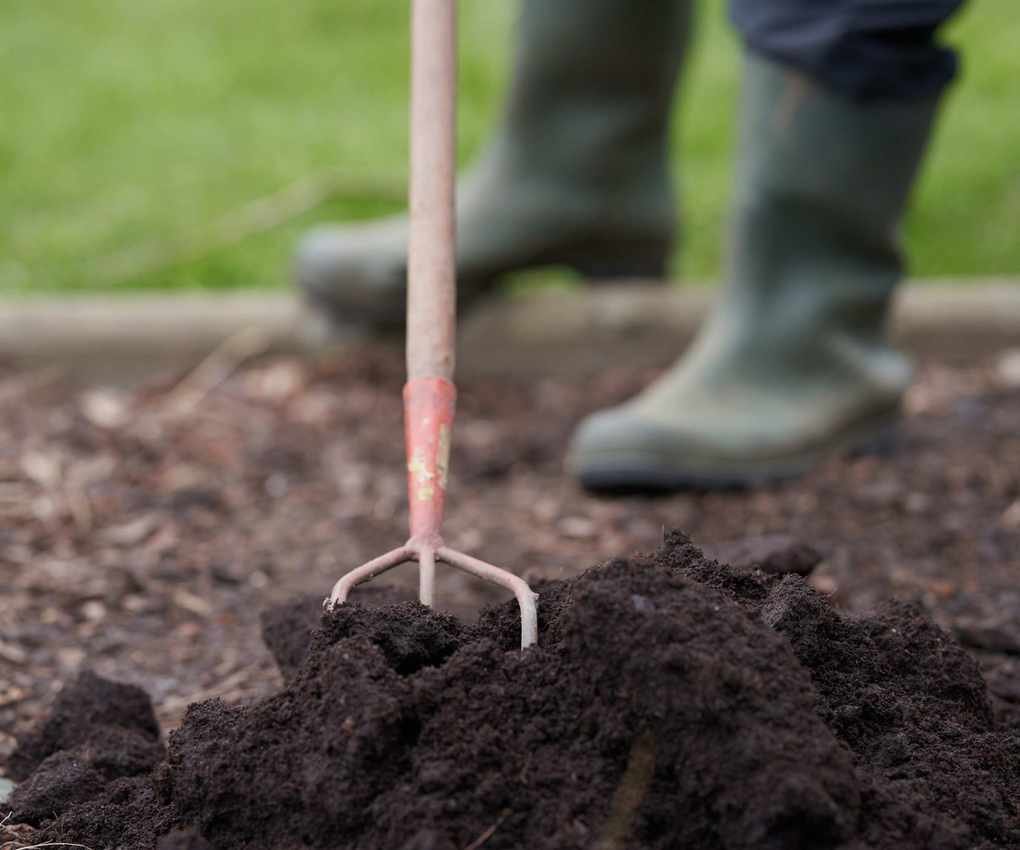
Compost is a nutrient-dense mulch created from decomposed plant materials, making it an ideal choice. I've often spread compost on garden beds, creating a pleasing dark layer that enriches the soil.
As the top recommendation for vegetable garden mulch, compost suppresses weeds and improves soil structure and fertility over time. It can be applied in the fall or spring when the soil is moist but not overly wet or frozen, just before weed seeds begin to sprout.
You might even create your own compost, or buy it from trusted suppliers to ensure it meets quality standards. Sourcing high-quality compost reduces the risk of contamination from weed seeds.
Premium Organic Compost
This organic compost, made entirely from dairy cow manure, is perfect for vegetable gardens. Plus, a tree is planted for every bag sold.
2. Straw
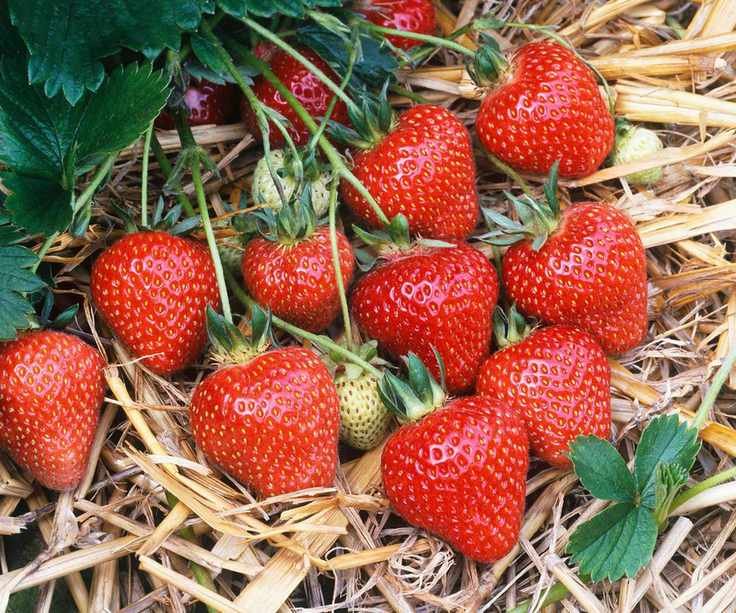
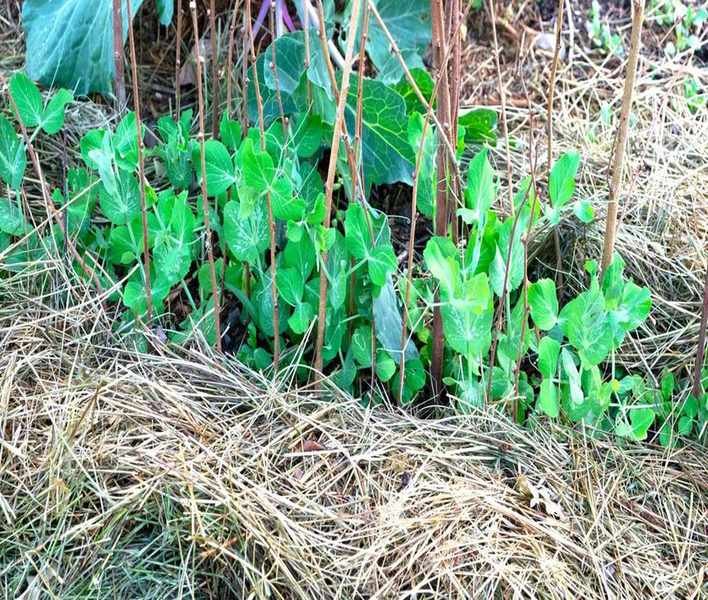
Straw, derived from cereal crops, is an affordable and accessible mulch option. It's easy to use and offers multiple benefits in vegetable gardens.
Throughout the year, straw helps retain soil moisture and suppress weeds. It's worked wonders for me with strawberries and also aids pumpkins and melons that thrive in consistently moist soil.
Additionally, straw can protect plants from bacterial and fungal diseases caused by water splashing from the ground, which is particularly helpful for tomatoes.
I've also used straw to insulate root vegetables in winter, making it easier to harvest them without dealing with frozen ground.
While straw breaks down slowly and should be removed in spring for composting, its weed-suppressing and moisture-retaining properties are valuable. Just remember to use straw instead of hay, as hay contains seeds that could sprout.
3. Bark and Wood chips

Shredded bark and wood chips can be effective mulches. While they help suppress weeds and retain moisture, they do break down slowly, offering fewer nutrients to the soil.
I've utilized bark and wood chips mainly around perennial plantings like soft fruit bushes or fruit trees. For instance, I've mulched around raspberries and blueberries, reducing maintenance needs while benefiting from the insulation and weed suppression they provide.
These materials are also excellent for covering pathways in vegetable gardens since they decompose slowly. However, fresh wood chips can deplete nitrogen in the soil as they break down—careful placement is essential for optimal use.
All Natural Pine Bark Mulch
A natural pine bark mulch that effectively controls weeds and maintains soil moisture, conveniently packaged for ease of use.
4. Leaf Mold
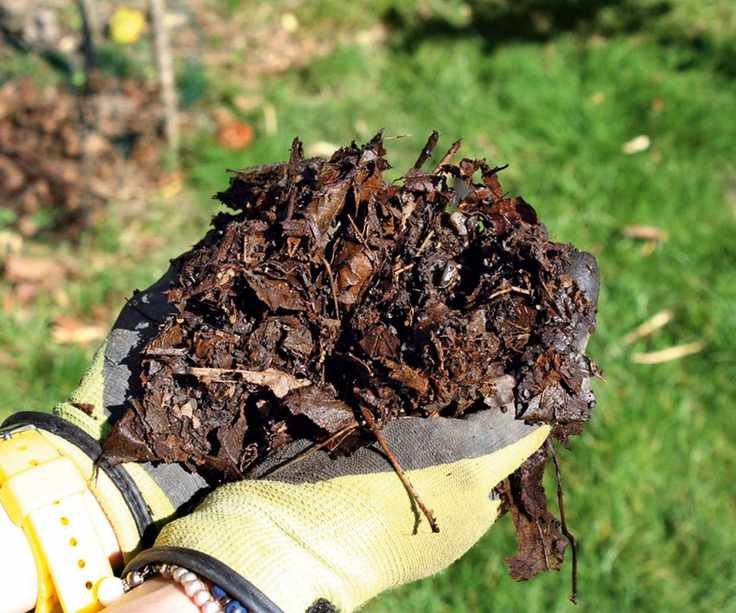
Leaf mold is a fantastic, cost-free mulching option that you can easily create. Collect fallen leaves in autumn and transform them into nutrient-rich mulch—using dead leaves is a sustainable way to enhance soil health.
In one garden I tended, we generated leaf mold from leaves collected on-site, which we then spread across all growing beds.
Leaf mold forms from decomposing leaves and can take 1-2 years to develop. You can make leaf mulch using a simple bin or sealed bags with slits for airflow, and shredding the leaves can speed up the process.
Apply leaf mold in the fall, about 2-3 inches thick, to smother weeds, conserve moisture, and prevent erosion during winter.
5. Grass Clippings
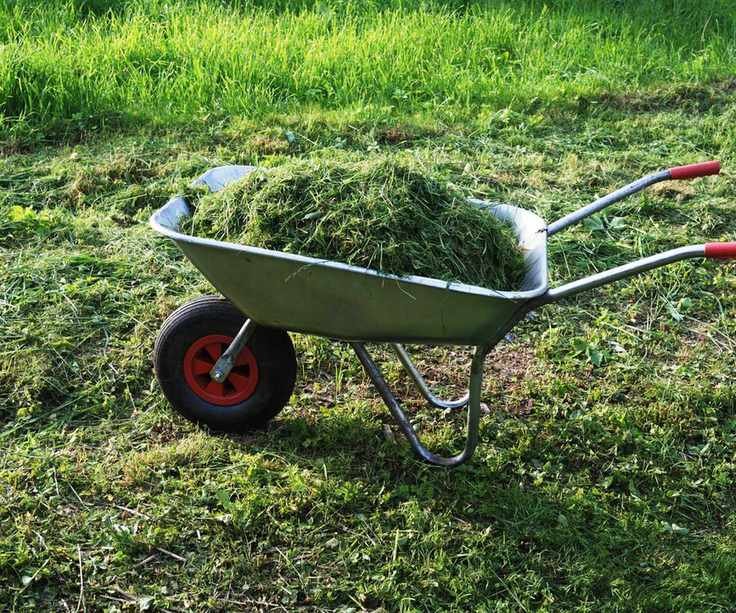
After mowing, grass clippings can be an excellent source of mulch. They help retain soil moisture, cool the soil, and add nutrients back into the earth.
Rich in nitrogen, grass clippings also provide potassium and phosphorus. Spread them thinly around the garden for quick decomposition and nutrient release. They work well around potatoes, spreading plants like pumpkins, or any raised-bed vegetables.
Always apply clippings in thin layers to avoid forming a slimy mat. Allowing them to dry a bit before spreading helps prevent this issue. Regularly layer the clippings throughout summer for best results.
FAQs
What's the best mulch for tomatoes and cucumbers?
Using mulch for tomatoes and cucumbers is highly beneficial. Organic materials like compost, straw, leaves, or grass clippings can be applied right after planting, retaining soil moisture, suppressing weeds, and protecting against diseases spread by soil water.
Compost and leaf mold rank among the top organic fertilizers for vegetable gardens. Well-rotted manure also makes an excellent organic feed, alongside blood and bone meal, seaweed, and homemade comfrey fertilizer. Organic fertilizers release nutrients slower than inorganic options like tomato fertilizer but provide a longer-lasting supply for plants.