
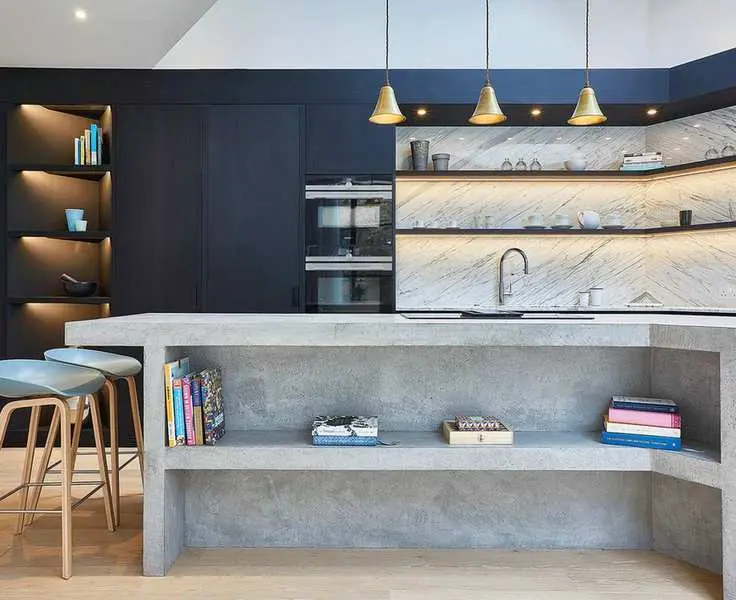
Selecting the right kitchen lighting is essential for a well-designed space. Good lighting enhances cooking, dining, and everyday activities, ensuring the area meets your needs.
Kitchen lighting should blend functionality with aesthetics, just like cabinetry, countertops, and flooring. Consider the materials, finishes, colors, and styles to ensure your lighting complements the overall design.
Here's how to effectively choose kitchen lighting with insights from industry professionals.
Choosing the Right Kitchen Lighting
Lighting plays a pivotal role in kitchen design, so it shouldn't be an afterthought. Prioritize it alongside other design ideas. Before focusing on aesthetics, ensure you understand the lighting requirements for your kitchen; consulting a lighting engineer can be beneficial.
'The best lighting approach combines bright task lighting over prep areas and warm, inviting light for guests,' explains a design expert. 'Even a small distance between these two light types can significantly enhance the cooking and dining experience.'
Effective kitchen lighting should incorporate task, ambient, and accent lighting.
Implementing Task Lighting
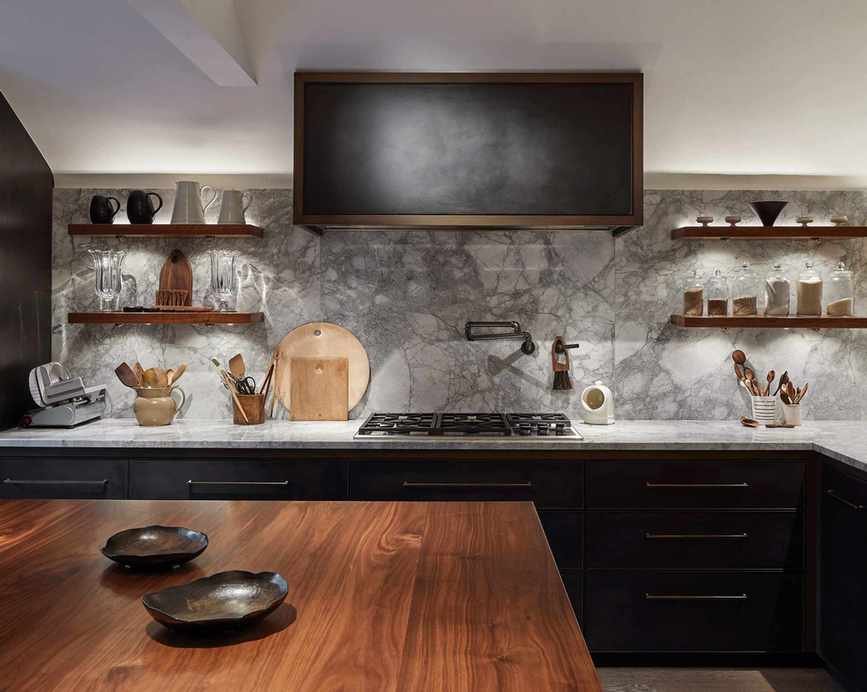
Key areas like countertops, cooktops, and sinks require adequate illumination for safe and efficient food preparation. Early in your lighting choices, focus on task lighting options that brighten these vital zones.
'Lighting schemes are crucial for kitchen functionality. A dim workspace can be frustrating,' remarks a design lead. 'Position lights directly above critical areas to avoid blocking illumination while working at the sink or stovetop. Under-cabinet lighting is also effective for brightening countertops.'
Minimizing shadows is essential. 'Ensure lights don't cast shadows on your work areas. Position lights in a way that they're not behind you when you bend over the counter,' suggests another lighting director. 'Linear LED options are excellent for reducing shadows, whether placed above cabinets or as trimless ceiling strips.'
Wall-mounted lights are ideal for spaces without cabinets, while ceiling fixtures should direct light onto work surfaces.
Consider island lighting solutions like pendants, which can serve dual functions as task and ambient lighting. 'Dimmable pendant lights are highly recommended,' says a lighting company CEO. 'They help create a relaxed atmosphere after cooking when you want to unwind with friends and family.'
Incorporating Ambient Lighting

Ambient lighting provides the overall illumination in your kitchen and is vital in your lighting plan. Assess how much natural light your kitchen receives and ensure your lighting offers a consistent level of brightness throughout the day.
This type of lighting can emerge from various ceiling designs, such as recessed lights, surface fixtures, or pendants. 'In recent projects, bulkhead lighting has proven effective,' notes a design director. 'It's lower, making bulb changes simpler.'
'Bulkhead lighting involves lowering the ceiling around the room's perimeter, typically between 8 to 24 inches, depending on room height. This method targets illumination directly onto countertops, eliminating shadows from overhead.'
Adding Accent Lighting

Accent lighting is essential for adding depth and character to your kitchen. It enhances the atmosphere and draws attention to specific features.
Accent lighting can take various forms. 'Consider soft lighting for areas like glass-front cupboards, allowing light to shine through stacked glasses for a charming dining ambiance,' suggests an industry expert.
Another designer advocates for LEDs, stating, 'Colored LED lights are fantastic for creating relaxing and ambient effects. Whether you prefer modern blue tones or warm hues, LEDs deliver versatility and low maintenance.'
Pendant lights can also serve as accent lighting over breakfast bars or seating areas. 'Hanging them at lower heights can enhance intimacy,' recommends a kitchen design director.
Combining Lighting Types
When selecting kitchen lighting, ensure you can operate task, ambient, and accent lights independently. 'Being able to switch lights on and off separately creates a dynamic atmosphere,' advises an expert.
Incorporating dimmable options is also beneficial. 'Dimmers can enhance evening ambiance, making it perfect for gatherings,' adds a design lead.
What Light Color Works Best in the Kitchen?
For kitchens, choose cooler white light, ideally within a Kelvin range of 3,000 to 4,500. Warmer tones are more suitable for living areas rather than food preparation spaces.
However, remember the importance of mood. 'Kitchen lighting must be functional, but also create inviting, soft areas for socializing when the kitchen isn't in heavy use,' says a design director.
Do Kitchen Light Fixtures Need to Match?
Your kitchen light fixtures don't need to match precisely, but they should create a cohesive look. 'If you enjoy an eclectic style, ensure the finishes complement each other, like transitioning from aged brass to bronze,' advises a designer.
'For those who prefer a uniform aesthetic, it's best to maintain consistency across light fixtures, switches, and cabinet hardware.'



