
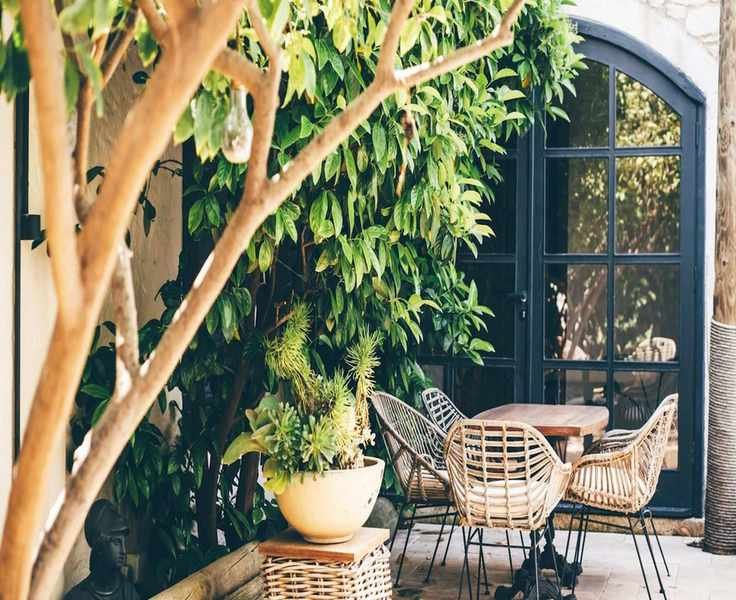
No matter the size, there are plenty of courtyard garden ideas to transform your outdoor area into a stylish retreat. A well-designed courtyard can be both beautiful and low-maintenance, making it an inviting space.
Incorporating effective lighting, vertical planting, and cozy seating can enhance even the most compact courtyards. Efficient use of space is vital, allowing for various activities like dining, entertaining, and relaxing.
A minimalist design often works best, with cool tones creating a modern vibe. Simple hardscaping materials can establish clean, practical surfaces for your garden.
17 Inspiring Courtyard Garden Ideas
Here are some of the top courtyard garden ideas to help you maximize your space. Alongside our favorite small backyard concepts, these suggestions will provide the inspiration you need for a stunning courtyard garden.
1. Utilize Vertical Space for Planting
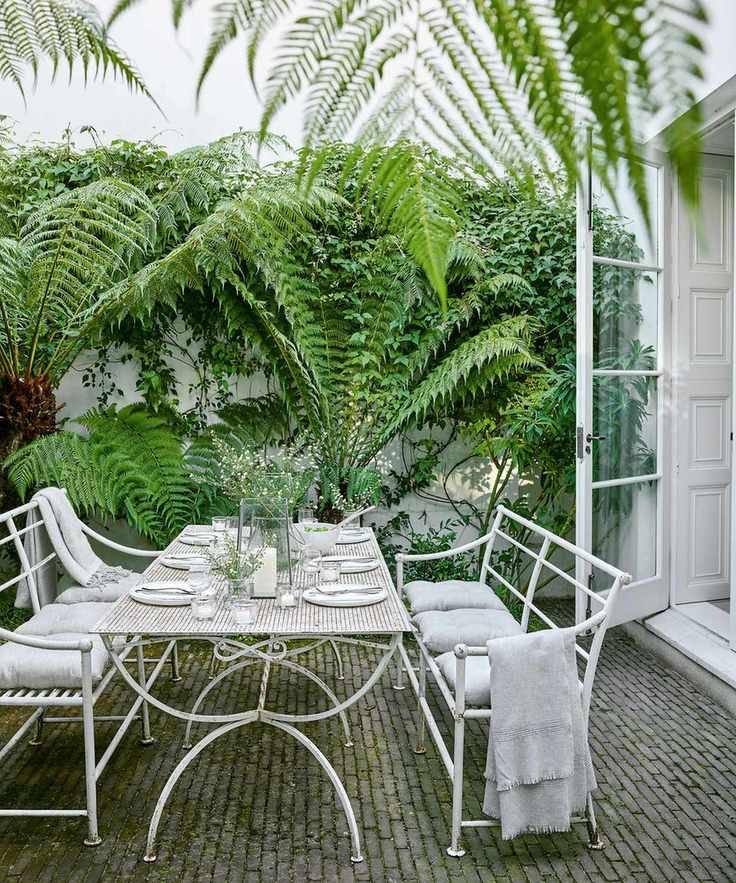
Enhance scale by using larger plants in limited spaces, selecting a refined mix for visual contrast (garden design by Harris Bugg Studio)
Garden designers often employ dense planting in courtyards to enhance seclusion and privacy. Limiting plant selection to a few high-performing varieties can create year-round interest, while vertical elements like climbers and wall shrubs soften hardscaping edges.
'For this courtyard in Holland Park, London, we collaborated with interior designer Rose Uniacke to create a classic and stylish connection between kitchen and garden,' say designers Charlotte Harris and Hugo Bugg. 'The garden's compact nature demanded simplicity in material and plant choices.'
A focused plant selection emphasizes form and repetition, avoiding a crowded feel. 'Tree ferns with intricate leaves and varying heights create visual interest and a sense of spaciousness,' they add.
2. Seamlessly Connect Inside and Outside
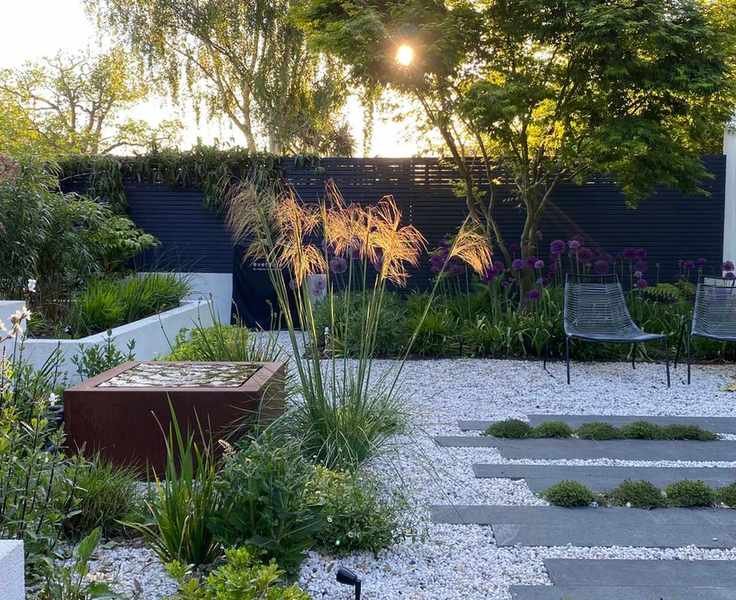
Quality landscaping materials and textured planting can transform a small area into an urban oasis connected to the home (garden design by Christine Wilford of Green Arden Design)
A well-designed courtyard can extend your interior aesthetic outdoors with complementary hardscaping. Using just a few materials that match those inside your home creates a cohesive look.
'In this courtyard, the strong geometric lines of the paving and raised beds, softened by lush planting, echo the home's interior, providing a seamless transition between spaces,' explains designer Christine Wilford.
Boundaries are crucial in small gardens, as they are always on display. 'Painting fences dark helps them fade into the background, allowing attractive plants to blur the edges and make the garden feel larger,' she suggests.
Incorporating a striking water feature can serve as an engaging focal point, drawing attention to your garden.
3. Incorporate Eye-Catching Focal Points
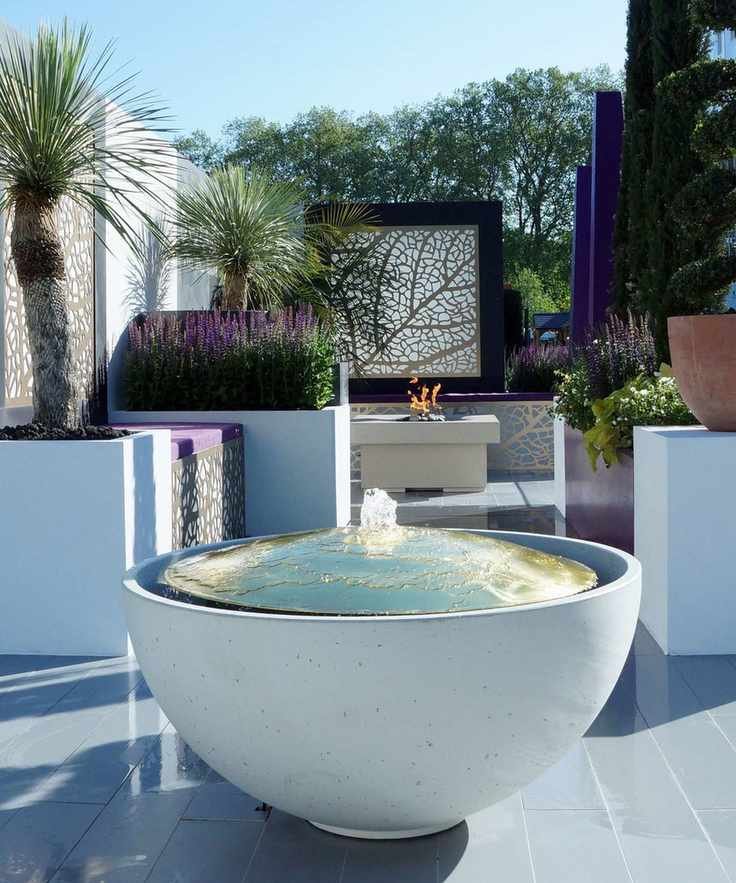
This tiny urban garden by Jack Dunkley features architectural planting, ornamental screens, and a unique water bowl and fire pit by Solus
Transforming a small outdoor area into a functional retreat requires creative solutions. Key features like water bowls or yard art can create focal points that distract from the garden's size.
In modern gardens, screening elements enhance privacy and separate social areas from neighbors. In this courtyard, LED lighting behind Kyoto 'Ochiba' aluminium screens creates an inviting atmosphere for evening gatherings.
Sculptural trees can gently obscure parts of the garden, offering glimpses of what lies beyond. 'Architectural plants like bonsai, Italian Cypress, and Yucca rostrata add dynamic shapes and structure,' notes designer Jack Dunkley.
4. Strive for a Balanced Design
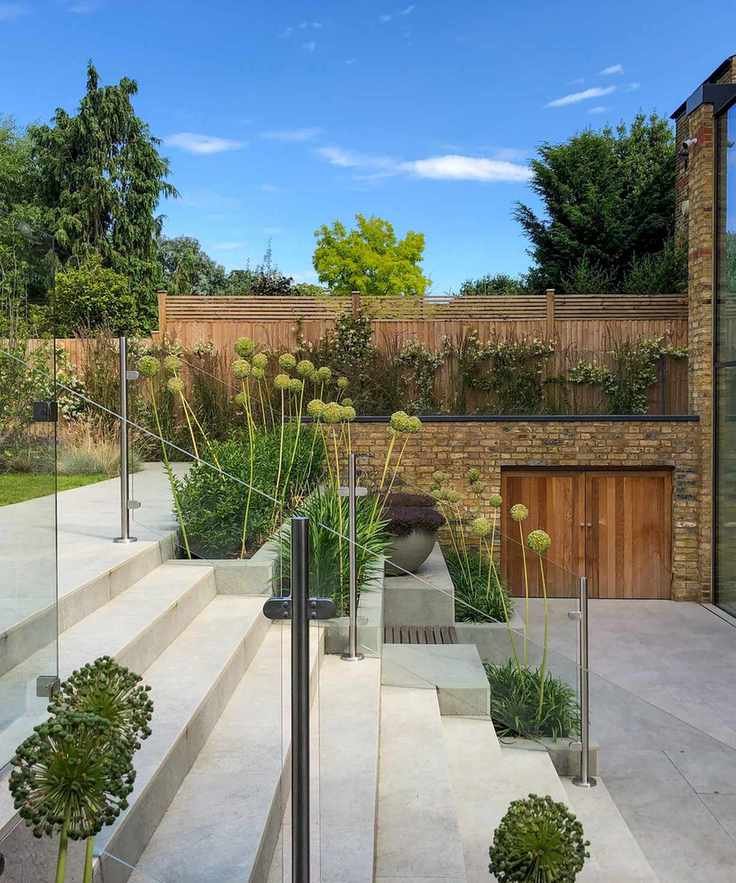
This contemporary garden space integrates with the modern home, featuring a natural look at the lawn level (garden design by James Lee Design)
Finding the right balance between landscaping and planting is crucial for small gardens. It's vital to ensure plants have space to thrive.
'We often use junctions of different hardscaping materials as design features,' says James Lee. 'This attention to detail is especially important in compact spaces.'
Porcelain hardscaping offers numerous benefits, especially in modern designs. 'In this garden, we used it at the terrace level and on the vertical surfaces of steps and planters, where its light color contrasts beautifully with vibrant evergreen plants,' James explains.
Utilizing similar elements at different levels, such as these elegant concrete planters by Urbis Design, helps link spaces. Minimalist planting in each planter ensures a cohesive design throughout summer, while alliums provide sculptural interest even after blooming.
5. Create a Leafy Canopy
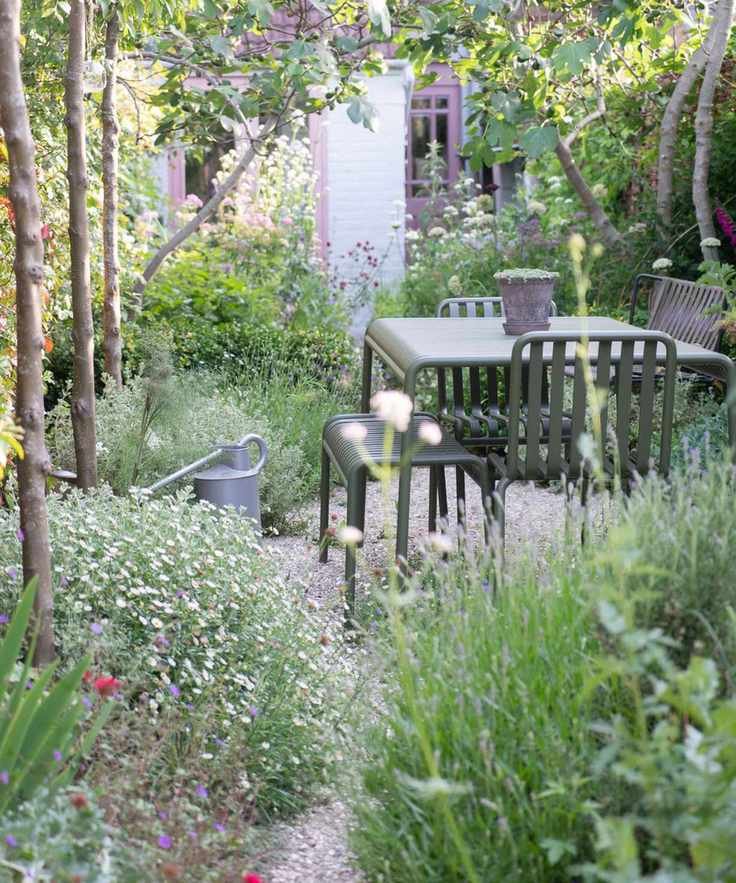
A narrow courtyard by Farlam & Chandler features pleached crab apple trees and a fig leaf canopy for privacy
Incorporating trees can add structure, shade, and privacy to your courtyard garden. Opt for walk-under trees that provide high-level screening without creating a closed-in feel. A leafy canopy can diffuse light and enhance the ambiance for outdoor gatherings.
'In this garden, we gently pruned the fig trees to create an arch over the path,' shares Harriet Farlam. 'The foliage effectively obscures neighboring windows while framing the dining terrace view.'
A row of pleached crab apple trees provides privacy and vertical interest. They can be clipped tightly to create narrow screening that maintains an open feeling.
6. Incorporate and Borrow Views
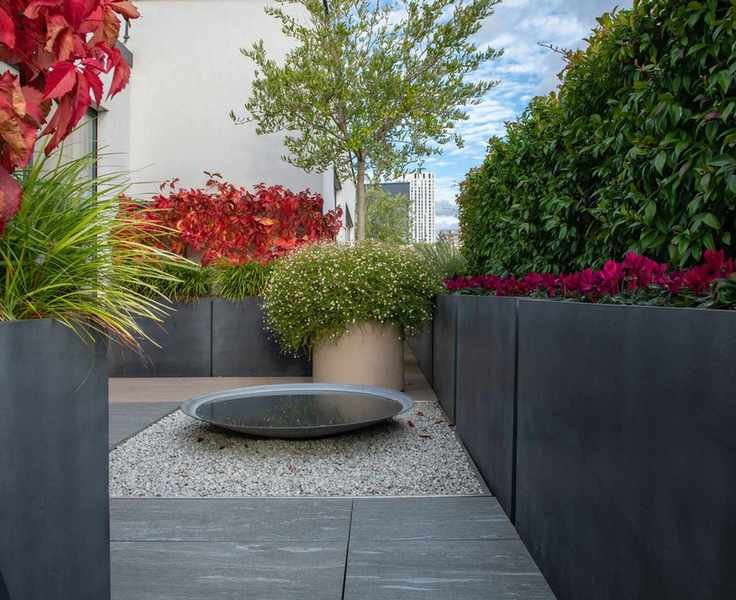
This sleek roof garden by Bowles & Wyer showcases a minimalist design ideal for daytime and evening entertaining, featuring Virginia creeper and star jasmine.
When designing a courtyard, consider incorporating views from your surroundings while screening out unwanted sights. This approach can create a space that feels larger and more sheltered.
'Distant views are less problematic, and you can easily block nearby buildings with strategically placed small trees,' advises John Wyer. 'An airy tree like an olive can provide the solution if you are overlooked.'
As a general rule, Mediterranean plants thrive in exposed sunny rooftop gardens.
7. Keep It Simple
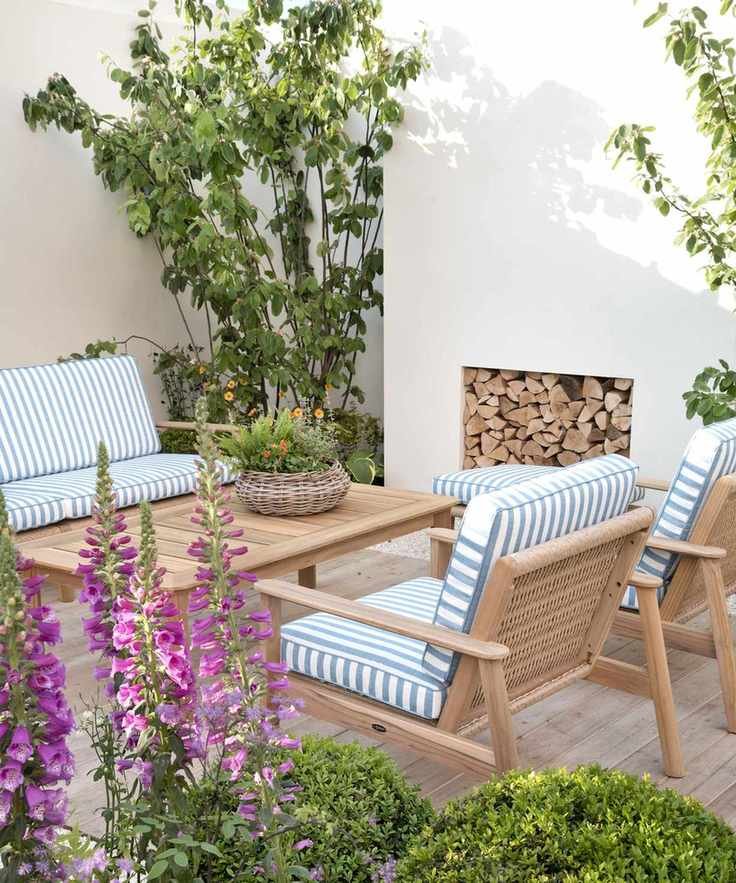
'Stick to simplicity—don't overcomplicate your small courtyard garden ideas,' advises Dan Bowyer. 'A thoughtfully chosen palette of materials and plants often yields the best results.
This doesn't mean you can't be creative; just be cautious that cramming too much into a small area can lead to clutter and reduced functionality.'
Material choice is also crucial. Gravel, for example, is not only low-maintenance and budget-friendly but also serves as a deterrent due to the noise it creates underfoot.
8. Add Outdoor Lighting

Smart outdoor lighting can enhance courtyard gardens, allowing you to enjoy your space well into the evening.
No area is too small for lighting; even window boxes can be brightened with small spotlights or fairy lights woven through the plants.
Alternatively, decorative candle holders and oil lamps provide soft, romantic illumination, perfect for occasional use in compact courtyards.
9. Create Interest with a Water Feature
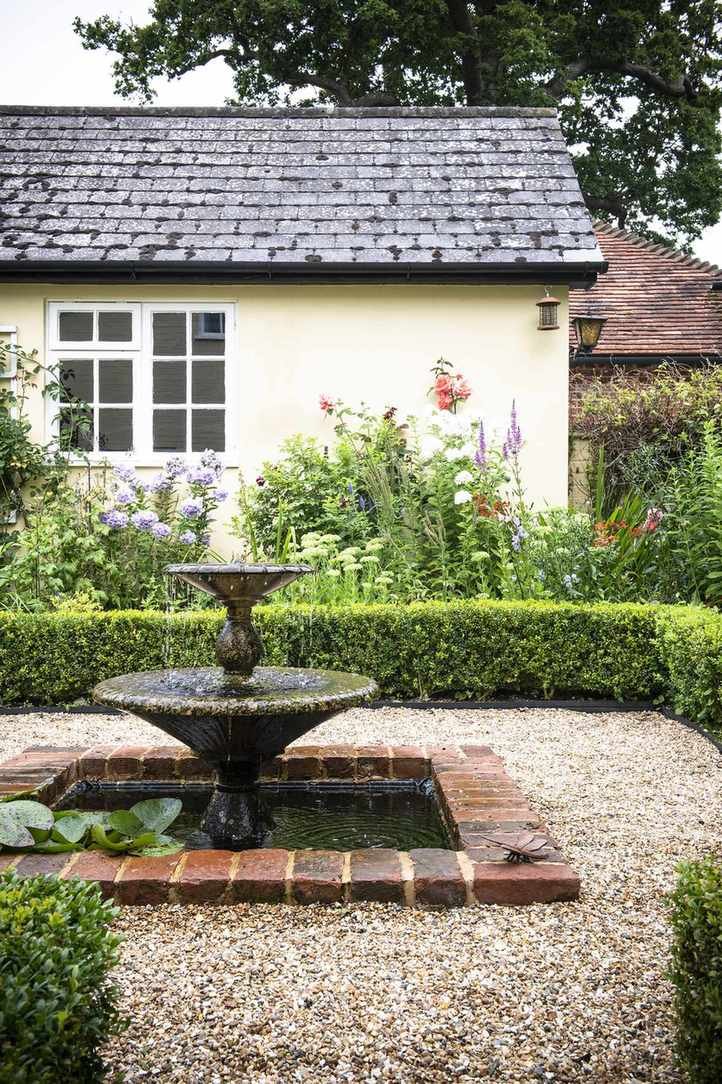
Consider incorporating water features. Gentle ripples create a calming effect and enhance the overall ambiance of your garden. Water can also reflect light, helping to expand the perception of space.
Placement is key; some features work best as central design elements, while others are better tucked away within planting for a hidden surprise.
Explore elegant small fountain options, like a minimalist fountain design that accommodates aquatic plants available from Wayfair.
10. Bring the Inside Out
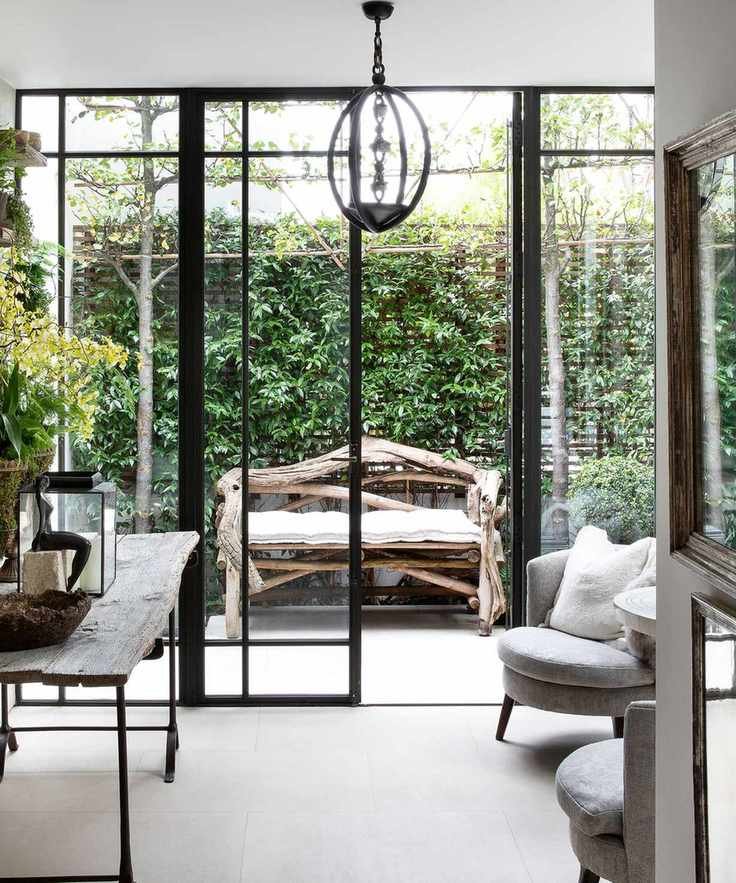
Establish a visual connection between your indoor and outdoor spaces by using similar flooring. This encourages a seamless transition between the two areas.
Continuity in materials and colors will help integrate your courtyard garden into your home. Consider plants that echo the hues found inside.
Keep in mind that while some materials can be used both indoors and outdoors, outdoor stone will weather over time.
11. Choose Your Plants Wisely

Choosing the right plants is crucial for courtyard garden success. Opt for species that won't overcrowd the area. Ensure you aren't left looking at fences or boundaries.
Evergreen climbers like trachelospermum jasminoides (star jasmine) are excellent options to conceal unattractive areas. They provide year-round interest with fragrant white flowers during the summer months.
12. Maximize Your Small Courtyard
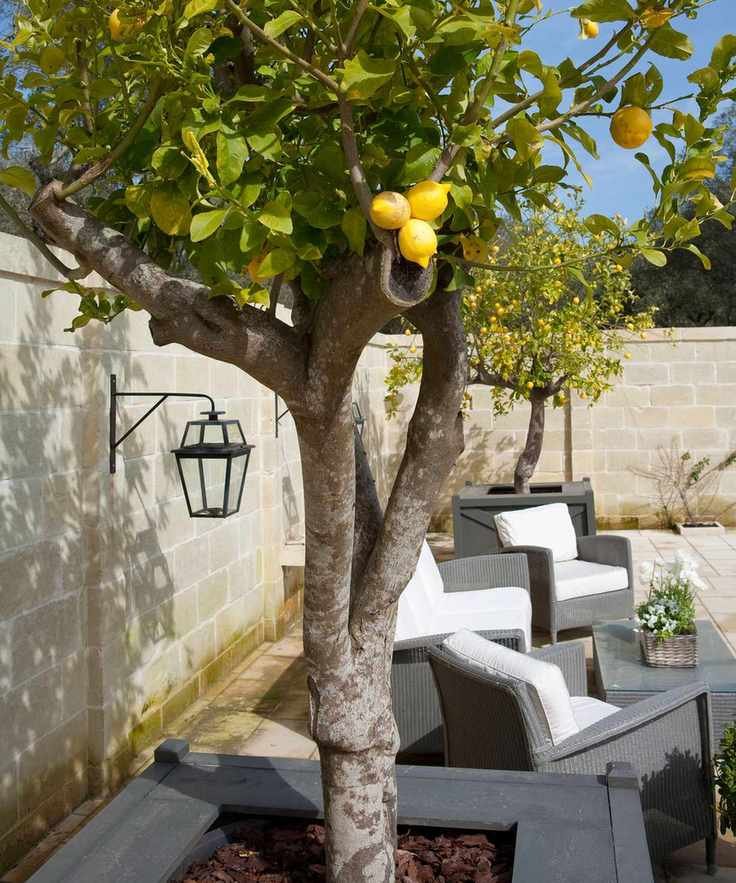
'Generosity of space should be at the heart of your design,' suggests Marcus Barnett. 'In urban settings, an accessible courtyard that feels comfortable allows for relaxation and tranquility, serving as a perfect escape from a hectic week.'
Position furniture to take full advantage of your surroundings, regardless of your courtyard's size or shape.
13. Consider Sun, Shade, and Views
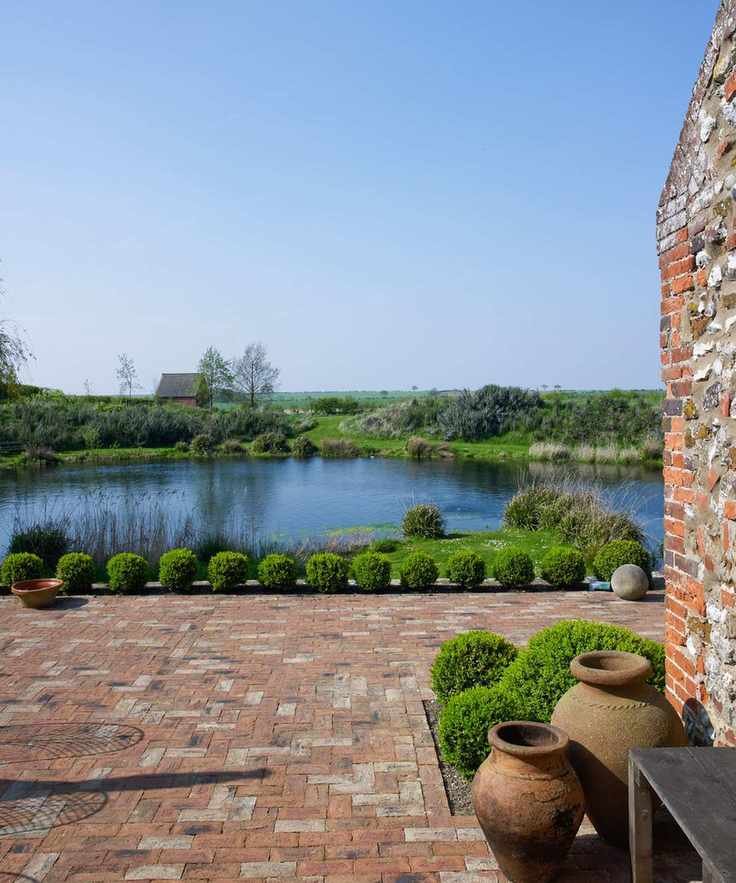
'Think about your space's orientation, as it can significantly affect the courtyard's atmosphere,' says Marcus Barnett. 'Adjusting it can create a cozy, intimate feel in a sunny spot or a cool area for shade.'
Views will also change based on orientation—would you prefer to gaze back at your home or out toward a scenic focal point?
14. Master Design Techniques
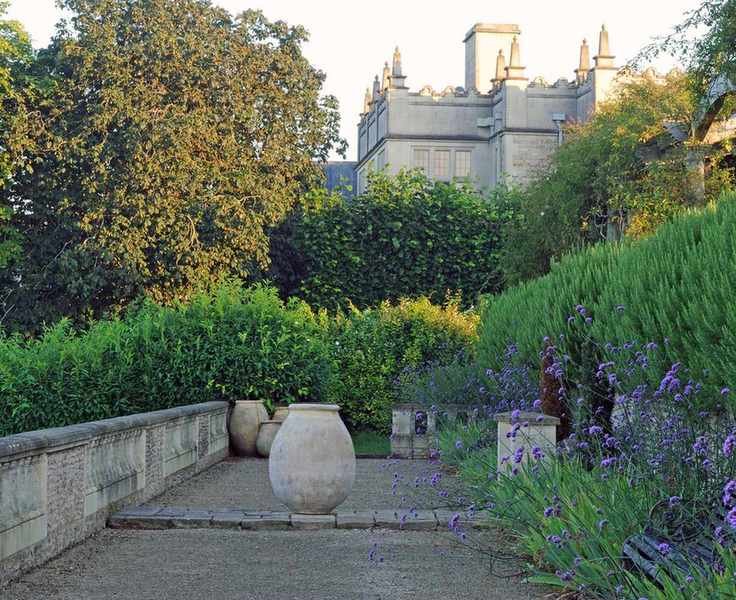
When planning for smaller spaces, especially long or narrow gardens, it's essential to draw the eye with simple, inviting designs.
Many courtyards are easily overlooked. Conceal unwanted views with screening ideas that add height without taking up too much space.
Long-lasting perennials like verbena bonariensis can add height while thriving in confined areas, blooming from May through winter.
15. Opt for White Flowers and Hedges
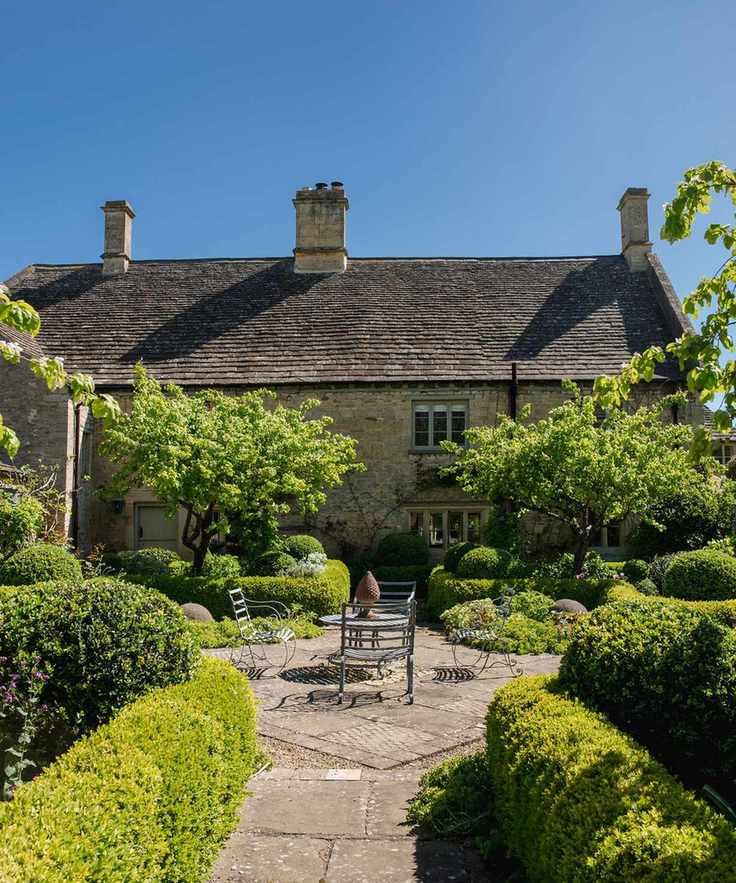
In smaller courtyard gardens, white flowering plants can create an illusion of light. 'White blooms are also the last color visible at dusk, so when planted strategically they contribute to depth,' suggests Sean Butler. 'In shaded spots, Saracoccoa (Christmas box) offers delightful fragrance and early blooms. Buxus (boxwood) can also provide excellent structural form across all garden styles.'
Consider incorporating trees into your design, as seen in the formal courtyard example, to enhance height and structure.
16. Optimize a Narrow Courtyard
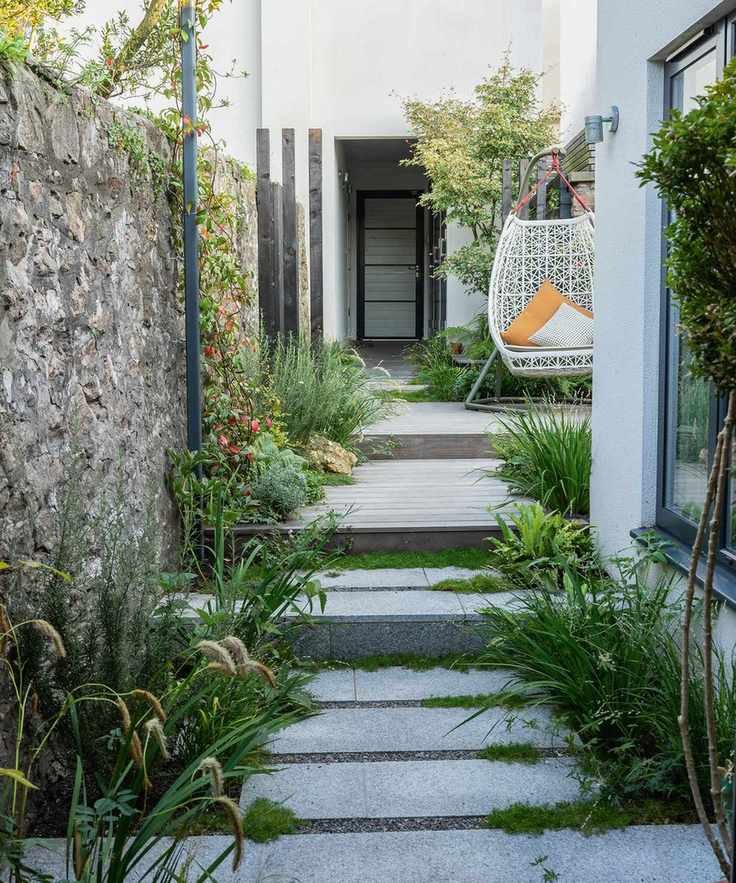
Many designers base their plans on a series of squares and rectangles, which work well in small, regular plots. Others creatively design layouts on diagonals to create a sense of space.
There are various design strategies to enhance your area. For instance, painting fences black can help them recede visually. Additionally, utilizing vertical space can draw the eye upward.
Effective planting for courtyard gardens often involves multiples of a single variety, which creates cohesion and simplifies the color scheme. Grasses and evergreens are popular choices as they look appealing year-round.
'A courtyard garden can be lush with plants; just select varieties that create intrigue and the illusion of space,' suggests designer Miria Harris. 'Plants with delicate qualities, like ornamental grasses or slender-stemmed perennials, facilitate movement and vertical accents that guide the eye upward.'
By enveloping the courtyard with plants, it can feel less restrictive.
17. Use Exaggerated Vertical Spaces

Vertical garden ideas are ideal for courtyards, keeping ground space clear for seating while maximizing greenery. The added benefit of elevated gardens is that they can be appreciated from higher levels as well, especially if you have a large expanse of wall facing the courtyard.
FAQs
What Should I Plant in a Courtyard Garden?
Choosing the right elements—planting and paving—is crucial for a successful courtyard garden. Thoughtful plant choices can soften the overall appearance of your space. Consider light, airy grasses or velvety ferns. For smaller areas, aim for plants with soft foliage and delicate leaves to enhance lightness.
Color matters too. Light greens, silvers, and grays can create a spacious feel, while shiny leaves can add depth and shimmer to your planting scheme.
In more extensive spaces, using various fragrances can help define areas and suit different moods throughout the day.
You can even incorporate small vegetable garden ideas with potted herbs and strawberries.
Consider warming your courtyard with outdoor rugs and adding pops of color and texture with cushions and throws.
Your choice of hard materials also influences the atmosphere. Timber panels for boundary treatments can provide a softer look than stone or rendered walls, creating a more serene environment.
For flooring, options like pebble mosaics or textured herringbone can visually expand the space. Smooth terrazzo can offer a clean, spacious feel, while natural stone provides warmth and charm, and decking ideas can also enhance courtyards.


