Known for their charming, star-shaped flowers, dogwoods are small to medium-sized trees cherished globally. These trees belong to the Cornus genus, with many species native to North America.
Diverse in nature, native dogwoods thrive in various conditions, each type preferring specific lighting and soil types. This diversity allows gardeners to select the right species for their outdoor spaces.
Some native dogwoods are renowned for their large blossoms, while others shine in fall with vibrant foliage. Whether used as standalone trees, large shrubs, or container plants, native dogwoods bring unique beauty to gardens.
Beyond aesthetics, native dogwoods support local wildlife. In spring, pollinators feast on the nectar from their open flowers, and in fall, the berries provide nourishment for birds like robins and cardinals.
Dogwoods can be planted from late winter to early spring, available as container plants or bare-root options. Explore four native dogwood species that stand out for their blooms and foliage throughout the seasons.
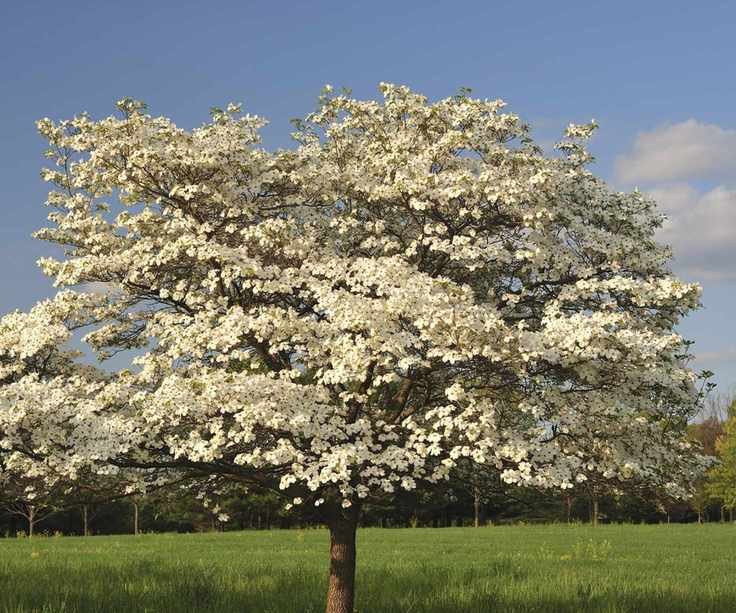
Flowering dogwood tree with white blooms
Planting Native Dogwood Trees
Native dogwood trees are adaptable, flourishing in various climates across North America. Experts recommend their top native dogwood choices for adding distinct character to your garden.
1. Spring Flowering Native Dogwoods
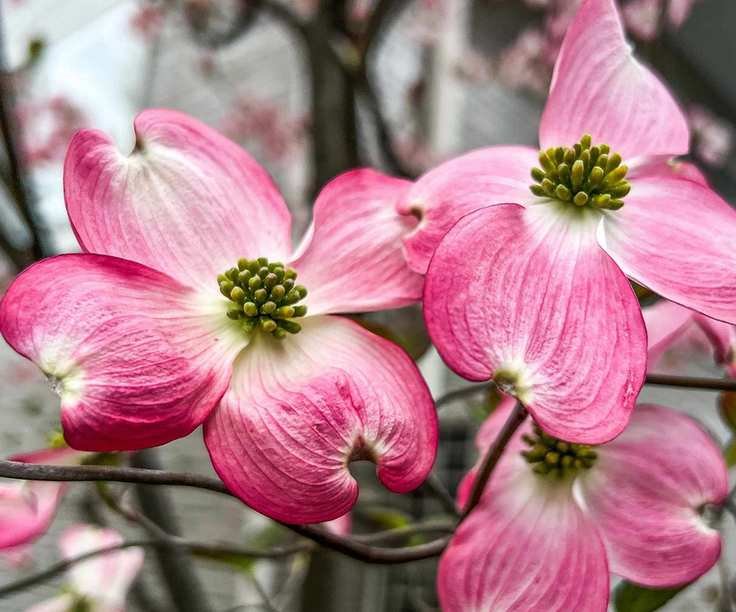
Cornus florida, flowering dogwood
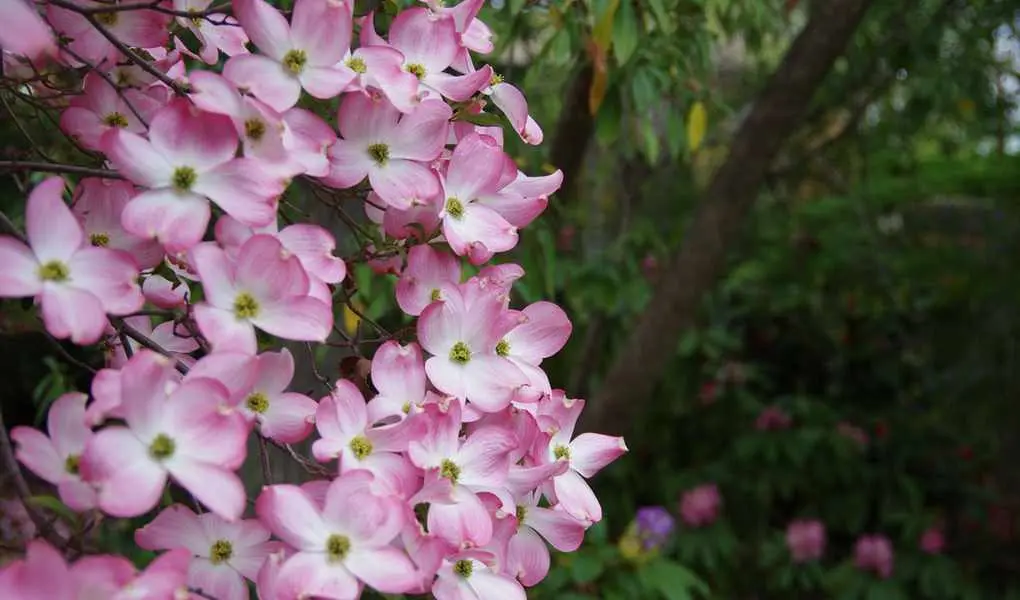
Originating from eastern North America, Cornus florida, the flowering dogwood, is celebrated as a quintessential spring tree. A horticulturist notes its small stature and 'long-standing status as a landscaping favorite' due to its striking beauty and extensive range.
This species thrives in US hardiness zones 5-9 and enjoys rich, well-drained soil. It's best planted in morning light to protect it from the harsher afternoon sun, although full sun exposure enhances fall color.
With numerous cultivars differing in color and height, there's a flowering dogwood suited for any landscape. Cornus florida is ideal for small gardens, larger yards, woodlands, and sunlit driveways.
Order the flowering dogwood from Nature Hills.
Another beautiful option is the silky dogwood, Cornus amomum, known for its smaller, delicate blooms. This shade-loving species is perfect for damp areas, making it a great choice for those needing dogwoods in wet spots.
Hardy in zones 4-8, this shrub-like species grows 6-12 feet tall and wide, forming an excellent hedge or windbreak. Happy silky dogwoods can create thickets through natural propagation, making them ideal for wildlife-friendly gardens.
As a host plant for over a hundred species of caterpillars, including the native spring azure butterflies, this species is a valuable addition for any landscape.
Order the silky dogwood from Nature Hills.
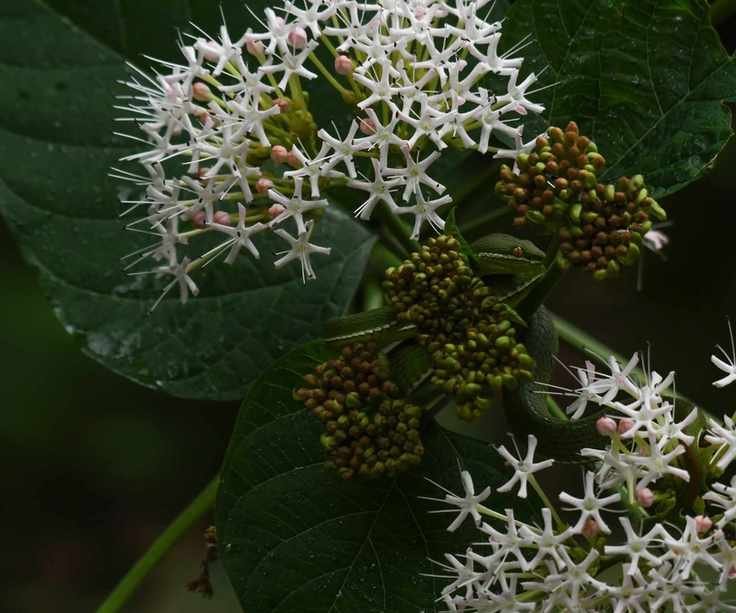
Cornus amomum, silky dogwood
2. Native Dogwoods with Vibrant Fall Color

Cornus nuttallii, Pacific dogwood
All dogwoods in the Cornus genus are deciduous, shedding their leaves in fall and winter. Most exhibit stunning fall colors ranging from bright yellows to deep reds, creating a spectacular landscape during this season.
The pagoda dogwood, Cornus alternifolia, is noted for its impressive year-round interest. This species is often planted as a specimen tree due to its unique shape and adaptability, thriving in US hardiness zones 3-7.
Unlike other dogwoods, the pagoda dogwood has alternate leaves that create an eye-catching zigzag pattern. After its delicate cream-white flowers bloom, birds enjoy the berries that appear on red stems in fall while the leaves transform into warm hues.
This tree prefers well-drained, rich soils to accommodate its shallow root system. While it can handle some drought, watering during extended dry spells is advised.
Another native dogwood, Cornus nuttallii, or Pacific dogwood, flourishes in zones 7-9. This species tolerates some shade but blooms more profusely in sunlight.
The Pacific dogwood produces clusters of white flowers in spring, followed by red fruits and brilliant fall foliage. Its leaves exhibit vibrant yellows and reds that stand out in sunlight.
Like many native dogwoods, this species attracts pollinators in spring and provides berries for birds in late summer.
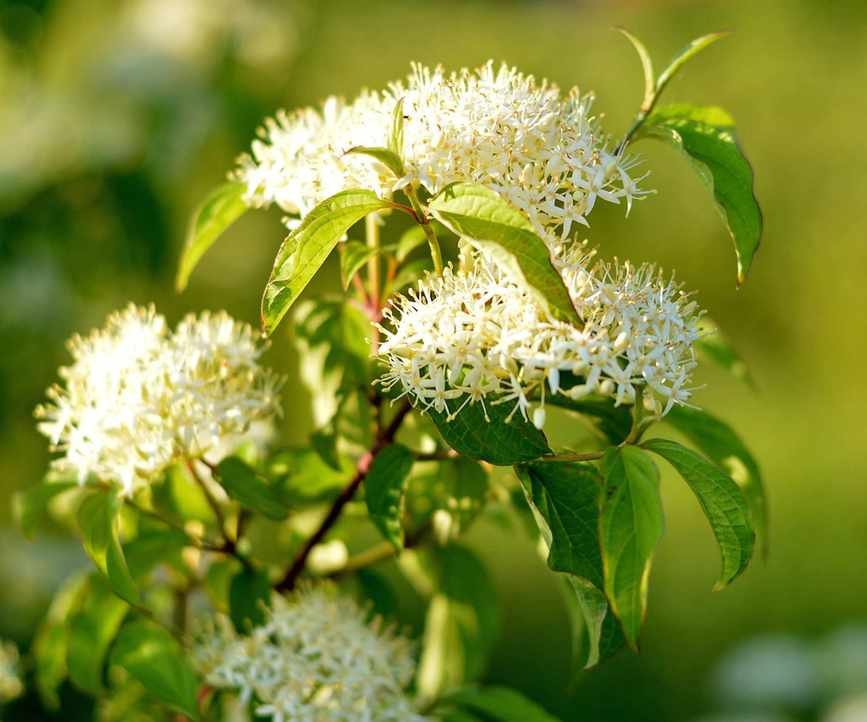
Cornus alternifolia, pagoda dogwood
FAQs
When Should I Plant Dogwood Trees?
Dogwood trees and shrubs can be planted from late winter to early spring, available as container plants or bare-root stock. This timing allows the tree to establish roots before summer heat. After planting, monitor watering and consider our guide on fertilizing dogwoods for optimal growth.
Which Native Trees Pair Well with Dogwoods?
Many native trees complement dogwoods beautifully. Varieties of witch hazel, like American witch hazel, are perfect for winter blooms. For larger properties, consider the hedge apple tree, known for its unique fruit and spiky branches.
Planting native dogwood trees enhances outdoor spaces with their stunning seasonal displays. Explore our guide on caring for dogwoods in fall for tips on maintaining these beautiful trees as seasons shift.
Also consider bunchberry dogwood, a lovely low-growing option with charming white flowers, or grow flowering dogwoods in pots for compact spaces.