Bringing the magic of a cottage garden into containers is an enchanting way to cultivate greenery, even in limited spaces. With layered plantings, whimsical color schemes, and a relaxed vibe, you can turn any balcony, terrace, or courtyard into a slice of the countryside, even in the city.
The key is to mix the right plants, select unique pots, and adopt an intentionally informal style. Picture soft outlines, cascading vines, and an assortment of flowers, herbs, and even vegetables, all nestled together as if they were meant to coexist.
If you've admired how cottage gardens infuse charm and vibrant blooms into their surroundings, now's your chance to capture that essence in a compact, container-based format that feels equally generous.
1. Focus on the Essence, Not the Size

A common misstep when creating a cottage garden in pots is underestimating the space. Even the smallest balcony can thrive with a broad vision.
I remember when I first filled a narrow urban balcony, treating each pot as a tiny border. Instead of placing one plant per pot, I layered three or four: a tall centerpiece, some fillers, and trailing plants. This made the area feel lush rather than sparse.
This method resonates with classic cottage garden designs, focusing on abundance rather than minimalism. Consider using vertical wall planters to enhance this 'more is more' philosophy.
For planting guidance, revisit combinations similar to those in herb gardens, where density and utility are closely aligned.
2. Select Plants That Cascade, Dance, and Self-Seed

A cottage garden in containers should appear as if it's ready to wander off on its own. Choose plants that sway and intertwine.
Start with reliable bloomers like:
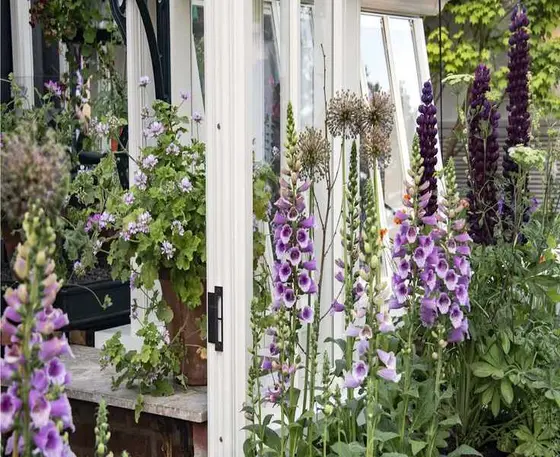
• Foxglove (Digitalis purpurea)
• Cosmos (Cosmos bipinnatus)
• Sweet peas (Lathyrus odoratus)
• Geraniums (Pelargonium spp.)
Then soften the look with trailing or light companions:
• Bacopa (Chaenostoma cordatum)
• Ivy (Hedera helix)
• Creeping Jenny (Lysimachia nummularia)
Let these plants mingle. A foxglove standing alone is just structure; surrounded by softer elements, it becomes enchanting.
For ideas, look to planting techniques from walled gardens that can be beautifully adapted to container sizes.
For seeds, try Sensation mix cosmos seeds and heirloom sweet peas, both excellent for zones 5–9 and generous with blooms.
3. Curate Unique Pots
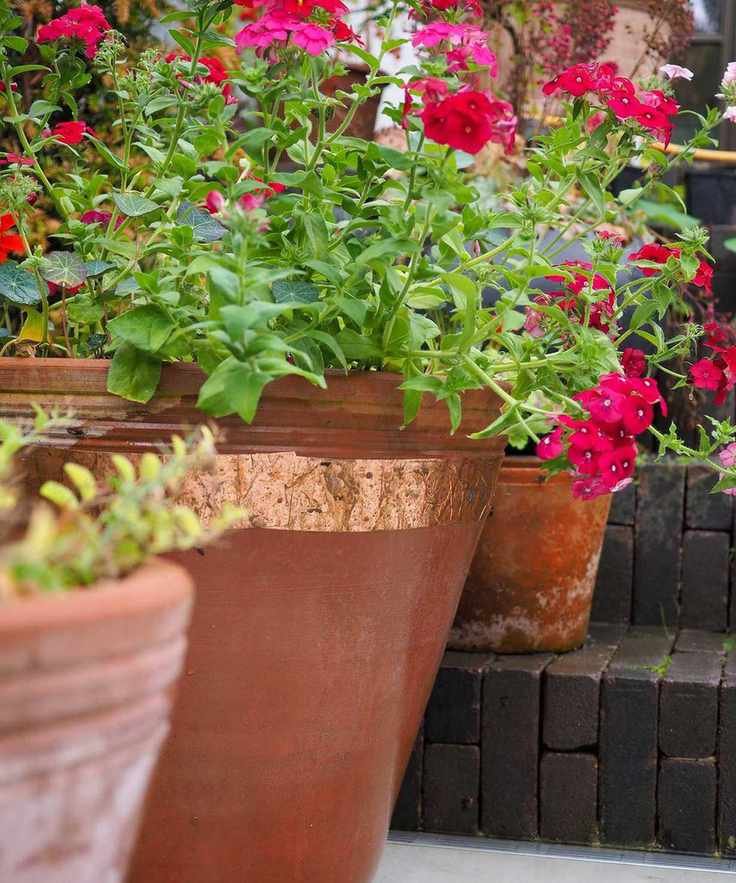
Containers should tell a story as much as the plants themselves.
Cottage gardens call for pots with character—avoid overly polished designs. I often seek out:
• Weathered terracotta
• Vintage-style enamel buckets
• Wooden crates discreetly lined
Creating an eclectic collection adds charm, much like a quirky family gathering.
One favorite trick is to buy terracotta pots from Lowes, coat them in yogurt, and store them in a damp, shaded area. After a week or two, they look pleasantly distressed, giving new plantings an established feel.
This natural aesthetic complements container gardening, especially where materials provide as much interest as the plants.
4. Overfill for Abundance

Embrace abundance here.
When creating a cottage garden in containers, I always plant generously. Plants should touch, overlap, and sometimes compete for space. This density achieves that 'grown, not designed' look.
A typical larger pot (about 16–20 inches wide) could include:
• One main plant, like Salvia nemorosa
• Two to three mid-height fillers, such as Calibrachoa
• One trailing plant, like Dichondra argentea
This results in instant fullness, rather than waiting weeks for plants to blend.
If unsure about combinations, consider planting schemes similar to those found in small gardens for effective arrangements.
5. Integrate Edibles with Flair
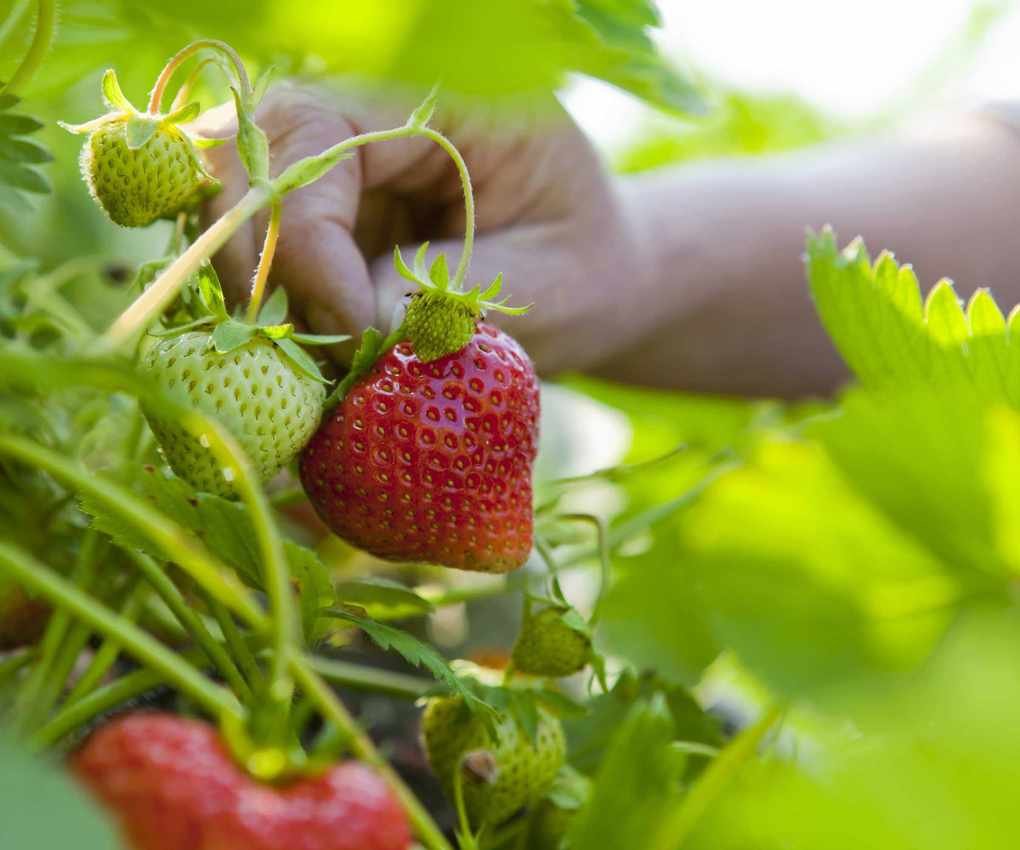
A genuine cottage garden intertwines beauty with practicality, and your containers should too.
Incorporate herbs and edibles among flowers, creating delightful surprises:
• Thyme (Thymus vulgaris) spilling over
• Strawberries (Fragaria × ananassa) peeking through
• Lettuce (Lactuca sativa) bringing texture
This method not only adds dynamism but encourages regular harvesting, keeping the display fresh.
This mirrors the productive ease found in kitchen gardens, where beauty and function coexist seamlessly.
6. Opt for Soft, Romantic Colors
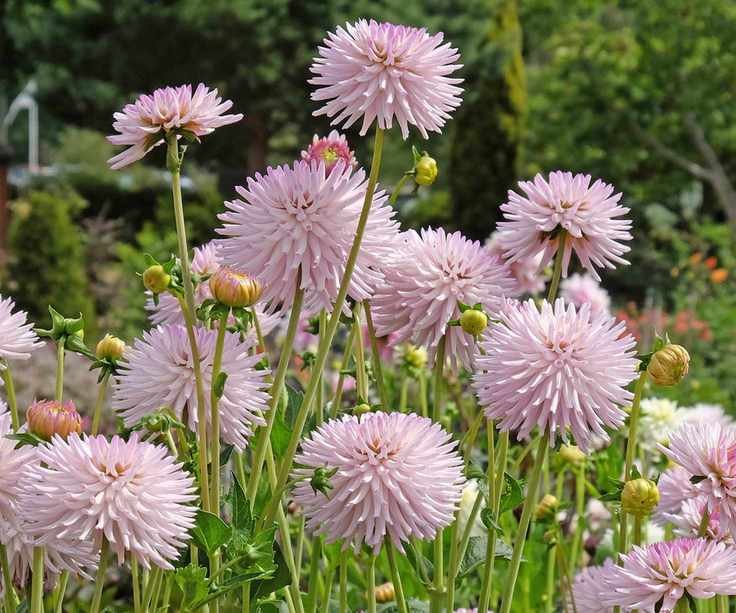
Color is crucial in transforming a collection of pots into a unified cottage garden.
I prefer:
• Blush pinks
• Lavender blues
• Soft whites
• A few deeper plums for contrast
While it might be tempting to use every bright color, subtlety enhances the dreamy look.
One summer, I planted solely in whites and soft purples, creating a luminous effect at dusk, making even a tiny courtyard feel expansive.
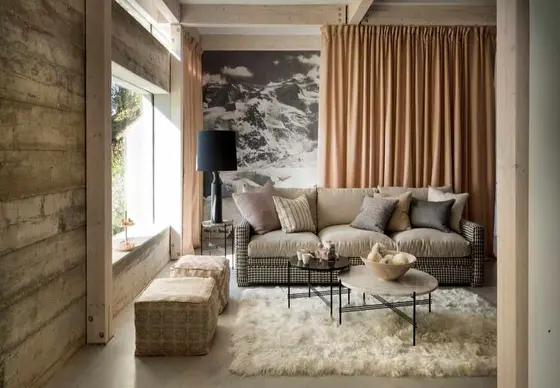
For palette experimentation, draw inspiration from interior design, such as monochromatic themes, which can guide your selections without being overly restrictive.
7. Allow for Beautiful Chaos

The allure of a cottage garden lies in its charming disarray.
Encourage plants to:
• Self-seed when they can
• Lean and drape naturally
• Grow beyond their designated spots
I often refrain from deadheading everything. Leaving a few spent flowers promotes reseeding and continuity in the display.
Of course, there's a fine line between delightful disorder and total chaos. A quick trim with snips can keep things feeling romantic.
8. Create Vertical Layers for Depth

Even small courtyards benefit from vertical layering.
Consider using:
• Tall pots at the back (or against walls)
• Medium-height groupings in the center
• Low, trailing pots at the front
Sometimes, I include a small obelisk or trellis for climbers like sweet peas or compact roses (Rosa spp.), which enhance the overall design.
This technique reflects principles of vertical layering, where height adds richness without requiring extra space.
9. Water Regularly and Fertilize Often

A cottage garden in containers may appear effortless, but it requires care.
Because pots dry out quickly, especially in warmer months, I suggest:
• Watering daily in summer
• Using water-retaining soil
• Fertilizing weekly with a balanced liquid feed
A quality watering can from Ace Hardware, combined with good organic feed, makes this routine enjoyable and sustainable.
Healthy plants thrive, and vitality is central to the cottage garden aesthetic.
10. Add Touches That Encourage Relaxation
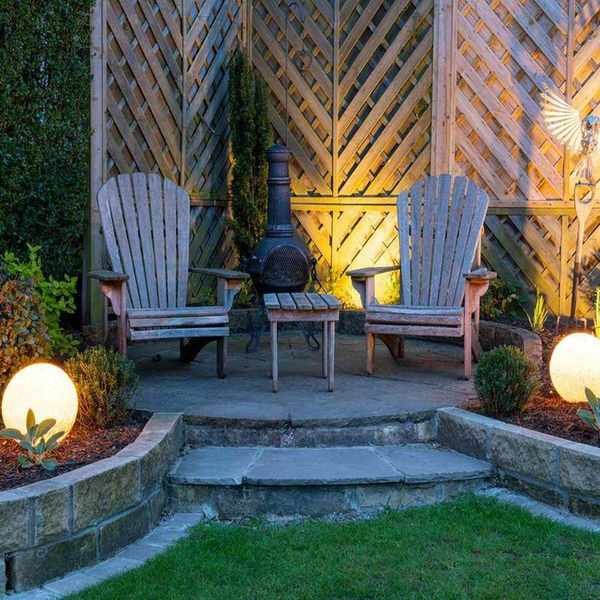
Ultimately, a cottage garden in containers embodies more than just plants; it creates a welcoming atmosphere.
Consider adding:
• A chair or small bench
• Lanterns or solar lights
• A small table for coffee
These additions turn your planting into a living space, not just a visual display.
I once squeezed a petite wrought-iron chair onto a tiny balcony, and it transformed the area. Suddenly, the space had a purpose. It became a spot to sit, relax, and appreciate the delightful disorder.
Such touches reflect ideas from outdoor living designs, making the garden an extension of everyday life.
Creating a cottage garden in containers is about inviting nature into your space; it's about cultivating an environment that feels lush and vibrant.
This style embraces mistakes, encourages creativity, and matures beautifully over time. Its greatest allure is that even the smallest outdoor area can blossom into a rich tapestry of flowers, fragrances, and a hint of wilderness.