
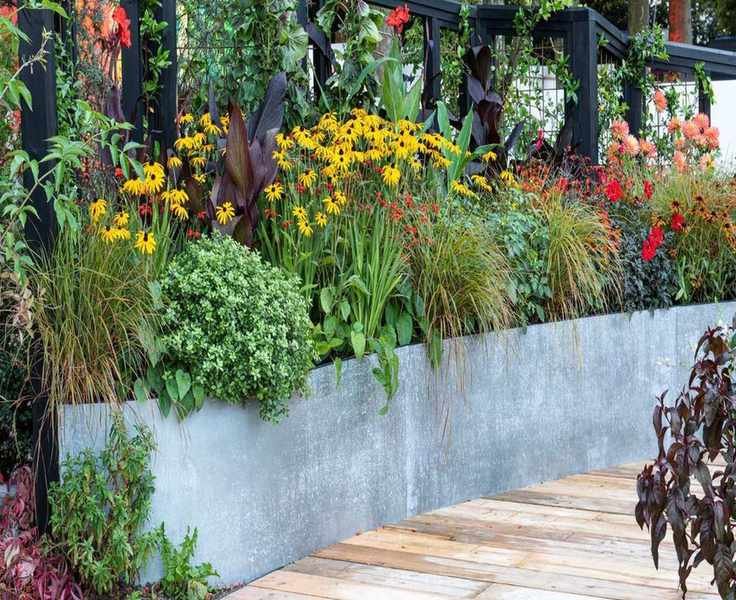
Incorporating raised beds into your garden offers numerous benefits. They not only create a visually appealing layout but also introduce height and dimension, making outdoor spaces more inviting. Plus, they provide an effective means to improve drainage and soil quality.
Raised beds enable gardeners to experiment with plant varieties while enhancing root development. They promote better airflow around plants, reducing the risk of issues like mildew and crown rot.
These elevated structures allow for precise soil amendments to meet specific plant needs, which may differ from your native soil. With this flexibility in mind, we consulted experts to identify six stunning cut flowers that thrive in raised bed settings.
Black-eyed Susan
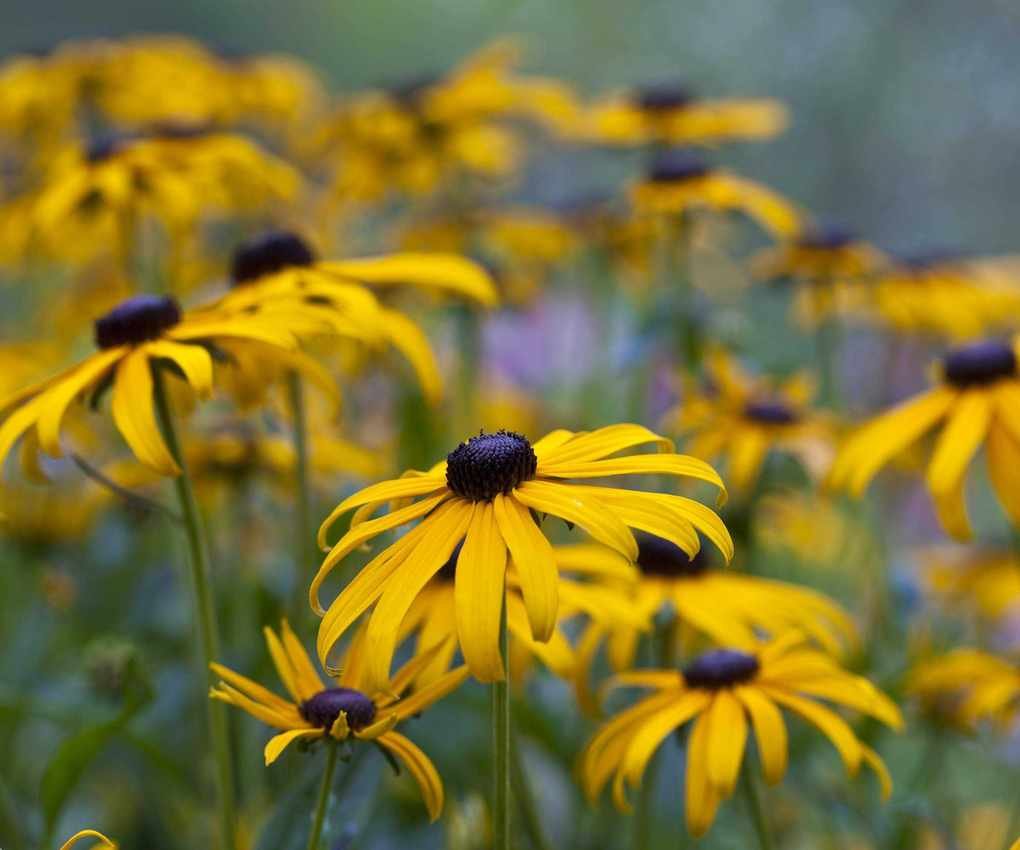
Bright and cheerful, Rudbeckia fulgida is a resilient perennial that loves full sunlight. While it adapts well to various soil types, it requires excellent drainage. According to gardening expert Nikki Bruner, 'Black-eyed Susan benefits from raised beds as excess water drains swiftly, minimizing root rot risks.'
This clump-forming plant spreads via underground rhizomes, proving to be low maintenance and drought-resistant once established. Expect heights of 2-3ft (60-90cm) and a spread of 18-24 inches (40-60cm).
Ideal for USDA hardiness zones 3-8, this flower attracts bees, butterflies, and seed-eating birds. However, its slightly rough leaves may fall victim to downy mildew in humid conditions. Amending raised beds with grit and organic matter can mitigate this issue.
Consider varieties like 'Goldsturm' and 'Prairie Glow' to brighten your garden.
Pair these with a classic raised bed kit for a striking visual effect.
Zinnia
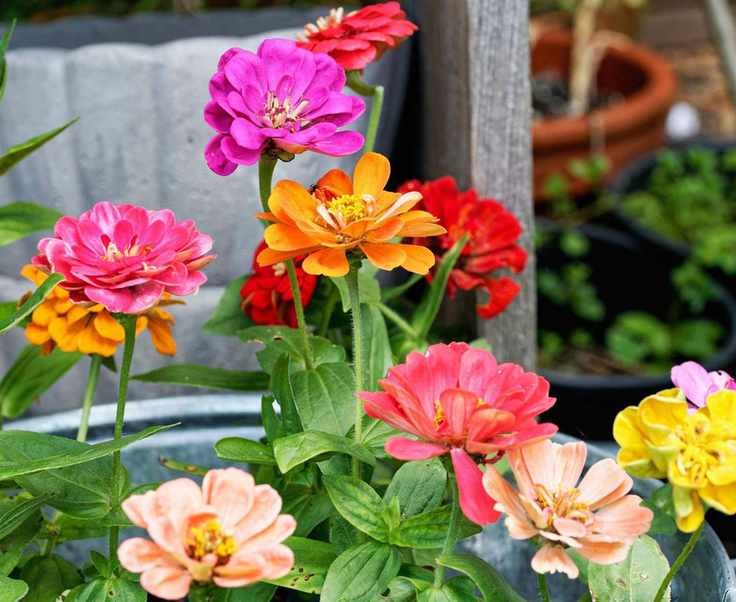
Zinnias can be a delightful challenge for gardeners. To simplify growing these vibrant flowers, experts recommend raised beds. 'Zinnias excel in these conditions as their roots thrive with optimal drainage and airflow,' says horticulturist Laura Walsh.
Thanks to the loose soil and improved circulation, zinnias develop robust stems and foliage, producing consistent blooms. With heights ranging from 1-3ft (30-90cm), start seeds in April or May for flowers from August to September. Try Burpee's cut & come again seed mix for a colorful display.
To protect these sun-loving annuals from strong winds, consider planting them in mobile raised beds.
Calendula
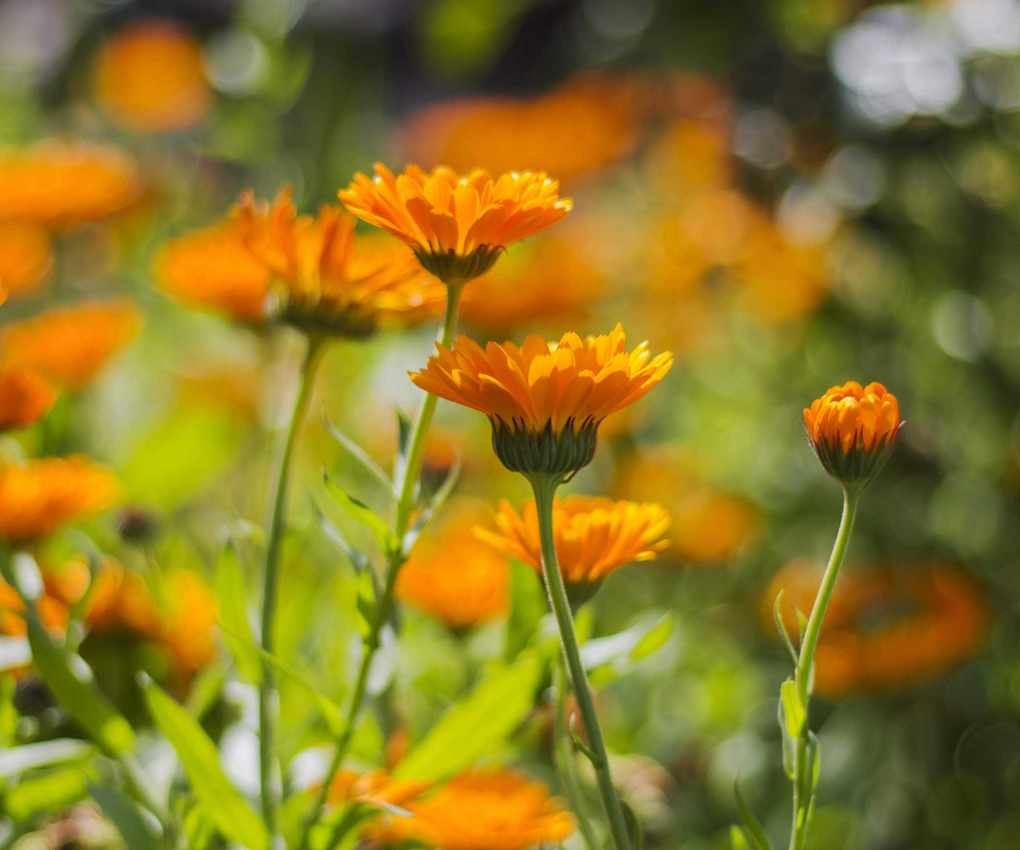
While calendula can flourish throughout your yard, raising them in a bed results in stronger, healthier plants. Horticultural expert Diane Blazek notes, 'Calendula, derived from the Latin for 'little calendar', opens at dawn and closes at dusk.'
These flowers prefer slightly acidic to neutral soil. 'Ensure good drainage, and keep them watered without overhead watering to prevent mildew,' adds Diane. The elevated position also makes it easier to deadhead spent blooms, encouraging new growth.
When harvesting, pick calendulas in the morning when the blooms are open, and trim the stems at a 45-degree angle before placing them in lukewarm water.
Cosmos
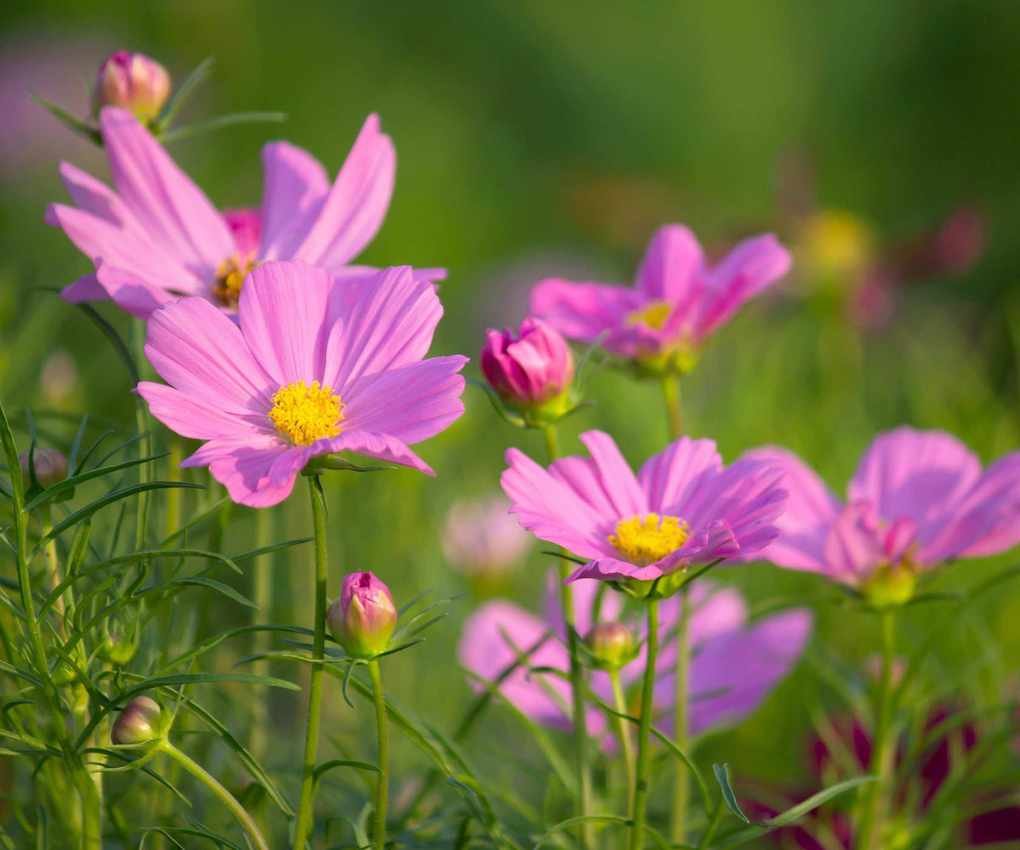
Cosmos are a favorite among designers, particularly in soft blush and pale yellow hues. 'These flowers create stunning arrangements, adding movement and a natural elegance,' says Laura Walsh.
They attract beneficial pollinators but can also lure pests. Growing them in a raised bed helps keep them safe.
These cut-and-come-again flowers thrive in full sun and can reach heights of 20-24 inches (51-61cm), blooming from July to October. 'Their preference for loose, well-drained soil makes raised beds ideal for their growth,' Laura explains.
Phlox
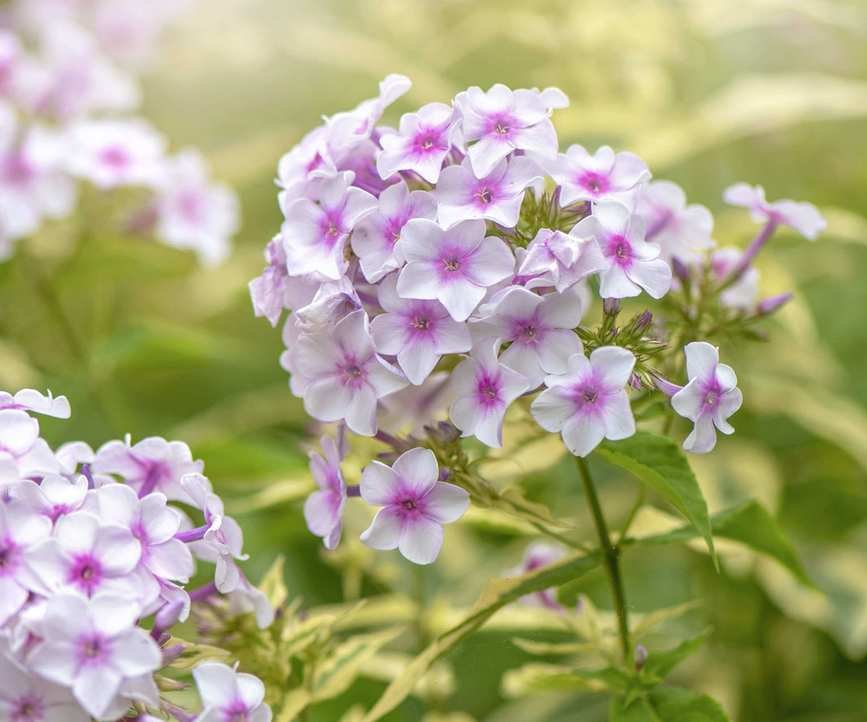
Garden phlox, or phlox paniculata, often battles mildew. Growing them in a tall U-shaped raised bed can help combat this problem.
Laura explains, 'Phlox thrives in raised beds where enhanced drainage and airflow reduce crown rot and powdery mildew risks. Elevating the soil leads to healthier plants and extended blooms.'
These flowers are excellent fillers in arrangements, providing soft color clusters and a delicate texture that enhances the overall design.
Snapdragon

Raised beds allow for tailored soil conditions, crucial for growing snapdragons. Expert Katie Sunderlage recommends using loose, well-drained soil enhanced with compost for nutrients. 'Aim for a depth of 8-12 inches for optimal root growth,' she advises.
Snapdragons benefit from summer fertilization with a balanced slow-release formula applied every few weeks.
Consider this professional slow release fertilizer for best results.
Ready to add raised beds to your garden? Check out our insights on the best materials for construction and learn about plants that should be avoided in raised beds.



