
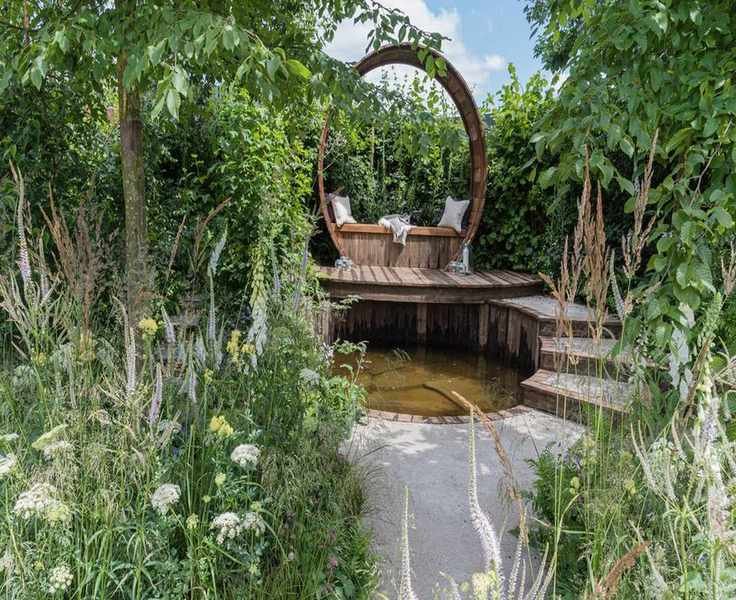
A healing garden should feel like a safe haven that envelops you as you wander through it. Designed intentionally, such spaces can significantly reduce stress, enhance focus, and improve sleep quality, turning your garden into a perfect retreat for relaxation.
Essential elements of a wellness garden include inviting seating areas, calming water features, and layered planting with aromatic plants and textured grasses. Adding pollinator-friendly plants, bird baths, and bee hotels enriches the experience by inviting wildlife and creating a deeper connection to nature.
For a healing garden to be effective, it must feel immersive and provide a sense of privacy. It should encourage you to pause and reflect, fostering a strong bond with the environment. We consulted experts to share insights on creating your own sanctuary.
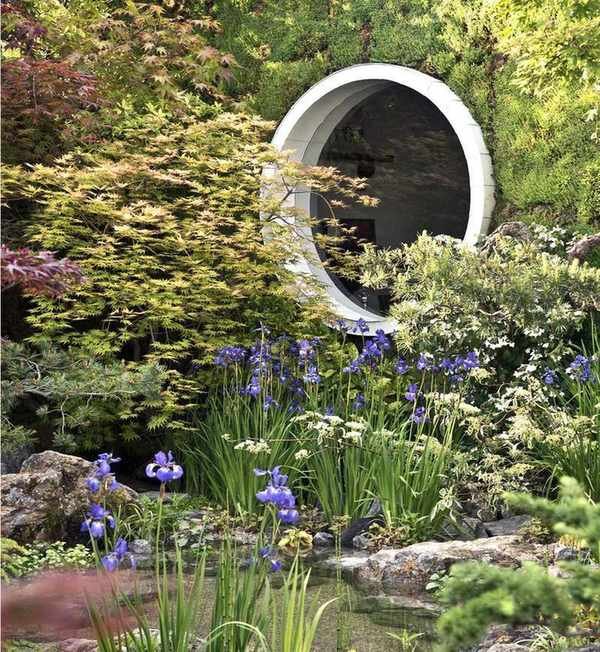
Key Aspects of Designing a Healing Garden
According to psychologist Natalie Buchwald, the true healing power comes from sensory experiences rather than the plants themselves. Engaging with the texture of soil, the sound of water, and the scent of rain-soaked earth brings you into your body, effectively reducing anxiety.
Intentional garden design promotes therapeutic benefits like decreased anxiety and improved focus. Being in a garden can help disrupt anxious thought patterns, especially when the environment encourages engagement rather than passive observation.

Natalie Buchwald is the founder and clinical director of Manhattan Mental Health Counseling, specializing in holistic psychotherapy that emphasizes the mind-body connection.
1. Design for Refuge with Biophilic Principles
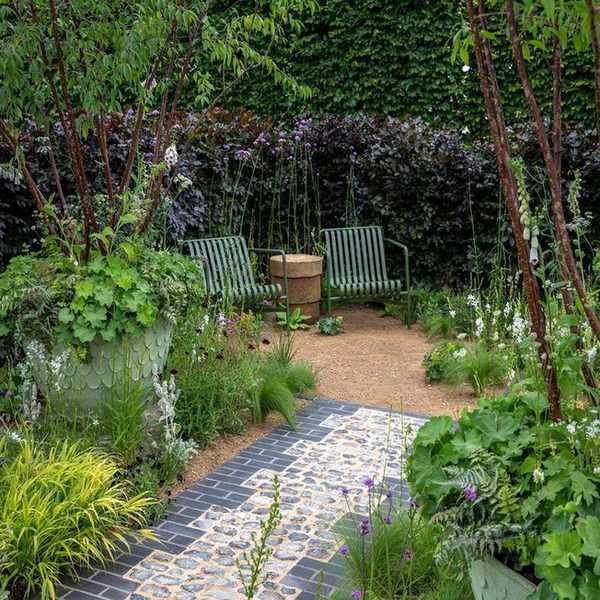
This secluded seating space is perfect for stepping back from the busy routine of daily life
Research shows that access to nature significantly boosts mental health, reduces stress, and enhances sleep. Biophilic design principles can strengthen this connection. Expert Shane Pliska notes that healing gardens can impact recovery in healthcare settings.
We all need a calming space to unwind, which can be achieved through designing cozy nooks shielded by trees or nestled in quiet alcoves. These areas should engage all senses without overwhelming them, featuring soft grasses and gentle light.
Biophilia, the concept that draws us to nature, is crucial for creating restorative environments that embrace textures, patterns, and natural shapes.

Dr. Rachel Melvald, a licensed psychotherapist, specializes in designing spaces that promote healing and connection through her expertise in trauma recovery.

Shane Pliska is a recognized authority in biophilic design, emphasizing the integration of plants into built environments to enhance well-being.
2. Incorporate Curvilinear Designs to Alleviate Stress
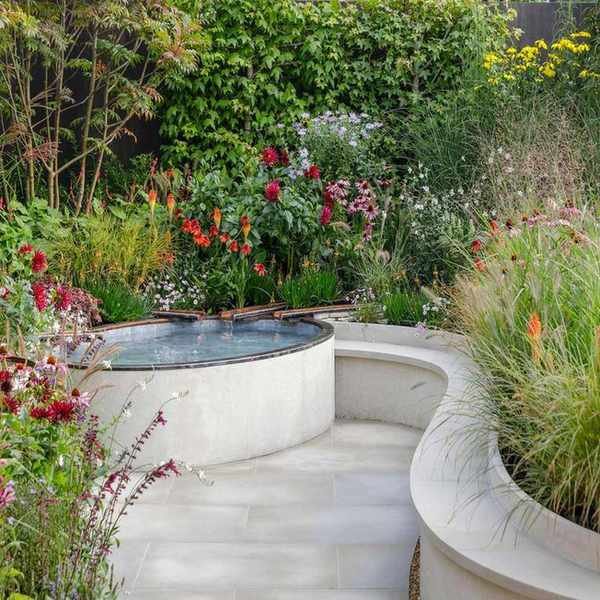
The gentle curves in this design are soothing and calming
Dr. Rachel Melvald emphasizes that incorporating curves in garden layouts can foster a sense of safety and tranquility. Curved paths guide exploration and encourage peaceful reflection.
Natural stone or gravel walkways can promote mindfulness, while open areas work well for activities like yoga or tai chi. This design approach creates reflective spaces that feel protective and calming.

Dr. Lori Bohn focuses on the mind-body connection, integrating trauma-informed practices in her holistic healing approach.
3. Enhance Sensory Experiences with Aromatic Plants

Scented plants like lavender are a key feature in the healing garden
Aromatic plants such as lavender and rosemary enhance relaxation by encouraging deep breathing. They also have uplifting effects on mood and sleep.
Adding vibrant flowers like echinacea and calendula can offer bursts of color without overstimulation. Incorporating trees and shrubs creates shade and a sense of security in your garden.
Utilizing various textures enables you to engage with your surroundings through multiple sensory channels, which can positively impact stress levels and sleep quality.
4. Craft a Serene Contemplation Space with Color and Water
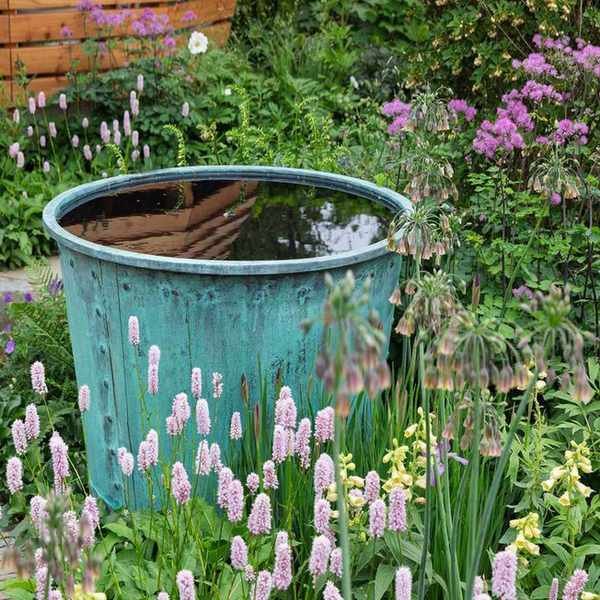
A water feature offers a space for contemplation while pops of color are uplifting
Intent is vital when designing your healing garden. Identify the feelings you want to cultivate. For escape and comfort, focus on incorporating native plants and soothing textures.
Paths leading to quiet spots, paired with the gentle sounds of water, create a calming atmosphere. Prioritize tactile elements and the act of caring for plants, which can help regulate your nervous system.
Consider adding features like a solar bird bath fountain from Amazon to enhance the soundscape.
A successful healing garden transports you from stress to tranquility, allowing time to slip away as you immerse yourself in the beauty.

Trevor Smith is an award-winning landscape designer dedicated to sustainable practices and the integration of ecological principles in garden design.
5. Find Balance for a Sense of Order

This nook has the combined benefits of immersive planting and a pond
A healing garden should reflect personal balance. Expert Joe Raboine suggests designing spaces that blend native plants with structured elements like pathways and raised beds.
This combination fosters order while preserving the garden's natural beauty. Features like ponds and birdhouses contribute to the therapeutic environment.
As you cultivate your garden, monitor wildlife interactions and adapt your plants accordingly. Combining open spaces with secluded areas encourages relaxation and discovery.

Joe Raboine, Vice President of Design at Oldcastle APG, focuses on enhancing design practices and experiences for contractors and clients alike.
An effective healing garden also manages sound. Create pockets of tranquility with barriers like sunken gardens or courtyards, and incorporate soothing sounds from water features or natural audio for a serene backdrop.



