

If your lavender appears dull, woody, or sluggish this April, you're not alone. Across the US, from the Northeast to milder regions like California, lavender is just beginning to shake off winter dormancy and may still seem distant from its summer glory.
Keep in mind that April's focus isn't on blossoms; it's a month for resetting. For those interested in growing lavender successfully, this period lays the groundwork for a fragrant, full bloom later in the season.
As new green shoots emerge, even in small amounts, it signals that your plant is on the mend. A little care now can greatly assist in landscaping with lavender, ensuring your plants maintain their shape and look vibrant as summer approaches.
1. Look for New Growth Signs

Before pruning your lavender, take a moment to observe its condition. In April, rushing into pruning is a common error. Wait until you can clearly see fresh green shoots at the base or along the stems.
In cooler regions, new growth may emerge slowly, and it's normal for plants to still appear brown into mid-spring. While this can be disheartening, it doesn't always indicate a problem. Patience is essential—pruning too early can remove the new growth that's crucial for revitalization.
When it's time to prune, I recommend using reliable Fiskars bypass shears from Amazon. Their sharpness ensures a clean cut without damaging the stems.
2. Shape and Clean the Plant Lightly
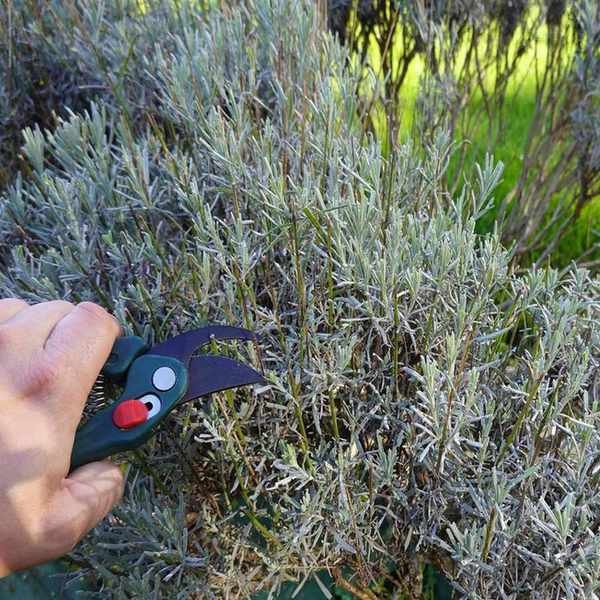
Once you notice new growth, April is ideal for giving lavender a gentle tidy-up. When pruning, simplicity is key. You're not resetting the plant but rather cleaning up winter's remnants and aiding its return to shape.
Start by cutting away dead or brittle stems and last year's spent flower stalks. Assess the overall form before further trimming. Lightly shape the soft green growth, maintaining a rounded and even silhouette to prevent sprawl. This restraint will prove beneficial as summer approaches, promoting a denser and more balanced plant.
3. Avoid Cutting into Woody Stems
A frequent mistake is pruning too aggressively into the woody base. Older, hardened stems don't reliably produce new growth, and cutting too deeply can leave bare patches that won't fill in.
In April, focus your pruning on the visible green, living growth. Think of it as gentle shaping rather than a reset. A delicate approach fosters a healthier, fuller plant that keeps its shape through the seasons.
4. Enhance Conditions Before Growth Picks Up
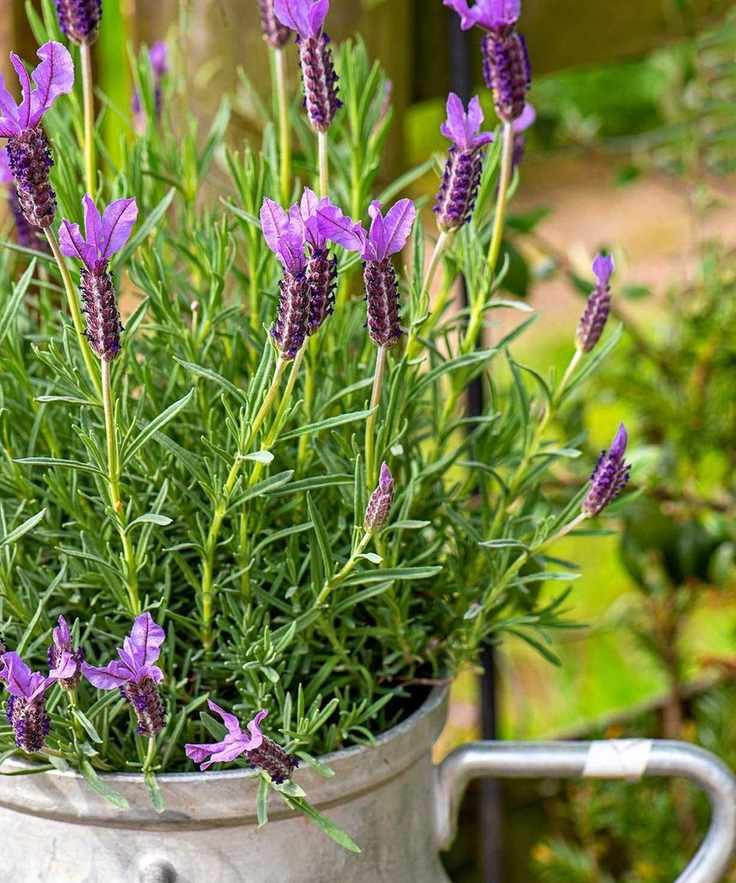
April is also a good time to ensure your lavender is primed for the upcoming months. Lavender dislikes wet soil, and with spring rains and warming temps, poor drainage can become an issue. If your garden retains moisture, consider improving drainage by adding grit or gravel around the plant's base.
If you're growing lavender in pots, pay extra attention to drainage—ensure containers aren't sitting in saucers of water and that drainage holes are clear. Providing good airflow is also beneficial as humidity increases.
5. Delay Fertilizing for Now

It might seem intuitive to fertilize lavender in early spring for a boost, but it's usually unnecessary at this stage—and can backfire. Nitrogen-heavy fertilizers can promote lush leafy growth initially but may hinder flowering later.
Lavender thrives on a lean diet. If your plant is healthy, it may not require any feeding. It's generally better to wait for consistent, active growth later in spring before considering fertilization.
6. Refresh Your Container-Grown Lavender
If your lavender is in a pot, April is a prime time to evaluate its condition. Container plants can become root-bound, slowing growth and reducing blooms.
If the plant looks cramped or water drains through the pot too quickly, consider relocating it to a larger container with a well-draining potting mix. Even if repotting isn't necessary, a simple refresh—topping up soil and rearranging it in a sunny spot—can significantly enhance its health as the season progresses.
Lavender Care Products for April
Enhance your garden with English Lavender seeds, known for their ability to repel pests and provide stunning blooms. These non-GMO seeds ensure reliable germination this season.
This pruning shears set is designed for comfort and safety, featuring sharp blades for clean cuts and ergonomic handles for control.
Fiskars Ergo Trowel is a gardening must-have for soil work, featuring a rust-resistant head and comfortable grip.
English lavender is versatile, perfect for culinary use, sachets, and beauty products.
This organic mulch helps retain moisture, controls weeds, and enhances the garden's appearance.
This comfort grip trowel is designed for ease and durability, making gardening tasks more comfortable.
April marks a crucial transition for lavender. While you won't see significant blooms yet, these early actions are vital. By patiently waiting for growth signs, pruning lightly, and making mindful adjustments, you'll lay the groundwork for a healthy, vibrant summer display.



