Selecting the ideal shower for your bathroom is crucial, as it's an essential fixture that should withstand daily use without issue.
While aesthetic elements like tiles and paint colors are undeniably important when exploring walk-in shower designs or bathroom decor, the functional components play a vital role.
Choosing the Perfect Shower
During the planning of your shower room, it can be easy to focus solely on the visual aspects and overlook practical considerations like water pressure and plumbing layout.
However, these factors are essential. They not only impact your overall shower experience but also enhance the enjoyment of your new bathroom.
Understanding your boiler type and the water pressure it delivers, as well as knowing whether your new shower installation will involve a cavity or party wall, helps narrow down your options. For instance, larger walk-in showers typically require strong water pressure.
We've compiled the latest styles and expert insights to make your decision easier.
Types of Showers Explained
There are three primary types of showers available:
- Electric showers
- Mixer showers
- Digital showers
Your choice will depend on aesthetics, boiler type, budget, and water pressure.
1. Thermostatic Mixer Showers
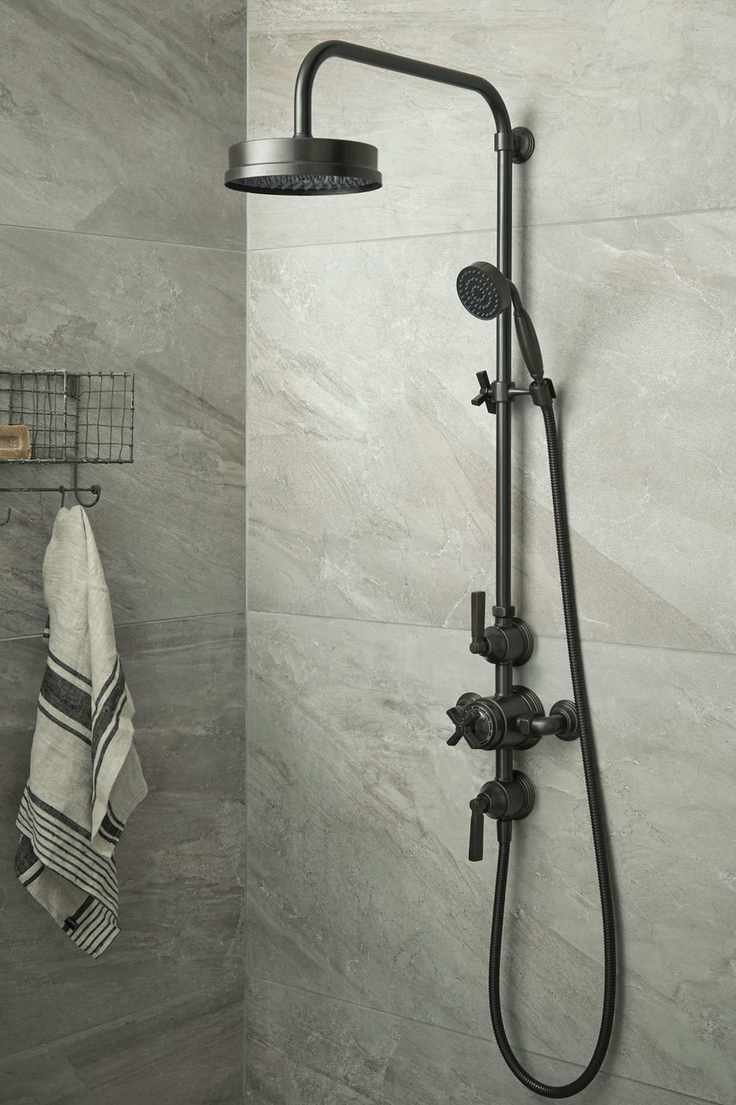
Empire Grande exposed shower in vintage bronze, (available in 5 finishes), from £5,062.50
Thermostatic mixer showers are the most popular option, consisting of a valve and a showerhead.
The valve is the technical component that mixes hot and cold water, featuring controls for flow and temperature adjustment.
Choose between an exposed valve, which mounts on the wall surface, or a concealed mixer, which is hidden within the wall, leaving only the controls visible.
These are available in various styles, from traditional to modern, but do require good water pressure, which might necessitate a pump in some homes.
2. Electric Showers
These wall-mounted fixtures heat cold water on-demand, making them a cost-effective choice.
Though designs may be limited, electric showers are particularly useful in secondary bathrooms or busy homes, as they maintain pressure even when other fixtures are in use. They can also feature a pump to enhance water pressure.
3. Digital Showers
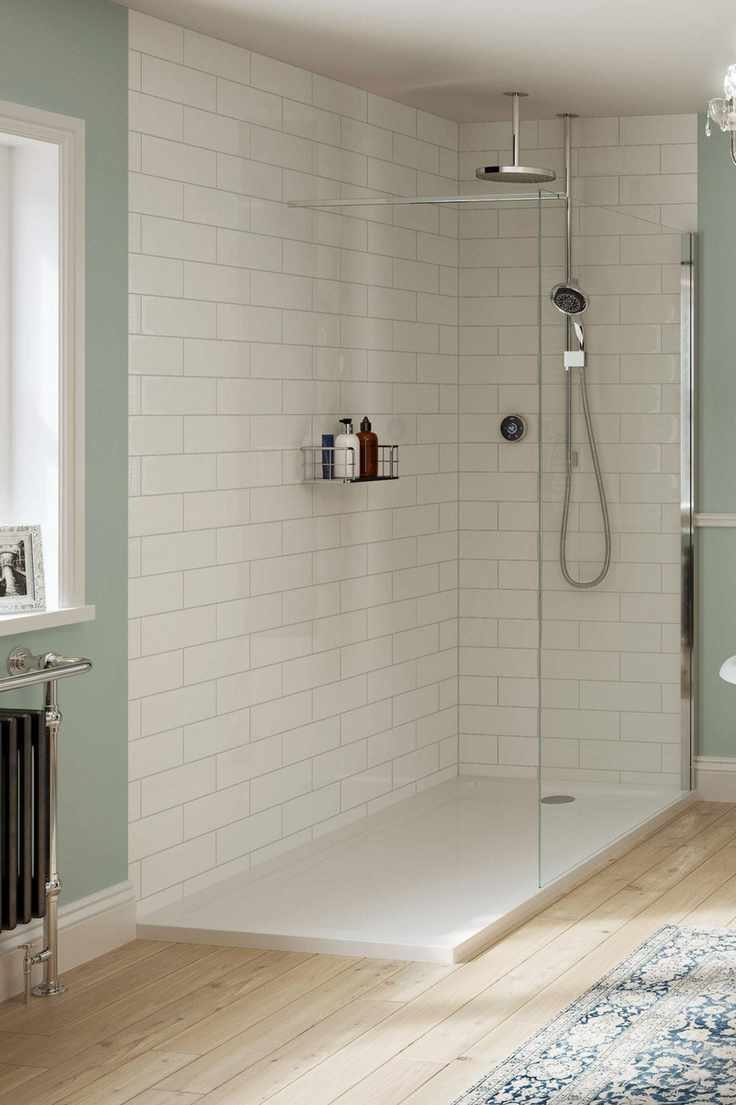
For a high-tech showering experience, consider a digital shower that allows you to preset water temperature and flow or switch spray types.
Like thermostatic showers, digital versions consist of a diverter that mixes hot and cold water and a showerhead. However, the diverter box can be installed anywhere, even outside the bathroom, for a streamlined look.
With wireless control, you can adjust water to your desired temperature before stepping in. Programmable settings let each family member select their preferred temperature and flow, whether soothing, invigorating, or powerful.
This digital model can even track time, helping with water conservation efforts.
Determining Your Shower Needs
Understanding your home's water heating system is key in selecting a shower.
If you have a combi boiler, which heats water on-demand, the mains pressure is likely adequate for a power shower (operating at 1.0 bar or higher).
Older homes may rely on low-pressure gravity-fed systems (with a tank in the loft), requiring a pump for an optimal shower experience.
Specifications will indicate the bar pressure needed for proper operation. Typically, larger showerheads require more pressure.
What is an Exposed Shower System?
Exposed showers offer a stunning look and are ideal for walls that cannot accommodate plumbing, like party or exterior walls.
Only the hot and cold water feeds need to be integrated into the wall, requiring minimal depth. This classic mounting style adds charm to traditional bathrooms.
Exposed models are easier to retrofit with less disruption to existing tiles.
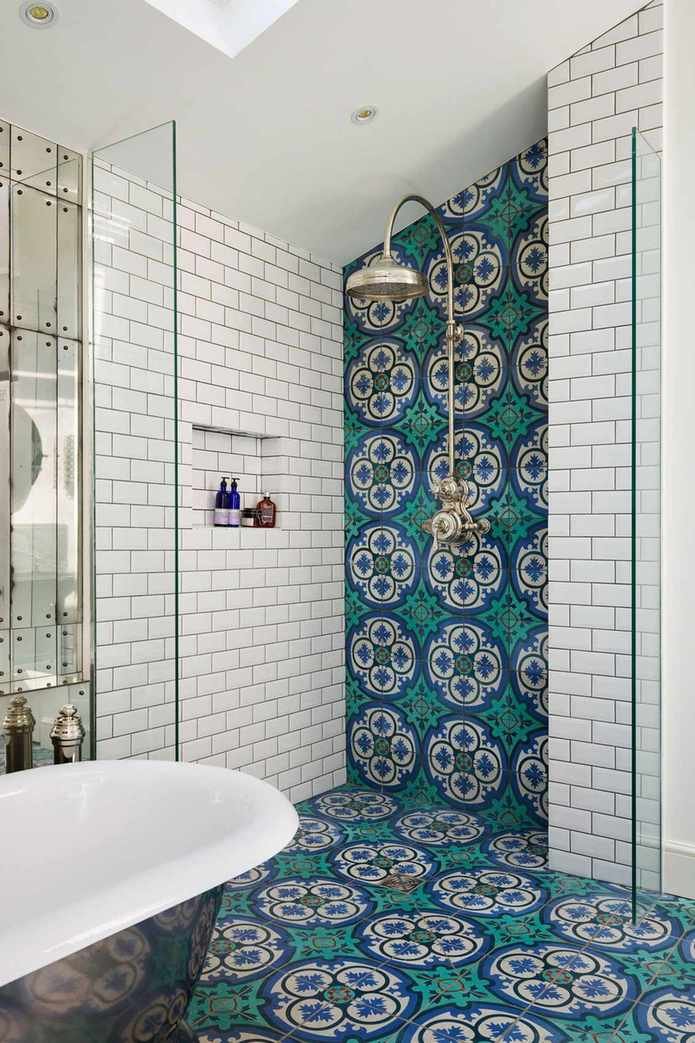
Dalby surface-mounted shower with curved pipe & classic 300mm rose in nickel finish, £2940
For a striking design, a heritage-style shower with visible pipework can enhance the character of a country home.
This Dalby shower showcases quality craftsmanship and timeless design, while its sturdy controls ensure safe operation.
Choosing an exposed shower is about making a statement that sets it apart from a concealed model.
The elegant curved arm and large rose contribute to the design's appeal in any vibrant wet room setup.
Should Pipes Be Exposed or Hidden?
If you prefer a clean aesthetic, a concealed shower is an excellent option. It's simpler to install on an internal wall with existing cavities; otherwise, a false wall may be necessary.
Concealed systems provide a sleek, modern appearance, with only the showerhead and controls visible. However, installation can be more complex as pipes must be integrated into the wall.
When choosing a fixed shower, consider the optimal placement of the showerhead and controls, especially for varying user heights.
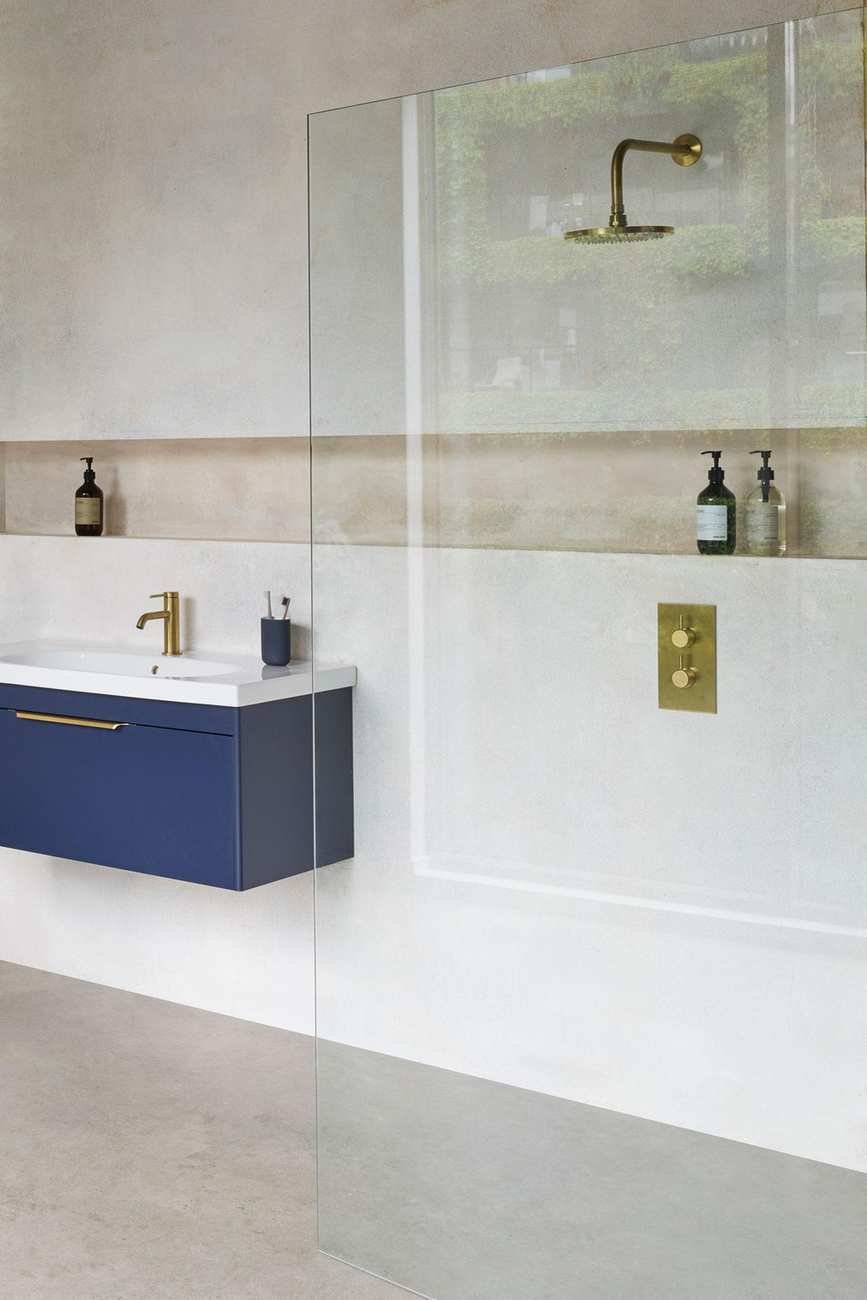
Choosing Between Fixed and Flexible Shower Heads
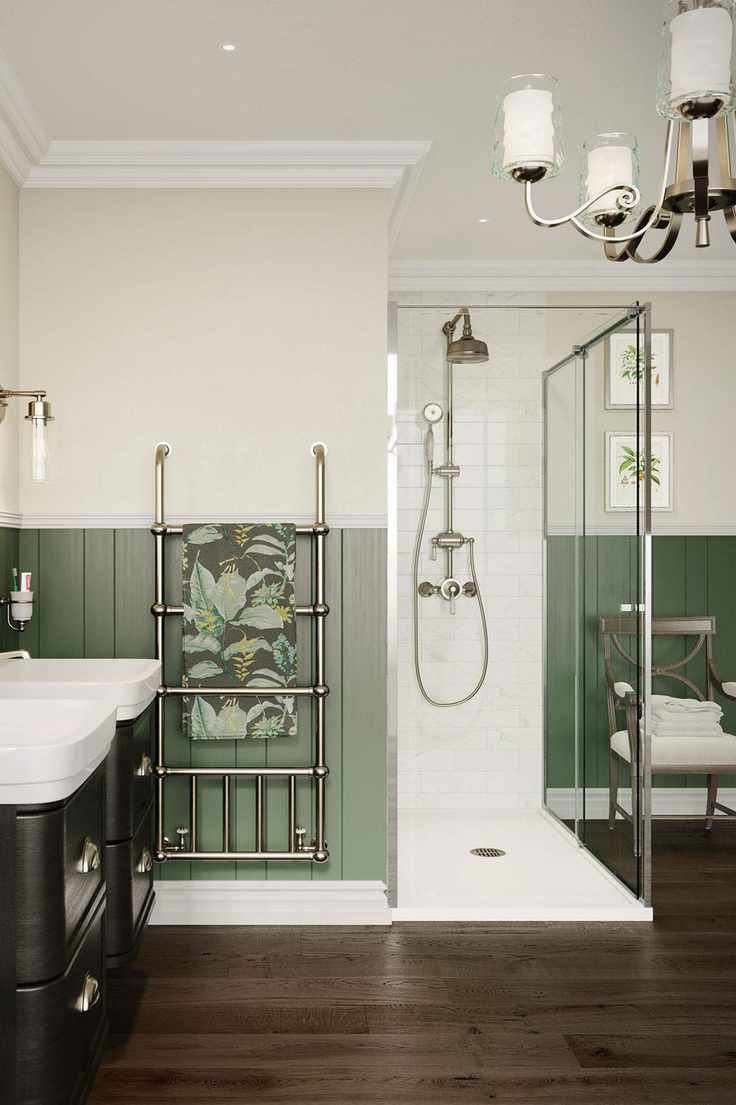
Add a handheld shower to a fixed model for flexibility, especially for users of different heights or children. The handheld option can be attached to a slide rail for adjustable height.
It's also beneficial for rinsing off soapy residue. Alternatively, you may choose to install just a handheld shower.
Consult your plumber about your water pressure so you can select a compatible showerhead.
Water Conservation in the Shower
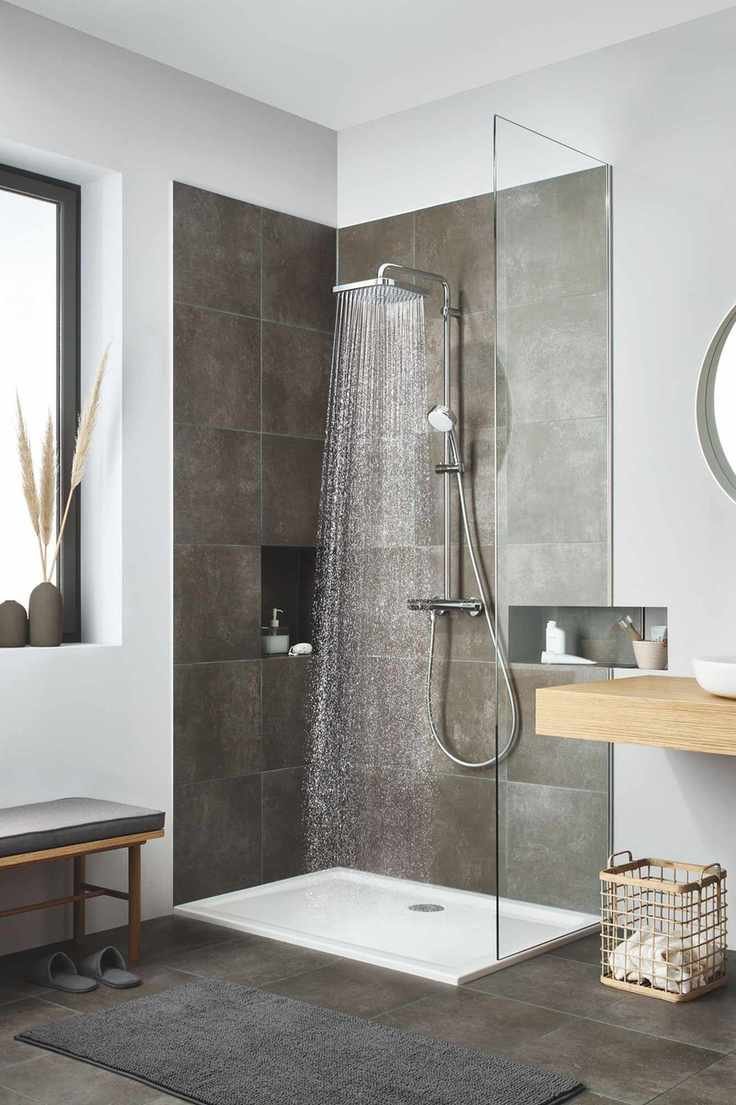
Saving water doesn't mean compromising on style. Showers like the Tempesta model utilize innovative low-flow technology to maintain pressure while using less water.
Available as a complete set or as a compatible showerhead, it uses 9.5 liters per minute compared to a standard 12 liters or more for power showers.
According to Waterwise, low-flow showerheads can reduce usage to around 6 liters per minute without sacrificing the shower experience.
Aerated heads also save water by incorporating air for an even spray while maintaining pressure.
Limiting showers to 5 minutes or less is another effective way to conserve water.
Choosing the Right Finish for Your Shower
Combining traditional exposed pipe styles with contemporary warm metal finishes ensures your shower is both classic and trendy.
The Tradition range features designs from 1905, crafted from solid brass, which can be polished for a shiny look or allowed to tarnish for a characterful patina.
This thermostatic shower works with both high and low-pressure systems and is available in chrome, nickel, and other finishes.
In a traditional setting, visible pipes and valves can enhance the bathroom's period aesthetic.

If brass feels too ostentatious and chrome too stark, vintage bronze offers a warm and understated charm that ages beautifully, harmonizing with stone and wood elements.
Warm metals like brass, bronze, and copper remain popular bathroom trends. Consider your existing fixtures to ensure a cohesive look before making a purchase.