
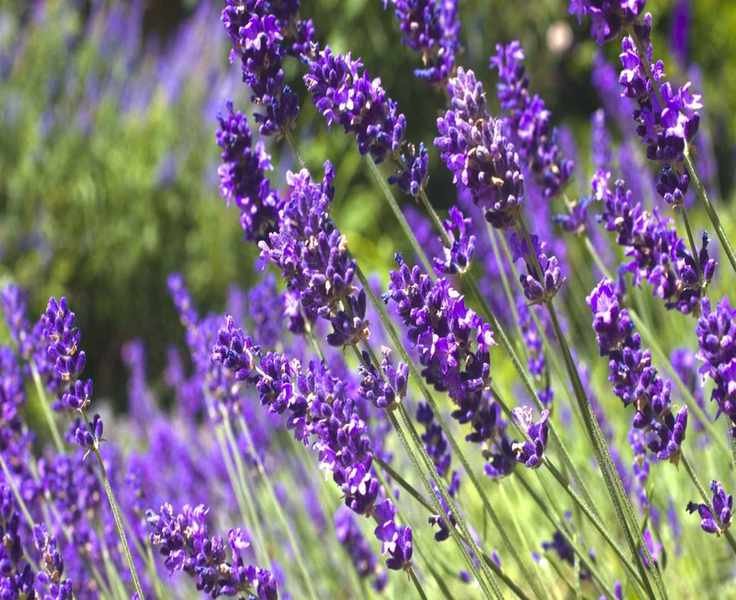
Lavender flourishes beautifully in pots and containers, but it's essential to create the right environment for optimal growth. These plants prefer spacious pots, well-draining soil, ample sunlight, and minimal moisture.
All varieties of lavender can thrive in containers, with half-hardy types being particularly well-suited. Terracotta pots filled with a light, well-draining potting mix placed in the sunniest areas of your garden will yield the best results.
Lavender adds delightful fragrance, evergreen foliage, and soft blooms to your outdoor space. It also attracts bees and other beneficial pollinators, making it a fantastic choice for any garden. By opting to grow lavender in pots, you can enjoy its beauty on your patio, deck, terrace, or balcony.
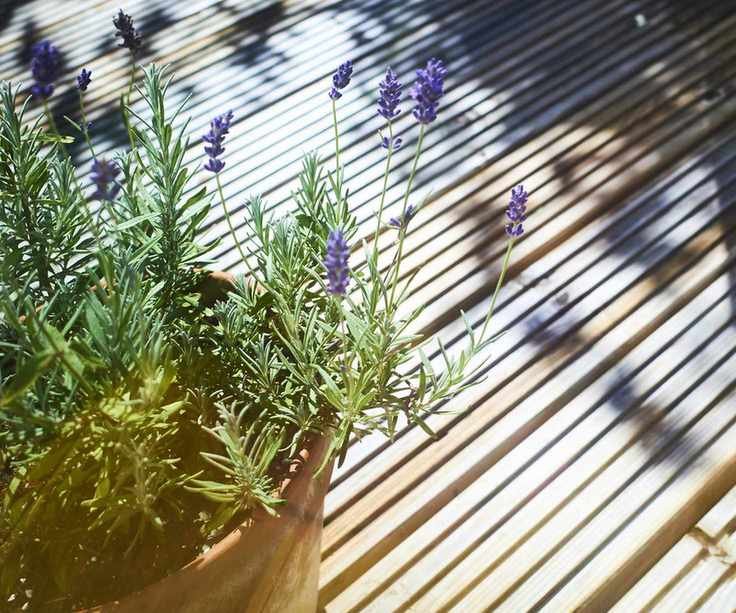
Lavender plants thrive best in full sunlight
Can Lavender Thrive in Pots?
Lavender is a low-maintenance shrub, and achieving success with it in pots requires mimicking its natural habitat. Drought-tolerant by nature, lavender originates from dry, sunny Mediterranean regions where the soil drains effectively. Therefore, it's crucial to provide a location with plenty of sunlight and soil with excellent drainage.
According to Janice Cox, author of 'Beautiful Lavender' and education chair for The Herb Society of America, many people mistakenly believe that lavender shouldn't be planted in pots. This misconception often stems from the tendency to over-water the plants, which can lead to wilting or death.
She emphasizes, 'When growing lavender, the three essential factors are drainage, drainage, and drainage.'
'I prefer using pots for tender lavender varieties as they can be moved closer to the house or into a greenhouse during colder months. In summer, they can be relocated to full sun. I've even seen pots of lavender placed outside greenhouses and gardens to attract pollinators indoors.'
Not only does lavender repel flies and mosquitoes, but planting it near your home can also deter pests. While keeping unwanted insects away, its blossoms draw in bees and other helpful pollinators.

Janice Cox is a natural beauty expert and author known for her work on creating cosmetic products from simple kitchen and garden ingredients. She has penned six bestselling books on the subject, including Beautiful Lavender. For over two decades, she served as the beauty editor for Herb Quarterly Magazine and is a proud member of The National Garden Bureau.
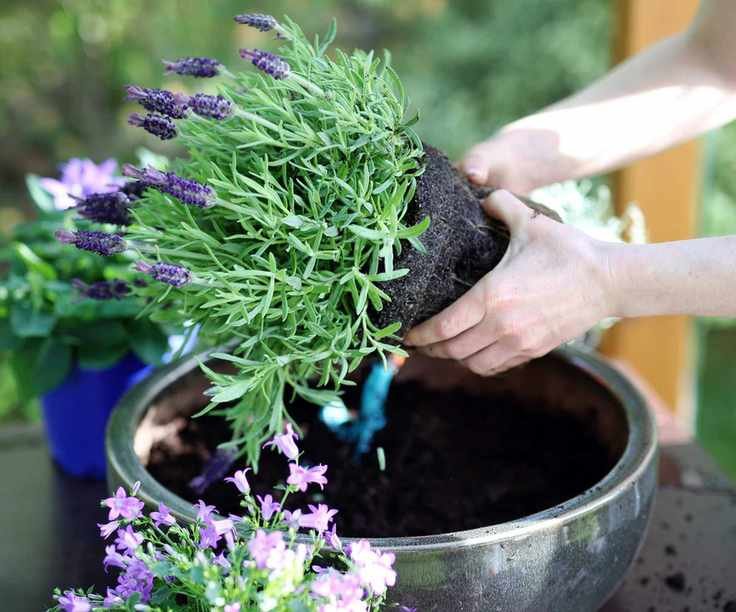
All lavender varieties can successfully grow in pots
Which Lavender Varieties Are Best for Pots?
The two primary types of lavender are Spanish lavender and English lavender. The latter is generally larger and hardier, often seen as flowering shrubs in landscapes, while English lavender features broader leaves compared to its Spanish counterpart.
Both types require similar care, thriving in full sun and well-drained conditions, making them suitable for pots. Spanish lavender is more delicate and should be winterized by moving it to a sheltered area during winter.
For potted growth, tender and half-hardy varieties, along with dwarf types, are ideal. Tabar Lindsay Gifford, Customer Experience & Partnership Cultivator at American Meadows, suggests that the smaller, compact lavender varieties are excellent for container gardening.
Recommended varieties include Thumbelina Leigh, Goodwin Creek, SuperBlue, Blue Cushion, Wee One, Anouk, and Silver Anouk, which are all well-suited for pots.
By choosing dwarf varieties, it's even possible to grow lavender indoors. This makes them perfect for balconies, allowing you to fill your home with their delightful fragrance from outdoor pots.
Purchase lavender plants from Nature Hills.
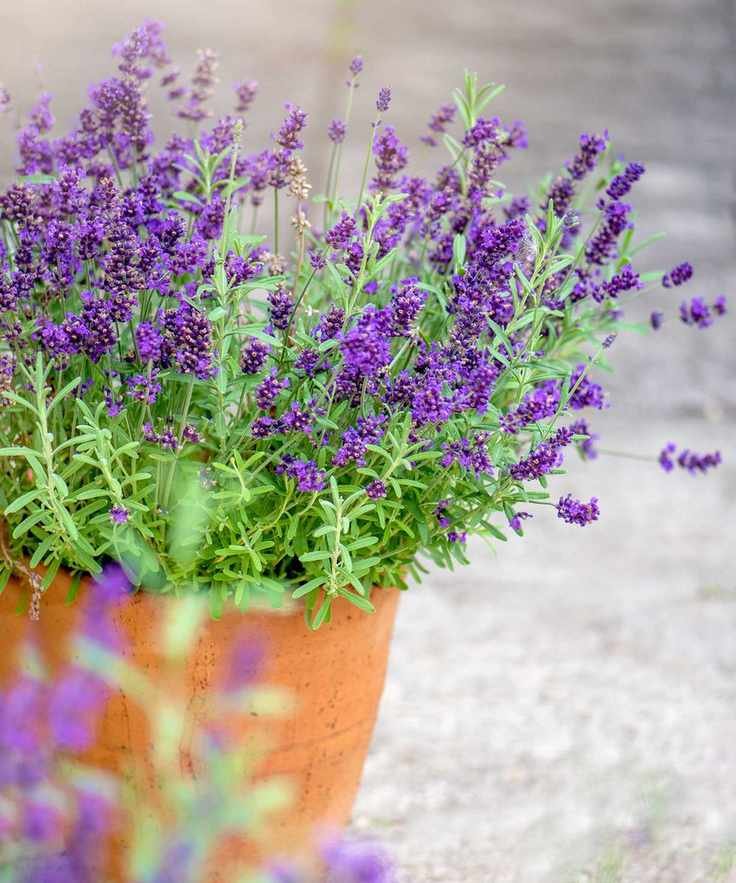
Full sun exposure and proper drainage are essential for all lavender
Planting Lavender in a Pot
When planting lavender, choose a pot with a diameter of at least 10 inches to accommodate its expansive roots. Terracotta pots are ideal because their porous material allows the plant to breathe. It's vital to avoid common lavender growing mistakes by ensuring that your container has drainage holes to let excess moisture escape.
Susan Betz, author and member of the International Herb Association, advises using a light, well-draining potting mix. Avoid sphagnum moss, peat moss, or too much compost, as these can retain too much moisture and lead to root rot.
She suggests a classic soil mixture for healthy lavender that includes: three parts soil-based potting mix, one part coarse sand, one part compost, and one part perlite.
To plant lavender or transplant lavender into a pot, fill it with your chosen soil mix and create a sizable hole larger than the root ball of the plant. Position the plant in the hole at the same level it was in the nursery pot, backfill, and gently firm the soil around the plant. Water thoroughly and place the pot in a warm, sunny location that receives 8-10 hours of direct sunlight each day.
Since lavender does not thrive in overly wet conditions, it's crucial to monitor watering practices carefully. Lavender requires less water than many other plants, so allow the soil to dry moderately between waterings. It's better to water deeply but infrequently.
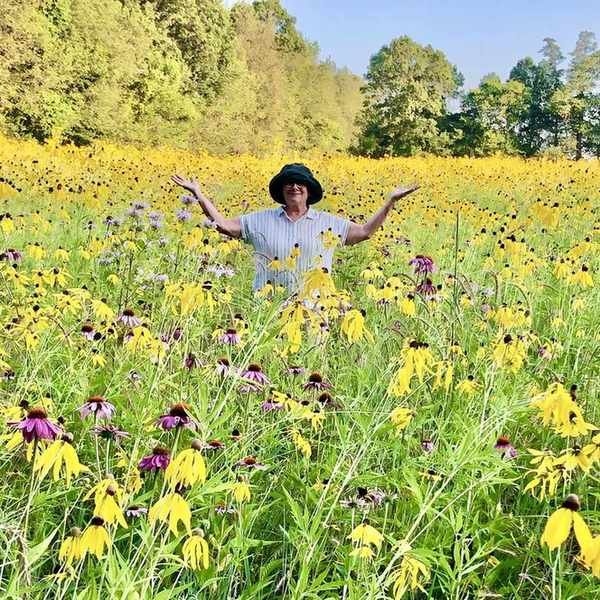
Susan Betz has over 35 years of experience in growing and using herbs to educate the public about gardening and the natural world. As an Honorary Master Gardener and a member of several horticultural organizations, she is dedicated to promoting the benefits of herb cultivation.
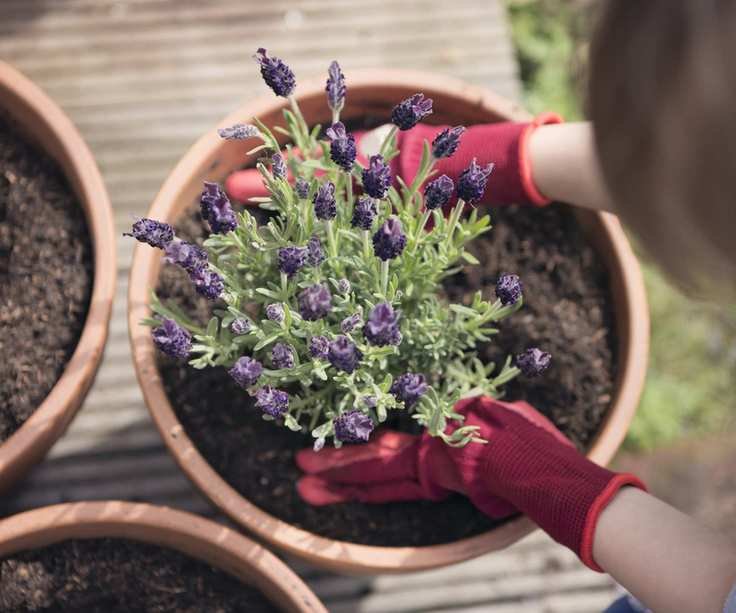
Ensure you use a well-draining potting mix when planting lavender
Frequently Asked Questions
Should I Prune Lavender in Pots?
To maintain a tidy appearance, lavender in pots should be pruned. Hardier varieties should be pruned in the fall after flowering or in spring. For half-hardy and tender types, deadheading should be done during summer, with pruning only occurring if necessary and ideally in spring.
For pruning lavender, use clean, sharp pruning shears to cut back to where new growth is visible. Generally, this means trimming back the new soft growth. You can also prune into the old wood, but avoid cutting lower than the area showing new growth.
What Fertilizer Should I Use for Lavender in Pots?
Susan Betz explains that well-draining potting soils for lavender may become low in nutrients due to leaching when watered. She recommends a balanced slow-release fertilizer for pots, or organic options like fish emulsion or liquid kelp. A good example is the Alaska Fish Emulsion Plant Food, available at Walmart.
If you want to enrich your herb garden with aromatic herbs, lavender is a must-have. Its adaptability to pots means you can include it in a herb planter or a dedicated herb container garden.
With the right pot, soil, and placement, lavender can be easy to care for. Its fragrant blooms will delight your senses while attracting bees and other pollinators to your outdoor space.



