
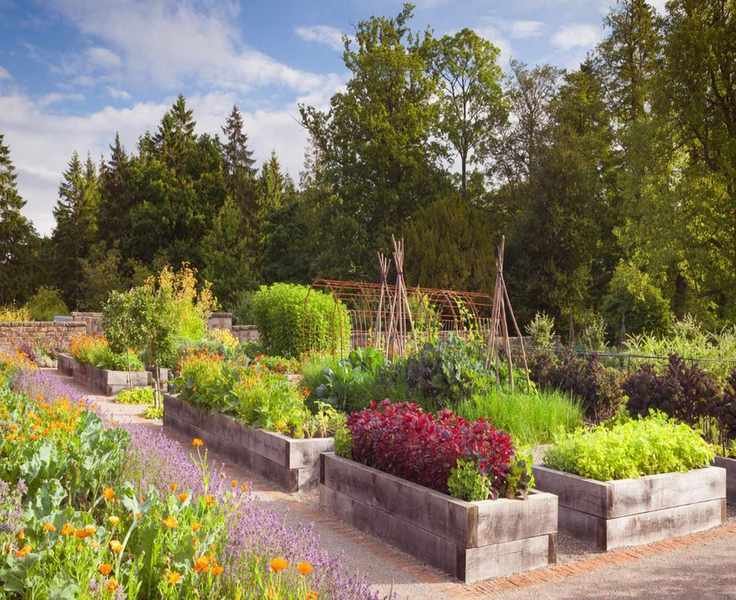
Raised garden beds provide an excellent way to cultivate various plants, regardless of your existing soil quality. If you're new to building these structures, you might wonder about the appropriate depth and its significance.
You may have plenty of ideas for raised garden beds, but you might be uncertain about constructing a suitable raised garden bed for your desired plants. Understanding how to avoid prevalent raised bed gardening mistakes, especially regarding depth, is crucial to prevent unnecessary redo.
Here, we clarify how to achieve the correct depth for your raised garden bed and why it's essential to get it right from the outset.
What is the recommended depth for a raised garden bed?

Understanding the plants you intend to grow will help determine the depth of your raised bed, as different plants have varying root requirements.
According to gardening specialist Fiona Jenkins, "The depth of a raised garden bed should align with what you're planting. For shallow-rooted plants, a depth of at least 6 inches is sufficient." This enables you to cultivate alpines, poppies, sedums, lavender, and various herbs. Typically, perennials, compact shrubs, and vegetables require a minimum depth of 12 inches. Therefore, aiming for a height between 12 and 20 inches is advisable.
Mark Lane, a gardening presenter, notes additional factors to consider. He states, "The height of a raised bed can vary based on the gardener's height and whether they prefer to sit while gardening."
"Standard heights range from 5 to 30 inches. If small vegetables or creeping fruits are your focus, a maximum depth of 12 inches is sufficient, or even 6 inches for quick-harvest lettuces. To avoid bending over, beds that are 24 to 30 inches high are ideal, allowing you to lean forward comfortably," Mark suggests. "Remember, don't create a raised bed so wide that you can't reach the center. Most beds are either 24 inches or 4 feet wide. Ideally, customize your bed to a height that suits you best."
Importance of Raised Bed Depth
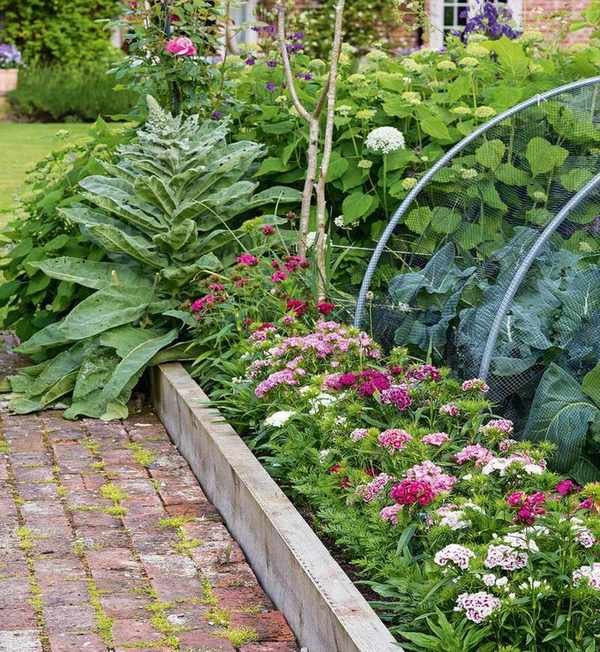
Choosing the right height for your raised garden beds is as crucial as knowing what soil to use in them. The depth can significantly impact plant health and growth.
Mark Lane emphasizes, "The depth of your raised bed matters based on your planting plans. For instance, globe artichokes have extensive tap roots, requiring a height of 25 to 30 inches for proper growth."
"Familiarize yourself with the root structures of your chosen plants. Most thrive in 12 inches of soil, but if you prefer a high bed to avoid bending, a deeper option is best. Though deeper beds require more soil, which can be costly, they retain moisture better than shallower ones," he adds.
Fiona Jenkins remarks, "Deeper beds allow for a good drainage layer and provide ample space for roots to expand. They also offer improved frost protection."
Don't overlook what to place at the bottom of your raised garden bed to help deter weeds, pests, and frost damage.
What materials should go at the bottom of a raised garden bed?
You can use various materials at the base of a raised garden bed, including organic waste like plant cuttings and stones, or synthetic options like cardboard, landscaping fabric, or burlap mesh. The goal is to create a barrier that prevents weeds and small animals from entering the bed from underneath.
How deep should a raised bed be for growing tomatoes?
Tomatoes thrive best when planted deeply, needing around 24 to 36 inches for optimal root growth. Therefore, a raised garden bed should ideally be at least one foot deep, with a preferred height of around two feet for successful tomato cultivation.



