
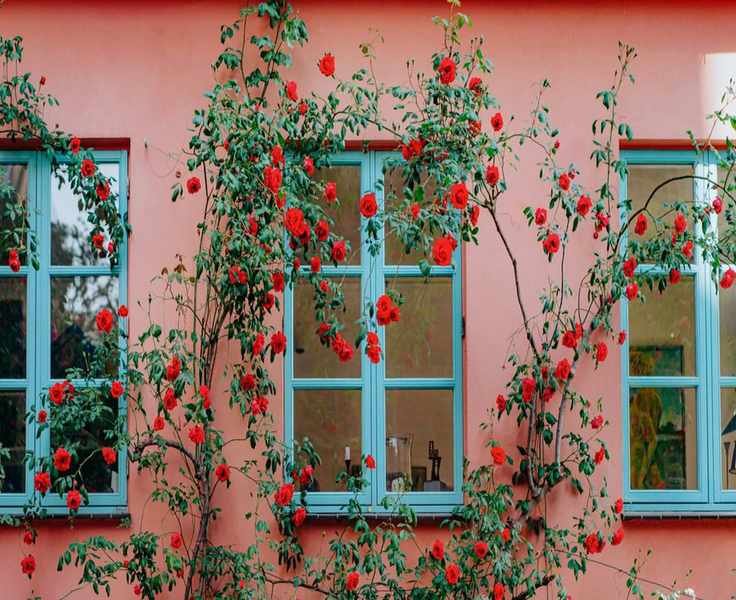
When it comes to roses, growing them from bare-root stock—sold without pots or soil—is a cost-effective method to expand your collection. If you're exploring rose garden ideas or wish to introduce vibrant flowers this season, bare-root roses are a fantastic choice.
Roses come in a stunning array of colors, from soft pastels to deep reds, many exuding delightful fragrances. They contribute to a romantic, timeless look in your backyard. Believe it or not, the twisted rootstock you purchase will burst forth with lush green leaves and vibrant blooms by summer.
It's best to buy and plant bare-root roses in late winter to early spring, as they remain dormant during this period, making the lack of soil or moisture less concerning. Aim to plant these beauties by early spring, although local climate will influence the timing.
We consulted experts for their top five recommendations of bare-root roses to grow this year, emphasizing those that are easy to care for yet make a stunning impact in any backyard or container.

Top Expert-Recommended Bare-Root Roses
Growing roses from bare-root stock is a smart way to enhance your garden this season. Discover the top five selections that promise fragrant and prolific blooms in your backyard or front yard.
Key Tips for Planting Bare-Root Roses
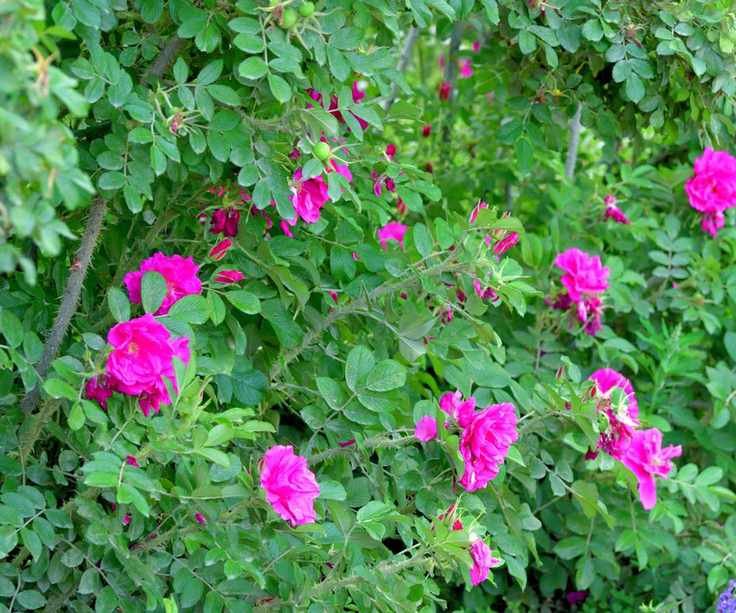
Planting bare-root roses is straightforward, but a few essential principles should be kept in mind. 'Bare-root roses thrive when planted in late winter or early spring before new growth starts,' says Mike Murphy, a plant expert. He adds that the exact timing may vary based on your local climate.
For those in US hardiness zones 4 to 7, it's advisable to wait until early spring. If you're in zones 8 and above, you can plant bare-root roses in mid to late winter.
Before planting, Mike suggests soaking your bare-root roses for several hours or overnight to hydrate the roots before planting them. At this point, some pruning is beneficial; take care to trim any damaged roots with sharp, clean pruners.
Most rose varieties thrive best in locations with at least 4 to 6 hours of sunlight daily. If finding the right spot is challenging, consider planting your bare-root rose in a container, which allows flexibility throughout the seasons. This option is also ideal if you want a rose near your home or on your porch.
After planting, water thoroughly to help settle the soil around the roots, Mike advises. Regular watering is key; keep the soil moist but not soggy. Applying a balanced rose fertilizer during the first year is also recommended, following the package directions. Fertilize in spring and again after the first bloom cycle, Mike notes. Products that promote flowering and health, like this Hi-Yield Rose Fertilizer, are good choices.
With the right care, expect to see fresh growth, including leaves and possibly buds, in a few weeks to a month after planting, Mike adds. Timing can vary based on climate and the specific rose type.

Mike owns a gardening business and grew up surrounded by plants. He enjoys tending to his backyard orchard filled with dwarf fruit trees, raspberry and blackberry patches, and raised beds. Every spring, he looks forward to sprouting new fruit and vegetable seeds.
1. Rose 'Blanc Double de Coubert'
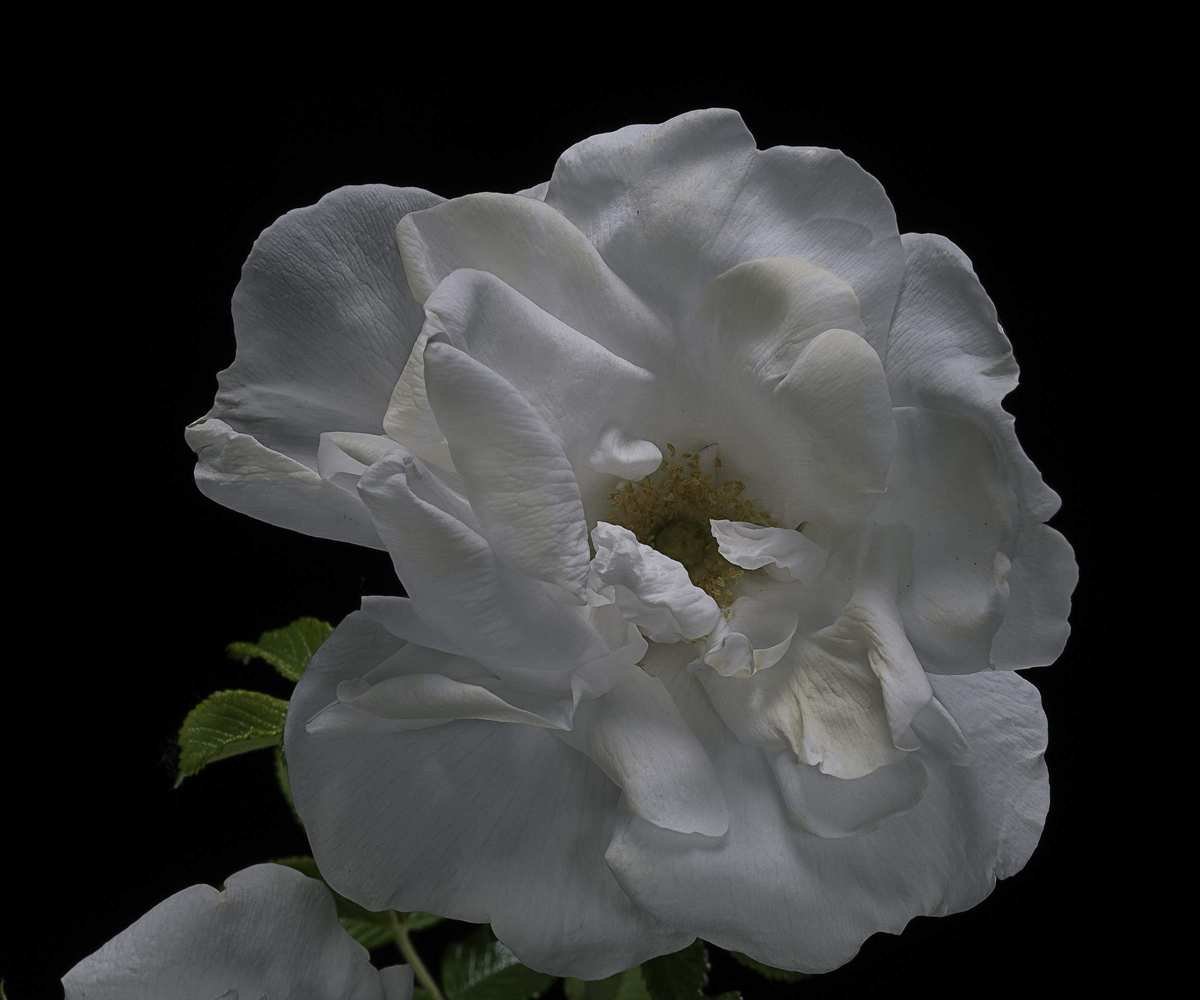
Rosa 'Blanc Double de Coubert' is a hardy shrub rose that can withstand low temperatures, according to Whitney Laritson. Ideal for US hardiness zones 3 to 7, it produces 3 to 5-inch white blooms that repeat throughout the summer until the frost hits.
With dark green leaves and pure white flowers that can be scented from three houses away, this rose is sun-loving, salt-tolerant, and remarkably resilient. 'Simply cut it down to the ground each spring,' Whitney suggests, and enjoy the show it puts on each year.
You can find Rose 'Blanc Double de Coubert' at Nature Hills.

Whitney is a gardening expert with two decades of experience in the field. She is passionate about providing high-quality plants.
2. Red Knock Out Rose
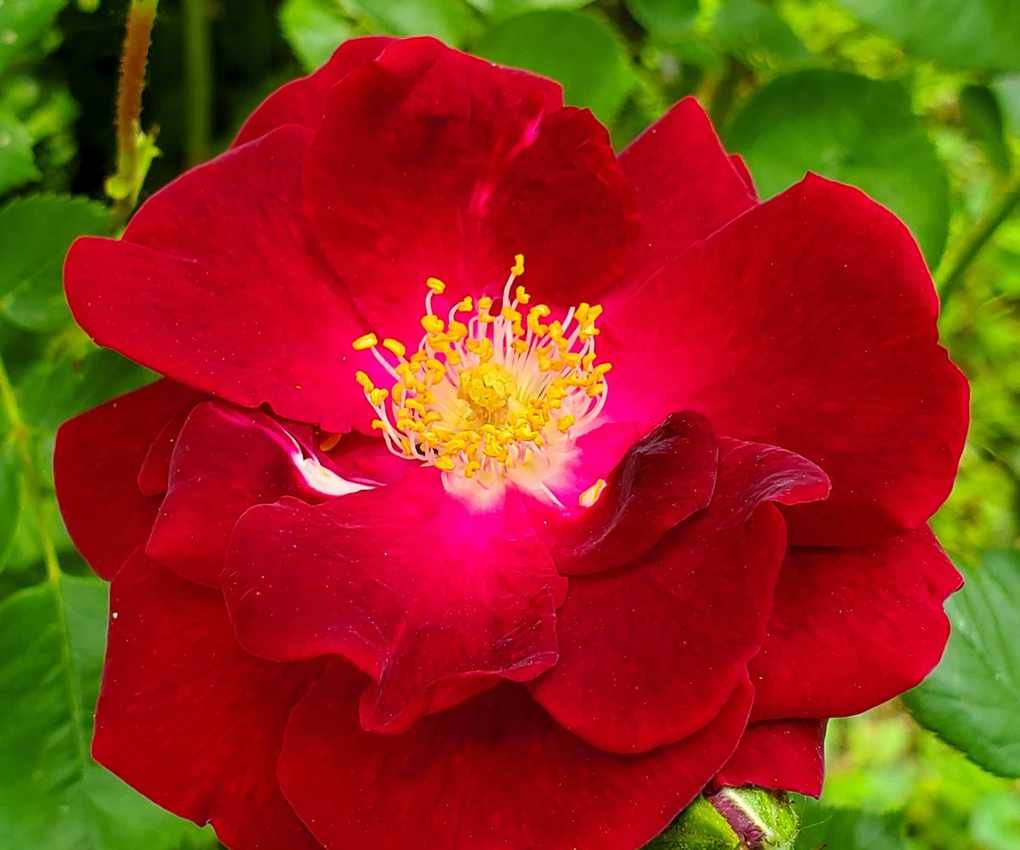
Rosa 'Radtko', the Red Double Knock Out rose, features beautifully formed flowers with multiple petals on each branch tip, Whitney explains. Thriving in US hardiness zones 5 to 10, it grows to about 3 to 4 feet tall—perfect for smaller yards.
The 'cherry red blooms' flower in succession until the first hard frost in the fall, Whitney adds. This variety prefers full sun and requires minimal care once established, even in hot, dry conditions.
Renowned for its disease resistance, Whitney states, this rose is among the top-performing varieties nationwide.
This Red Double Knock Out Rose is available at Nature Hills.
3. High Voltage Rose

Rosa 'Baiage', also known as the 'Easy Elegance High Voltage Rose', is another shrub rose that impresses, Whitney notes. 'Typically, yellow roses are challenging to grow, but this one defies that trend.'
This variety flourishes in US hardiness zones 4 to 9 and can reach a mature height of about 4 to 5 feet. The 'Easy Elegance' line is known for its glossy dark green foliage and long-lasting, stunning blooms that require minimal maintenance.
'Bold yellow buds transform into sunny buttercream-colored roses,' Whitney describes, highlighting their lovely fragrance. Finding a yellow shrub rose that is easy to cultivate is quite rare.
The 'Easy Elegance, High Voltage Rose' is available at Nature Hills.
4. Paint the Town Rose
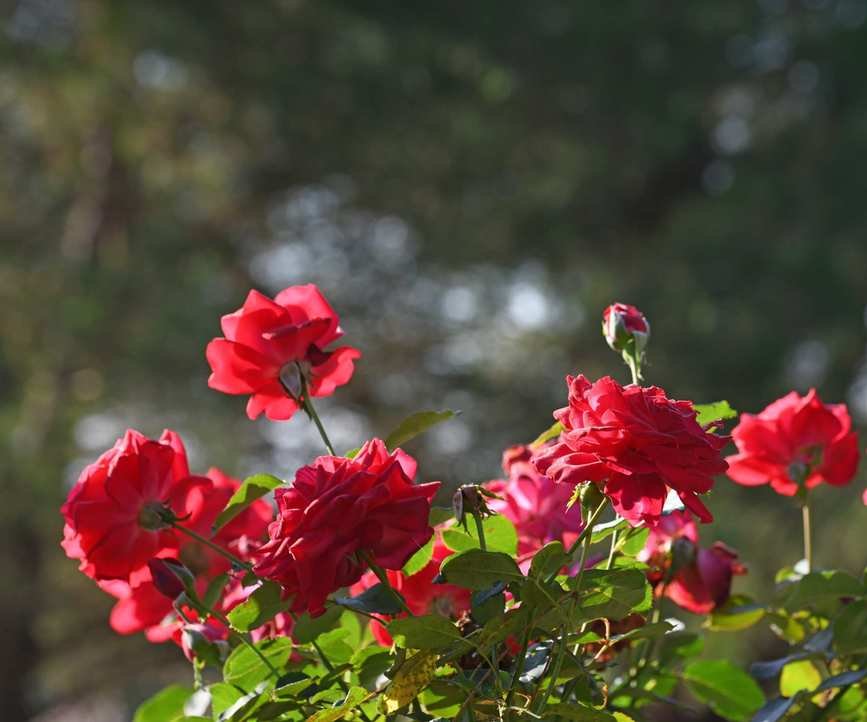
This hardy shrub rose features clusters of striking red blooms that resemble hybrid tea roses, Whitney states. Rosa 'Baiage', the 'Easy Elegance Paint the Town Rose,' is suited for US hardiness zones 4 to 9 and has a compact size, only reaching about 2 to 3 feet tall, making it ideal for containers.
Whitney describes this rose as a 'true star in your sunny border,' thriving with ample sunlight. 'Gorgeous red flowers' bloom in spring and summer against a backdrop of disease-resistant foliage, attracting pollinators and butterflies alike.
This 'Easy Elegance, Paint the Town Rose' is available at Nature Hills.
5. Grandma's Blessing Rose
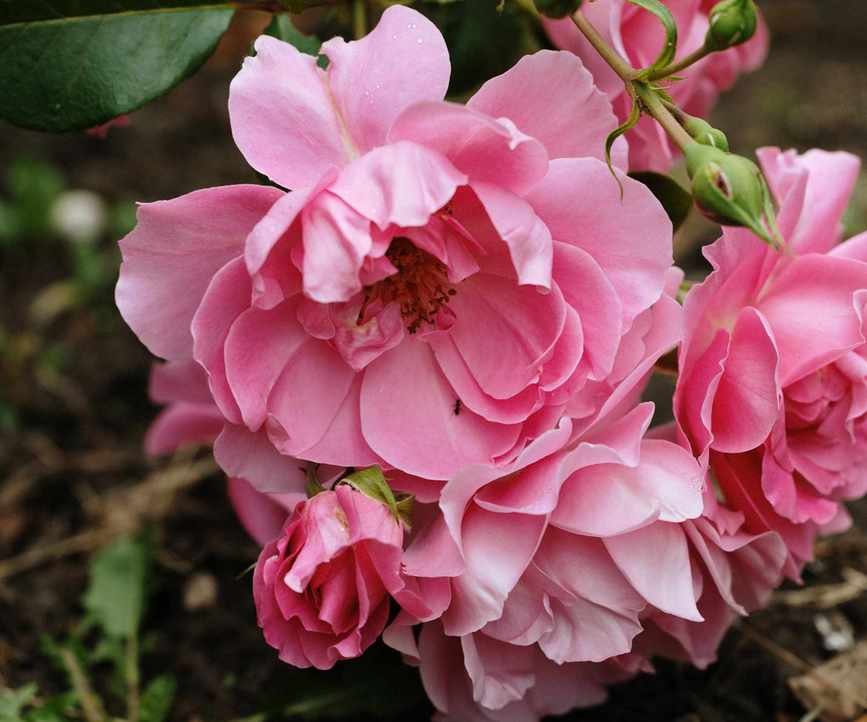
This pink variety of Rosa 'Baiage', known as 'Easy Elegance Grandma's Blessing Rose,' is a classic shrub rose that thrives in US hardiness zones 5 to 9, reaching heights of 3 to 5 feet.
Whitney describes it as having a compact growth habit, featuring beautifully formed blooms with 25 to 30 petals each, reminiscent of popular Hybrid Tea roses.
With excellent disease resistance, this rose produces waves of soft pink flowers that contrast elegantly with lush green foliage.
This 'Easy Elegance Grandma's Blessing Rose' is available at Nature Hills.
FAQs
Can I grow bare-root roses in containers?
Absolutely! Bare-root roses are perfect for container gardening. Many of the discussed varieties are shrub roses with a bushy, compact growth habit, making them ideal for pots. Ensure your container is spacious enough for growth and has proper drainage with nutrient-rich soil. In summer, be mindful as containers can dry out quickly, so regular watering is essential.
Planting bare-root roses in late winter and spring is a great way to inject color and life into your garden. Consider adding climbing roses for an even more vibrant display using trellises and walls to maximize your floral beauty.



