
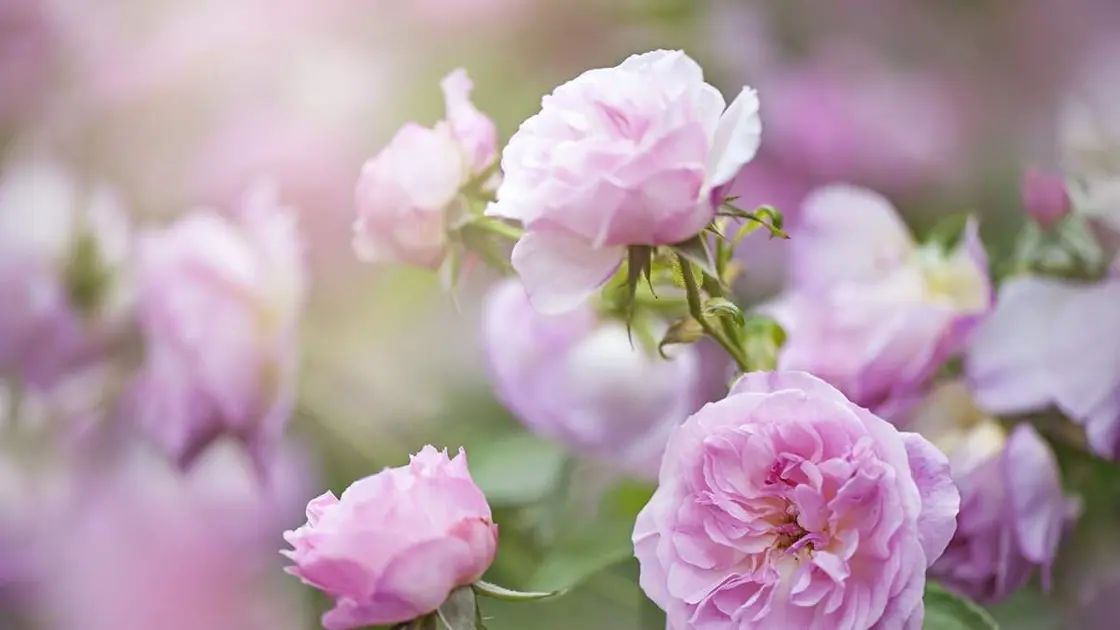
Roses are among the most cherished flowers, never losing their charm. Their fragrant, vibrant blooms add a touch of romance and elegance to any garden or container. If you're considering rose garden concepts this year, think about cultivating roses from bare-root plants instead of opting for potted varieties.
Bare-root roses are favored by many gardeners due to their cost-effectiveness, with a diverse selection of dormant plants available for purchase during winter.
These roses come with exposed roots, making them simpler to handle and package compared to those grown in containers.
The best time to plant bare-root roses is during their dormant period, usually from late winter to early spring. As spring approaches, the bare-root roses will start to sprout, leading to stunning blooms in the summer. We gathered insights from experts to share tips on planting bare-root roses effectively.

Pro Tips for Planting Bare-Root Roses
It's essential to plant bare-root roses during their dormant phase, typically from late winter to early spring. Learn how to successfully plant these roses for delightful blooms in the coming months.
Key Considerations Before Planting Bare-Root Roses
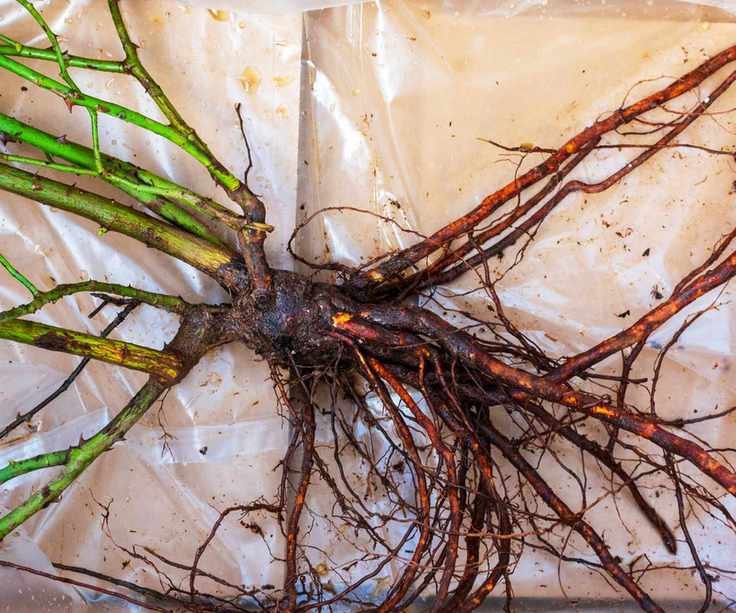
Planting roses is straightforward, but a few key factors should be kept in mind. 'Most bare-root roses thrive when planted in late winter or early spring, before they start growing,' shares Mike Murphy, a plant expert.
If your location falls within US hardiness zone 8 or higher, you can plant bare-root roses by mid to late winter. Otherwise, wait until early spring, 'when the soil is workable,' advises Mike. It's wise to 'check your USDA hardiness zone to find the right timing for your area.'
Choose a location in your yard that receives at least 4 to 6 hours of sunlight daily. Avoid planting in overly shaded areas, like beneath large trees, as inadequate light and water competition can hinder your new rose's growth during its first year.
Most garden centers and online retailers offer bare-root roses during winter months, such as Rosa 'Baitown' - Paint the Town Red from Nature Hills. With numerous varieties available in diverse colors and sizes, you'll find a rose that fits perfectly in your garden.
Rosa 'Paint the Town' boasts stunning, large blooms that reflower for months, offering a vibrant red hue to your landscape from late spring until the first frost in fall.

Mike runs a gardening business and grew up surrounded by plants, nurturing a love for gardening that continues today. He cherishes his backyard orchard filled with dwarf fruit trees and raised garden boxes. Every spring, he enjoys planting new fruit and vegetable seeds.
Steps to Plant Bare-Root Roses

Before planting your bare-root roses, it's advisable to soak the roots in water for at least two hours but no longer than twelve hours, according to Autumn Hilliard-Knapp, a horticulture expert. This process helps 'rehydrate the roots and prepares them for planting.'
Next, examine your bare-root rose. If needed, 'prune any damaged or lengthy roots before planting,' advises Autumn. This step is crucial to ensure new growth emerges from healthy stems rather than damaged ones.
Once your rose is rehydrated and pruned, you're ready to plant. Start by loosening the soil with a fork and incorporate some organic matter. Check the soil for large stones or weeds that could impede your new rose's establishment.
Dig a hole around 15 inches wide and position your rose in the center, ensuring the base of the stem is one inch below the surface. Refill the hole, gently firming the soil around the rose to keep it in place. You can use your foot to compress the soil firmly.
Avoid planting bare-root roses if the ground is frozen or if frost is forecasted shortly after planting. While these plants are resilient, planting in frozen soil is not advisable.

Autumn is a horticulture professional with four years of experience, passionate about helping others create beautiful indoor and outdoor environments. Her expertise includes plant care, selection, and landscape design.
Maintaining Bare-Root Roses
After planting, be sure to water thoroughly to settle the soil around the roots, advises Mike. It's important to 'keep the soil consistently moist but not waterlogged after planting.'
In spring, you can 'apply a balanced rose fertilizer as per the instructions on the package, and again after the first blooms,' Mike adds. Roses thrive in nutrient-rich soil and are known to be heavy feeders, so fertilizing is recommended for abundant blooms. Additionally, spreading a thick layer of mulch or organic compost around the base will enhance soil quality.
During the first year, monitor your rose closely. In hot spells, deep watering will be essential. Once established, your rose will require less attention, but during its early growth phase, ensure it receives adequate water in warmer months.
Keep your rose looking fresh by regularly deadheading spent blooms, which encourages more flowers throughout summer and fall.
The growth rate of bare-root roses varies based on factors like variety and care, according to Autumn. 'Typically, bare-root roses can grow to about 2 to 4 feet tall and spread in their first year,' so choose a planting spot that allows for this growth.
FAQs
When is the best time to plant bare-root roses?
The optimal time to plant bare-root roses is between late winter and early spring, depending on your local climate. Always check your US hardiness zone for the most suitable time. Avoid planting if the ground is frozen or if frost is expected within the week.
Planting bare-root roses in late winter or spring is an excellent way to ensure a stunning display of blooms come summer. Consider also planting drift roses or climbing roses for added color and interest in your garden.



