

Renowned for their stunning displays, the roses at Sissinghurst Gardens in the English countryside are a sight to behold. Their lush blooms fill the air with a delightful fragrance, making them a source of envy for rose enthusiasts everywhere. The secret behind such vibrant growth lies in effective pruning techniques.
Gardener and floral expert Sarah Raven emphasizes, "The essence of rose pruning is simple: treat them firmly to keep them flourishing." By applying pressure to each stem, bending, and stressing them, you encourage more abundant flowering.
Get ready to learn a valuable pruning trick from the experts at Sissinghurst, and soon your friends will be eager to know your secrets for magnificent roses this summer.
See: Essential Tips for Planting Roses – a must-read guide

Unlocking the Sissinghurst Pruning Technique
This innovative pruning method was developed by Jack Vass, the first head gardener at Sissinghurst, during the 1930s. Although initially met with skepticism by the garden's founder, Vita Sackville-West, who preferred a wild look for her roses, the technique soon proved its worth with the following year's stunning blooms.
Joshua Sparkes, head gardener at Forde Abbey, utilizes this method as well. He explains, "Rather than the conventional technique of cutting back to three buds and removing a third, the goal is to arch the stems, bending and tying them in."">

Sarah Raven, who spent eight years at Sissinghurst Castle, has embraced this approach and shares her insights on her popular blog. She remarks, "The key to the Sissinghurst technique is the meticulous work done earlier in the year, ensuring that the romantic look is achieved through precision horticulture."
To guide you toward achieving professional-level blooms, we've compiled Sarah's top recommendations for pruning roses the Sissinghurst way.
See: Inspiring Rose Garden Ideas – for a vibrant and aromatic outdoor space
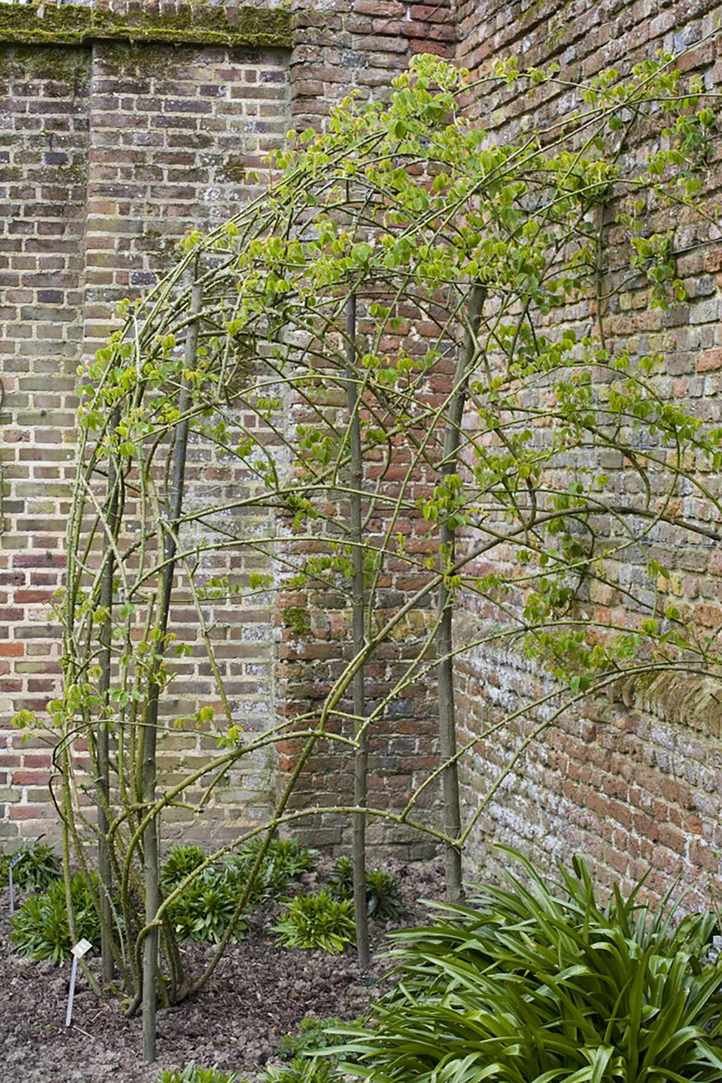
When pruning climbing roses, Sissinghurst gardener Jo Jones indicates, "We begin in October, starting with the wall-trained roses before moving to the borders." This process involves trimming most of last year's growth, allowing the rose's graceful framework to remain intact. This helps prevent excessive woodiness and promotes healthy new growth.

Sarah adds, "Any thick, woody stems should be cut back at the base to stimulate fresh flowering shoots for next year." The remaining stems are then tied back to the wall, with the pruned tips bent down and secured to the ones below. Aim for a uniform pattern that appears neat and tidy when in bloom.
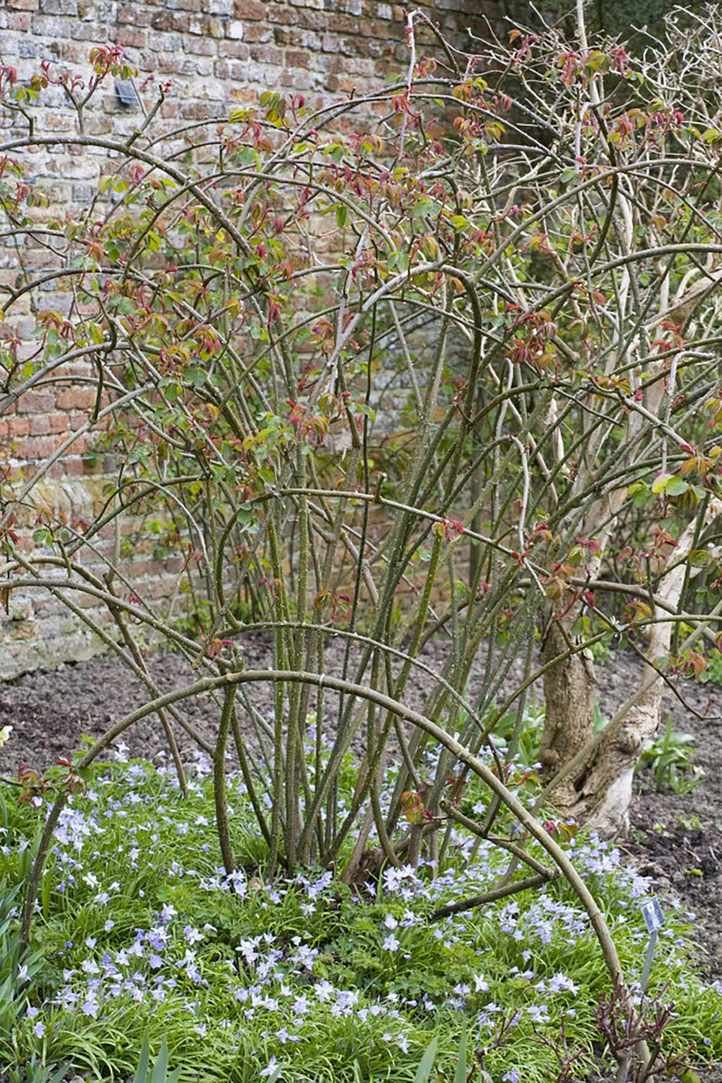
For shrub roses, commence by removing any old or diseased wood, similar to the climbing varieties. Shape the remaining stems as desired, with the shape depending on the specific shrub variety.
"For tall bush roses with sturdy branches, we twist them onto a frame made of four chestnut or hazel poles. Each pruned tip is bent and attached to a lower length," Sarah explains.

She continues, "The larger, flexible shrubs, which produce long, pliable arms, can be trained onto hazel hoops arranged around the plant's base." Start by tying in the outer branches, then work inward to create a beautiful web. Even without flowers, it looks stunning once finished, and in a couple of months, each stem, gracefully curved almost to the ground, will bloom profusely.
See: Effective Deadheading Techniques for Roses – to encourage blooms in just a few weeks
For compact varieties or those with stiff branches, pruning is simpler. Just cut them back significantly and attach each bush to a single stake, which should match the height of the pruned bush. "This will prevent them from toppling over as they grow during the summer months," advises Sarah.



