
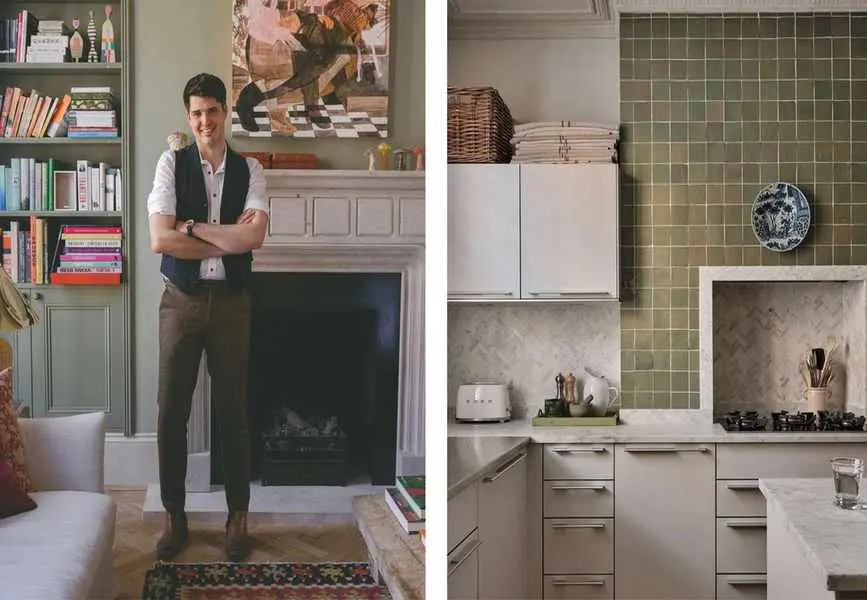
Nefarious Design emerged in 2020 under the vision of Adam Knight, a winner of Next in Design 2025. He chose a name that flips conventional thinking on its head. 'It's about transforming negatives into positives,' he shares. 'Clients often feel detached from their homes or frustrated with their functionality, and we aim to reframe that – to help them rediscover their love for their spaces.'
Adam's journey into the world of interiors wasn't a straight path. After studying food technology, he took on the renovation of his parents' historic apartment, igniting a passion that led him to the KLC School of Design. He then spent over ten years in the hospitality industry, collaborating on global restaurant projects for a renowned chef before joining a prestigious design firm, contributing to iconic venues like The Wolseley and The Delaunay.
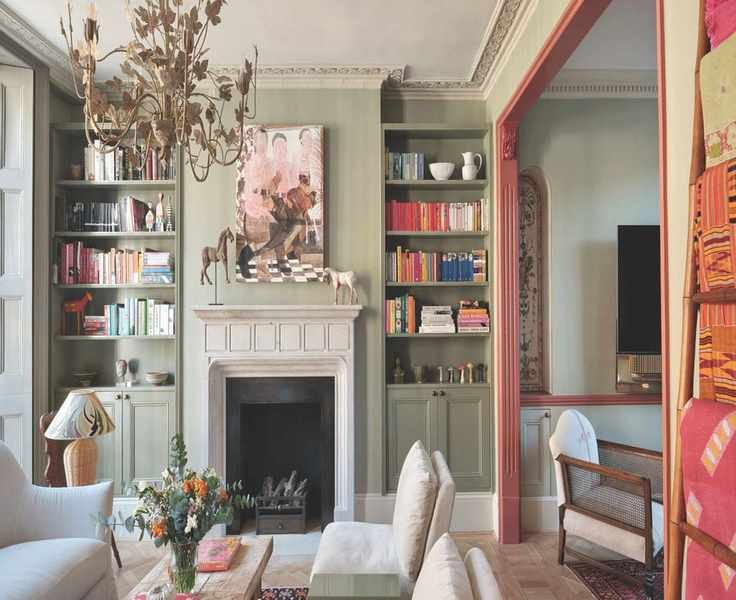
With Nefarious, Adam promotes an approach he calls 'dopamine design'—crafting interiors that evoke joy and are uniquely tailored to each client. His projects blend mid-century treasures and Victorian antiques with custom pieces and smart high-street finds, always respecting budget constraints without sacrificing character. 'Collaboration is essential,' he emphasizes. 'Clients become integral to Nefarious, and together we create homes that reflect their narratives and bring them happiness.'
Three Essential Design Principles from Nefarious Design
1. Client-Centric Inspiration
A fundamental rule in all projects is that the client serves as the primary muse. Whether it's your own preferences or a brand's essence, the personal touch is vital. Every individual has unique experiences and tastes that should be woven into the design. Dopamine design is about identifying what sparks joy for you. This could mean choosing colors that evoke fond memories or incorporating a legacy piece of art as a basis for the color scheme throughout your home.
2. Emphasizing Personality and Planning
The original layout of a room plays a crucial role; the more intriguing the plan, the more dynamic the space becomes. Simply placing furniture into a standard box won't yield excitement. Instead, integrating features like hidden doors or unique curves can transform a room into a distinctive backdrop for everyday life.
3. Embracing Juxtaposition
Juxtaposition extends beyond material contrasts—such as soft fabrics against sturdy woods—it's also about mixing different time periods to create an eclectic feel. This can involve pairing antiques with contemporary pieces or interpreting a seasonal concept in a fresh, unexpected way.



