
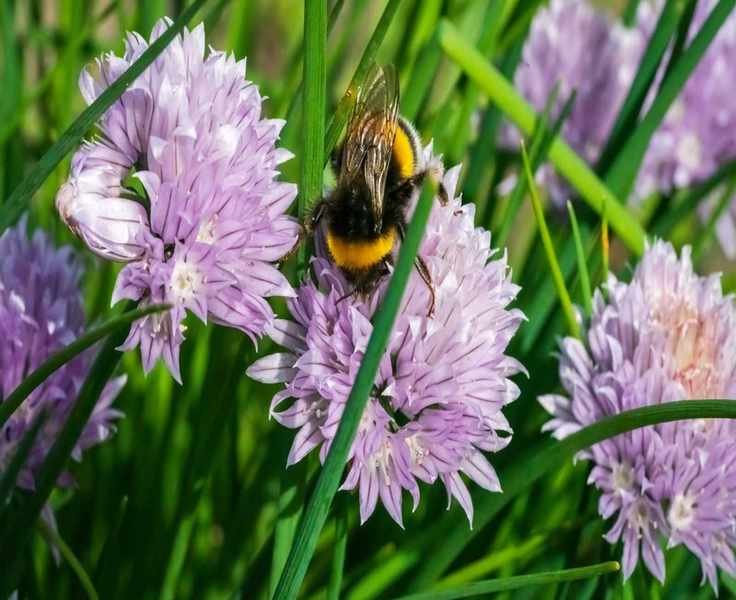
Attracting bees involves planting a diverse range of nectar-rich flowers. But does the color of those blooms truly influence their preferences?
It may sound surprising, yet bees do perceive color differently than humans. They are particularly drawn to certain flowers due to their unique vision, which allows them to see on the ultraviolet spectrum, revealing more shades of blue and purple.
Some flowers are more likely to entice bees into your garden. A wildlife specialist shares insights into this behavior and offers tips on fostering a bee-friendly environment this spring.
Colors That Draw Bees
If you're eager to cultivate a vibrant wildlife garden this season, focus on flowers that produce abundant nectar and pollen.
Experts agree that blue and purple blossoms are especially appealing to bees.
This attraction arises from the fact that bees see light in different wavelengths compared to us. Their ability to access ultraviolet light makes shades like blue and purple particularly eye-catching.
'Bees have fantastic color vision; their visual range is similar to ours but shifted toward shorter wavelengths,' says Dr. Anne Leonard, a bee expert and professor at the University of Nevada, Reno. 'This allows them to detect UV patterns on flowers that we cannot see.'
Consequently, while bees may notice more shades of blue and purple, they struggle with other colors.
'Bumblebees and honeybees generally favor blue shades and show less interest in red,' Dr. Leonard adds.
This behavior makes sense: bees need to discern colors and shapes to locate food sources. However, nectar-rich flowers remain their primary interest, with color playing a lesser role.
'Bees are opportunistic and will explore flowers of all colors to find nourishment,' Dr. Leonard notes.
'For bees, flowers represent a mix of scents that also draw them in, along with other cues like temperature and even electrical charges they can sense.'
While bees do exhibit color preferences, their main goal is to find a varied range of plants rich in feeding opportunities.
'Many factors influence why a bee chooses a specific plant in your garden,' concludes Dr. Leonard.

Since 2012, Anne Leonard has taught in the Department of Biology at the University of Nevada, Reno. Originally from Berkeley, California, she began studying animal behavior at Brown University. After earning her Ph.D. from the University of California, Davis, she pursued a postdoctoral fellowship at the University of Arizona and a Darwin Fellowship at the University of Massachusetts, Amherst.
Top Flowers to Attract Bees This Season
To create a bee-friendly garden based on color theory, strategic planting is essential. The best plants for pollinators extend beyond just looks.
'The nectar and pollen from plants sustain bees, who quickly learn to avoid attractive but nutritionally poor flowers,' notes Dr. Leonard.
'While some ornamental plants are beneficial for bees, others produce no nectar or pollen at all, having been bred solely for appearance, making them a poor food source.'
Thus, the ideal choices will feature beautiful blooms along with reliable feeding sources for bees.
Blue agapanthus and blue mist bluebeard are excellent options, along with lavender shrubs, all available from Fast Growing Trees.
If time is short for filling your garden with blue and purple flowers, focus on high-quality plants known to attract bees and butterflies.
'Bees prioritize the quality and quantity of nectar and pollen they gather,' explains Dr. Leonard.
'They're discerning foragers and may choose less attractive plants, like Phacelia, that offer better food resources over a stunning rose that provides little to no nectar or pollen (common in many double-petaled varieties).'
Explore Bee-Friendly Plants
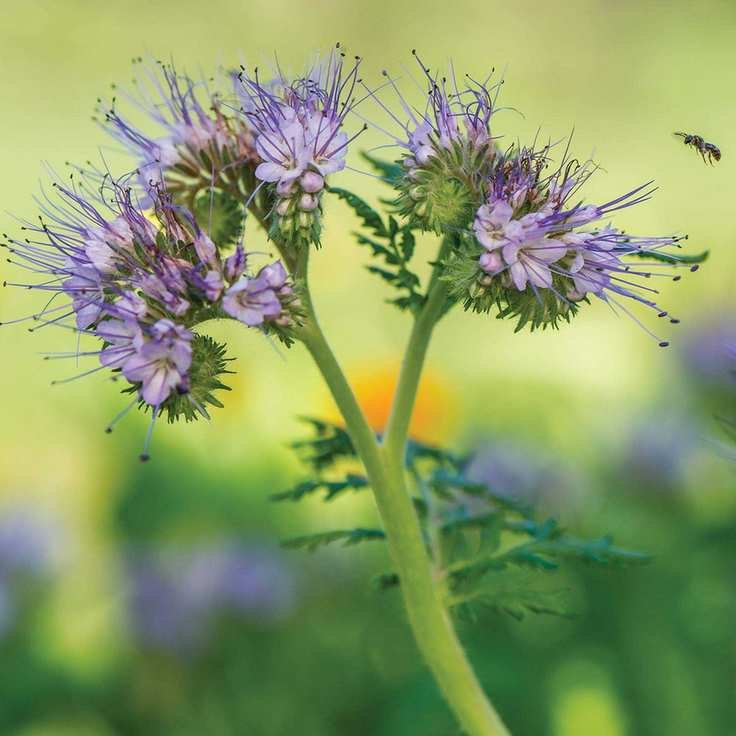 Reliable pick
Offering a lush, meadow-like appearance, this phacelia plant is a dependable addition to any bee-friendly garden, regardless of size.
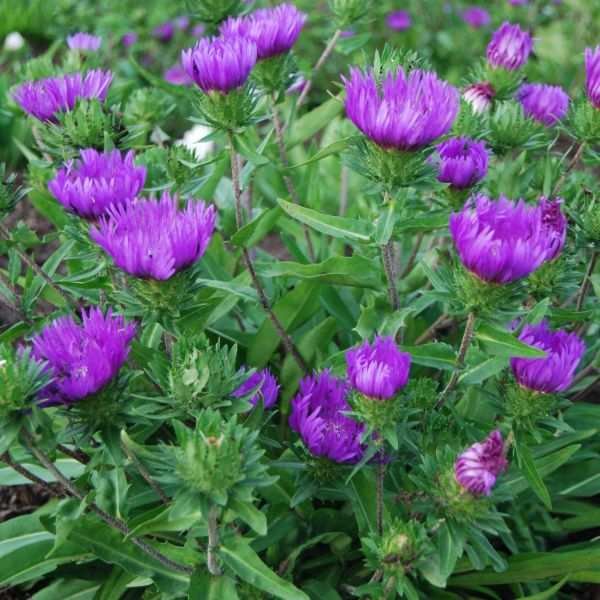 Stunning cut flowers
This aster variety blooms late in the summer, thriving in heat and full sun. It's perfect for creating a cut flower garden and is loved by pollinators.
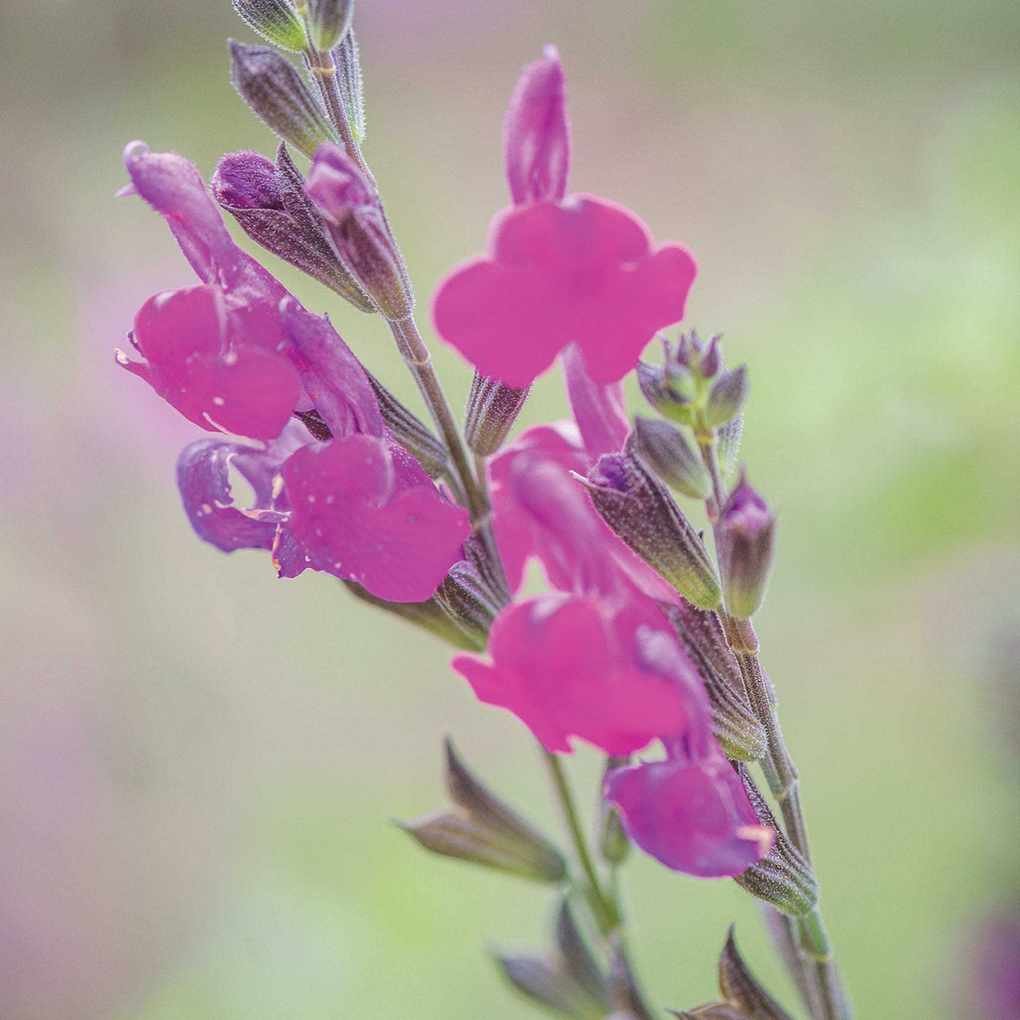 Vibrant hue
Delivering bright color from spring through fall, purple salvia is rich in nectar, drought-resistant, and perfect for vertical gardening.
For more tips on planting for bees, explore our guide on different bee species and what to plant to attract them.



