
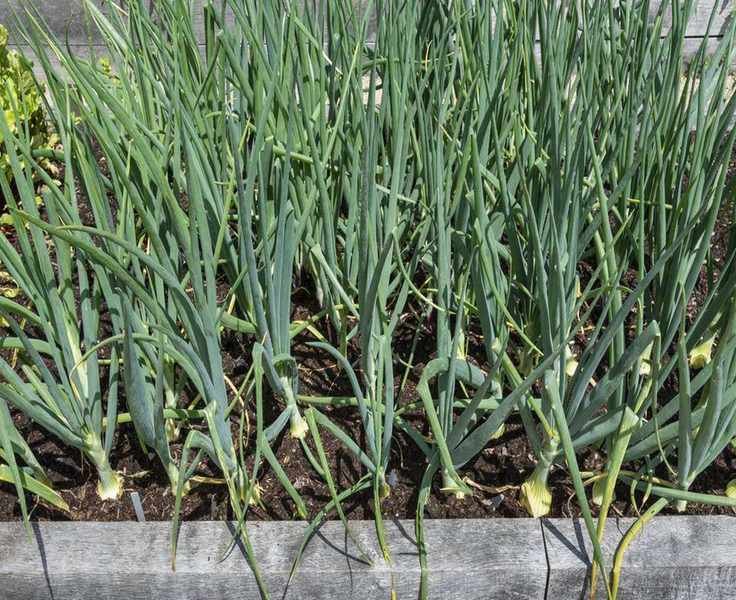
April marks a crucial period in the onion-growing calendar, but it's not too late for gardeners to start planting. With years of onion cultivation experience, I'm sharing essential tasks to boost your harvest this summer and fall.
If you haven't yet planted onions, don't hesitate. Time is running out! Those who planted in the fall or early spring will see shoots developing nicely. This month is perfect for weeding, watering, and keeping pests at bay.
Spring's my favorite time to plant onions. I've successfully grown them from seeds indoors during winter and set them outside early in spring. Giving onions some early season love can significantly enhance bulb size come harvest. Here are my top tips for onion care this April:
1. Last Chance to Plant

It's still possible to plant onions, but hurry! Aim to plant by mid-April for a decent summer yield. Onion sets are the quickest option this month, although seeds can still be sown.
If I were planting now, I'd choose onion sets over seeds. Simply place them in the soil 4-6 inches apart with the tip just above the surface. Covering them with fleece or netting can deter birds from pulling them out.
Consider getting a selection of red, white, and yellow onion sets for planting.
You can still sow onion seeds outdoors until mid-spring, planting them thinly at half an inch deep and thinning to four inches apart. However, bulbs from seeds may be smaller due to a shorter growing season.
2. Keep Weeds at Bay
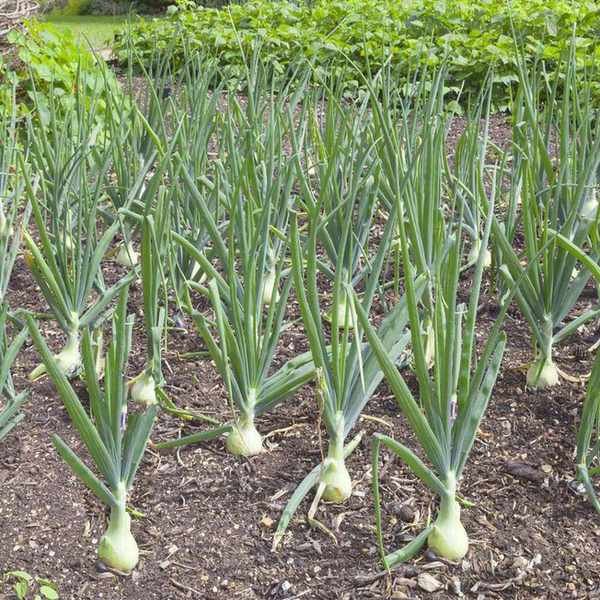
Onions are nutrient-hungry and vulnerable to competition from weeds. Too many weeds can hinder bulb growth by competing for water and nutrients.
Spring is prime time for weed germination, especially in warm, moist soil. Tackling weeds early prevents them from reseeding and spreading. Dedicate some time this month to remove weeds from your onion patch. A little effort now can save you from bigger issues later.
Hand-pull deep-rooted weeds to ensure all roots are removed. For smaller, annual weeds, use a garden hoe to slice them away on warm days.
A weeding tool from Amazon can help you remove stubborn weeds effortlessly.
3. Water During Dry Periods
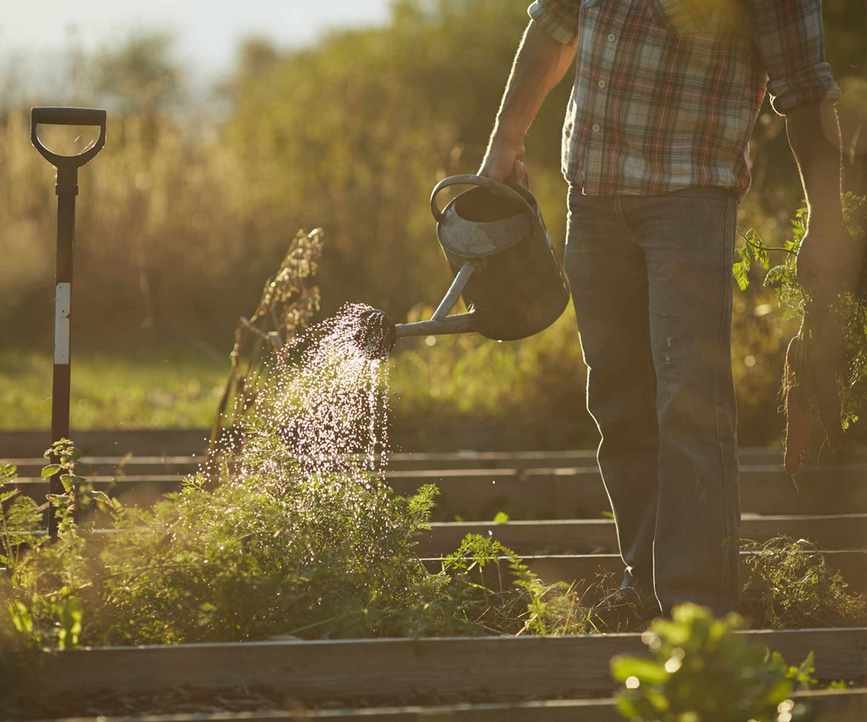
Onions thrive in consistently moist soil. While April showers often provide the necessary inch of water per week, drier spells may require supplemental irrigation to keep the soil from drying out.
Finding the right balance is key. Soil should be moist but not waterlogged; overwatering can lead to fungal or bacterial issues and may rot the plants. This month, aim for regular, deep watering as needed.
Drip irrigation or soaker hoses can effectively deliver water to the root zone while keeping foliage dry, reducing the risk of diseases like powdery mildew.
Check out this 25 ft soaker hose from Walmart for efficient watering.
4. Fertilize with Nitrogen

Your fertilization approach depends on your crop's growth stage.
If you're just planting, enhance the soil with organic matter like compost or well-rotted manure. Adding organic compost, such as this compost from Lowe's, will help your crop start strong.
For more established plants, apply a nitrogen-rich fertilizer around three weeks after planting to promote foliar growth, which in turn supports larger bulb development later on. Continue fertilizing every 2-3 weeks until the bulbs start forming.
Side-dress by creating a furrow a few inches from the plants, sprinkle in the fertilizer, and water it in. Blood meal is a great organic option, available as blood meal at Burpee.
Stick to recommended application rates and avoid over-fertilizing once bulbing begins, as this can promote foliage growth at the expense of bulbs.
5. Protect Against Pests
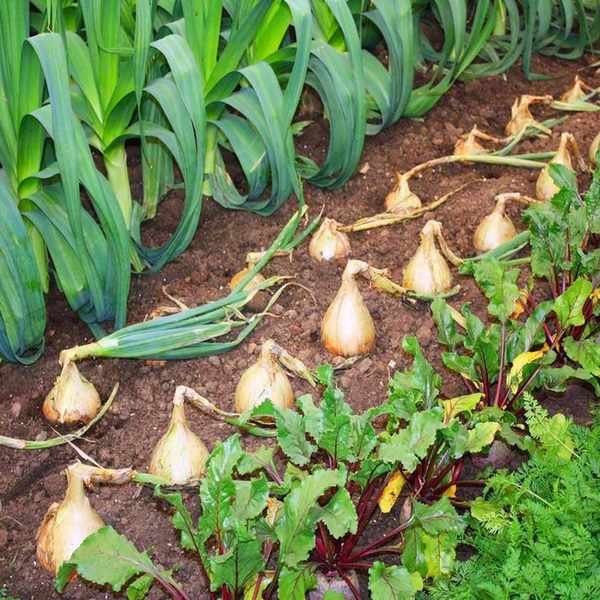
Pests like allium leaf miner and onion maggot can wreak havoc on your crop, along with thrips, aphids, and cutworms targeting both foliage and bulbs.
This month, be vigilant for pest damage signs, including distorted leaves or holes in foliage. For smaller pests like thrips and aphids, insecticidal soap is effective. Check out insecticidal soap from Walmart.
For better protection, cover your crop with insect-proof mesh in spring to keep pests at bay. You can find ultra-fine netting on Amazon for crop protection.
Consider companion planting with aromatic herbs to attract beneficial insects and their natural predators to keep pest issues at bay.
Watch out for slugs and snails too. One year, I lost my onion crop to slugs, which munched the green tops. It was an eye-opening experience.
Implement slug control methods like physical barriers, rough surfaces, or beer traps to deter them from your plants.
Recommended Tools
Japanese Weeding Sickle
A sharp sickle designed to efficiently slice weeds at the soil level.
Onion Fertilizer
A specialized fertilizer enriched with minerals and seaweed for promoting robust growth and sizable bulbs. Mix with water for feeding.
Drip Irrigation Kit
This kit waters soil directly, not the foliage, and includes tubing, connectors, nozzles, drippers, and stakes to cover 160 square feet.
If you find a sprouting onion in your pantry, consider planting it in your garden to grow a new bulb. This eco-friendly choice allows you to regrow rather than discard it.
This guide on planting sprouting onions walks you through removing the sprouts, planting, caring for, and harvesting your new bulb.



