
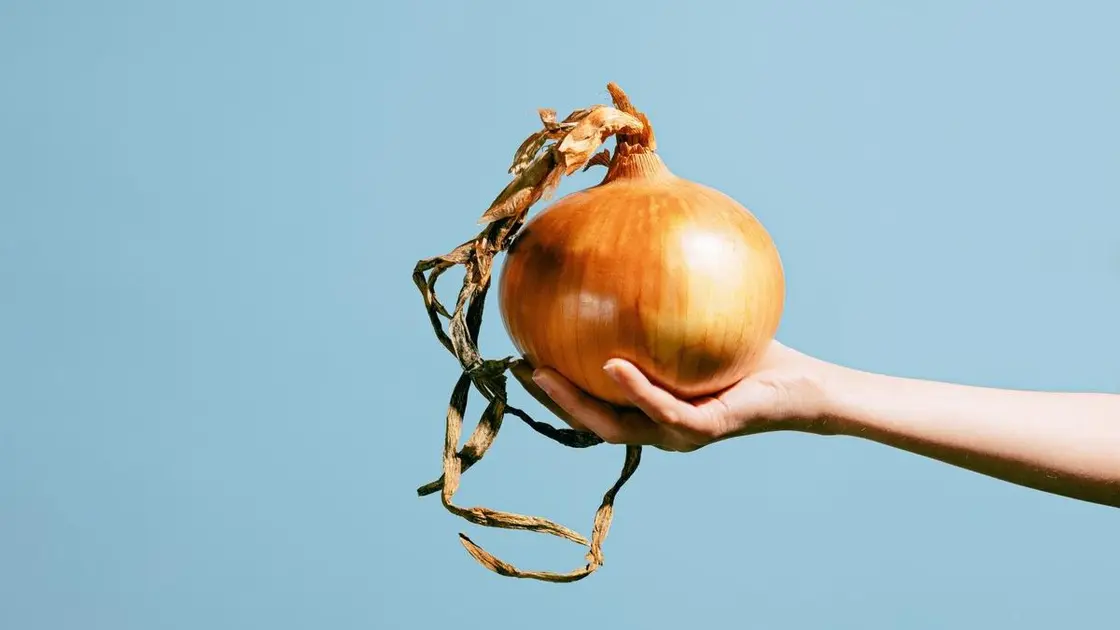
Onions are a beloved vegetable with diverse culinary applications. While they can be easy to grow, achieving the best bulbs requires proper fertilization techniques.
These vegetables may be planted in either spring or fall, influencing when to begin fertilizing. For robust onions, apply fertilizer at planting and consistently during their growth phase. However, there will come a time to cease feeding them.
Establishing a proper fertilization routine is vital for successful onion cultivation. Knowing which fertilizers to use and when can significantly impact your harvest, especially if you're aiming for larger bulbs.

Fertilizer should be applied when planting onion sets in your garden.
Timing for Fertilizing Onions
It's essential to add fertilizer when you plant onions, whether using sets or seedlings, and maintain this feeding approach throughout the growing season.
Fertilizers typically contain three crucial nutrients: nitrogen (N), phosphorus (P), and potassium (K), represented by numbers on the package indicating the percentage of each nutrient.
Bruce L Frasier, President of Dixondale Farms, a family-run farm with over a century of onion cultivation experience, recommends a consistent feeding schedule tailored to the crops' needs at each growth stage.
He advises: “A balanced fertilizer (10-20-10) should be used when planting to help establish a healthy root system.
“After three weeks, apply straight nitrogen (21-0-0) every 2-3 weeks. Nitrogen encourages foliage growth, so continue this until bulbing starts.”
Onions can be grown from sets or seeds. If planting onion sets in the fall, a high-nitrogen fertilizer at winter's onset will not only provide nutrients but also help prevent bolting, which occurs when onions flower prematurely due to stress.

Well-rotted animal manure offers vital nutrients for onions.
How to Properly Fertilize Onions
Fertilizing onions is straightforward; just follow the recommended application rates on the product packaging.
Timing is key—fertilize only when the tops are dry. Bruce Frasier also emphasizes the importance of using granular fertilizers.
“Onions thrive on granular fertilizer since they don’t absorb liquid fertilizers effectively. Sprinkle it alongside the plants and ensure it's watered in. This helps the roots uptake the nutrients,” he explains.
To apply, create a shallow furrow about 2-3 inches deep between your onion rows and work the fertilizer into the soil. Water the furrows well after each application, avoiding the plant tops.
If growing onions in containers, make furrows either in the center of the plants or around the pot's edge.

A solid fertilization plan can enhance bulb size.
When to Stop Fertilizing Onions
Cease all watering and fertilization once the bulbs swell, usually around mid-summer. Indicators that growth has halted include yellowing leaves and soft necks, typically about four weeks before harvest.
Stopping fertilization and watering by mid-summer is crucial for preserving the onions' storage capacity.
If you want to store onions effectively, halting fertilization and watering is essential to extend their shelf life.
Best Fertilizers for Onions
Growers can find specific onion fertilizers in stores that are slow-release and formulated for larger, tastier bulbs. Balanced granular options include ratios like 10-10-10 or 12-12-12, in addition to the recommended 10-20-10.
Nitrogen-rich fertilizers, such as ammonium sulfate and calcium nitrate, are widely available. A good example is the Hi-yield Ammonium Sulfate fertilizer from Walmart or Calcium Nitrate from Amazon.
For organic growers, incorporating well-rotted manure or compost before planting is essential. Organic options such as blood meal and bone meal granular fertilizers from Burpee are also beneficial.
While onions grow, consider mulching with materials like compost or straw to provide extra nutrients as they decompose. Wait until seedlings are larger before mulching to avoid smothering them.

Onions can last up to one year if stored correctly.
Tips for Growing Larger Onions
For those aiming for large, healthy onions, early preparation is crucial since they are heavy feeders.
Start by ensuring your soil is loose and fertile before planting. Incorporate a layer of well-rotted manure or compost to improve nutrient content and soil structure.
By preparing the soil months ahead of planting, you create an excellent foundation for your onions. Pair this groundwork with a consistent fertilization schedule, and you're likely to harvest larger bulbs.

Granular fertilizer should be worked into the soil around the plants.
FAQs
Is tomato feed suitable for onions?
Onions thrive on high-nitrogen fertilizers to boost bulb size. Although tomato fertilizers like the Expert Gardener Tomato & Vegetable Garden Plant Food Fertilizer from Walmart can provide nitrogen and phosphorus, they are not ideal if aiming for maximum onion size. Focus on fertilizers high in nitrogen for best results.
Is bone meal beneficial for onions?
Bone meal is rich in phosphorus, aiding root growth. However, it's low in nitrogen, often having an NPK ratio around 3-15-0, making it less suitable for nitrogen-hungry onions.
Is blood meal good for onions?
Blood meal is an excellent nitrogen source. For instance, this Organic Blood Meal from Burpee has an NPK ratio of 12-0-0. For larger onions, adding blood meal is a great way to meet their nitrogen needs.
Do onions respond well to manure?
Applying manure months before planting benefits all onion varieties. However, avoid fresh manure as it can be too high in nitrogen and ammonia, potentially damaging their roots. Always use well-rotted manure for best results.



