
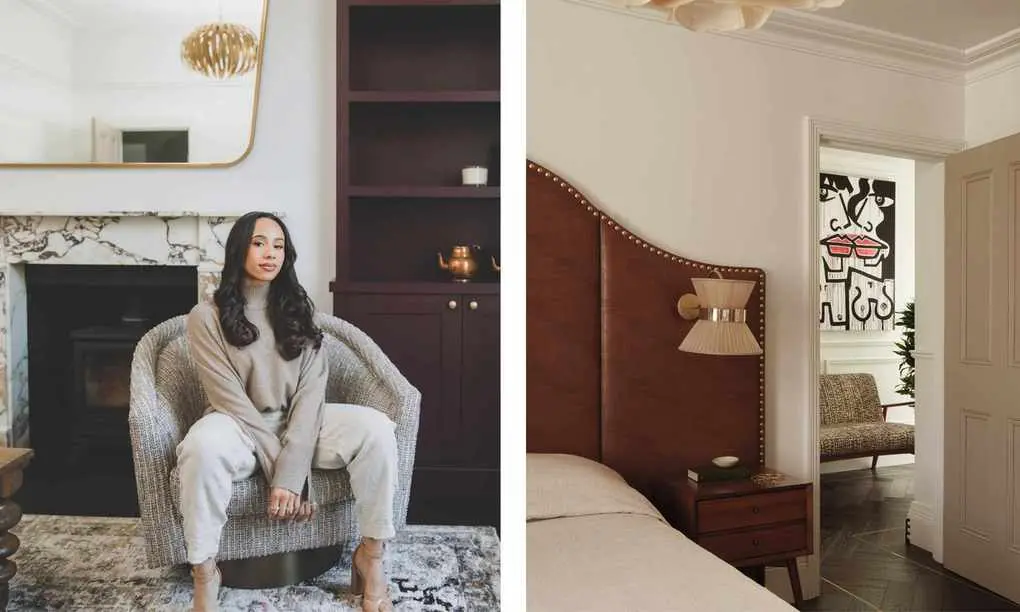
While scientific research isn't often a primary influence for interior designers, Bee Janaye, the founder of JANAYE, finds inspiration in neuroaesthetics. This focus underpins her design philosophy.
Bee explains, 'Scientists initially explored how art, including sculptures, impacts emotions and cognition. I recognize that decor can similarly affect our mindset. The ambiance of our spaces and our interactions within them significantly influence our self-perception.'
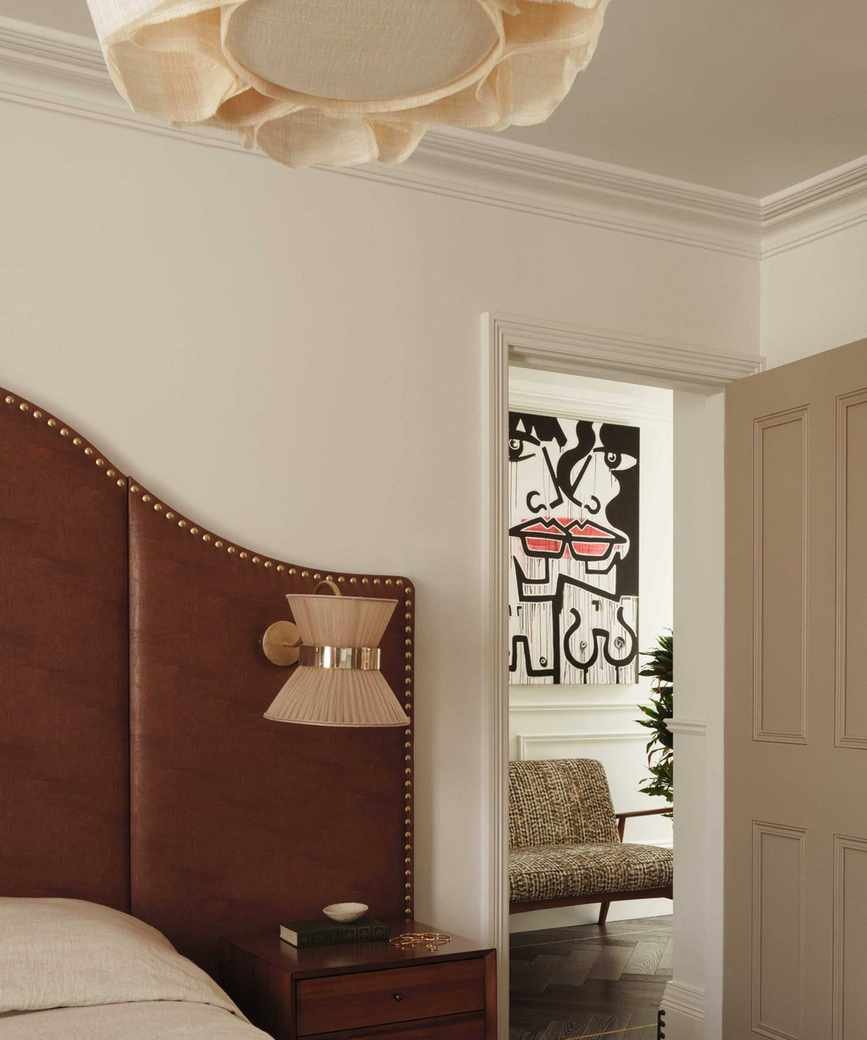
Bee's work intertwines warmth, nostalgia, and storytelling.
This passion emerged from her experiences with neurodivergent clients, but it has evolved into a guiding principle across all her projects, crafting homes that resonate with the inhabitants' unique experiences.
Bee's projects span across London, including a recent endeavor she called Deja Vu House. 'I aimed to evoke familiarity while introducing fresh elements—melding memories and inspirations that reflect the client's travels and life story.'
The outcome featured a palette of soft pinks and an ethereal quality achieved through chalky encaustic tiles. 'I deeply consider each client's journey, weaving their narrative into the design. My goal is to create spaces that feel like the next cherished memory.'
5 Essential Design Principles from Janaye
1. No Dull Bathrooms
Bathrooms are prime spots for creativity. I believe most interiors lack sufficient tile use, making bathrooms ideal for showcasing various textures and shapes. Natural stone and diverse designs can transform a mundane space into something extraordinary.
2. Aim High
Your home should express your identity and values. Don't shy away from making bold choices.
3. Embrace Courage
I remind clients that if everyone likes everything in their home, they may not have taken enough risks. Whether it's a significant artwork or a culturally meaningful reference, your home should tell your story. Including a thought-provoking piece can make a home uniquely yours.
4. Design for Memories
When designing, remember to cultivate spaces for creating moments with loved ones. Incorporate personal touches, photographs, and meaningful items that foster comfort and belonging.
5. Master Pinterest
Learn to use Pinterest effectively—not to replicate others' designs, but to refine your aesthetic. Train your design eye by articulating what you love about spaces, allowing you to integrate those inspirations into your home authentically.



