Finding the right temperature for your home in late spring can be tricky as weather patterns fluctuate. With rising energy costs, it's essential to keep your home cool without breaking the bank.
To help you navigate the warmer days ahead, I consulted HVAC professionals about the ideal thermostat settings for May. This way, you can create a pleasant atmosphere while controlling your electricity expenses.
For optimal comfort and lower energy bills, use your air conditioning alongside other cooling methods. Consider placing some of the best fans in strategic locations around your home.
Challenges of Cooling Your Home in May
If you've been relying on your oscillating tower fan, like the Dreo available at Walmart, and find yourself turning on the AC more frequently, you're not alone.
Gary McCurry, HVAC Service Director at Reliable Heating and Air, shares insights on the seasonal challenges of maintaining comfort while managing costs.
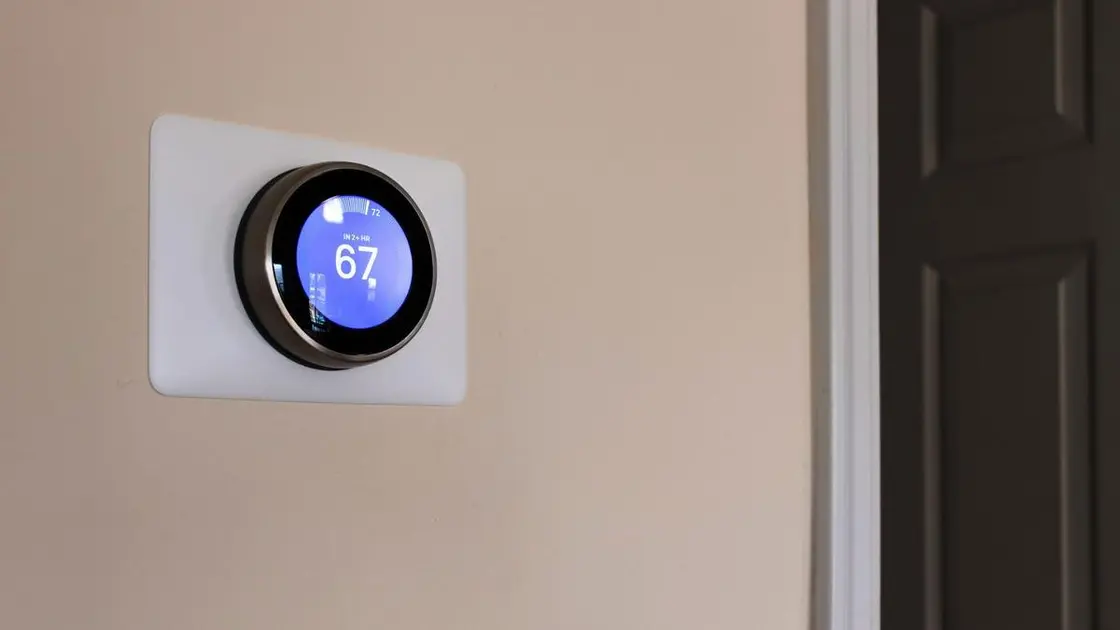
His advice? 'Set your thermostat as high as you can while still feeling comfortable. Each degree lower forces your system to work harder and increases costs.' A recommended thermostat setting for May is between 72 and 74°F when you're home, with adjustments based on humidity and personal comfort.
Using a smart thermostat, like the Copeland Sensi from Lowe's, can help maintain a steady temperature by cycling on and off instead of running continuously.
Running your AC non-stop can lead to discomfort, prompting you to turn it off and then back on, which wastes energy. It's easier to maintain a consistent temperature than to cool down a warm house.
Here are Gary's thermostat guidelines for May:
- While at home: 72-74°F
- At night: 70-72°F
- Away for a few hours: 76-78°F
- Out for longer: raise the temperature, but don't turn the system off completely in humid conditions.
Consider Humidity Levels
May can be especially tricky as temperatures rise, yet the intense heat of summer hasn't fully set in. Gary suggests keeping your thermostat in the low-to-mid 70s for the best balance of comfort and cost-effectiveness.
Humidity plays a significant role in how comfortable you feel, as high moisture levels inhibit your body's natural cooling through sweat. You can monitor humidity levels using an affordable hygrometer from Walmart. Excess moisture may indicate issues with draftproofing your home, especially around windows and doors.
Running your AC or an energy-efficient dehumidifier from Amazon can also help reduce humidity levels.
Gary emphasizes that in spring and early summer, many think they need a lower temperature when it's actually humidity causing discomfort. A moderate setting can still feel comfortable if your AC is effectively removing moisture from the air.
A thermostat set between 72 and 74°F can keep you comfortable without forcing your system to run excessively.
Lowering Your Energy Bills While Staying Comfortable
Jimmy Campbell, HVAC expert at Townsend Total Energy, advises that keeping the temperature as high as possible while remaining comfortable will help manage AC costs. For instance, maintaining 70-72°F can save you about 3% per degree, daily.
In July, when outside temperatures soar above 90°F, achieving 68°F indoors becomes more challenging. The greater the difference between indoor and outdoor temperatures, the harder your system must work. Accepting a slightly higher indoor temperature can lead to savings.
Instead of 68°F, aim for 70°F indoors. It will feel cooler than the sweltering outdoor heat. Using ceiling fans can also help, as they can create a wind chill effect that makes a room feel as much as 5°F cooler. Additionally, close blinds on sun-facing windows to block heat.
Remember to reverse your fan direction for summer use, as this pushes cool air down and enhances comfort.
Tips to Reduce Strain on Your AC System
A common myth is that setting your thermostat lower cools your home faster. This just causes your system to run longer, increasing costs. 'Find your comfort range and stick with it,' Jimmy advises. 'You don't need to run your AC all day.'
On cooler nights, consider opening windows to let in fresh air. This can also help reduce pollen exposure after rain showers, known as the rain cooling method.
In July's heat, keep your AC set warmer while sleeping, ideally around 74–76°F.
Advancements in AC Systems
Modern HVAC systems have made considerable progress over the years. Today's units often have SEER ratings of 14-16, which indicates better energy efficiency compared to older systems that averaged 6-8.
Jimmy notes that programmable and smart thermostats have significantly improved home comfort. Two decades ago, most homes had basic analog thermostats that required constant adjustments.
While climate change has intensified demand for cooling, advancements in building materials and regulations are also influencing how we maintain comfortable homes.
Homes built in the 90s typically lack central AC, which has since become a standard necessity.
New heating standards have emerged to keep up with technological advancements and better insulation.
Items to Consider for Comfort
Staying comfortable amidst rising temperatures requires a thoughtful approach to managing air movement, humidity, and sealing gaps that may have formed over the winter months. Here are key items to help you stay cool as May approaches.
All prices were accurate at the time of publication.
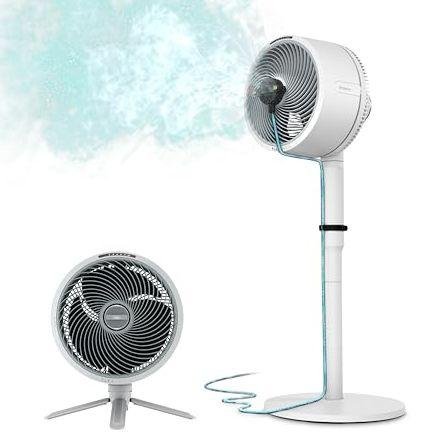 Variable speeds
The Shark Flexbreeze is versatile, suitable for indoor and outdoor use. It can operate corded or cordless, switching to a tabletop fan easily. With a 24-hour battery life, it's a great option.
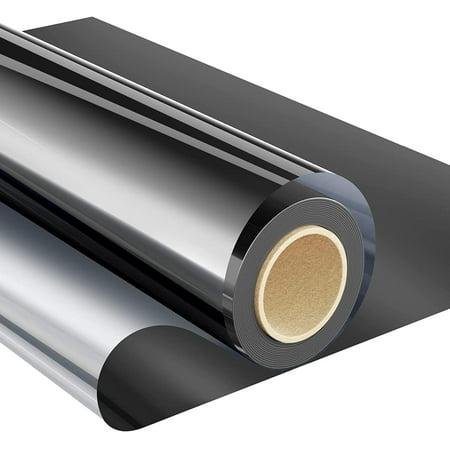 Cut to size
This window film blocks up to 80% of UV and infrared rays, providing both heat control and privacy.
 1000 sq. ft.
This dehumidifier operates quietly while effectively maintaining humidity levels below 45%, ideal for homes.
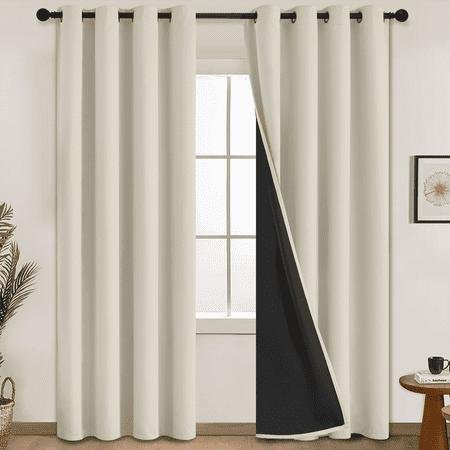 Four color and size options
These blackout curtains block all sunlight and UV rays, helping to keep rooms cooler when closed.
 Water resistant
This insulating foam expands to fill gaps, preventing air transfer for a cooler home in summer and a warmer one in winter.
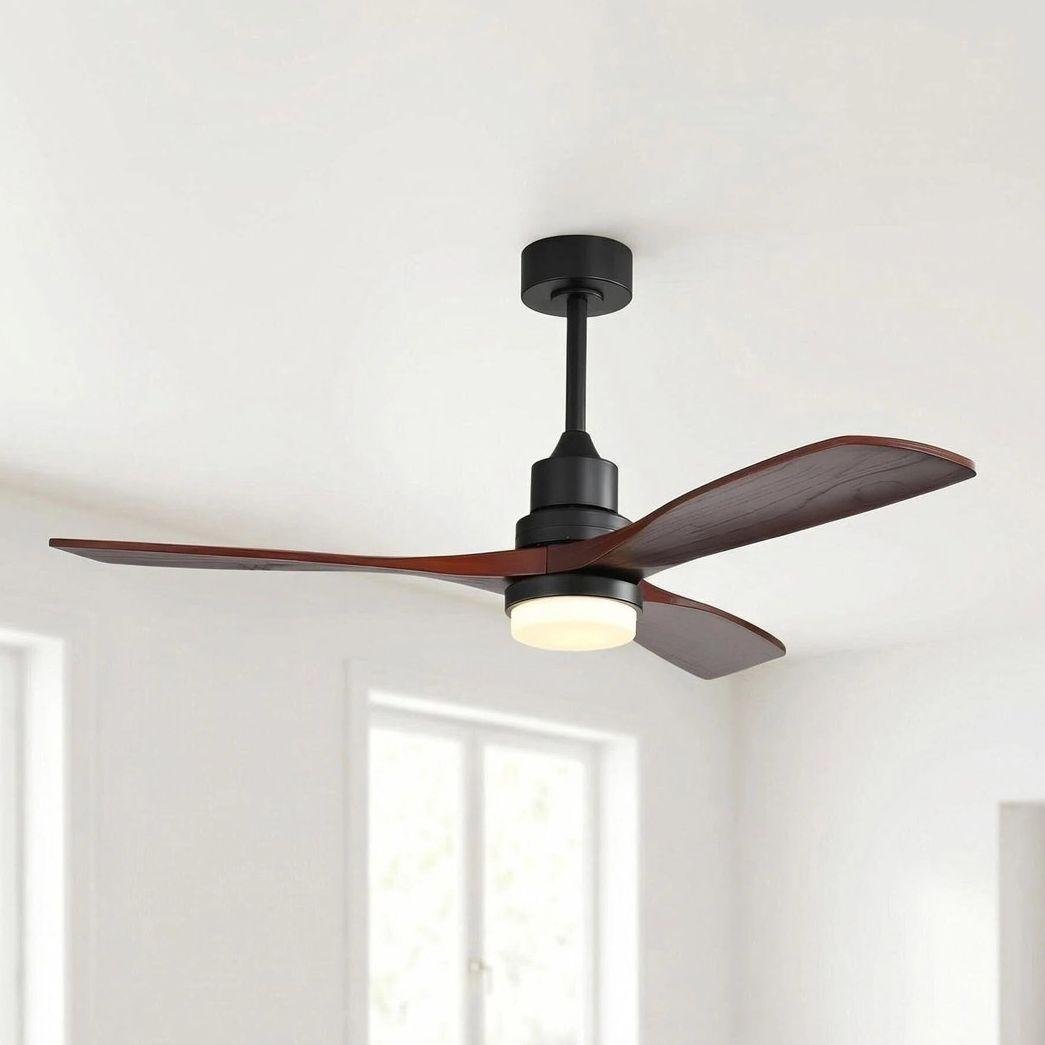 Six colorways
This stylish ceiling fan includes a remote control for easy operation and a light kit, enhancing both comfort and aesthetics in your space.
Meet the Experts

Gary McCurry oversees service operations at a leading home service provider in the Southeast. He is dedicated to improving efficiency and helping homeowners maximize their HVAC systems through effective maintenance and performance.

Jimmy Campbell is a residential HVAC expert with a decade of industry experience. He specializes in service, oil and propane systems, and air conditioning, addressing both routine and complex issues faced by homeowners.
Discover ways to cool a room with fans, and enhance your sleep with top-rated cooling mattress toppers and pads. Moisture-wicking bed sheets can also keep you comfortable this spring.