
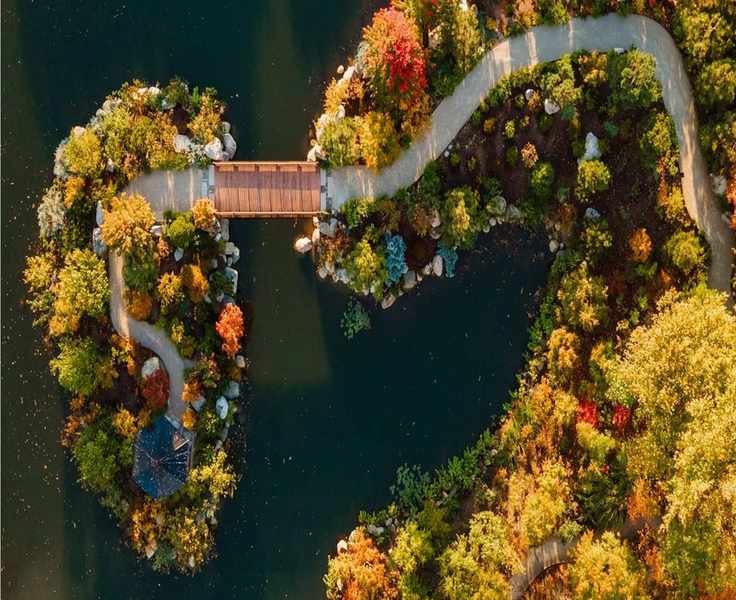
Frederik Meijer Gardens & Sculpture Park in Grand Rapids, Michigan, is a remarkable fusion of horticulture and art, showcasing a stunning Japanese garden that reshapes how we perceive our surroundings.
Covering eight acres, Meijer's Japanese garden features a diverse array of native plants, with winding paths leading around a central pond. More than just a picturesque landscape, this garden, designed by Hoichi Kurisu, invites visitors to participate in Japanese cultural traditions, emphasizing the connection between humans and nature.
According to Senior Vice President Steve LaWarre, even in winter's embrace, the garden inspires visitors to engage in self-reflection and renewal, drawing on ancient Japanese design principles.

Clear reflections on the pond create mirrored illusions, an example of nature as art
Winter's Beauty: Embracing Impermanence
'Winter is my favorite time to explore the Japanese garden,' shares Steve. 'The quietness allows for a unique perception of the space.'
Inspired by his visit to Japan in the early 2000s, Frederik Meijer envisioned recreating that experience here.
After five years of collaboration with Hoichi, the garden celebrated its 10th anniversary last summer. Traditional Japanese elements infuse tranquility and encourage moments of reflection.
For Steve, this is particularly evident in the serene winter scenery.
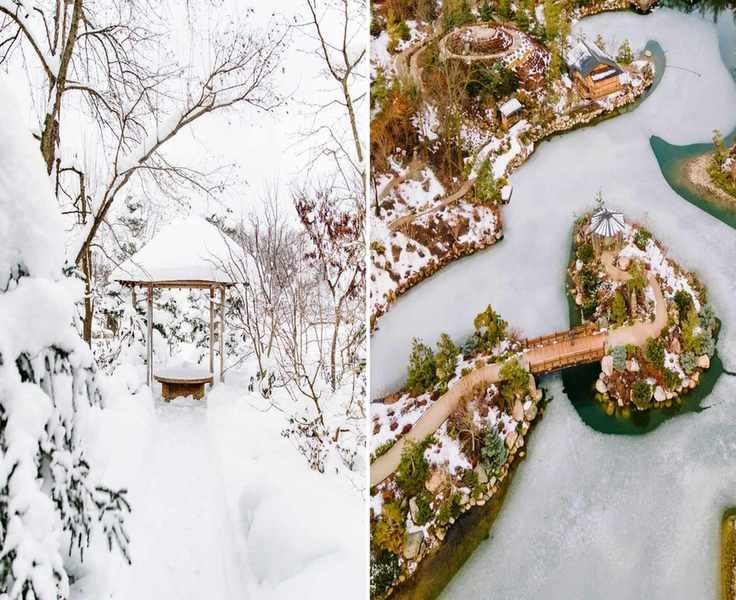
Snow transforms the garden into an entirely different landscape
'Covered in snow, the garden is stunning. You hear the waterfalls differently, and the ice creates a unique atmosphere,' Steve describes.
While plant life may seem dormant, the boulders gleam white under snow, resilient bamboo stands tall, and water features continue to flow softly.
In Japanese culture, the winter garden holds as much significance as spring blooms, allowing for contemplation of its structure and stillness.
Snow symbolizes another form of blooming, with branches draped in winter's offerings. As it melts, it embodies nature's fleeting beauty, reflecting the concept of 'mujō', akin to the short-lived cherry blossoms.
Hoichi emphasizes that this changing landscape enriches the visitor experience. Each season invites a fresh perspective, with winter exemplifying 'wabi-sabi'; a celebration of simplicity and subtle beauty.
Spring Awakening: A Burst of Color
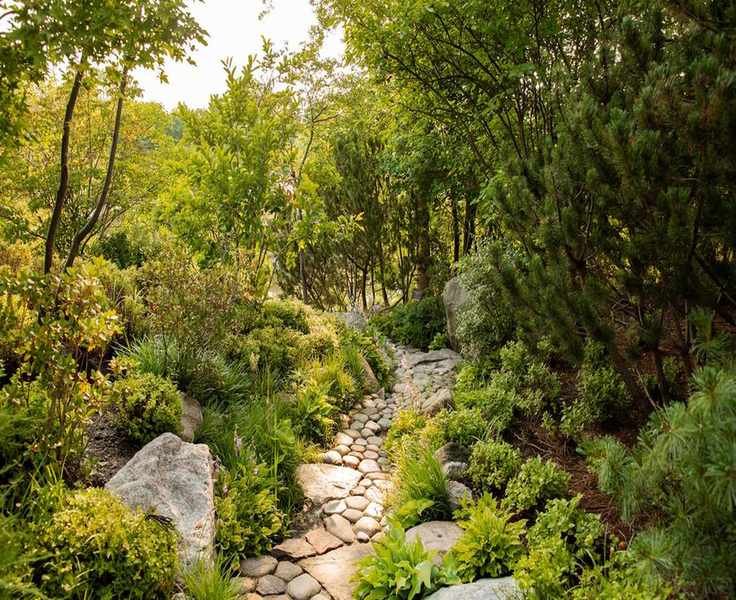
Lush plantings transport you to peaceful forests
As spring arrives, the garden quickly comes alive with color. 'The first leaves on the trees are a joyous sight after winter,' notes Steve.
Witnessing the snow melt and trees rejuvenate is a powerful reminder of nature's restorative abilities.
Evergreen trees form the garden's structural backbone throughout the year, presenting recognizable silhouettes across seasons.
'These conifers are iconic, especially as they've been pruned into distinct shapes,' he adds.
This pruning, known as 'niwaki', creates a refined yet organic appearance, emphasizing the beauty of asymmetry.
Similarly, the art of bonsai echoes this sculptural approach on a smaller scale, showcased in the expansive bonsai collection available from spring to fall, featuring various species like pines and flowering azaleas.

Meijer is home to many different types of bonsai trees, which are put on display as living sculptures
As spring progresses, the garden offers 'ephemeral waves of bloom', beginning with the flowering cherry blossoms in late April along the Cherry Tree Promenade.
'Sakura', the Japanese term for cherry blossoms, symbolizes fleeting beauty, with blossoms lasting just a couple of weeks.
During peak bloom, typically between April 20 and May 1, the garden bursts with creamy white and pink flowers.
'Following those are serviceberry, vibrant azaleas, and eventually water lilies. Each week brings new blooms,' Steve explains, highlighting the continuous colorful displays.
As autumn approaches, fiery reds and oranges from various Japanese maples transform the garden into a vivid spectacle.
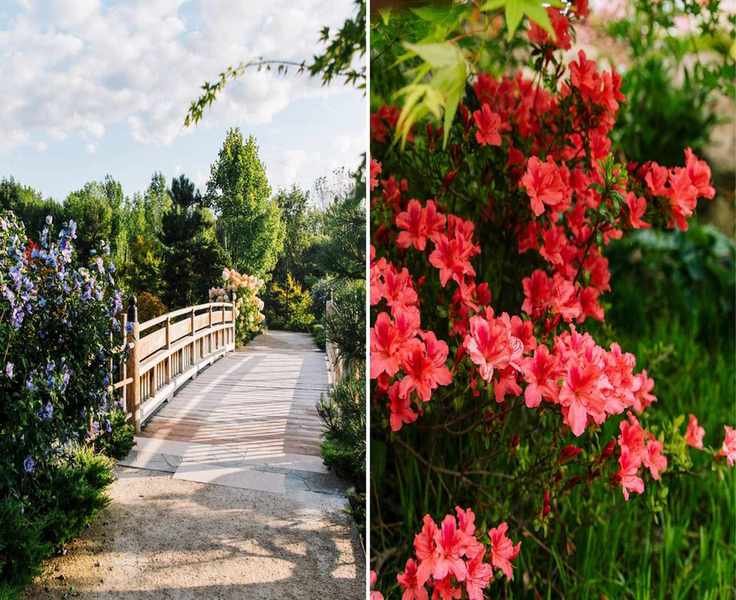
Bright flowers can be seen across the garden throughout the spring and summer months
Experiencing Japanese Culture: The Teahouse and Zen Garden
Japanese flora complement the garden's historical design, along with essential structures that enhance the experience.
A highlight is the traditional teahouse, constructed in Japan, then shipped and rebuilt here using authentic materials.
'It features a hand-bent copper roof and traditional tatami mats,' Steve shares. 'The design allows individuals of all abilities to participate in the tea ceremony and enjoy the pond views.'
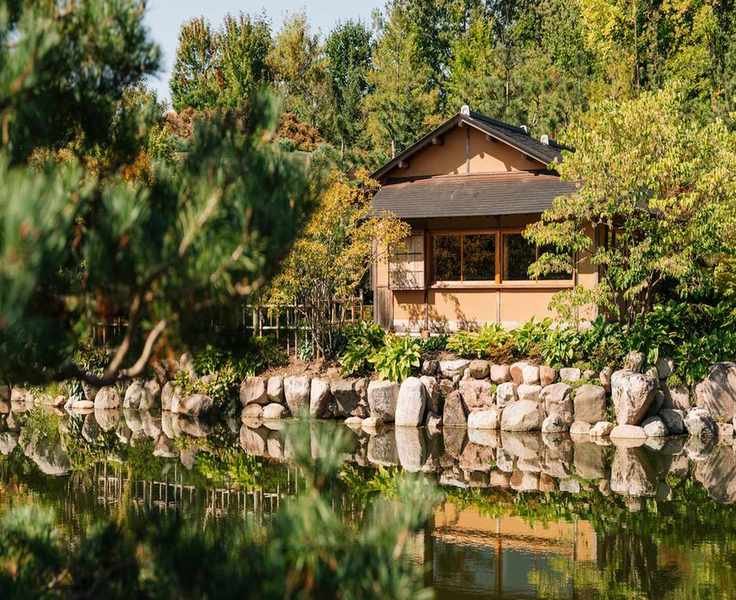
The teahouse looks out on the pond so guests can benefit from peaceful views during the tea ceremony
Tea ceremonies ('sadō') embody deep meanings in Japanese culture, influenced by Zen Buddhist philosophies. They serve as a meditative practice for reflection and connection.
'I've been fortunate to participate in tea ceremonies both here and in Japan,' says Steve. 'They provide a serene environment for mindful reflection, enhanced by garden views.'
Throughout the year, Frederik Meijer Gardens hosts several tea ceremonies led by professional tea masters, which are always well-received.

'The tea ceremony is an art. It takes dedication and practice to become proficient in reaping its rewards' – Steve LaWarre, Senior Vice President of Frederik Meijer Gardens & Sculpture Park
Another meditative practice is found in the zen garden ('karesansui'), a minimalist gravel garden.
'This space allows our horticulturists to express creativity,' Steve notes.
Using traditional rakes, they create flowing patterns in the gravel, resulting in an art piece that shifts with the seasons.
'Classic designs evolve with the weather or accidental footprints,' he explains.
Asymmetrically placed boulders represent islands and mountains, while the surrounding patterns create organic shapes that encourage contemplation.
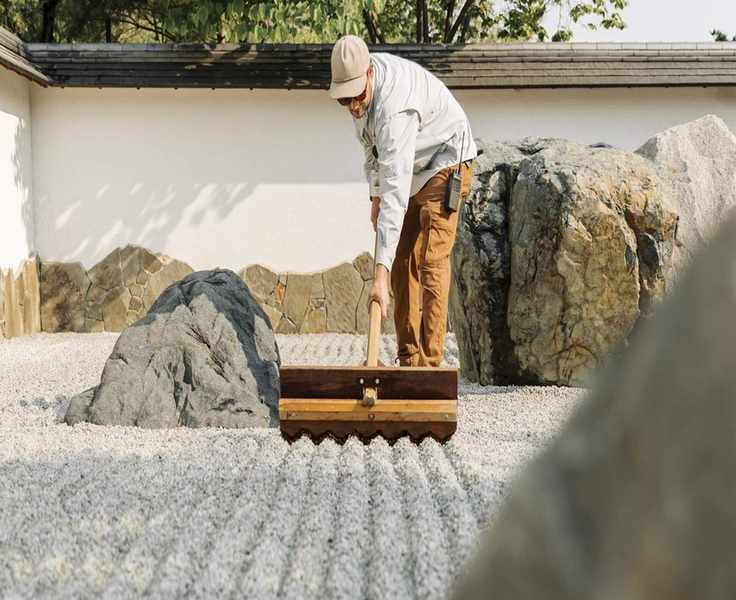
The practice of maintaining the zen garden is a mindful activity
Water's Role: Reflecting the Heart of the Garden
No Japanese garden is complete without water, which plays a vital role in connecting various areas within the garden.
Steve explains the central pond's shape resembles the Japanese character for 'heart' or 'kanji', symbolizing spiritual essence.
Islands dot the pond, interconnected by bridges that keep the water visible. A viewing hill offers a panoramic view of the entire garden.
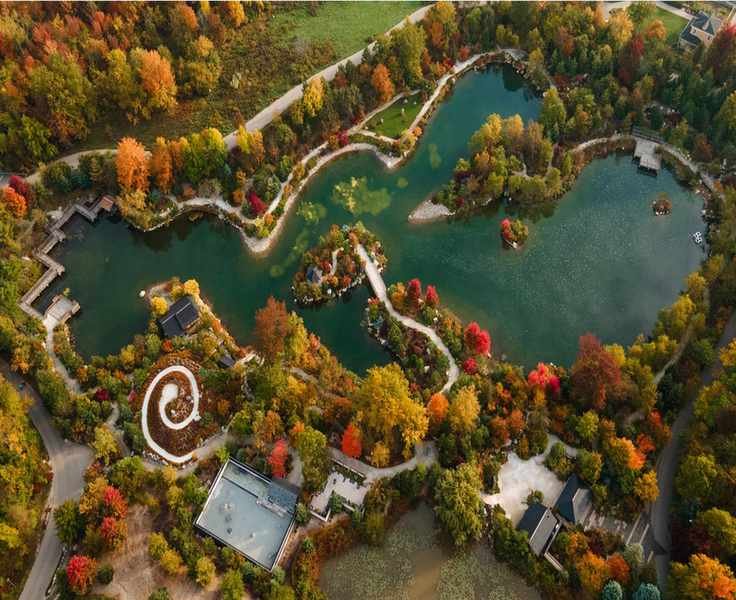
The 'kanji' shape of the pond can be seen from above
In traditional Japanese culture, water signifies renewal and purification, creating a meditative space for reflection.
It harmonizes with the garden's earth elements, providing stunning reflections that encourage introspection.
'We have four waterfalls and various water features that create sound and movement, essential for the garden's atmosphere,' Steve adds.
The two main waterfalls, located at opposite ends of the pond, symbolize masculine and feminine energies, promoting balance.
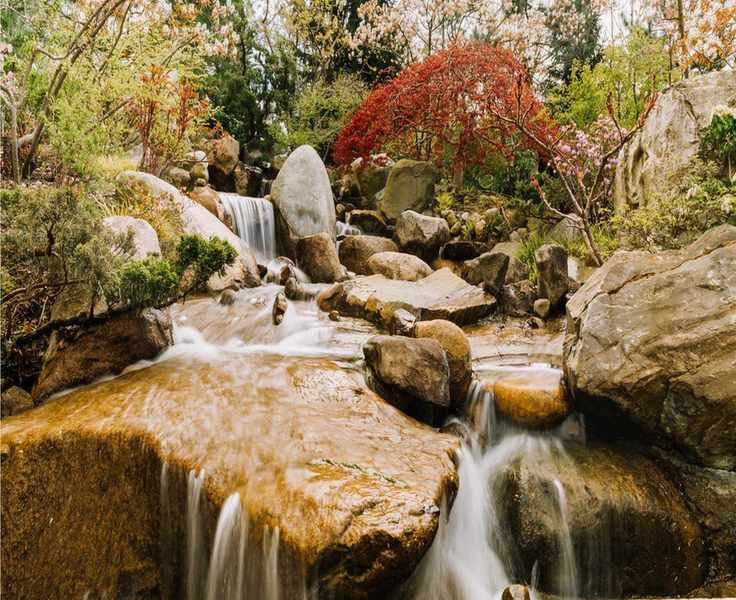
Waterfalls bring a sensory experience to the garden, with sound you can hear even if you don't see them
Timeless Beauty: Where Tradition Meets Modern Art
Japanese gardens have long been regarded as living art, making them a natural fit for Frederik Meijer Gardens & Sculpture Park.
'Japanese garden design is ancient, yet it's dynamic,' Steve remarks, appreciating Hoichi's innovative approach.
'The garden blends tradition with modernity, exemplified through contemporary sculptures integrated within the space,' he explains.
These sculptures, part of a broader collection, enhance the theme of human connection to nature.
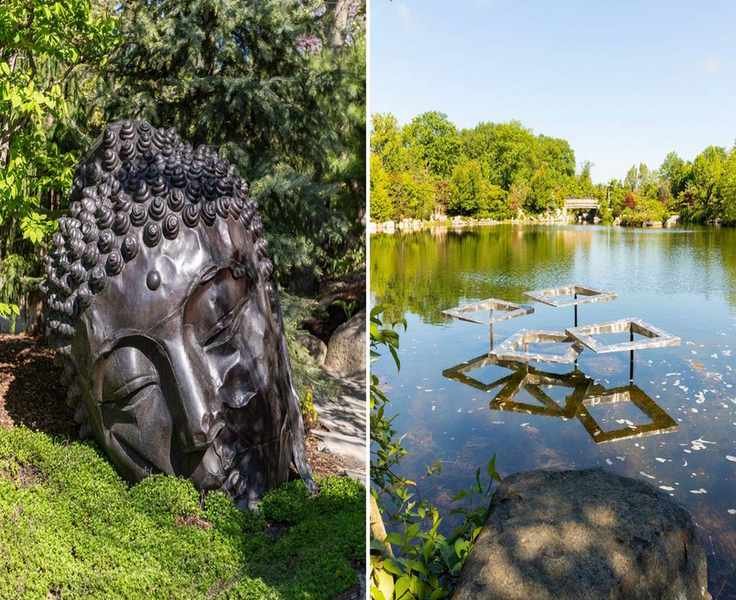
To the left: Long Island Buddha, by Zhang Huan. To the right: Four Open Squares Horizontal Gyratory-Tapered, by George Rickey
'Japanese gardens often feature sculptures like lanterns and pagodas. The contemporary installations pay homage to this tradition while enriching the visitor experience,' Steve adds.
'These artworks seamlessly blend with the landscape, enhancing the journey of enlightenment for visitors.'
'Japanese gardens aren't formulaic; they embody concepts guided by foundational principles,' Steve explains. 'One moment, you're in a narrow, intimate passage, and the next, you're greeted by a vast view of the pond.'
'This design invites exploration and discovery,' he notes.
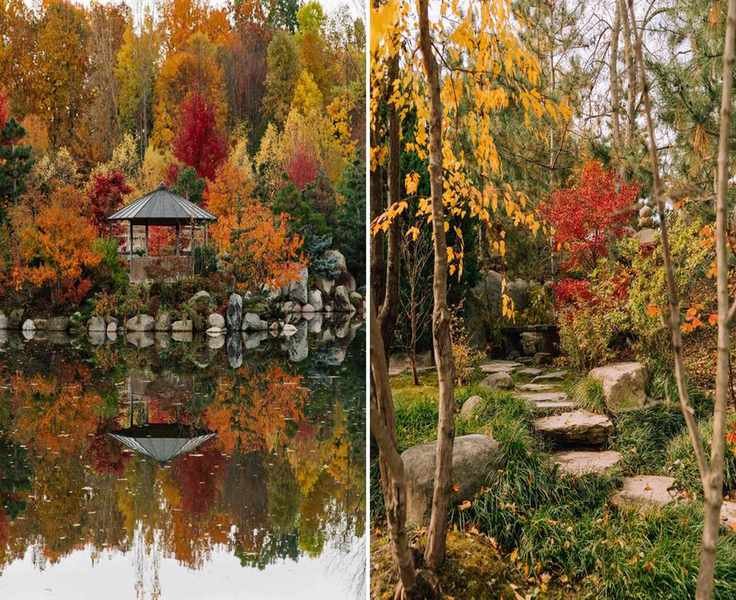
Oranges, reds, and yellows fill the garden in fall, once again changing the landscape for a new season
'Working with Hoichi has been a rewarding experience, opening my eyes to new perspectives. We often seek symmetry, but nature teaches us to appreciate balance in diversity and imperfection.'
'This approach has deepened my understanding of working with nature, allowing for harmony with the landscape,' he concludes.
Inspiration from Meijer's Japanese Garden
Even if a full Japanese garden isn't feasible in your backyard, the DeVos Japanese Garden showcases ways to create tranquil moments.
Here are three simple ideas to incorporate:

Hoichi's design intentionally creates different environments to explore over just eight acres
Embrace Asymmetry
As Steve emphasizes, imperfection is celebrated in Japanese design. At Meijer, this is reflected in sculptural trees, rock placements, and winding paths.
Incorporate asymmetry in your garden through varied plant heights, natural curves in paths, or pruning conifers in the 'niwaki' style. Such elements promote a dynamic look that enhances the garden's features.
Create Water Moments
In the DeVos Japanese Garden, water is a constant presence, offering calming effects. Incorporate water features in your yard, whether through a pond or birdbath.
Adding movement, like a submersible fountain, can enhance the sensory experience.
Appreciate the Winter Garden
Winter's chill may deter us from outdoor spaces, but it's a serene season at the DeVos Japanese Garden.
Observe frost on seedheads, admire snow-covered branches, and embrace the tranquility of winter.
Adding winter plants can provide visual interest amid a muted landscape.
Beyond Wild Expectations is a new series exploring exceptional public gardens of every scale, from grand formal parterres to intimate community plots. We reveal the design vision, planting choices and defining details that bring the garden to life, and show how each one gives fresh perspectives on how we connect with nature and outdoor living.

Steve leads horticulture, operations, and long-term planning at Meijer Gardens. With nearly 30 years of experience, he plays a vital role in enhancing guest experiences and caring for the gardens' living collections. His dedication to intentional design and the integration of art and nature is evident in the development of beloved spaces, including The Richard & Helen DeVos Japanese Garden, a landscape defined by authenticity and seasonal beauty.



