Spring and fall are perfect for fashion enthusiasts, especially for those who adore layering. For example, pairing a delicate blouse under a sweater creates a stylish look that feels high-end. Recently, I've noticed this same concept applied to window treatments through a technique known as 'double-dressing.'
As the name suggests, it involves two window treatments stacked on top of each other. This technique may sound overwhelming, but it’s surprisingly effective. ‘A double-dressed window thoughtfully combines a functional base, like blinds or sheers, with a decorative outer layer such as drapes,’ explains Eleanor Weaver, a Senior Designer.
‘It’s not just about aesthetics,’ she continues. For instance, bedrooms may require blackout layers at night and sheer ones during the day. Each layer serves a purpose, crafting a thoughtful approach to how we use our spaces.’
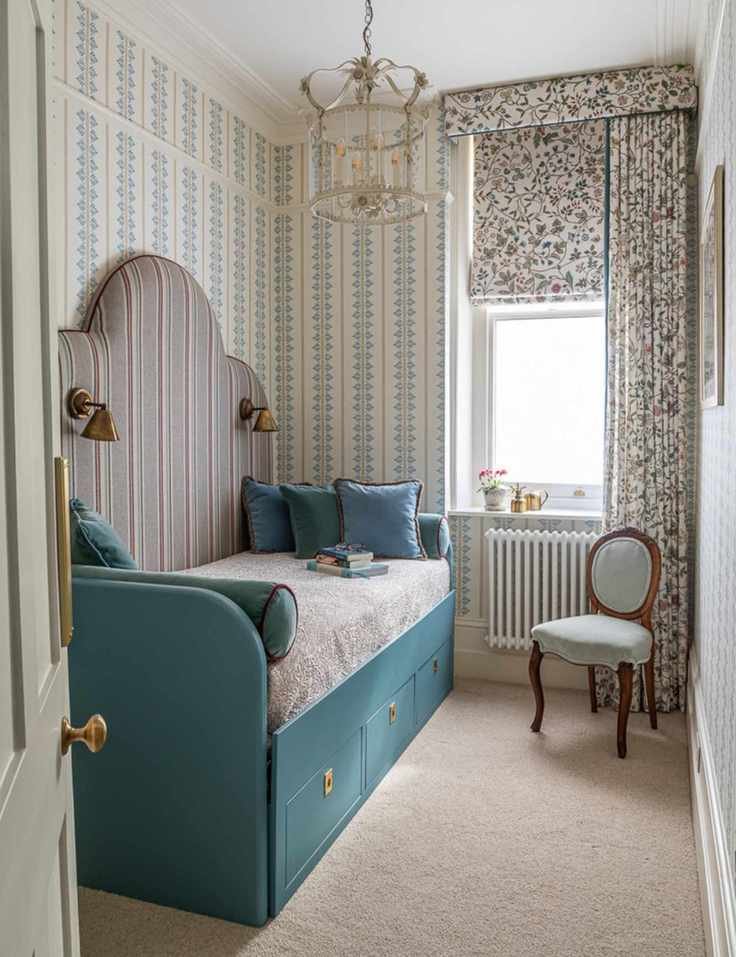
This trend isn’t limited to maximalists. Double-dressing enhances creativity and functionality in window designs.
While double-dressing isn’t brand new (curtain pelmets date back to the Renaissance), it’s currently experiencing a resurgence in popularity, with even seasoned pros taking notice. Curtain maker Pat Giddens, whose family business began in the 19th century, shares: ‘Double-dressed windows are incredibly trendy right now, with layering set to dominate in 2026.’
One treatment might suffice, but two options increase versatility. A double-dressed window manages light and privacy while adding depth and character. This layered approach acts as a creative canvas, allowing the window to transform a space from ordinary to extraordinary, as Eleanor Weaver puts it.
Here are three ‘double-dressing’ curtain combinations that I’m eager to try out.
1. Café Curtains + Roman Shade
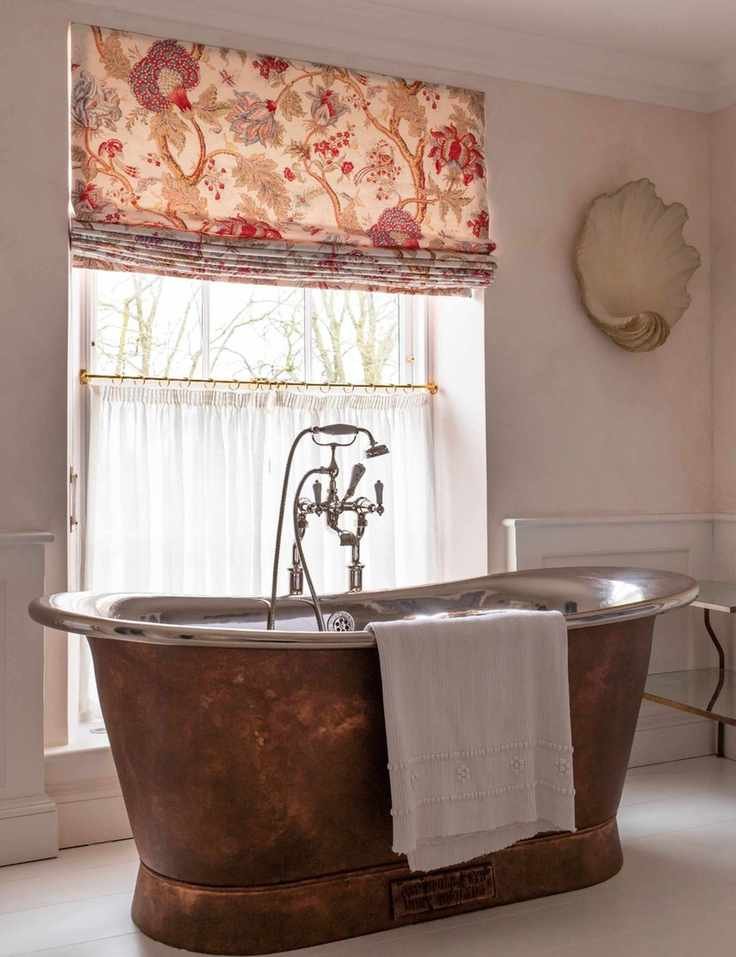
Tall windows can benefit from two treatments: a Roman shade on top and café curtains below.
The first combination I’m excited about revolves around the delightful café curtains. They bring a romantic, ‘cottagecore’ vibe that’s effortlessly charming. Positioned lower on the window, they leave room for creativity above.
That’s where the fun begins. Designer Everhem founder Haley Weidenbaum suggests pairing them with a Roman shade. ‘The combination of a delicate café curtain with a high-mounted Roman shade feels charming and plays with proportions nicely,’ she notes.
Haley emphasizes the contrast between the café curtain’s casual, European flair and the shade’s tailored look, resulting in a layered treatment that’s both refined and distinctive, offering privacy while allowing light to filter through.
2. Woven Shade + Full-Length Drapery

In the same color family, differing textures can create richness without heaviness.
While the first pairing focuses on proportions, this combination centers on texture – think of it as getting dressed with contrasting materials. Double-dressing shines here, emphasizing texture. Why settle for one when two can do more?
Eleanor Weaver shares, ‘We’re currently exploring a blend of woven or natural blinds with full-length drapery in a live project.’ This pairing aligns with the trend toward grounded, organic interiors, adding a sense of tranquility and modern ease to existing fabric curtains. ‘The tactile nature of woven blinds brings warmth, while the drapery adds scale and softness, framing the room beautifully,’ she explains.
3. Sheer + Solid Curtains

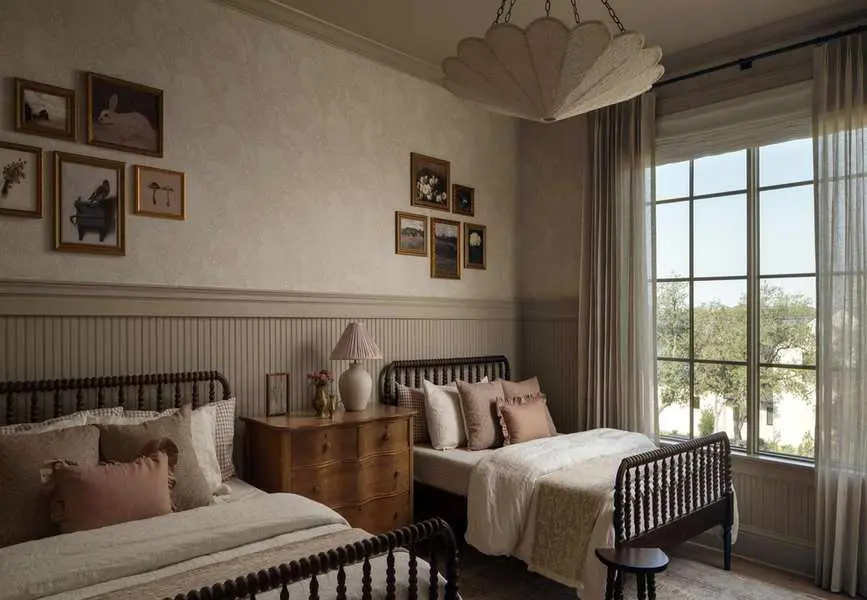
The best double-dressed windows this year are surprisingly light. A sheer layer provides privacy while allowing light to enter.
‘The finest double dressings typically involve two curtain layers – a sheer layer and a solid one, providing luxurious options for light and heat control,’ remarks curtain maker Pat Giddens.
A less obvious benefit is that this technique can prolong the lifespan of your window treatments. A sheer layer absorbs sun exposure, protecting more delicate fabrics from fading or fraying. Dark textiles or silk drapes, while stunning, can suffer without a sheer layer to shield them.
I plan to experiment with different combinations, like full-length with café or layering full-length options. Even sheer curtains can feature patterns. Why play it safe?
As anyone who’s layered too much at the first sign of fall knows, it can be tricky. It’s both an art and a science.
Proportions matter. A cropped style (like the café curtain) feels different from a floor-length piece (such as lightweight drapes), and their pairing can affect the overall aesthetic. ‘Factors like mounting height, curtain length, fullness, and alignment may seem minor, but they significantly influence the effect,’ says Eleanor Weaver.
Like any great outfit, a clear focal point is essential. ‘A common mistake is not establishing a hierarchy,’ Eleanor warns. ‘Without a thoughtful relationship between layers, they compete instead of complementing. Each element should have a distinct role – one for function, the other for decoration – and this intention must be clear from the start.’ ‘That clarity is key to achieving the “it” factor in double or triple dressings,’ she adds.
When it works, it truly shines. When it doesn’t, you might feel like you dressed your window in the dark.