Every deck owner eventually encounters the issue of green mold and mildew. If left untreated, not only does it make your outdoor area look unattractive, but it can also create slippery surfaces and potentially harm the deck's structure.
Green algae and mildew often form when moisture becomes trapped in the wood. Regular yearly maintenance is crucial, especially since this problem tends to worsen in winter and in shaded areas during the summer. If you're constructing or staining a deck, understanding how to combat green mold is vital.
Removing Green Mold from Your Wood Deck
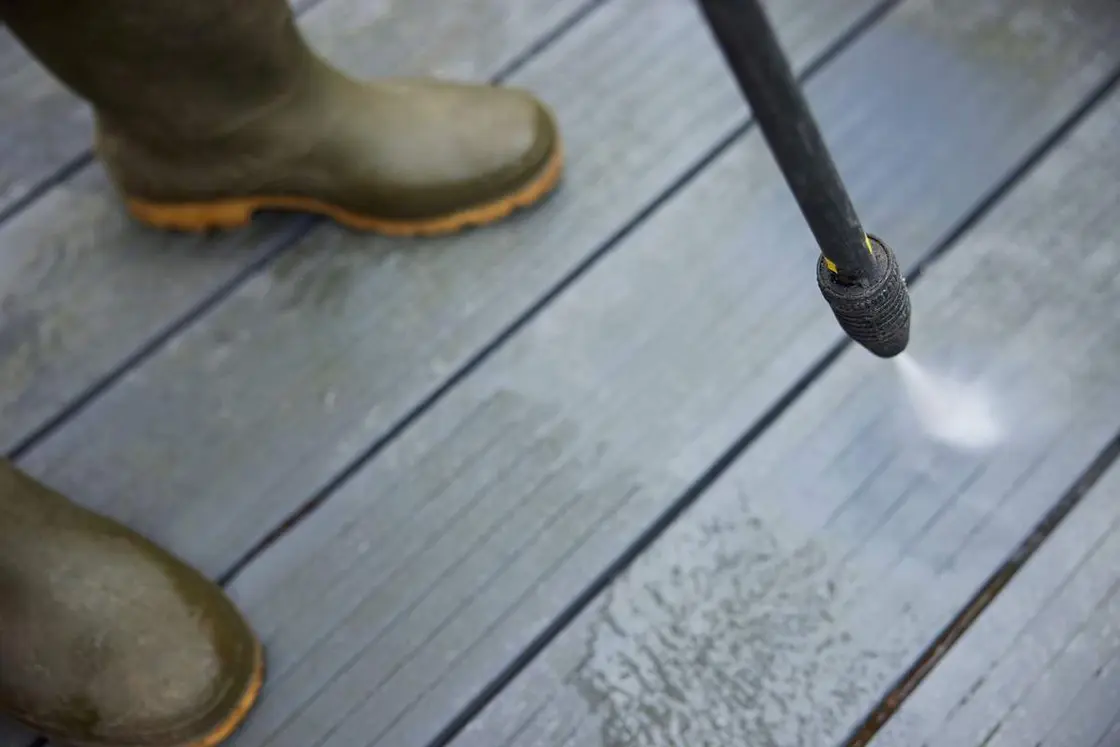
To tackle green mold, start by brushing your deck with a stiff broom. A pressure washer is an excellent tool for removing dirt and algae, restoring the wood's original appearance. Aim to use it at least once a year.
When using a pressure washer, ensure the nozzle stays at least six inches from the deck to prevent damage to the wood fibers, which could lead to rot. Always set the pressure washer to a wide spray pattern.
Consider using a biodegradable wood cleaner to effectively eliminate algae and stains without harming the deck. This cleaner is easy to apply with a brush and rinses off with water, and it only needs to be reapplied every few months.
Another preventive measure against algae buildup is to replace aging boards with anti-slip decking. This type of material is less likely to encourage algae growth.
Why Is My Deck Turning Green?
Wood is a prime target for algae because it retains moisture, allowing it to stay damp long after rain. If cleaning measures are not taken regularly, your deck may develop a green hue and slimy texture.
Consequences of Algae Buildup on Your Deck
If algae proliferate, it can lead to splintering wood and compromise the deck's integrity, resulting in costly repairs. To combat this, apply preservatives and stains.
Using a wood reviver can help restore your deck. Treat any cut ends, holes, or notches in pressure-treated softwood with an end-grain preservative.
Experts suggest both softwood and hardwood can be treated with oil to prevent natural weathering and fading to a silver-gray color. Oils and stains enhance the wood's appearance and simplify future cleaning.
How to Eliminate Green Stains on Decking?
A mixture of one cup of white distilled vinegar and a gallon of lukewarm water can effectively treat early signs of green mold. This natural cleaner protects against algae growth.
After pressure washing, apply the vinegar solution and let it sit for five minutes before rinsing thoroughly with a microfiber cloth. Following this, consider using a deck stain for added protection.
Can You Paint Over Algae on Decking?
While you can paint over algae, this approach will yield a subpar finish, merely masking the problem temporarily. Algae will continue to grow beneath the paint, necessitating removal.