
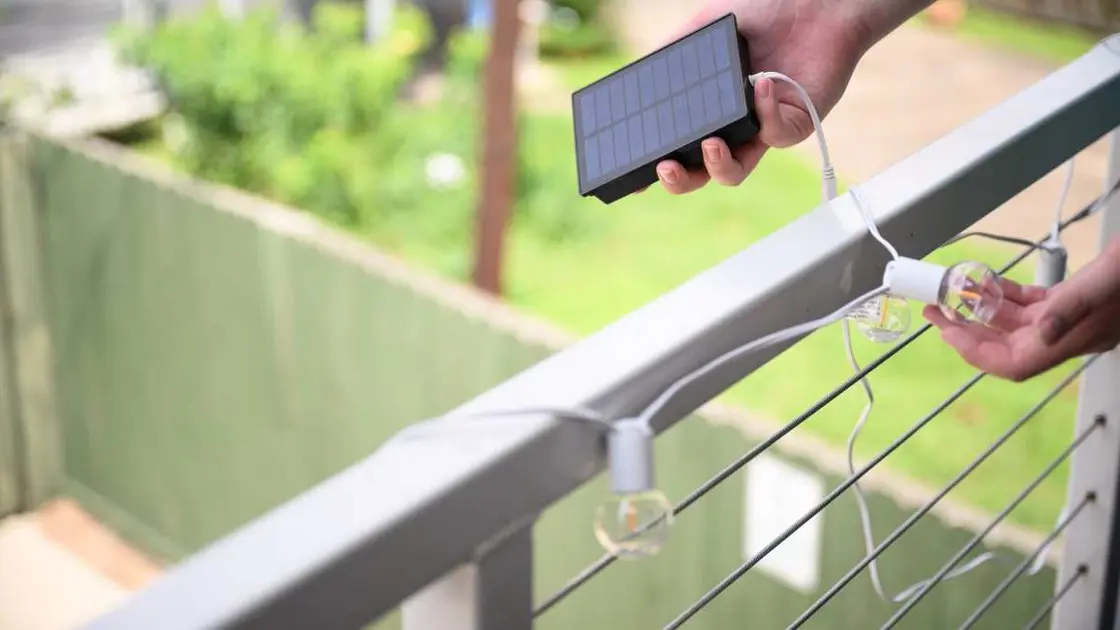
This summer, solar lights have become highly popular, thanks to advancements that make them brighter, more user-friendly, and budget-friendly compared to conventional landscape lighting.
Despite their growing popularity, some professionals hold a skeptical view of solar lights, often deeming them dim and unreliable. However, the key to their effectiveness lies primarily in proper placement. Even the finest festoon lights won't shine bright if positioned incorrectly.
Having tested numerous solar light sets, I've honed my skills on their placement. I also consulted a solar expert to gather valuable insights on the ideal positioning of solar panels.
1. Ensure Solar Panels Get Direct Sunlight
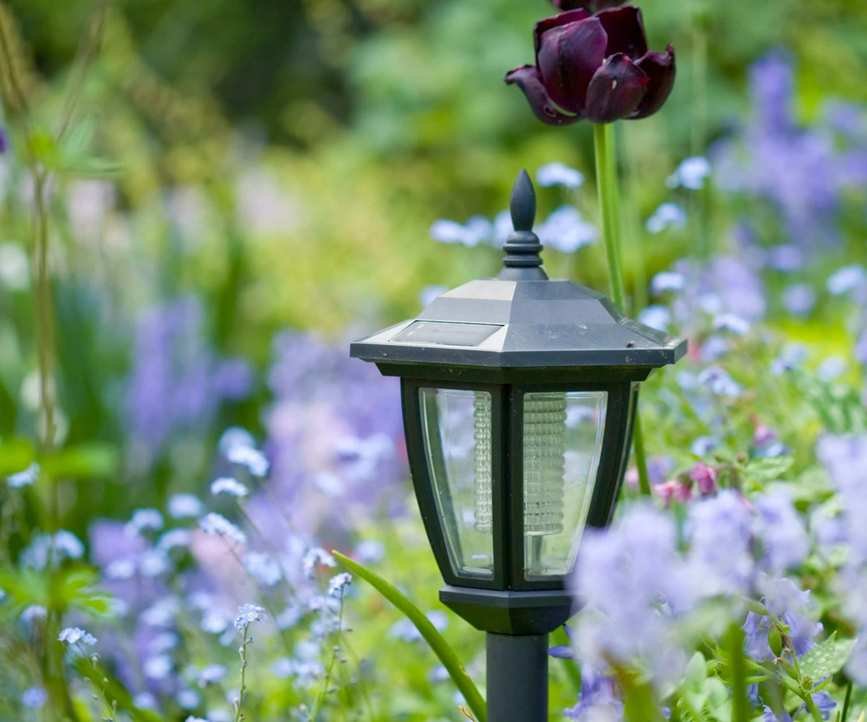
While it may seem obvious, the primary rule is to position the solar panel in a sunlit area. Identifying the brightest section of your garden can be tricky.
A flowerbed that appears sunny in the morning might be completely shaded by afternoon, which can hinder your lights from functioning properly.
In some cases, you may need a workaround. Expert Andrei Marveaux suggests using a remote solar panel connected to the lights for optimal sunlight exposure.
It's easy to find solar lights with extended cables between the panel and the light - for instance, I previously tested the T-SUN spotlights available on Amazon, featuring a 9ft cable between the panel and the bulb.
Andrei MarveauxAndrei serves as Managing Director at SolarTech Solutions, holding an engineering degree and over seven years of experience in the solar field.
2. Always Orient Solar Lights Towards the South
In the northern hemisphere, it's crucial to orient solar panels southward. The sun's trajectory moves from east to west, particularly lower in the sky during winter.
If your solar panel faces north, it will be less effective, leading to dim lights or failure to turn on at dusk. A south-facing solar panel is ideal.
However, if your garden layout restricts this, Andrei advises that positioning them east or west can also work. The priority is maximizing direct sunlight exposure for efficient charging throughout the day.
3. Position Path Lights Based on Their Height
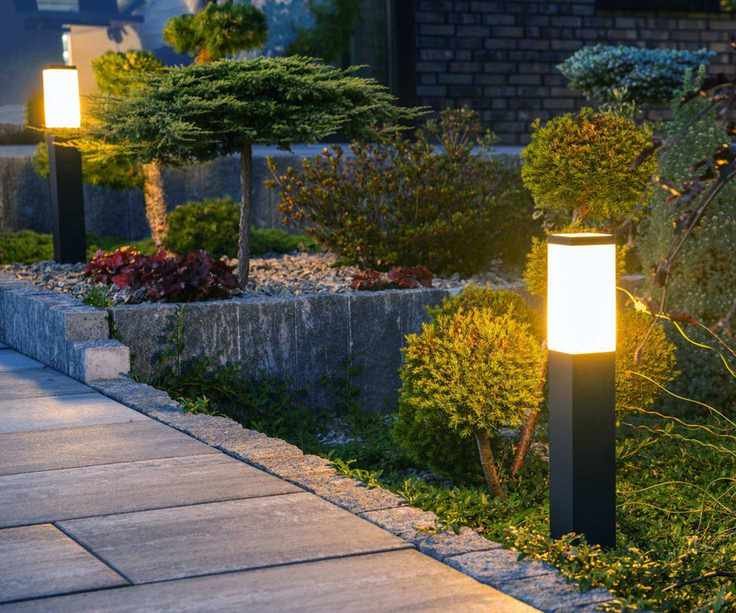
For path illumination, a great tip is to set lights back according to their height. Lighting expert Nels Peterson recommends that if you use 1-foot tall solar path lights, they should be positioned one foot from the path. This technique ensures adequate brightness without drawing attention away from the path itself.
Path lights serve more than just walkways; they're excellent for adding subtle lighting in flowerbeds. Unlike solar spotlights that can overpower plants, path lights offer a gentle glow without overshadowing the foliage.
Solar path lights can often be dim, but some models, like the Bobcat Solar Pathway Lights, shine at 300 lumens for clear visibility on dark paths.
For an upscale look, consider the Enchanted Spaces Solar Path Lights. These sturdy aluminum lights not only resemble high-end landscape lighting but also maintain illumination throughout the night, with one reviewer noting they lasted well past sunrise.
If you're lighting a driveway or deck stairs, the Volisun Solar Driveway Lights are a robust choice. This 16-pack can withstand up to ten tons and is rated IP67 for heavy rain resistance.
4. Use String Solar Lights for Ambiance
Though often marketed for extensive illumination, string lights are best suited for creating a cozy atmosphere rather than serving as main overhead lights.
Andrei Marveaux advises suspending them along fences, pergolas, or trees to create an inviting glow. They can also be draped over outdoor dining areas to enhance evenings.
For greater brightness in a specific area, opt for festoon lights instead of standard string lights. Festoon lights should offer at least 300 lumens, ideally in the 2700-3000 kelvin range.
My go-to string lights are these solar options that have proven durable through seasons of varied weather, providing a calming glow between traditional festoon and fairy lights.
For excellent value, check out the Kolpop Solar Fairy Lights. Their replaceable batteries are a standout feature, addressing the common issue of solar light battery failures.
Brightech's Ambience Solar String Lights have received rave reviews, with many users praising their resilience against harsh conditions.
5. Position Security Lights High Up
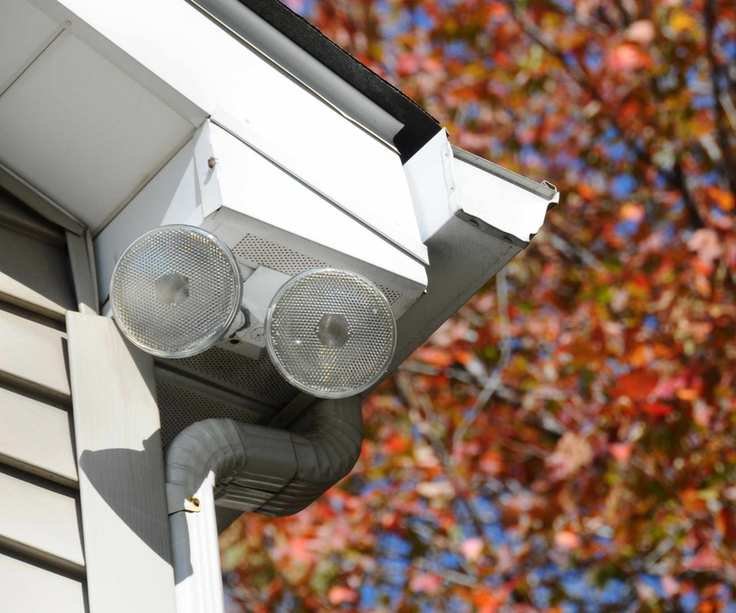
The essential rule for solar security lights is to mount them as high as possible. This allows for broader illumination coverage.
Additionally, higher placement deters potential tampering. However, ensure the motion detector is aimed at areas where intruders might pass to activate the light.
Andrei suggests mounting them high to cover larger areas while keeping them low enough for effective motion detection, including dark corners of your property to eliminate blind spots.
Jackyled Solar Lights are impressively bright, with the advantage of a long cable between the solar panel and light, allowing you to maintain sun exposure while positioning the light where needed.
For securing areas like garages or porches, Tuffenough Solar Outdoor Lights offer practical features, including three lighting modes and an IP65 weatherproof rating.
For a straightforward solution, the Peasaur Solar Motion Sensor Security Lights are budget-friendly and ideal for various outdoor spaces.
6. Keep Spotlights Positioned Low
For uplighting trees, solar spotlights are essential. They should be placed low to the ground, ideally positioned far from the trees—some experts recommend up to 18 feet away, depending on the light's strength and tree height.
This positioning prevents a harsh spotlight effect on one area while leaving the rest in darkness, resulting in a more balanced lighting effect.
Among the few recommended for tree uplighting, Nymphy Solar Lights feature an impressive IP68 water-resistant rating and emit 400 lumens for effective illumination.
The T-Sunus Solar Spotlight is another solid choice, still performing well after years of use, despite its somewhat basic plastic appearance.
For added flair, check out XTGTP Solar Color Spot Lights. These can change colors, perfect for setting various moods, especially during holidays. Plus, their independent solar panel and light positioning offer flexibility for optimal sunlight exposure.
FAQs
Can I Use Solar Lights Indoors?
Solar lights can be used indoors, although practicality can be an issue. If you have a sunlit spot in your home, you can place a solar panel there to power the lights, though such locations are rare.
Once your solar lights are in place, adjusting the solar panel angle is crucial for optimal performance. It's generally best to position it at an angle between 20-50° depending on your light setup and solar panel location.



