
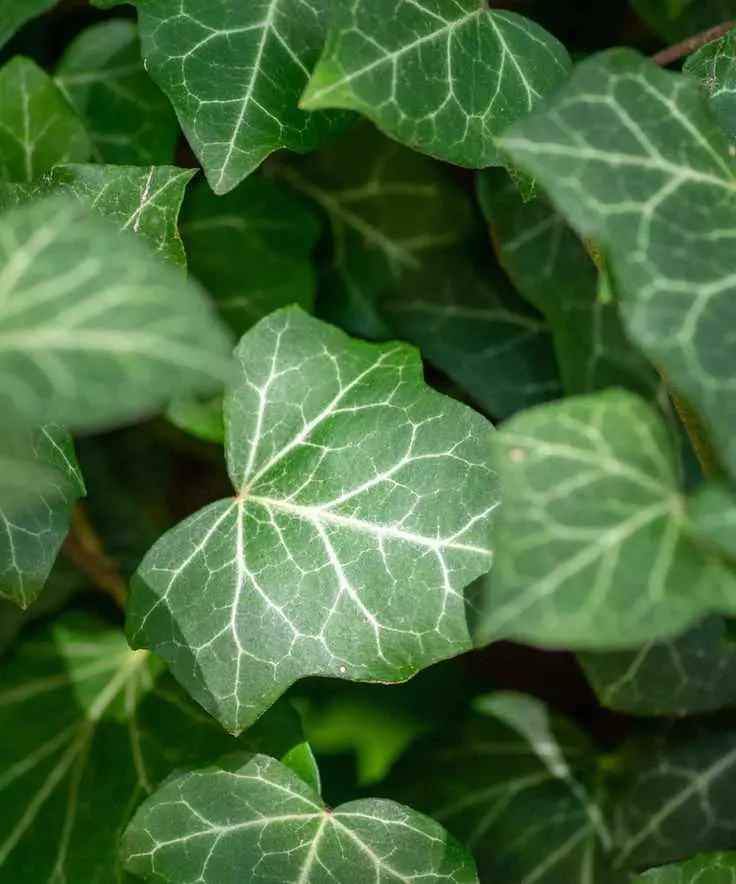
When tackling ivy in your garden, a natural approach often proves most effective. While chemical weed killers may be tempting, a gentler solution could be waiting in your kitchen.
If you're aiming to eliminate ivy (the non-toxic variety) or even remove poison ivy, apple cider vinegar is a fantastic option. This expert-recommended method is perfect for managing this invasive species, and it's also effective on ivy growing on fences.
Ivy tends to thrive in spring when its leaves may show up in hues of red or green. If you're facing an ivy challenge, this natural remedy could be just what you need.
Using Apple Cider Vinegar to Control Ivy
Garden expert Jeremy Yamaguchi shares, "I've experimented with various DIY methods to eliminate ivy, but the most successful has been a mix of apple cider vinegar, dish soap, and salt." For this solution, combine one gallon of apple cider vinegar, one ounce of dish soap, and one tablespoon of salt.
1. Prepare for Ivy Removal
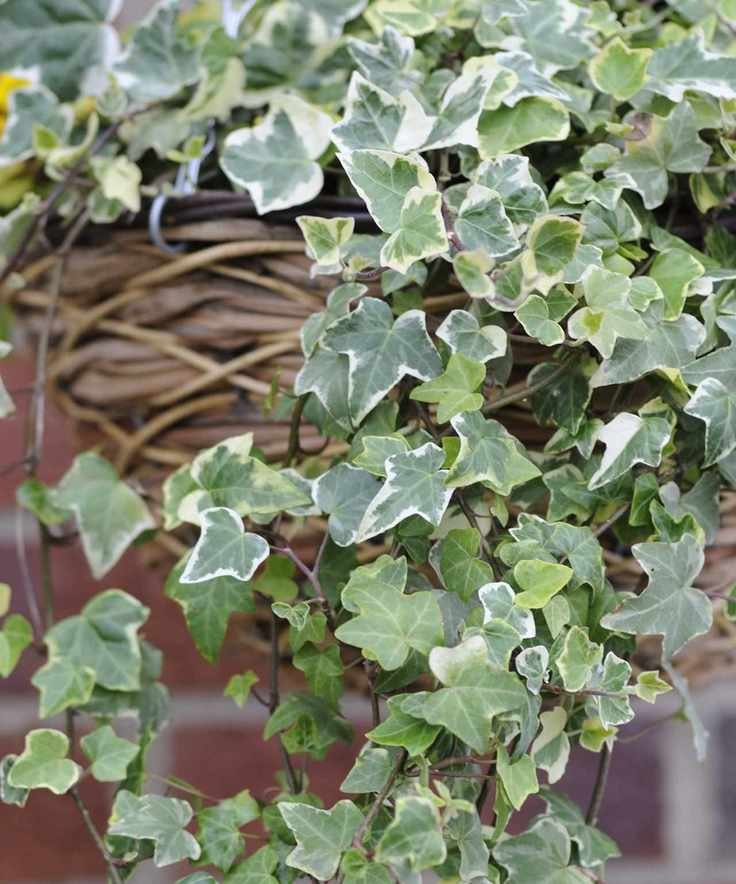
Before you start using apple cider vinegar to tackle ivy, preparation is key. Ivy can cause skin irritation. Poison ivy can lead to severe reactions, including swelling and itching. Edward Jones, founder of HomeCareHow, advises wearing long sleeves, long pants, boots, and rubber gardening gloves (like these available here).
2. Apply the Vinegar Mixture
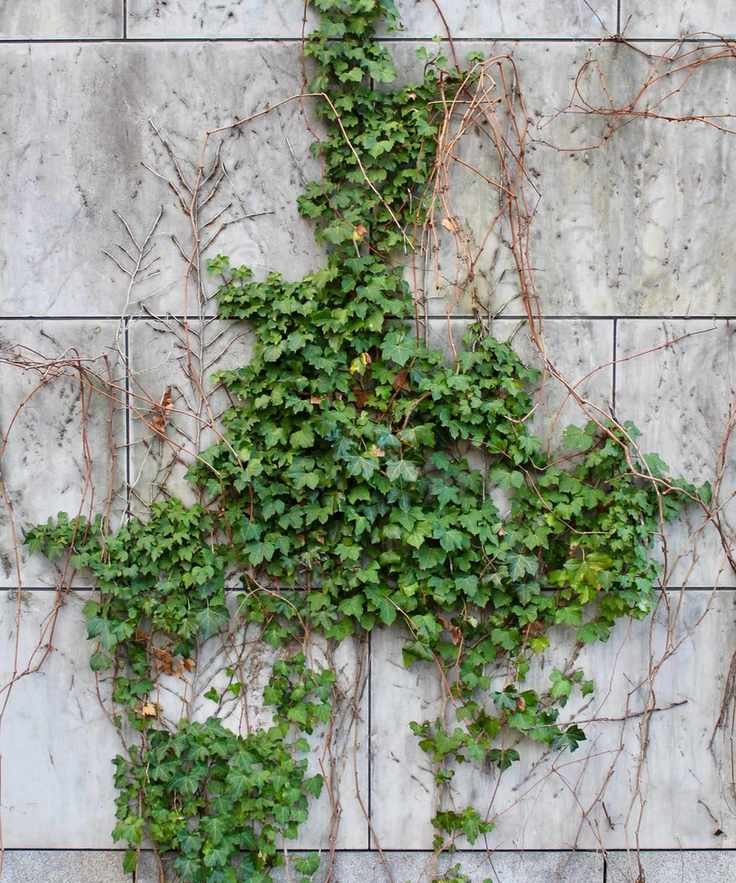
Experts advise filling a spray bottle with your mixture (apple cider vinegar, dish soap, and salt) and thoroughly spraying the ivy plants.
Jeremy notes, "The vinegar and salt are the most aggressive components against the ivy, while the soap enhances the vinegar's action."
Let the solution remain on the ivy for at least five days, then check its effectiveness.
3. Remove the Dead Ivy

Once the ivy is dead, use pruning shears and a garden saw to dispose of it safely. For ivy clinging tightly to surfaces, a scraper can be useful. If some leaves persist, repeat the process until all ivy is eliminated.
How to Achieve Permanent Ivy Removal
For lasting ivy control:
- Wait for a few dry days, then apply the vinegar solution to the leaves.
- Allow the mix to work for five days.
- Carefully detach the dead ivy from surfaces and discard it in the trash, not compost.
- If roots are left, treat them with herbicide or a mix of one part white vinegar to four parts water.
- Regularly check the area for any new growth and manage it as needed.
How to Kill Ivy Roots
If digging out roots isn't possible, use herbicide or a mixture of one part white vinegar to four parts water to kill them.



