
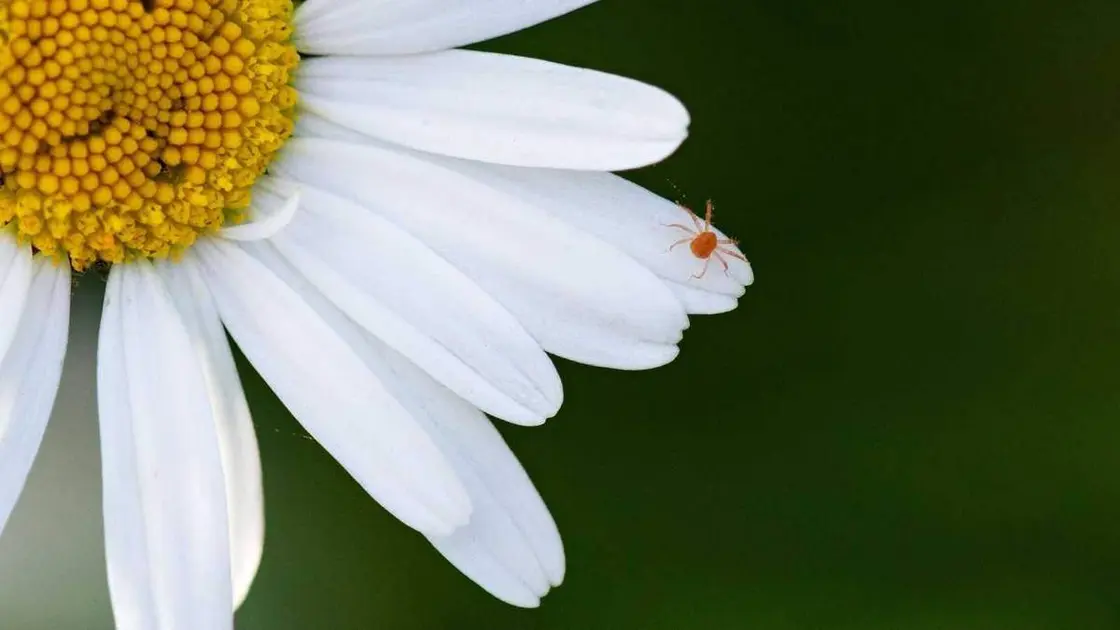
Spider mites are tiny pests that thrive by feeding on the sap of various plants, causing mottled leaves and potential leaf loss. So, how can you effectively eliminate spider mites? And what steps can you take to prevent future infestations?
If you're looking for reliable methods to keep these pests at bay, knowing how to remove spider mites is essential. As temperatures rise, they can become an issue for houseplants too. Mastering the techniques to get rid of spider mites indoors and outdoors can mean the difference between a flourishing garden and a plant graveyard.
We consulted an expert to share insights on how to eliminate spider mites, identify infestations, and protect your plants from these nuisances.
Removing Spider Mites
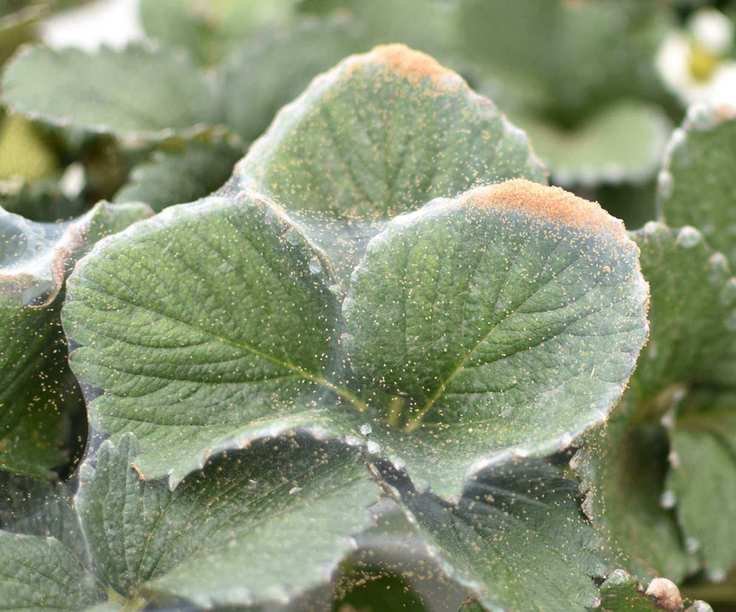
While chemical pesticides are an option, there are numerous natural methods to combat these pests. You can even create homemade bug sprays to safeguard your plants from various infestations.
'At our flower farm, we rely on biological agents – natural predators that act faster than spider mites and can eradicate them before significant harm occurs,' says an expert. 'In gardens, trim any infested areas or remove the entire plant if necessary to control an outbreak.'
To prepare a spray that targets spider mites, combine three tablespoons of dish soap with one gallon of water and apply it generously to affected plants weekly until the issue is resolved. Alternatively, soak cotton balls in rubbing alcohol and wipe the leaves. This technique is particularly effective for indoor plants. Allow the alcohol to remain on the leaves for about an hour, then rinse thoroughly and dry.
'In addition to organic insecticides, introducing ladybugs and lacewings to your garden can help eliminate infestations,' the expert advises.
Identifying an Infestation
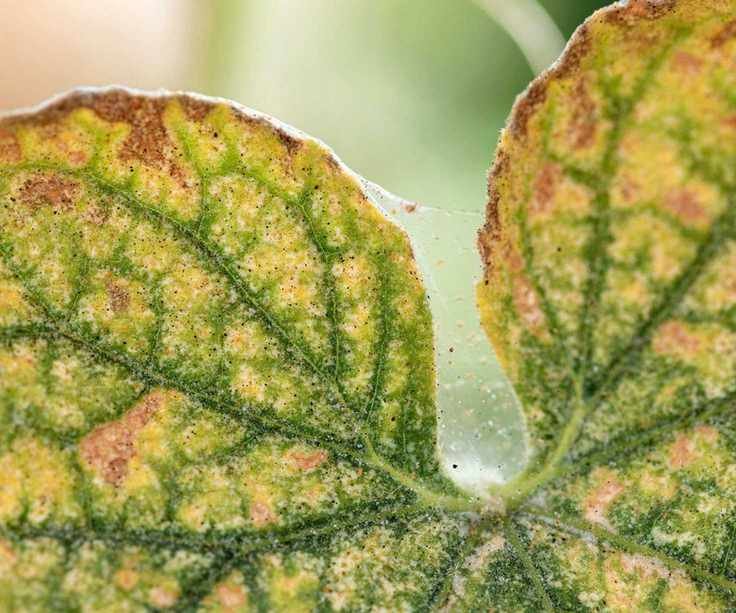
Detecting a spider mite infestation early can prevent extensive damage to your plants.
'Recent weather has created ideal conditions for spider mites. Anything over 68°F tends to attract them, so keep a close watch on plants in warmer weather. Look for tiny white or yellow spots on leaves, which are usually the first signs, followed by webs that can lead to plant death,' the expert notes.
'Spider mites are drawn to many flowers and plants, but keep an eye out for spots on roses and hydrangeas particularly.'
Preventing Spider Mites

Prevention is the most effective strategy against pest infestations. While it may not be entirely possible to avoid spider mites, taking proactive measures can significantly lower the risk.
'Beneficial insects like ladybugs and lacewings can be your allies!' the expert emphasizes. 'Ladybugs can consume up to 100 spider mite eggs daily, so protect them.'
Companion planting is also a smart way to deter infestations and enhance overall plant health. 'Planting dill and fennel can attract ladybugs and lacewings, providing natural pest control if spider mites strike,' the expert suggests. Additionally, consider incorporating trap plants, which can divert agricultural pests away from your prized plants and vegetable garden ideas.
'Ensure your plants receive adequate moisture, as drought can make them more vulnerable to spider mite attacks. Also, regularly remove dust from leaves and branches.'
Impact of Spider Mites on Plants
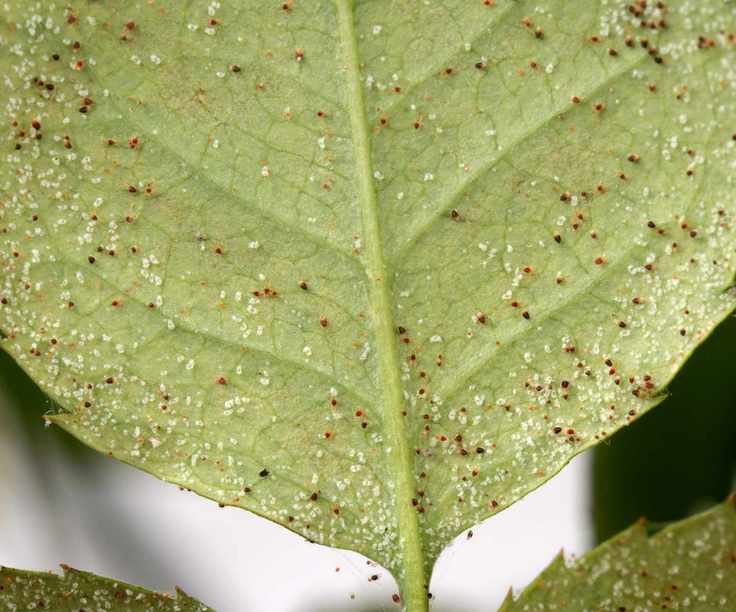
'Spider mites reproduce at alarming rates,' warns the expert. 'A single female can lay around 100 eggs in just three weeks, potentially devastating a plant.
'They inhabit the undersides of leaves, piercing them to extract fluids, depriving the plant of essential nutrients.
'These feeding marks appear as white and yellow spots, which can eventually lead to leaf drop. It's crucial to act swiftly upon spotting these signs, especially as temperatures rise.'
Can Plants Recover from Spider Mites?
Yes, a plant can bounce back from spider mite damage with proper care and time. After trimming infested sections and treating the area with insecticidal soap, allow your plant to recuperate, and it can return to its healthy state.
Preventing future infestations is essential, especially while your plant is recovering.



