
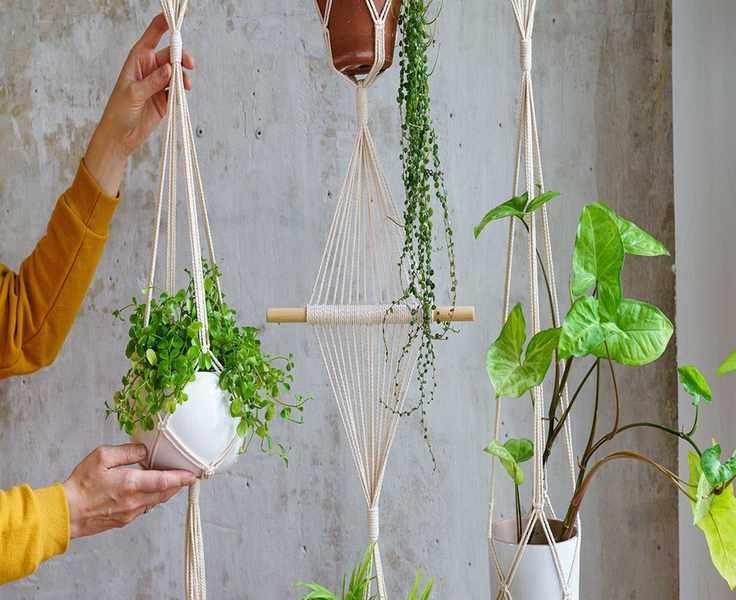
Q: I have several trailing houseplants currently placed on shelves and tables in my apartment. I'd like to showcase them differently by hanging them from the ceiling. Any suggestions?
A: Hanging your plants can significantly enhance your decor. It not only fills empty overhead areas but also creates a stunning visual appeal. Plus, it allows room for additional plants that thrive at lower heights.
Moreover, suspending plants can improve their growing environment by providing more space to expand and access to increased light. Just remember to keep up with their watering needs.
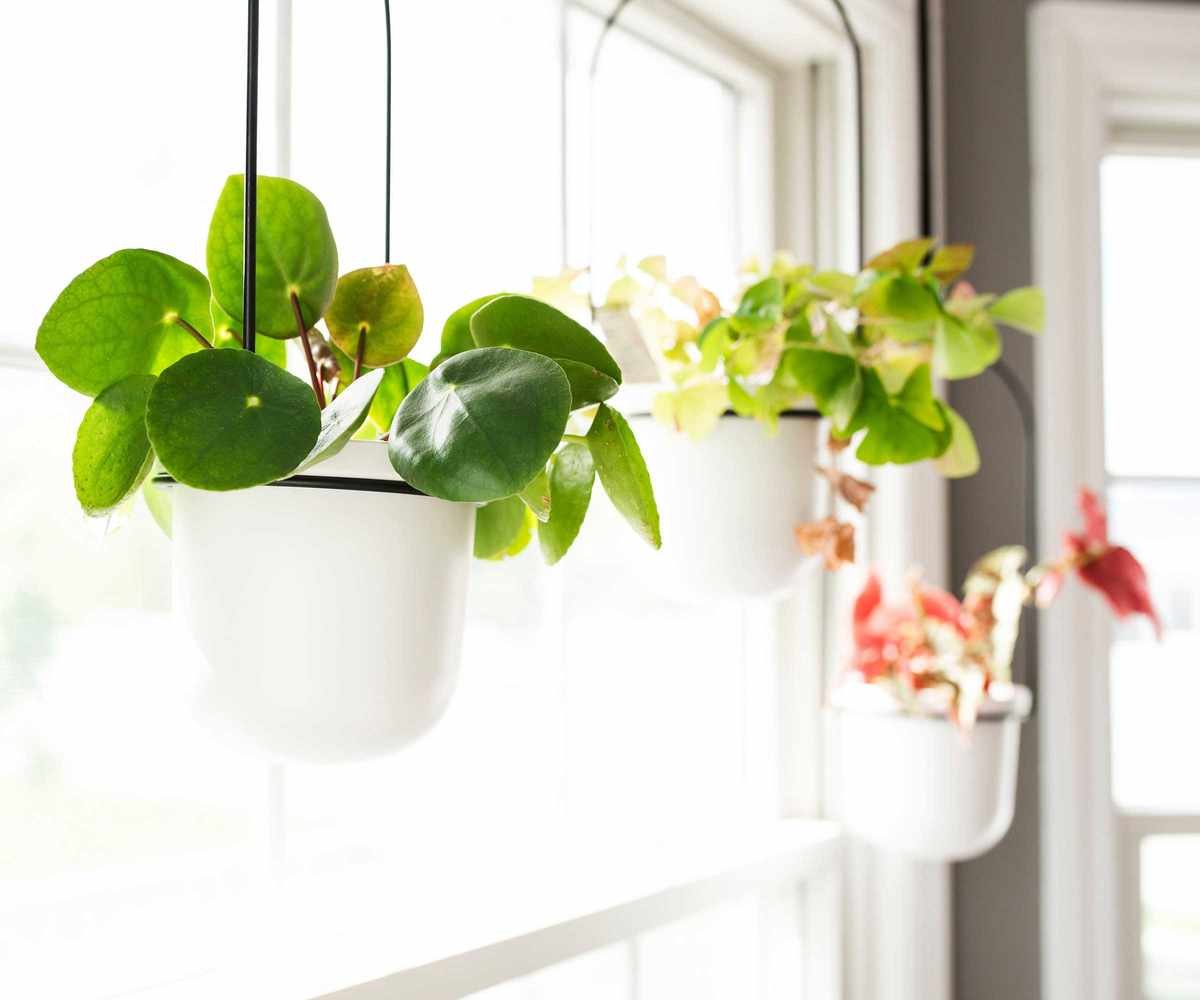
Hanging plants beautifully enhance window areas
3 Creative Ways to Hang Houseplants
Explore these indoor gardening concepts to elevate your interior design.
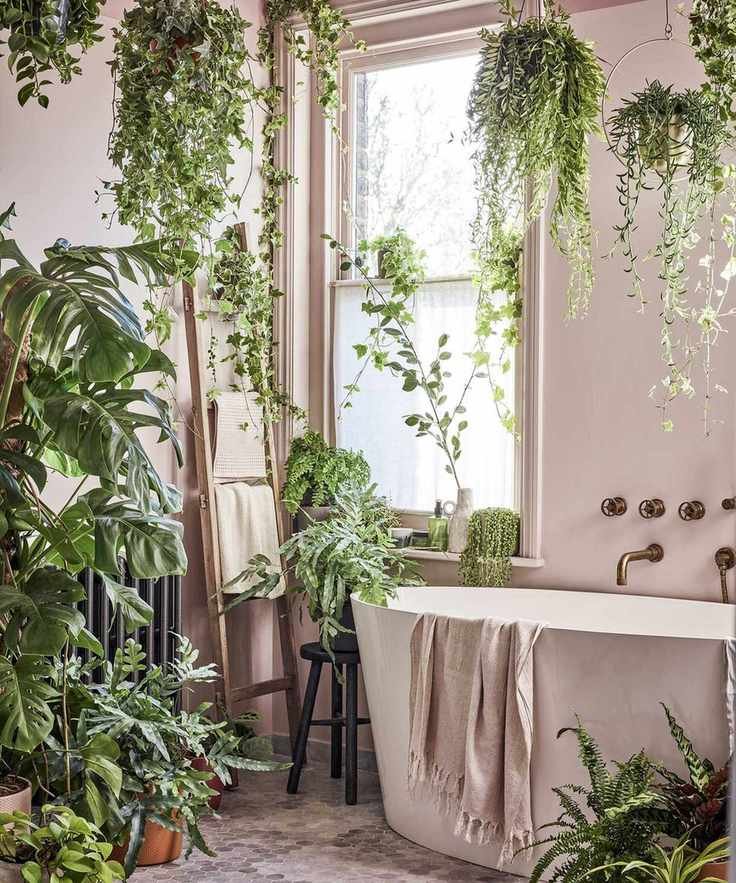
Arranging plants at various heights creates a striking effect in this bathroom
1. Choose a Hanging Planter
No matter your style preference, there's a hanging planter to match.
This ceramic planter from Terrain is great for smaller plants. For larger options, consider these sphere hanging baskets, also from Terrain, which can be filled with a mix of trailing plants. Kokedamas are another innovative choice.
Some planters come with sturdy ropes; alternatively, you can opt for a macrame plant hanger from The Sill to add a bohemian touch to your decor. Pair it with an appropriately sized pot.
Make sure you have a secure method to suspend your planter.
"Using a ceiling hook is an easy way to hang your plant, available at most hardware stores or online," advises plant expert Paris Lalicata. You can install it with or without joists, given you have the right hardware, like toggle bolts (for drywall).
Get inventive by using other items for hanging plants, such as preserved branches or small decorative ladders.
Always prioritize safety when installing plants high up, and seek professional help if necessary.
Tip: Avoid positioning heavy planters directly above seating areas or high-traffic spots to prevent accidents.

2. Utilize Additional Hooks for Trailing Stems
I have a hanging pothos in my kitchen, and this summer, one of its stems grew so long that it reached the cabinet below. I placed a transparent Command hook from Amazon to guide the stem horizontally, wrapping it around a corner. It was a quick task that required no tools.
The result is visually striking, and the plant continues to thrive. If necessary, I can easily add more hooks to support the growing stems.
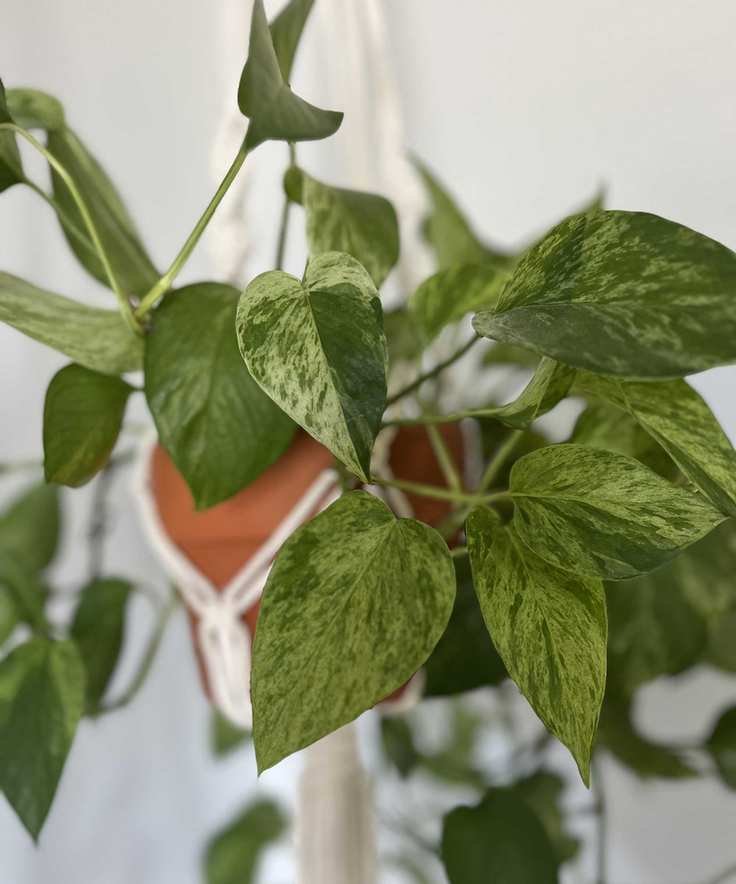
Pothos can be trained to grow along walls
3. Consider Tension Rods
Tension rods are trending for holiday decoration, but they can also be a stylish way to showcase trailing plants in archways and alcoves throughout the year.
Ensure the rod suits your space and can support your plant's weight. It's wise to stick with lightweight planters and maintain balance across the rod.
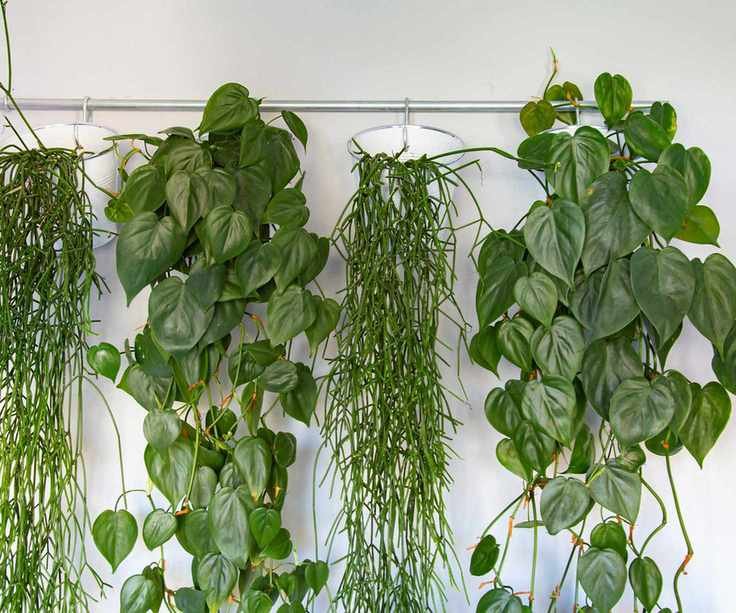
Use a tension rod for a row of hanging plants
Common Questions
Which Plants Are Ideal for Ceiling Hanging?
According to Paris Lalicata, "Any plant can be hung, but trailing varieties are traditionally favored for their cascading effect from above." This includes pothos, philodendrons, tradescantia, maranta, and hoya.
Large hanging spider plants with plantlets also create stunning displays. Boston ferns can make a significant impact, especially when they're sizable.
Ensure your chosen plants have the right light conditions. Pothos, for example, thrives in shade, while a hanging bougainvillea needs a bright window.

How Should Care for Hanging Plants Be Managed?
Hanging plants need their regular care. Keep them away from heating vents since extreme heat can harm them.
Even though they might be trickier to reach, don't neglect their watering and misting needs. If your containers have drainage holes, water may drip after watering, potentially damaging surfaces below.
You can place a container underneath to catch drips (that's my go-to), or temporarily place the plants in the sink or shower until they drain completely. Macrame hangers allow for saucers to catch excess water, as noted by plant experts.
Rotate your plants regularly to encourage balanced growth as they tend to lean towards light sources.
Using your ceiling creatively to display plants is a fantastic way to enhance your home's ambiance. It instantly adds a touch of nature, whether in your bathroom, bedroom, or kitchen.



