
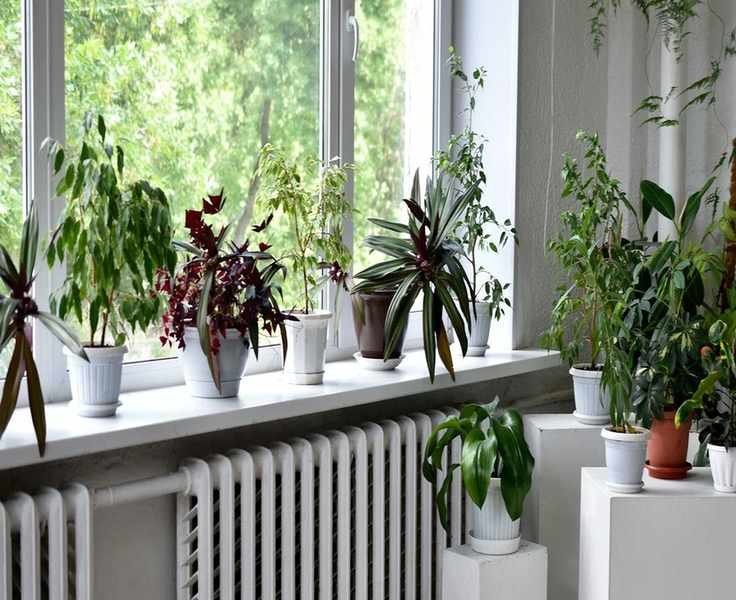
Q: As winter draws near, we'll be turning on central heating to keep our homes cozy. Will this harm my houseplants? I've added many new ones this year, and they're thriving, so I'd hate to see them damaged.
A: There are key considerations for winter houseplant care. Maintaining a stable temperature around them is vital. Both hot and cold drafts can be detrimental.
Although many houseplants originate from warm climates, increasing the heat indoors can lead to issues. The primary concern is the drop in humidity; central heating dries out the air, stressing your plants. Excessive heat can also scorch their leaves.
Fortunately, you can take steps to mitigate the impact of central heating without sacrificing your comfort.
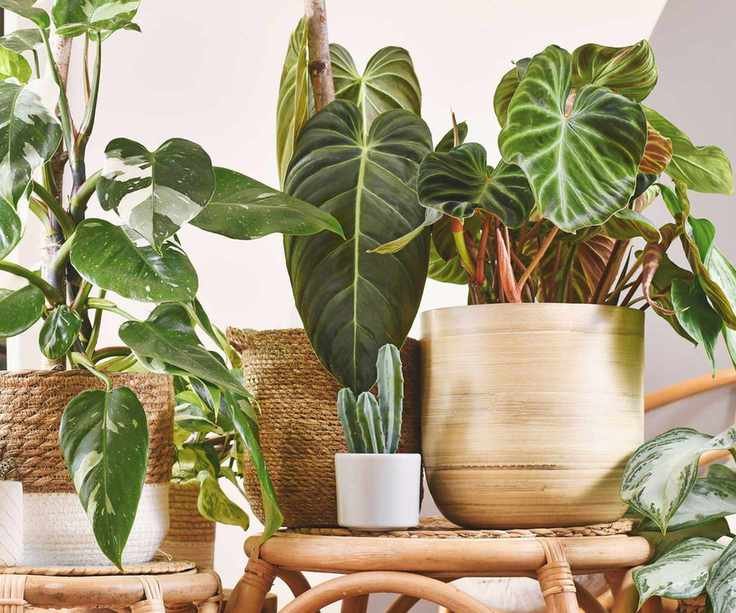
Houseplants may reduce growth in winter, yet they still require care
Safeguarding Your Plants from Indoor Heating
Regardless of how many plants you own, these strategies will keep them healthy when temperatures drop.
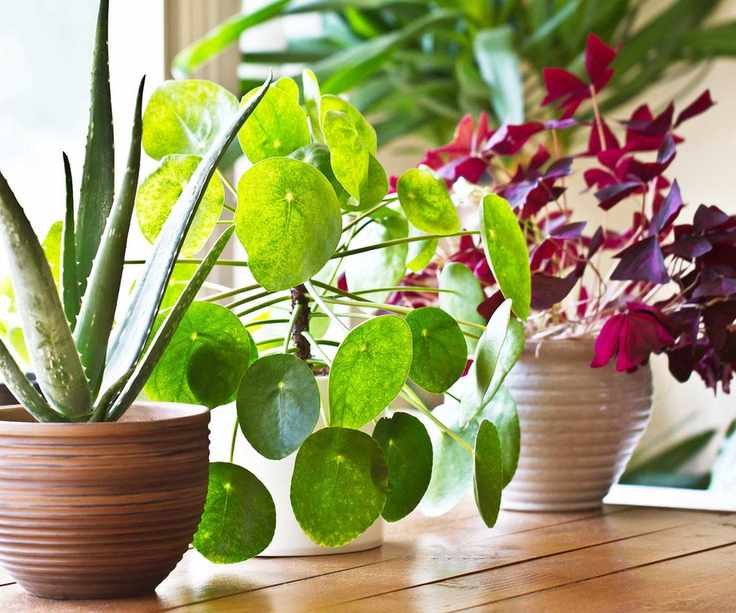
Be mindful of significant temperature shifts near your plants
Protecting Houseplants from Underfloor Heating
While underfloor heating can feel indulgent on chilly mornings, it may overheat your plants' roots, causing stress. Additionally, if the floor becomes very cold when the heating is off, it can shock your plants.
One solution is to elevate your plants—placing them on a shelf or table. You might also consider a hanging planter (this chic fiber-stone option from Anthropologie is a stylish choice), suspended from a sturdy hook. Plant stands, like this three-legged design from Terrain, offer another fashionable solution.
If your plants are too large to elevate, consider using a thick cork mat to insulate them from the cold floor.

This macramé hanging planter provides a stylish touch while protecting a pothos from underfloor heating
Protecting Houseplants from Fireplaces and Radiators
A warm fire is delightful during cold evenings, but nearby plants can suffer from the intense heat.
Similarly, plants positioned near radiators are at risk. I once kept several spider plants on a radiator cover, and they became brown and limp, leading to their unfortunate disposal.
To prevent this, keep your plants well away from these heat sources. If you can feel warmth with your hand, they're too close.
Humidity is also essential. Regularly misting your plants can help (consider this dotted glass mister from Terrain for a stylish option). Other methods can also maintain a suitable environment.
Kayla Gajdascz, co-founder of Mental Houseplants, advises grouping plants to create a humid microenvironment. She also recommends using a humidifier: 'This is particularly useful in rooms with several plants.'
This compact, adjustable cool-mist humidifier from Rosekm available on Amazon is a popular choice.

Kayla Gajdascz is the co-founder and president of Mental Houseplants, a company focused on promoting the positive effects of plants on mental health. They partner with NAMI, donating a portion of sales to support mental health initiatives.
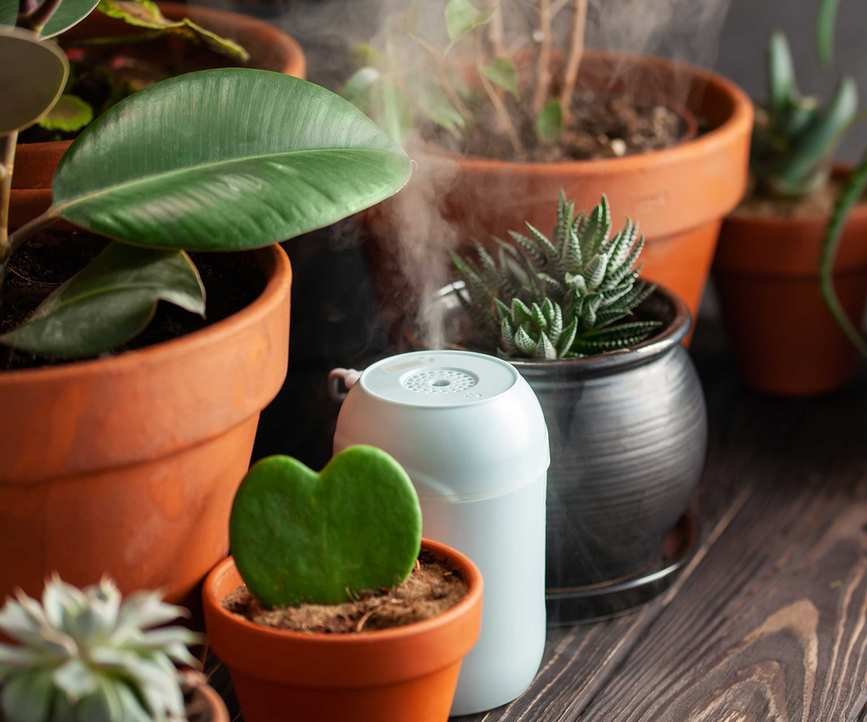
A humidifier enhances the environment around your plants
Alternatively, Kayla suggests placing a tray filled with water and pebbles beneath your pots. 'As the water evaporates, it boosts humidity around the plants. Make sure the pots sit on the pebbles, not in the water to avoid root rot,' she explains.
'If your budget allows, an indoor greenhouse can effectively prevent drafts and maintain humidity,' she adds. 'It keeps moisture in and hot air out.'
Additionally, if feasible, relocate your plants to areas with higher humidity, such as the bathroom or kitchen. Just ensure these spaces provide adequate light for growth.
Proper watering is also vital for houseplant health. With central heating, houseplants may lose moisture more quickly, necessitating more frequent watering. However, avoid oversaturating the soil, which can harm your plants. 'Check the soil with your fingers or a chopstick and adjust your watering frequency as needed,' advises Vladan.

Vladan Nikolic, known as Mr. Houseplant, is a houseplant expert with over a decade of experience. He runs the blog MrHouseplant.com and assists newcomers in becoming successful plant parents.
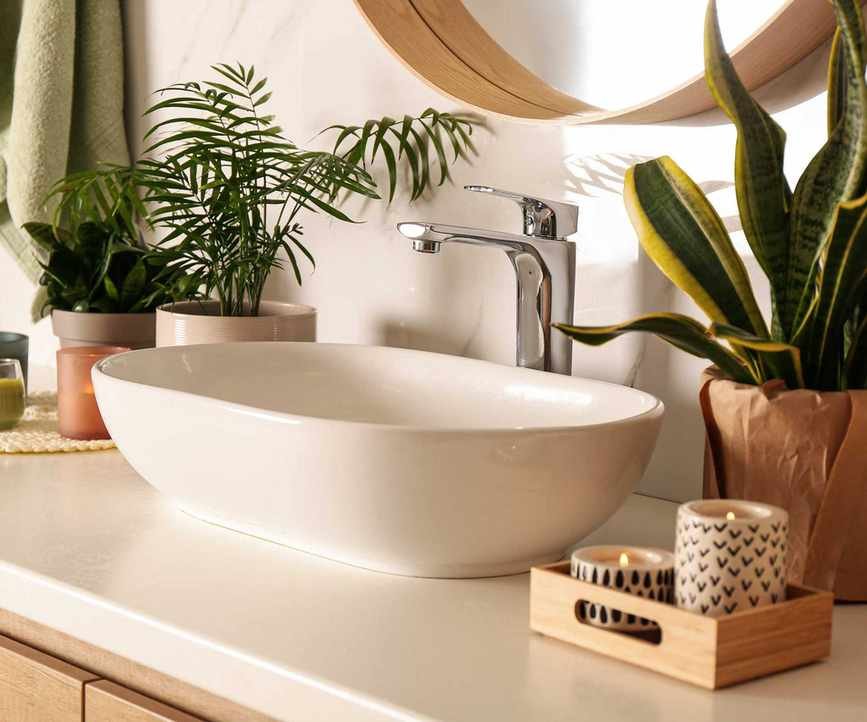
Bathrooms tend to be among the most humid areas in a home
Protecting Houseplants from Air Conditioning
Air conditioning can be a blessing, keeping homes comfortable in summer and winter. However, it can also harm houseplants, whether set to cool or warm, as noted by Autumn Hilliard-Knapp, a plant specialist from Perfect Plants Nursery.
Air conditioning can dehydrate plants and subject them to temperature swings. To mitigate this, position plants away from vents, maintain humidity levels, and adjust your watering schedule.
Check the optimal temperature for your plants and adjust the thermostat accordingly. Most tropical plants thrive at 70 to 80°F during the day and 65 to 70°F at night.
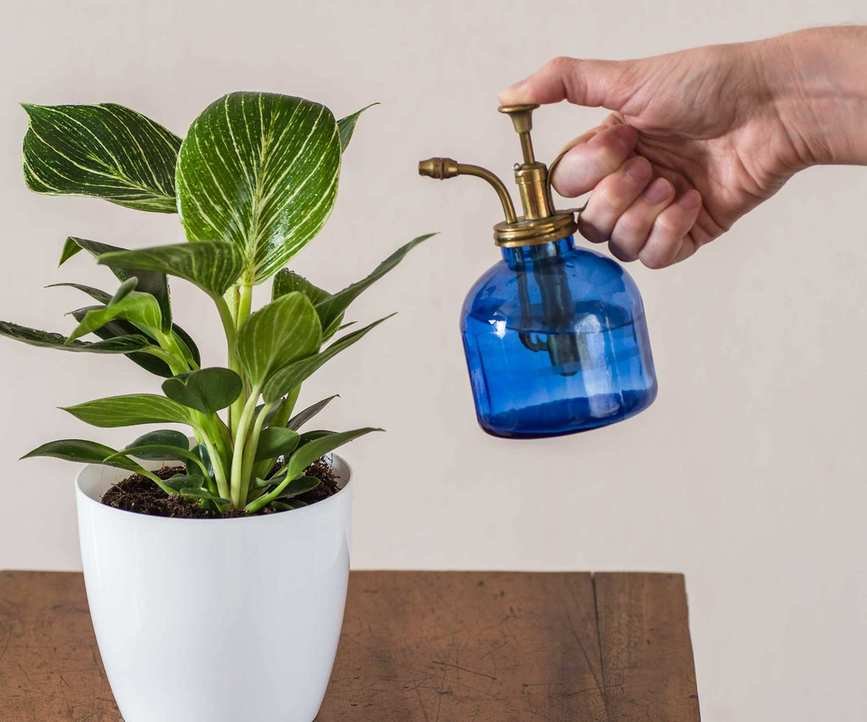
Regular misting helps prevent plant dehydration
FAQs
What are the signs that my houseplants are too hot?
Signs of overheating include dry, curling, or brown leaf tips. Affected plants may also yellow and drop leaves or flower buds.
'Understanding your plants' specific needs and adjusting care is crucial for their health,' explains Autumn Hilliard-Knapp. 'Regularly inspect for signs of stress and make necessary adjustments to provide a suitable growing environment.'
Can houseplants become too cold?
Absolutely, plants should be protected from low temperatures. Keep them away from drafty windows and doors.
Remember that windowsills can get very chilly at night. If you close curtains, ensure plants are on the room side, not against the glass.
Whether you're nurturing pothos, fiddle leaf figs, or a variety of succulents, these strategies will help them flourish throughout winter. Just remember to ease off on fertilizing during the cooler months and stay vigilant for common pests.



