
If musty smells in your entryway have you crinkling your nose, it's time to take action. Here are some expert strategies to help you address and eliminate those unpleasant odors.
Your entryway is a crucial first impression for both you and your guests. Musty odors indicate underlying issues that need attention, often linked to mold, mildew, or excess moisture.
HVAC specialists and cleaning professionals share their insights on how to maintain a pleasant-smelling entryway, ensuring your home feels just as good as it looks.
What Leads to Musty Odors in Entryways?
Understanding the causes of musty odors is essential for effective prevention. Josh Mitchell, HVAC technician, notes that these unpleasant smells typically arise from moisture that's trapped due to insufficient air circulation.
Wet shoes, umbrellas, pet items, or coats can introduce moisture, which may lead to mold and mildew if not addressed. Older homes with concrete flooring or inadequate insulation can also trap damp air, especially during humid seasons.
According to Tony Abate, mold inspector and environmentalist, any odors or dark spots on walls signify mold growth, which requires immediate attention to avoid larger issues.
To minimize the risk of mold, consider these professional recommendations:
1. Manage Moisture Levels

Controlling moisture is key to preventing mold growth.
Begin by addressing humidity levels in your entryway. Sean Goddard from a top HVAC company suggests keeping indoor humidity between 30 and 50 percent to maintain comfort and inhibit mold growth. Using a quality dehumidifier can effectively help achieve this.
For small spaces, John Parks recommends choosing an energy-efficient, compact dehumidifier, such as the KLOUDIC Small Dehumidifier from Walmart.
If you reside in a humid area, consider installing a whole-house dehumidifier. Josh adds that the insides of shoe cabinets and coat closets are often overlooked sources of moisture. Using moisture absorbers or desiccant bags can effectively manage humidity in these spaces.
Activated charcoal bags can also help control odors without masking them. Air them out monthly to maintain effectiveness.
2. Increase Airflow

Enhancing ventilation quickly combats bad odors.
Opening windows is a simple yet effective way to reduce moisture and refresh your entryway. Lina DaSilva recommends doing so whenever possible to allow fresh air to circulate and push out stale odors.
If windows can't be opened, a box fan like the Lasko Box Fan from Walmart can also help circulate air.
Be cautious during humid weather, as opening windows then can worsen the situation. Poor ventilation can also harbor allergens and irritants, making it vital to maintain good air quality.
3. Eliminate Mold

Mold contributes significantly to musty smells.
If you find visible mold, it's critical to act quickly. Lina suggests using a mold control spray like Concrobium Mold Control Spray from Amazon to kill spores and prevent regrowth.
For minor mildew on hard surfaces, a bleach cleaner like Clorox Spray Cleaner from Walmart can be effective.
In some cases, professional help may be necessary for hidden mold in walls or flooring. A mold remediation expert can identify and develop a plan to remove mold effectively.
4. Clean Carpets and Rugs

Your rugs can hold moisture and odors, requiring routine care.
Regular cleaning of carpets is essential, as they can trap moisture. Josh suggests using an enzymatic cleaner designed for mildew to shampoo carpets. Alternatively, steam cleaning or baking soda can also help eliminate odors.
Let carpets dry completely after cleaning, and consider switching to washable rugs made from mold-resistant materials like polypropylene for better odor control.
5. Maintain Your HVAC System

Annual HVAC maintenance is crucial.
Proper maintenance of your HVAC system is vital for odor management. Tony emphasizes that regular servicing can help prevent musty smells and mold growth.
HVAC technicians can identify mold issues early and suggest solutions. Regularly changing air filters is also essential to trap mold spores and maintain air quality. Filters should be replaced every 30 to 90 days, depending on the type.
Sealing any leaky ducts and conducting airflow tests can also enhance your entryway's air quality.
6. Inspect for Water Intrusion

Checking for water intrusion helps prevent mold growth.
Keep an eye out for signs of water intrusion in your entryway. Josh advises looking for peeling paint, damp drywall, or mold on baseboards, as these may indicate leaks or condensation that need addressing.
7. Conduct Thorough Cleaning

Regular cleaning keeps musty odors at bay.
Lastly, regular cleaning is essential. Lina recommends wiping down walls, cleaning floors, and washing rugs to eliminate dirt that can trap moisture and odors. Using a multi-surface cleaner like Pine-Sol from Walmart can refresh surfaces effectively.
Vacuuming soft surfaces also helps remove odor-trapping particles.
Recommended Products
Prices are accurate at the time of publication.
 Best budget option
TABYIK Dehumidifier
This compact dehumidifier is ideal for use in your entryway, featuring low energy consumption and an auto-shutoff feature.
 Long lasting
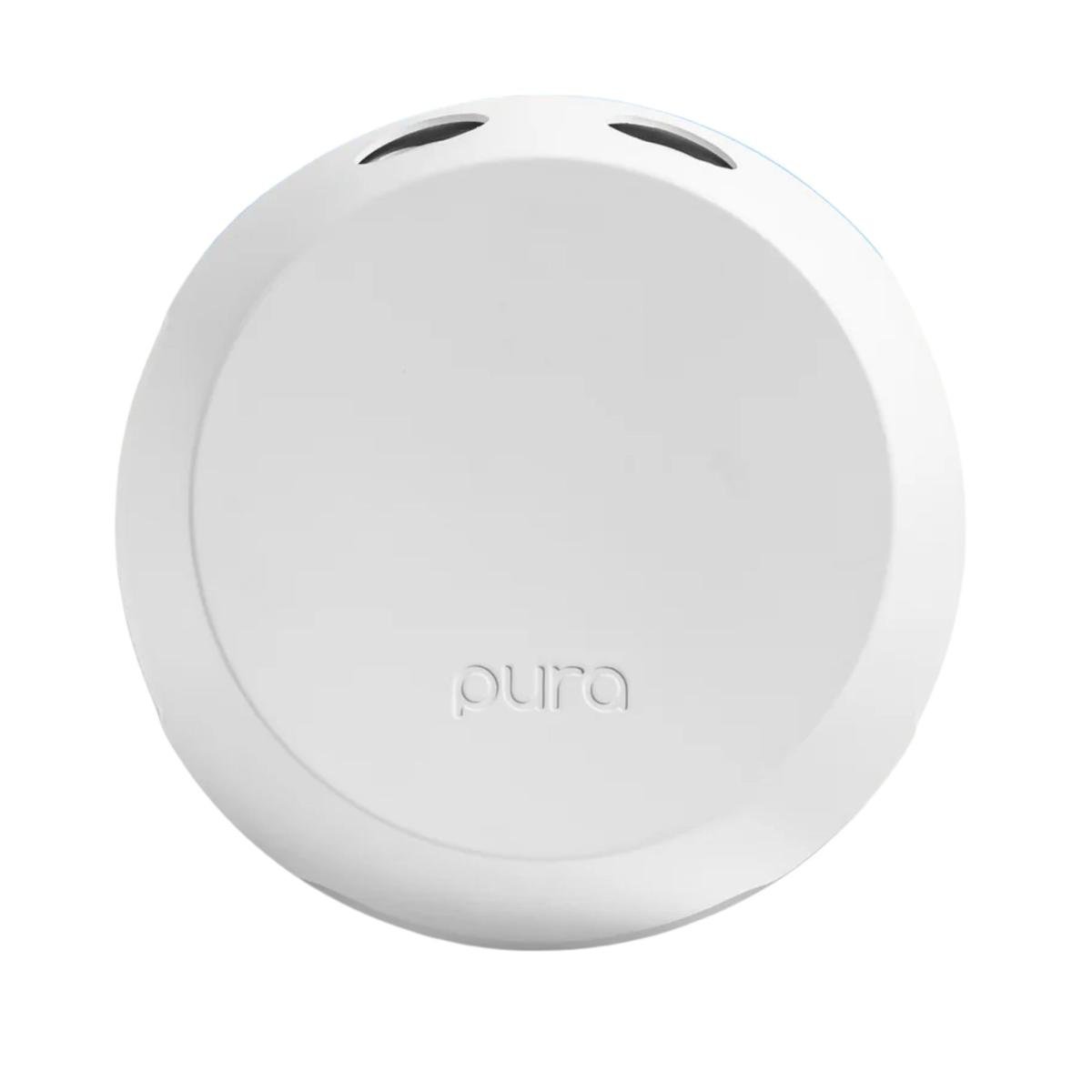
Pura 4™ Smart Home Fragrance Diffuser
This diffuser uses premium scents to further eliminate unpleasant odors, offering adaptive diffusion controlled via the Pura app.
 Contractor grade
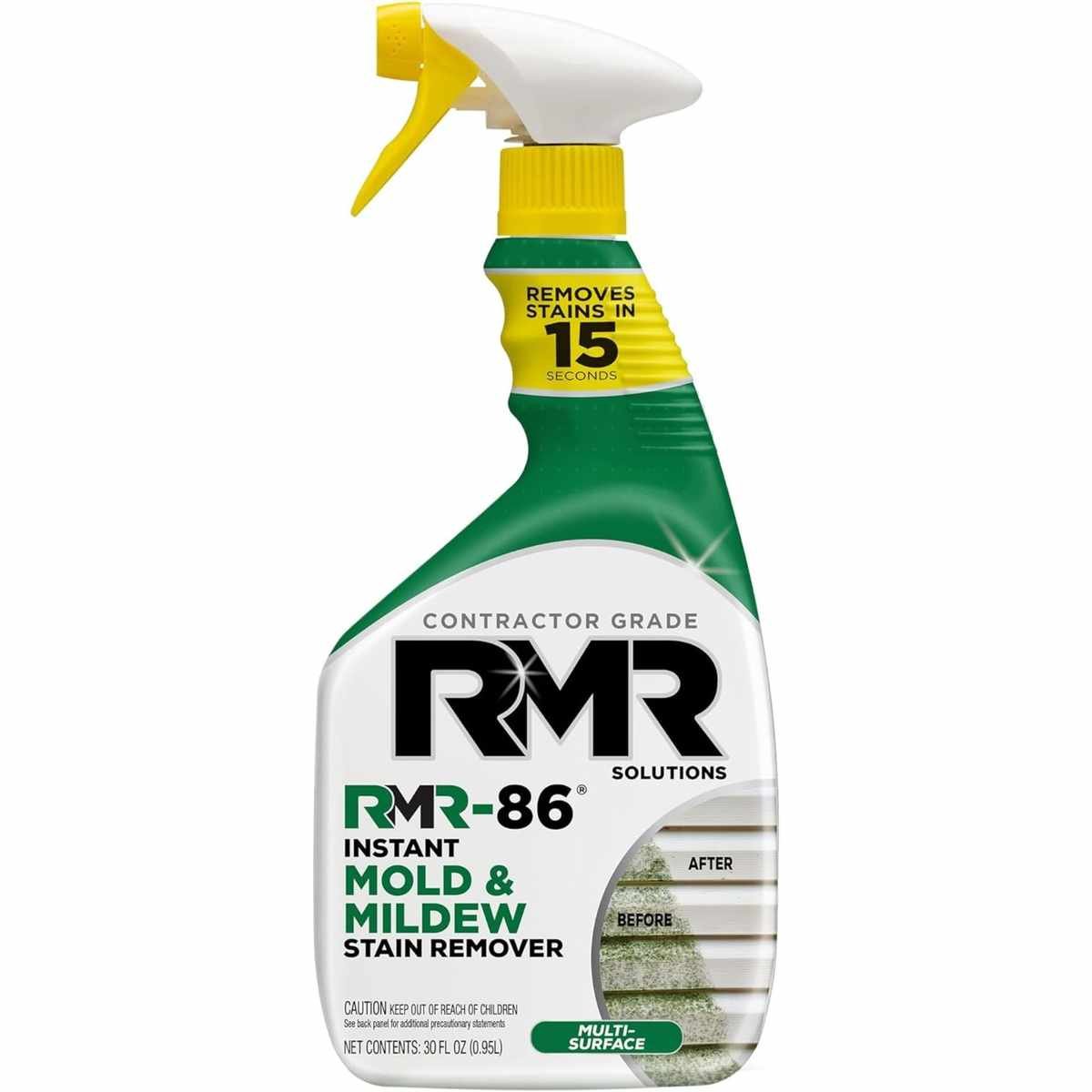
RMR-86 Instant Mold and Mildew Stain Remover Spray
This powerful spray effectively eliminates stubborn mold and mildew stains without requiring scrubbing.
FAQs
What can I do to improve my entryway's scent?
To keep your entryway smelling fresh, clean and vacuum it regularly. Ensure good ventilation and consider adding candles or diffusers for a pleasant atmosphere.
Meet Our Experts

Josh Mitchell, HVAC technician and founder of an appliance resource platform.

Tony Abate, environmentalist and mold inspector.

John Parks, COO of an insulation company specializing in mold remediation.

Lina DaSilva, founder of a premier residential cleaning service.